24 Essential Breakfast and Brunch Recipes for Weekend Entertaining and Efficient Meal Prep

The landscape of American morning dining has undergone a significant transformation over the last decade, shifting from a functional, utilitarian meal to a centerpiece of social engagement and culinary expression. As consumers increasingly seek a balance between the luxury of restaurant-quality brunch and the cost-effectiveness of home cooking, the demand for accessible yet "impressive" recipes has reached an all-time high. Digital culinary platforms, led by industry veterans such as Chungah Rhee of Damn Delicious, have responded by curating collections that prioritize "secretly easy" techniques designed to serve large groups without the associated stress of professional-grade catering. This shift is driven by a combination of economic factors—such as the rising cost of dining out—and a cultural movement toward "slow mornings" and home-based hospitality.
The Evolution of the Modern Brunch Menu
The concept of brunch, traditionally a late-morning meal that combines elements of breakfast and lunch, has historically been associated with dining in hotels or upscale cafes. However, market data suggests that the "home-hosted brunch" is now a dominant trend. According to recent consumer behavior reports, nearly 60% of millennials prefer hosting brunch at home to avoid long restaurant wait times and high markup prices on staples like eggs and coffee. The recipes currently gaining traction are those that offer high visual and flavor impact while allowing the host to participate in the social aspect of the gathering.
Key to this movement is the "make-ahead" strategy. Recipes like baked French toasts and overnight oats allow for the majority of labor to be completed 12 to 24 hours in advance. This chronology of preparation ensures that on the morning of the event, the host’s primary responsibility is limited to reheating or finishing, rather than active cooking.
Analysis of Sweet Staples: From French Toast to Artisan Pancakes
A cornerstone of the impressive brunch table is the sweet centerpiece. The 2024 culinary trends emphasize texture and fruit integration, moving away from overly processed syrups toward fresh, whole-food components.
-
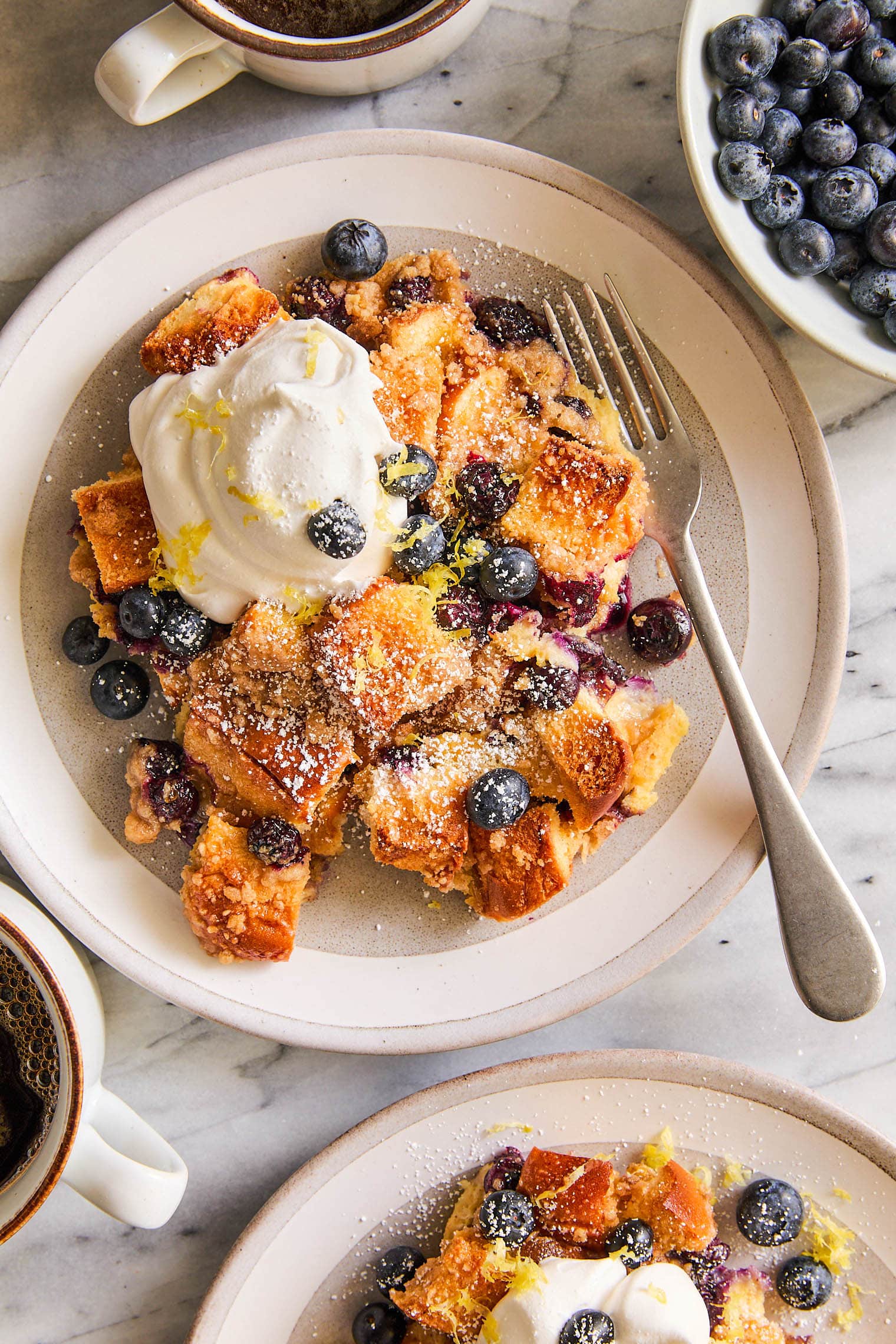
Baked Blueberry Lemon French Toast: This dish exemplifies the "assemble-and-bake" philosophy. By utilizing a baking method rather than pan-frying individual slices, the cook can serve eight to ten people simultaneously. Consumer feedback highlights the versatility of this dish; many home cooks report doubling the blueberry content and pairing the sweet profile with savory sides like bourbon maple syrup and quiches to create a balanced palate.
-
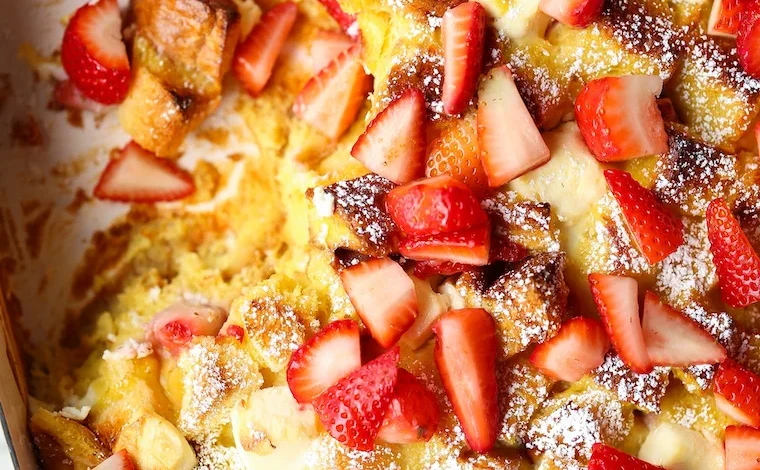
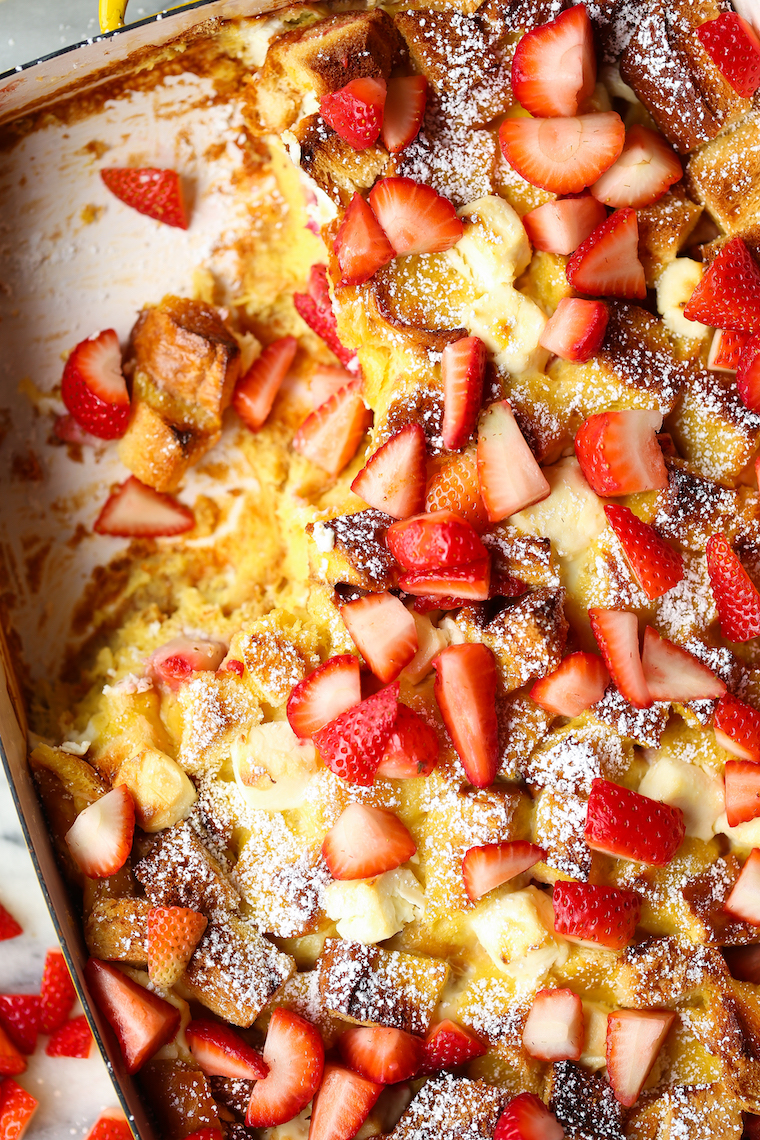
Baked Strawberries and Cream French Toast: Similar to the blueberry variant, this dish leverages the natural acidity of strawberries against a rich, cream-based custard. It has become a staple for milestone celebrations, such as birthdays, due to its aesthetic appeal.
-
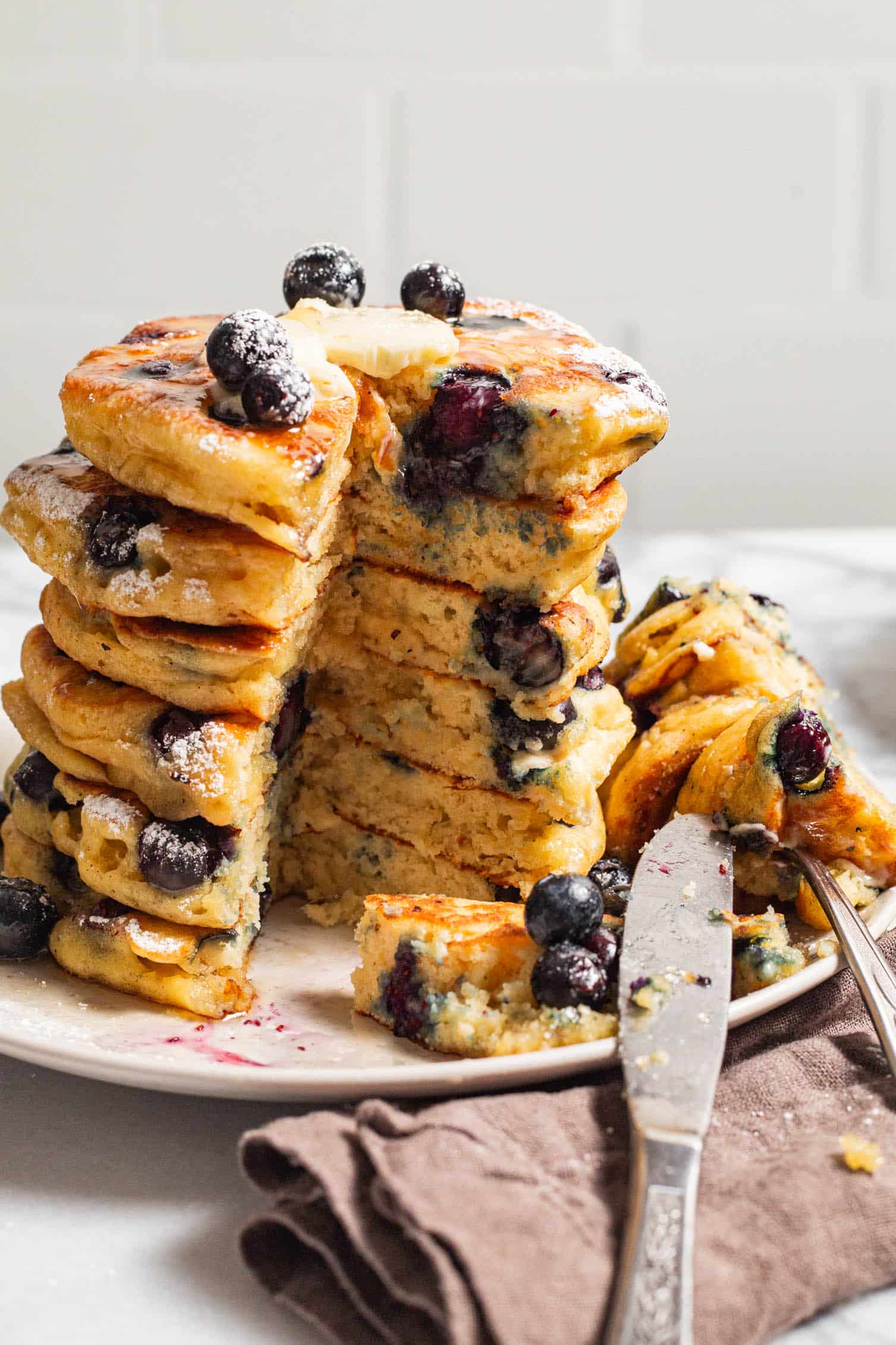
Blueberry Sour Cream Pancakes: Innovation in pancake batter has seen a shift toward the inclusion of acidic dairy products like sour cream or Greek yogurt. This addition provides a chemical reaction with leavening agents that results in a "fluffier" texture than traditional milk-based batters.
-
Blueberry Oatmeal Yogurt Pancakes: For health-conscious diners, the integration of oats and yogurt offers a higher protein and fiber content. Culinary analysis shows that these recipes are robust enough to handle flour substitutions, such as chickpea or almond flour, without compromising the structural integrity of the pancake.
-
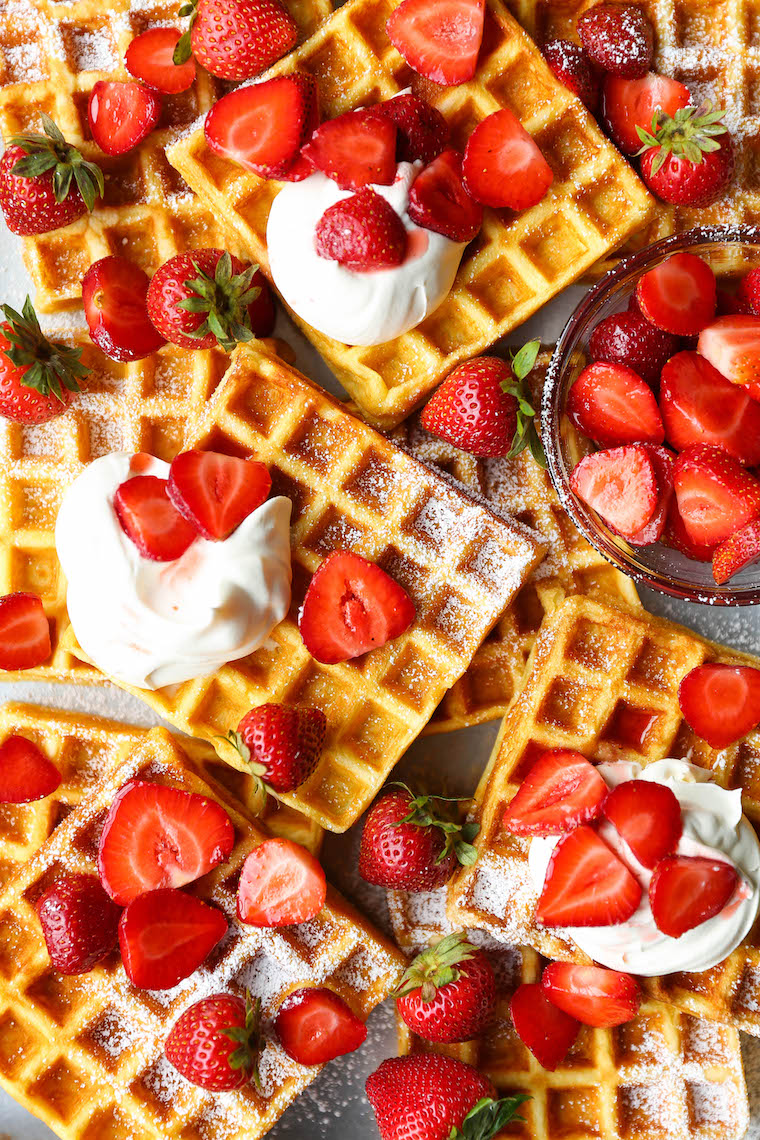
Strawberries and Cream Buttermilk Waffles: The classic combination of fresh whipped cream and fruit remains a perennial favorite. The use of buttermilk is essential here, providing the necessary tang to cut through the richness of the cream.
The Savory Revolution: High-Protein and Gourmet Comfort
While sweet dishes often provide the visual "wow" factor, savory dishes are the nutritional backbone of the brunch experience. There is a growing trend toward "breakfast-for-dinner," where high-protein savory items traditionally served in the morning are repurposed for evening meals.
-
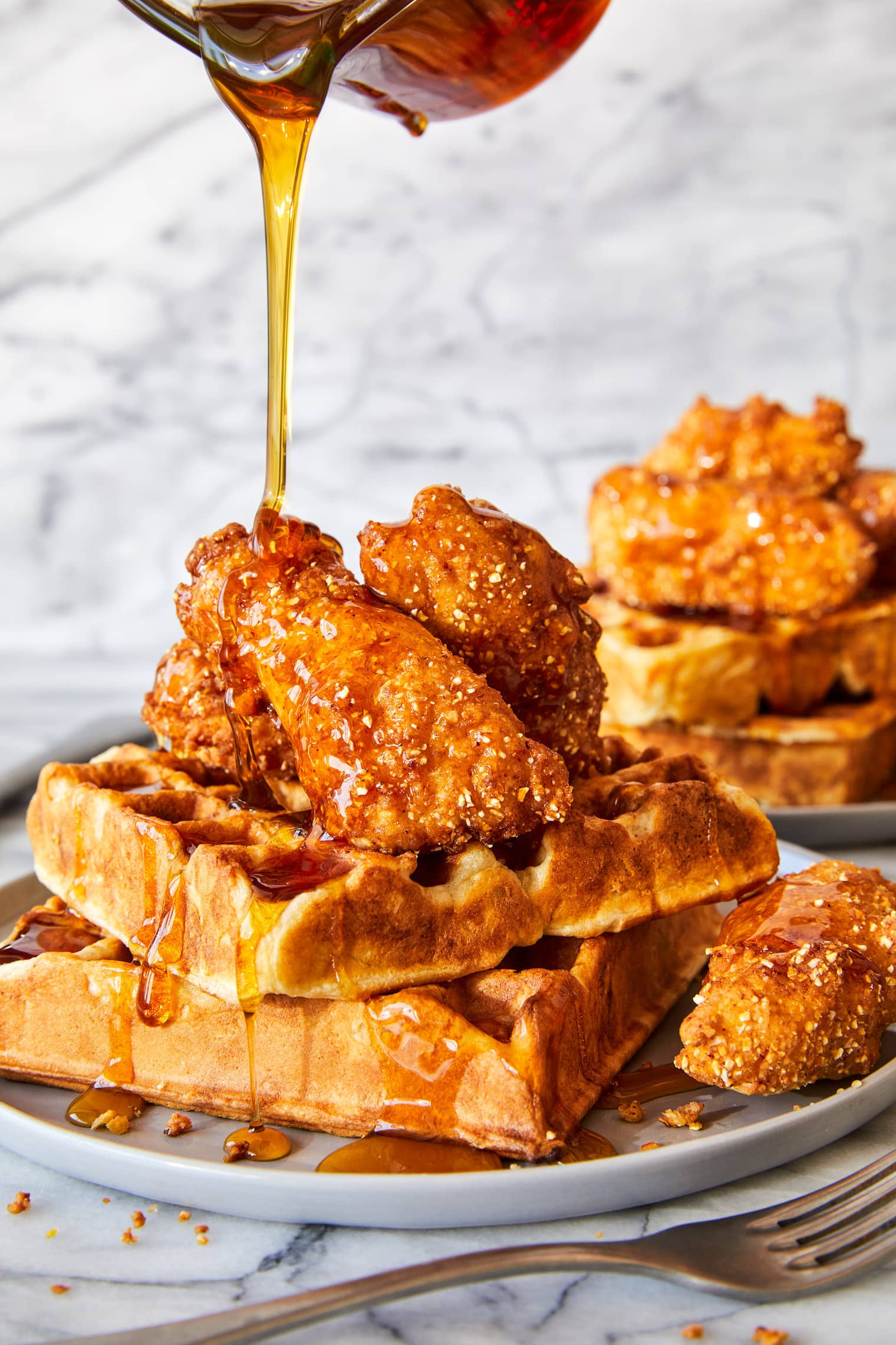
Honey Fried Chicken and Waffles: This dish represents the intersection of Southern comfort food and modern brunch. The technical secret to success in this recipe is the buttermilk brine, which tenderizes the chicken while providing a base for the breading to adhere to. Home cooks have noted that even in the absence of store-bought buttermilk, a mixture of milk and lemon juice serves as an effective substitute, maintaining the flavor profile.
-
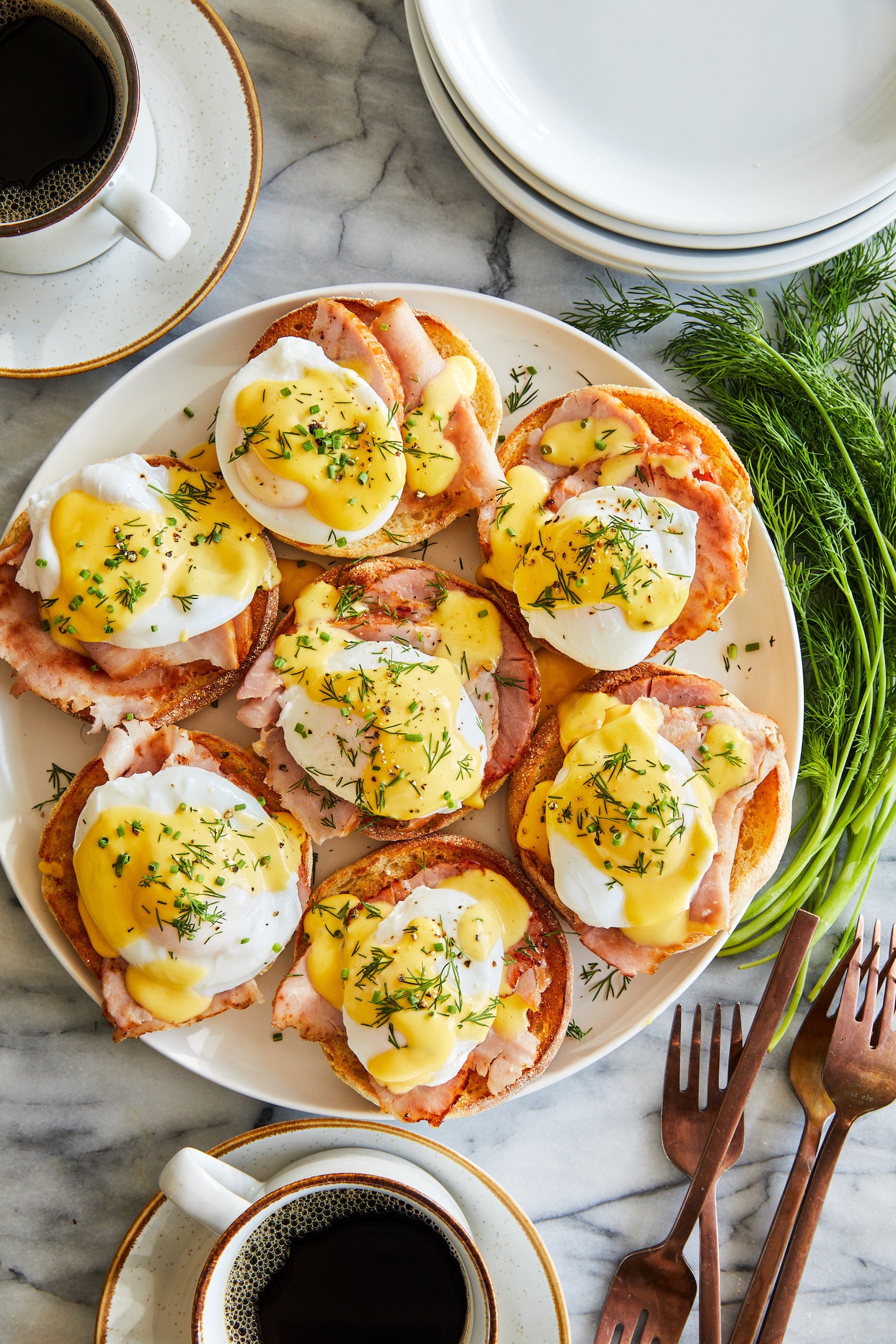
Classic Eggs Benedict: Long considered a "test" of a professional chef, the home version has been demystified through simplified Hollandaise techniques. It is frequently served on fresh sourdough English muffins, elevating the dish from a standard breakfast item to a gourmet dinner option.
-
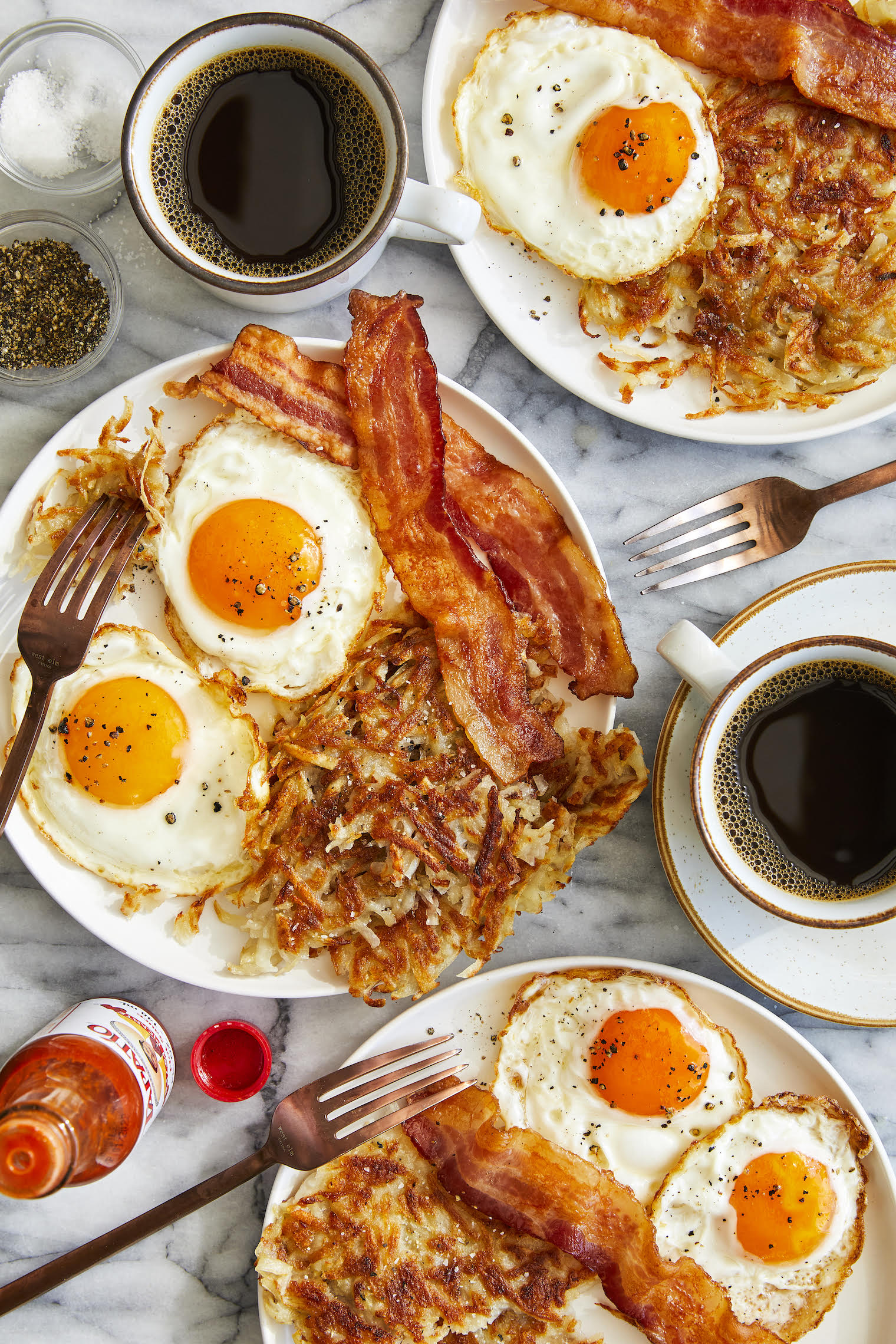
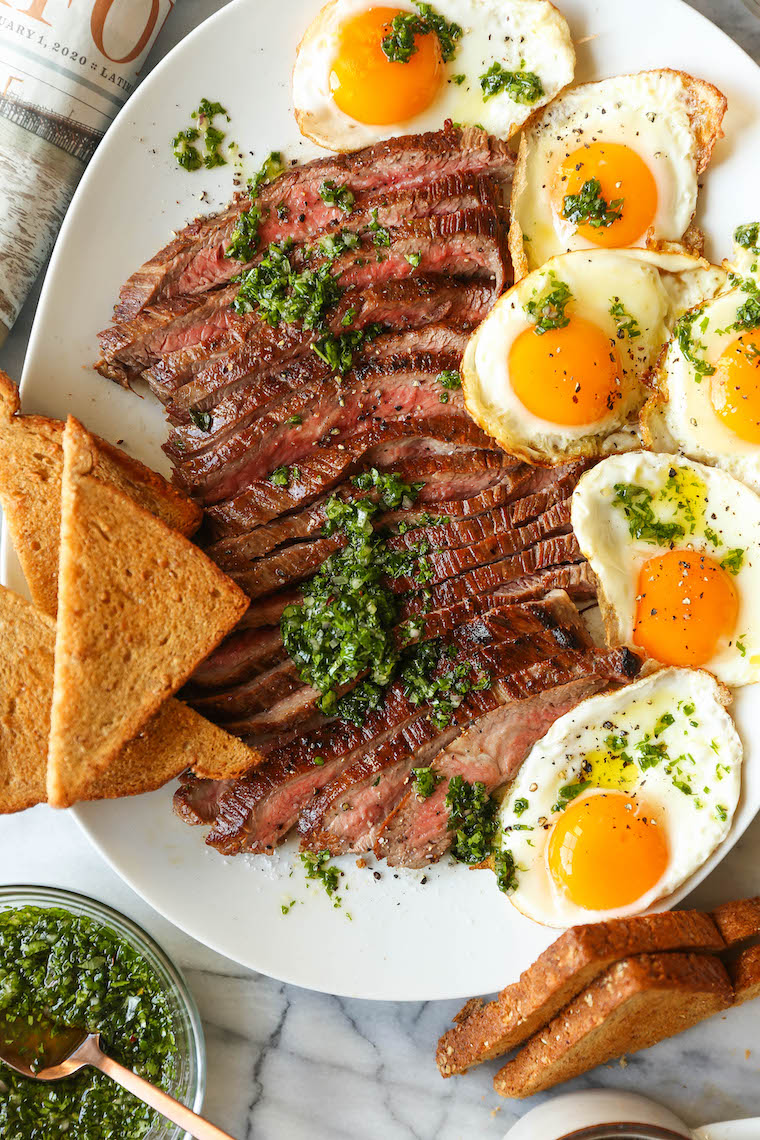
Best Ever Steak and Eggs: The modern iteration of this classic includes the addition of herb-based sauces, such as chimichurri or pesto. This "refreshing twist" lightens the heavy protein and fat content of the steak, making it more palatable for early-day consumption.
-
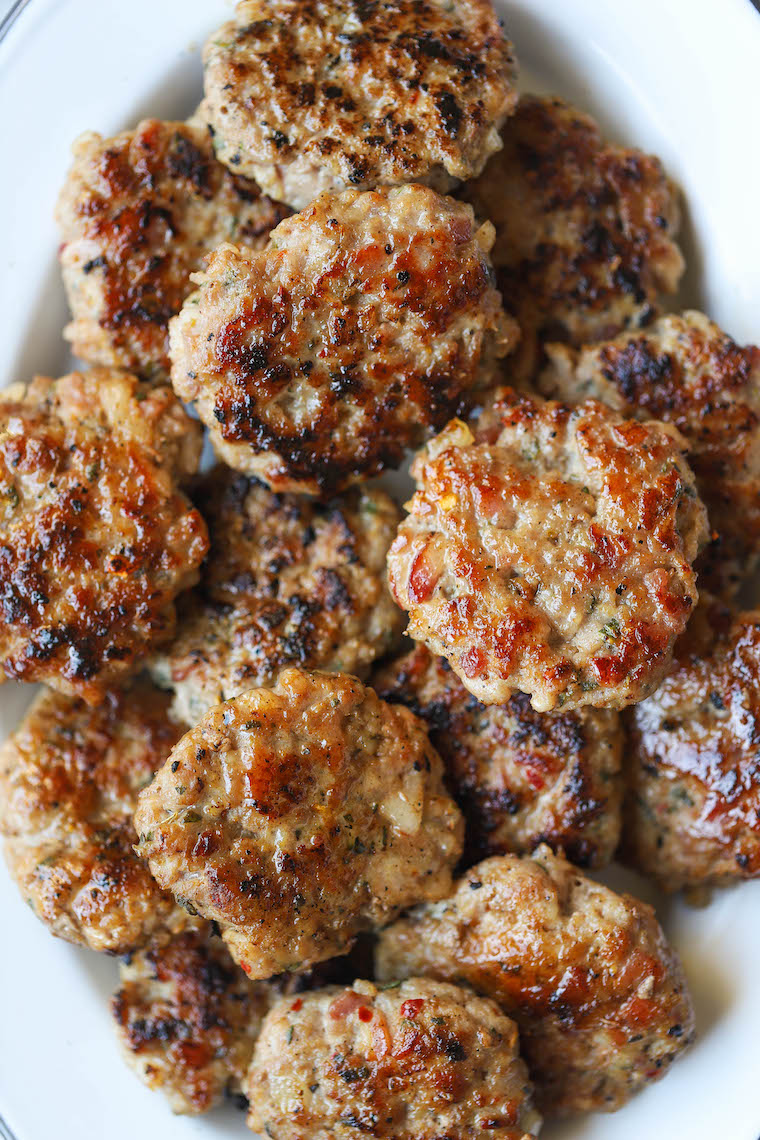
Homemade Breakfast Sausage: Economic pressures and a desire for clean labels have led many consumers to grind and season their own meats. In regions where American-style breakfast sausage is unavailable—such as Europe—these recipes have become essential for expatriates and culinary enthusiasts seeking authentic flavors.
-
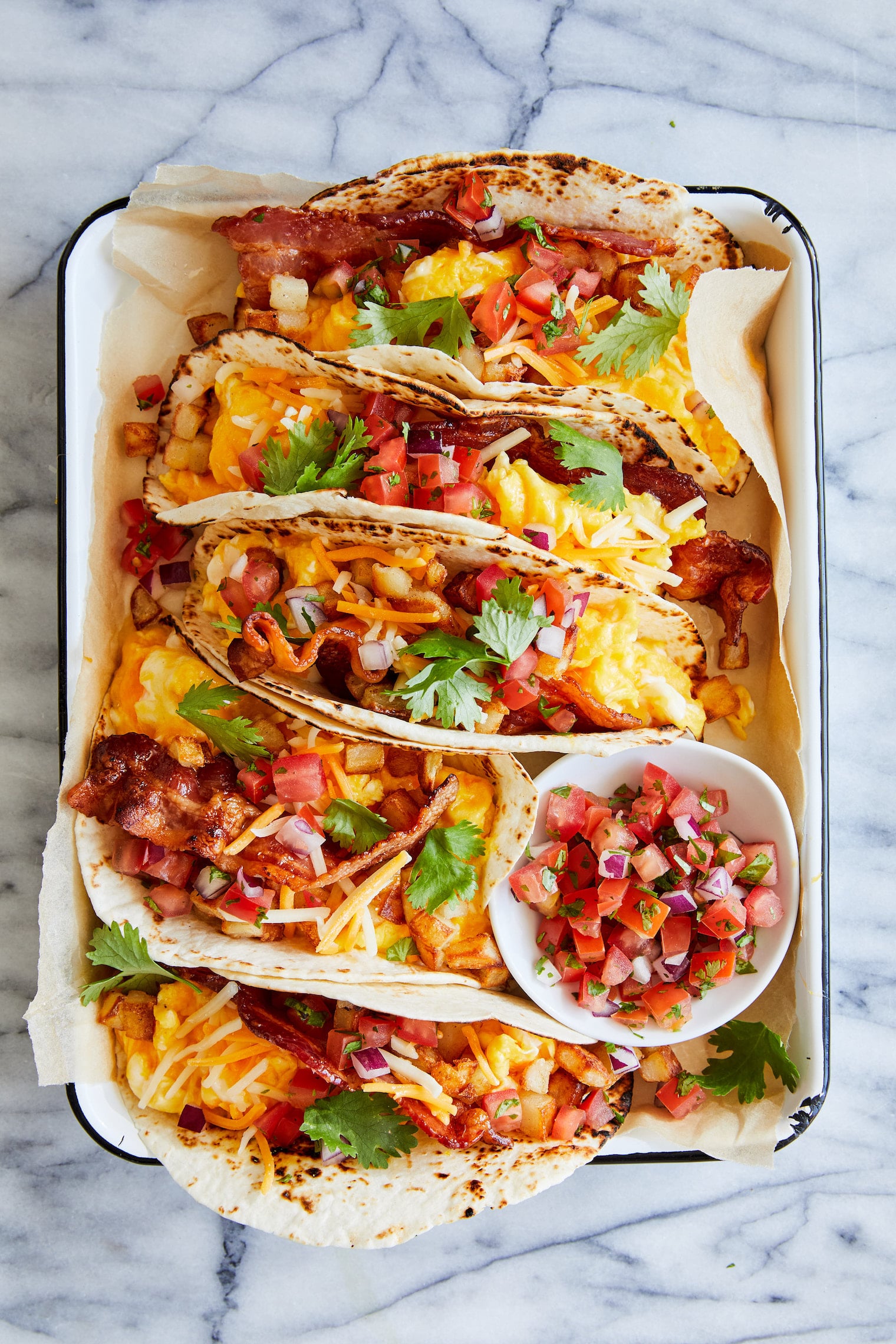
Breakfast Tacos: The customization inherent in tacos makes them ideal for crowds. The inclusion of homemade, crispy potatoes and a choice of bacon or maple sausage allows for a "bar-style" service where guests can build their own meals.
The "Copycat" Economy: Recreating Retail Favorites
A significant portion of the current recipe market is dedicated to "copycats"—home-made versions of popular items from chains like Starbucks or Trader Joe’s. This is largely driven by "penny pinchers" and those seeking to control the ingredients in their favorite snacks.
-
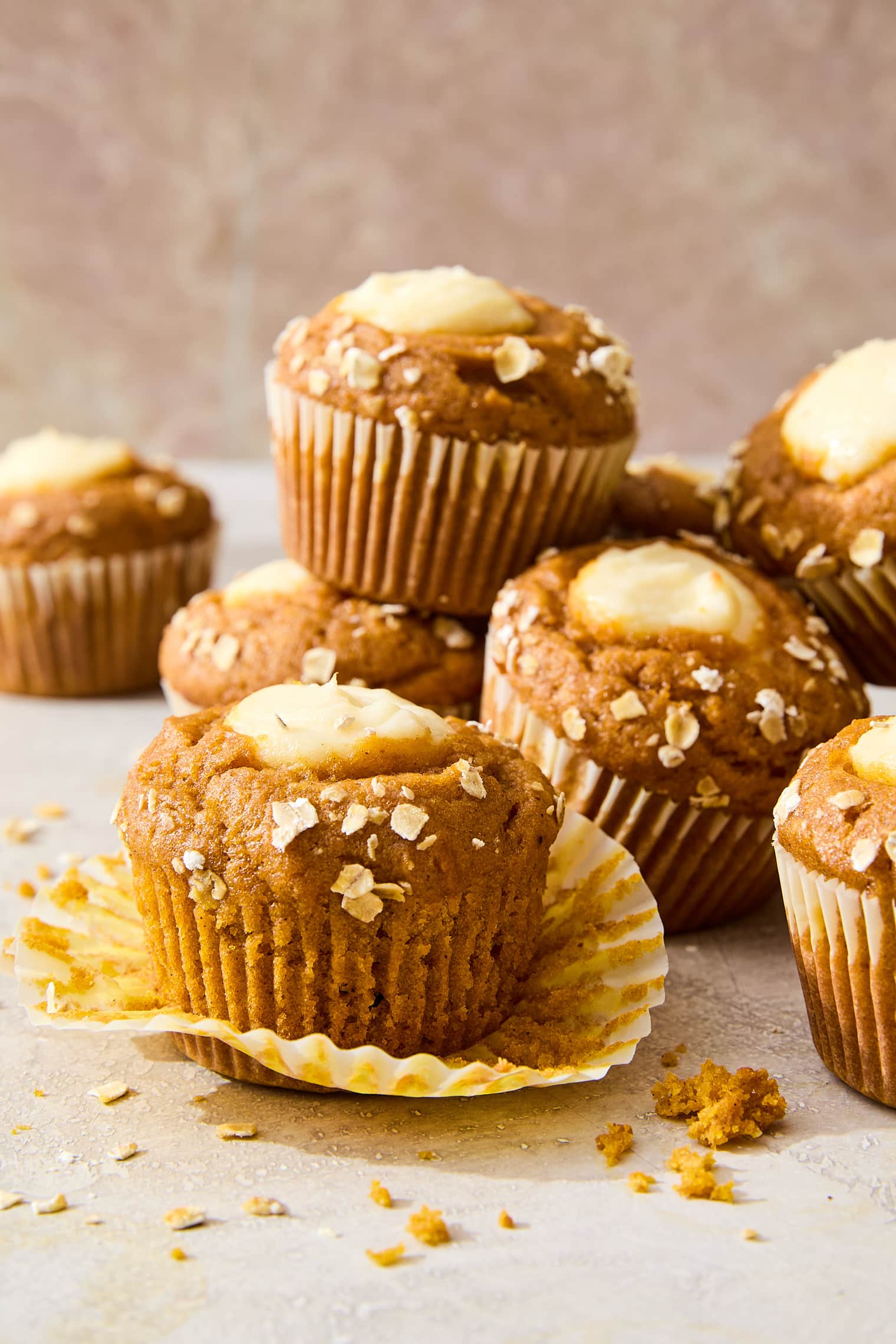
Pumpkin Cream Cheese Muffins (Starbucks Copycat): These muffins offer a cost-saving alternative to seasonal retail offerings. Home cooks report that the 10-out-of-10 flavor profile is indistinguishable from the commercial version.
-
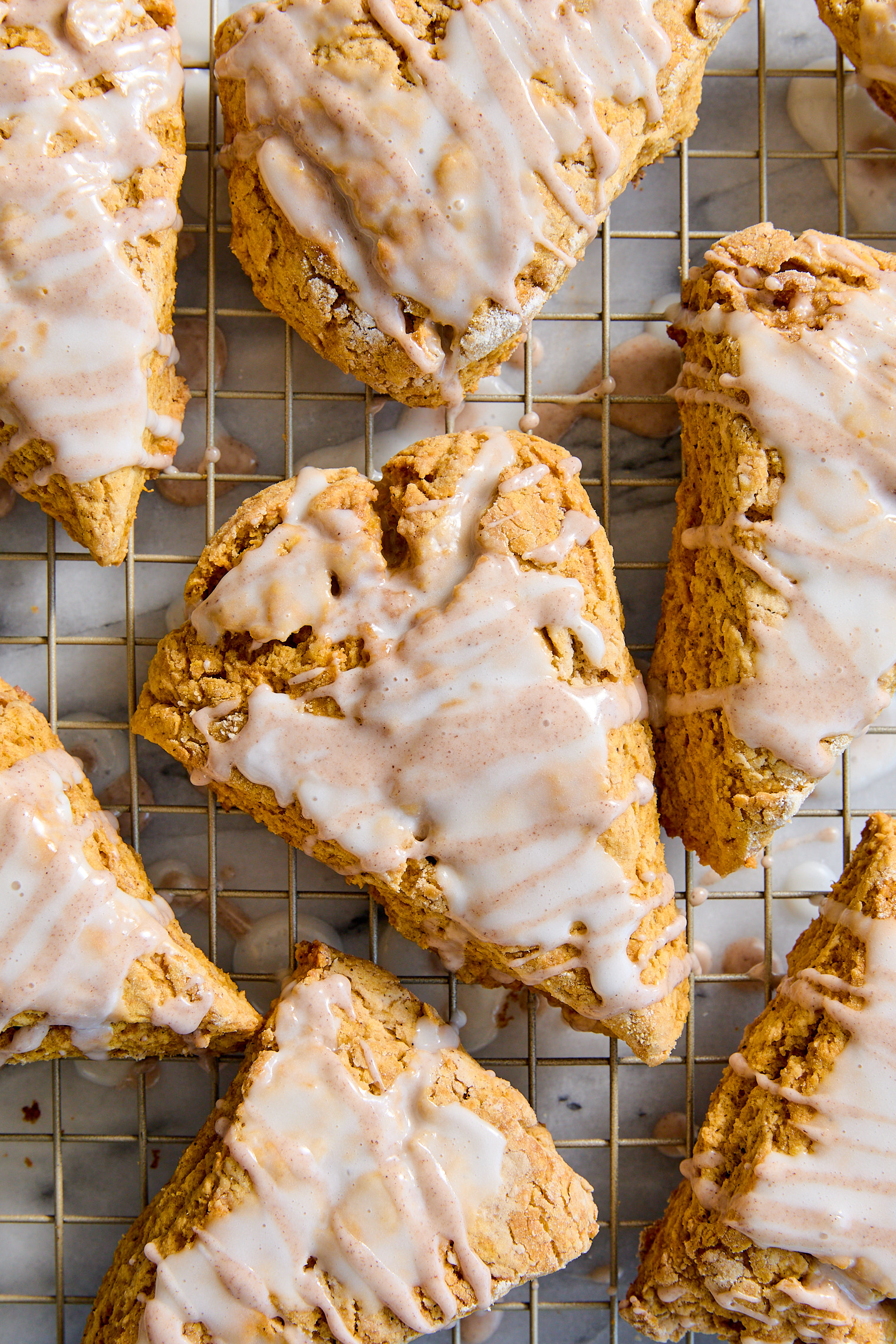
Starbucks Pumpkin Scones Copycat: These are often paired with home-made pumpkin spice lattes. The primary appeal is the "straight-out-of-the-oven" freshness that retail outlets cannot match.
-
Almond Butter Granola: This recipe addresses a specific market pain point: the high cost of premium granola. With commercial bags often priced at $3.99 for a mere five servings, home production allows for bulk savings and ingredient customization.
-
Pumpkin Donut Holes: These serve as an accessible entry point for those who do not typically enjoy traditional donuts. Their "ridiculous" popularity at gatherings suggests a preference for bite-sized, seasonal treats over larger, fried pastries.
Convenience and Efficiency: Make-Ahead and Freezer Staples
For the modern working family, the "weekend brunch" is a luxury, but the "weekday breakfast" is a logistical challenge. The rise of freezer-friendly recipes has revolutionized Monday-through-Friday nutrition.
-
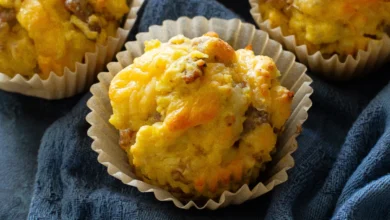
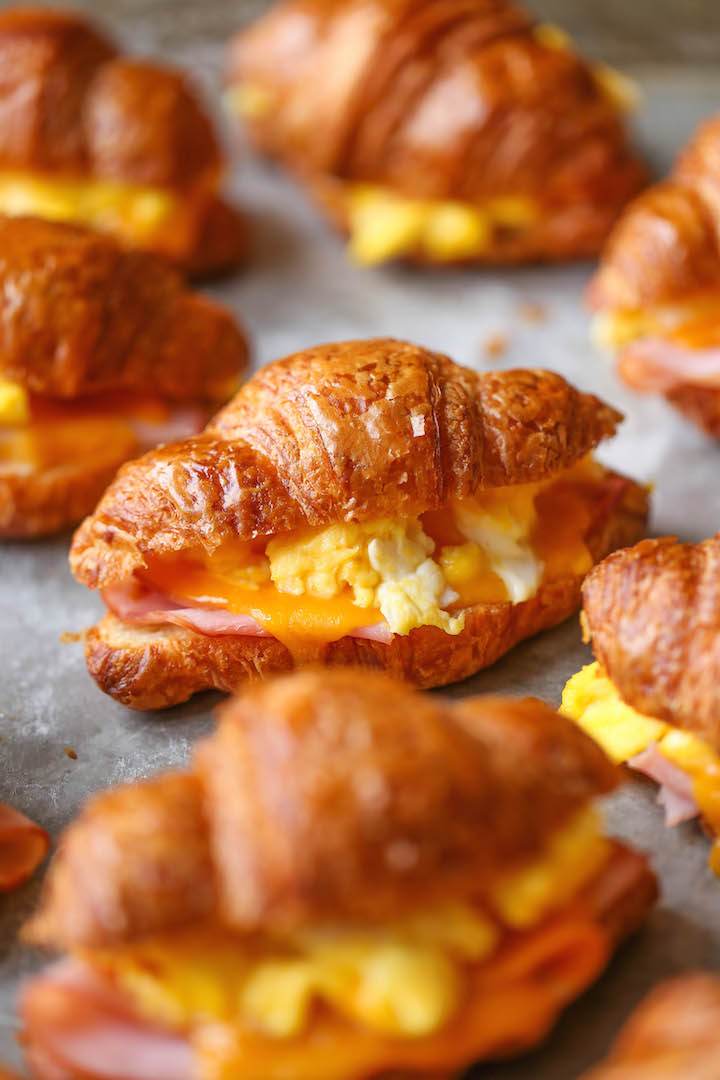
Freezer Croissant Breakfast Sandwiches: These are frequently used as "food gifts" for new parents or busy friends. Their ability to be frozen and reheated without losing the flaky texture of the croissant makes them a superior alternative to fast-food breakfast sandwiches.
-
Make Ahead Breakfast Biscuit Sandwiches: The trend toward scratch-made biscuits has grown as home cooks realize that the process is less intimidating than previously thought. These sandwiches provide a hearty, portable option for commuters.
-
Easy Overnight Oats: This dish has become the "gold standard" for healthy, zero-effort mornings. The technique of layering ingredients ensures that the oats maintain a pleasant texture rather than becoming "soggy" by the next morning.
Side Dishes and Beverages: Completing the Palate
No brunch is complete without the supporting elements that provide texture and hydration.
-
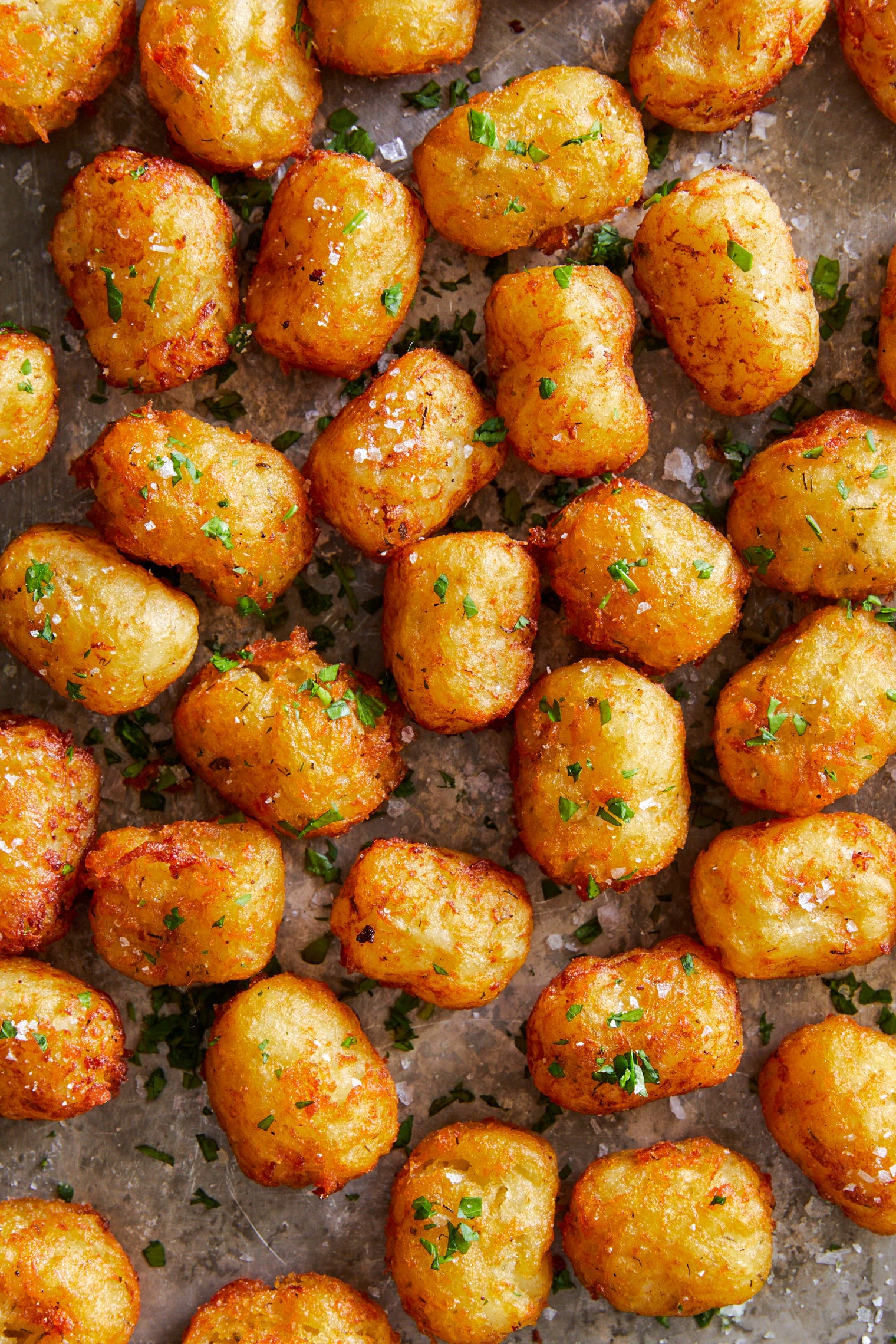
Homemade Tater Tots and Crispy Hash Browns: The quest for the perfect "golden-brown" potato is a common theme in home cooking. Achieving restaurant-level crispiness at home is a significant milestone for many amateur chefs.
-
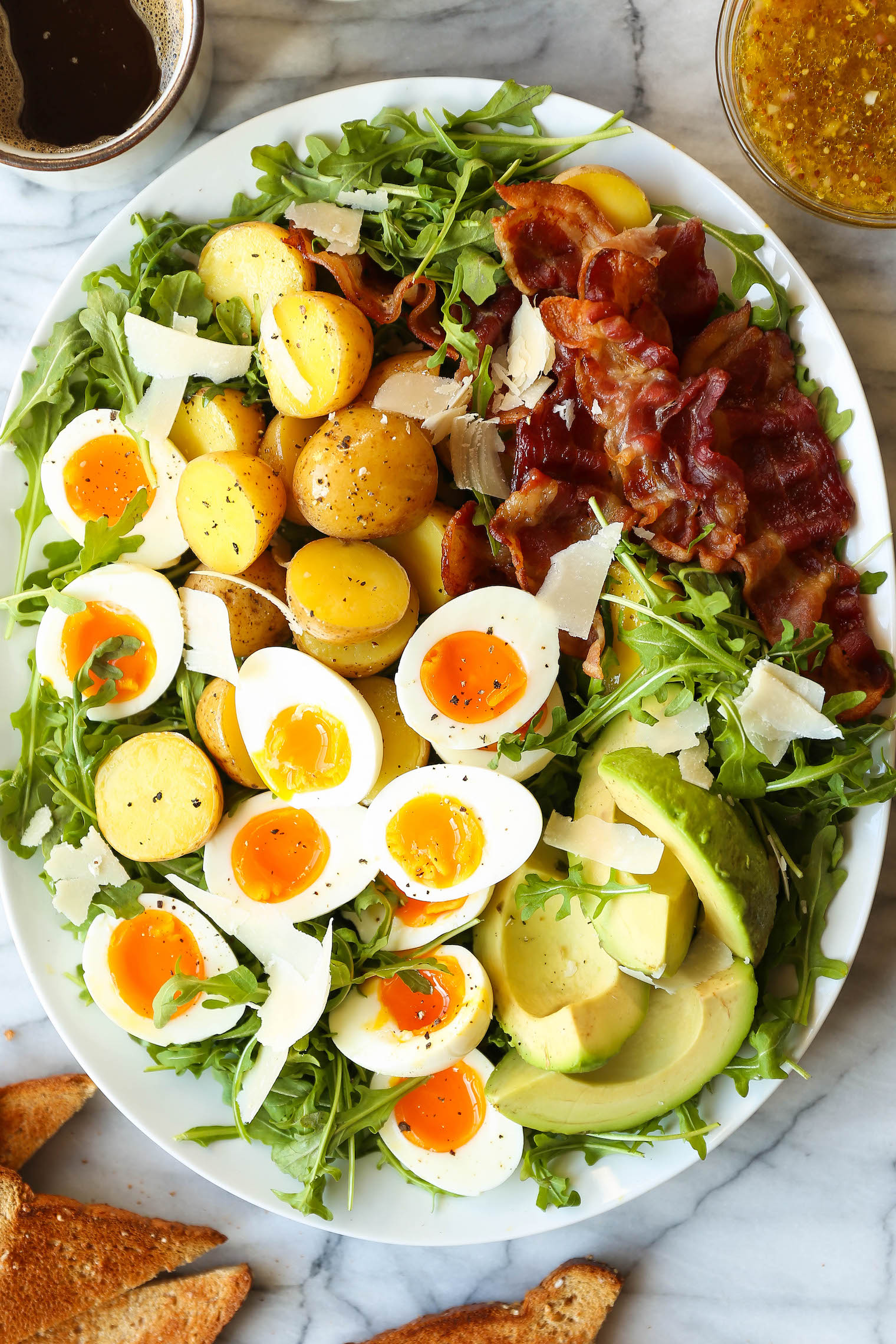
Breakfast Salad: Reflecting the broader health trend toward "savory breakfasts," the breakfast salad incorporates potatoes, greens, and proteins. Low-carb variations, such as substituting potatoes with cherry tomatoes, demonstrate the recipe’s adaptability to modern dietary needs.

-
Coffee Cake Muffins: These provide a mid-range sweetness level, described as "just sweet enough without being oily," making them an ideal accompaniment to hot beverages.
-
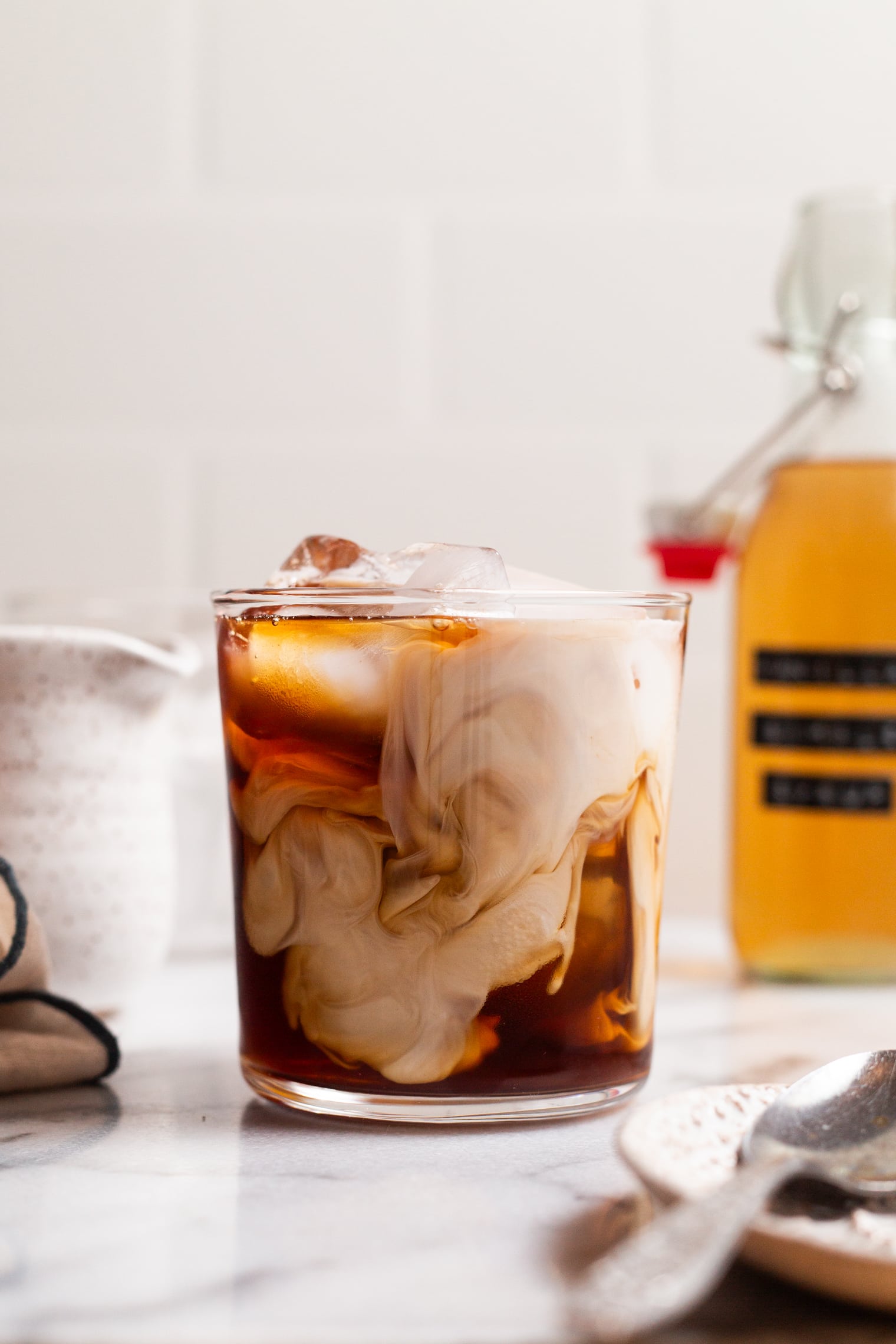
Perfect Iced Coffee: The financial implications of daily coffee runs have made home-brewed iced coffee recipes highly sought after. The ability to control the syrup-to-coffee ratio allows for a personalized experience that saves significant money over time.
-
Raspberry Sunrise Smoothie: For those seeking a liquid breakfast, the smoothie remains king. Innovative users have reported freezing the mixture to create a sorbet, further blurring the lines between breakfast and dessert.
-
Smoked Salmon Bagel Bar: This setup is the ultimate low-effort, high-impact brunch. By providing mini bagels and various garnishes, the host allows guests to self-serve, making it a "family favorite."
-
Pumpkin Scones: A seasonal staple that bridges the gap between a biscuit and a pastry, often used to usher in the autumn months.
Consumer Impact and Implications
The data gathered from reader interactions suggests that the primary value of these recipes lies in their ability to foster community. When "someone always asks for the recipe," it serves as a social currency that validates the host’s effort. Furthermore, the shift toward home preparation has significant health implications, as it allows individuals to bypass the high sodium and preservative content found in processed breakfast meats and commercial pastries.
As we look toward the future of home dining, the emphasis will likely remain on "attainable luxury"—the ability to create a "phenomenal" experience for family and friends using simple, reliable methods. The success of creators like Chungah Rhee and the Damn Delicious brand underscores a universal truth in modern culinary culture: the best meals are those that balance flavor, economy, and the ease of preparation, ensuring that the cook can enjoy the meal as much as the guests.