The Scungilli Shooter: How Wild Cherry is Redefining New York City’s Raw Bar Culture with Theatrical Spirits

The West Village of Manhattan has long served as a crucible for culinary innovation, a neighborhood where historic architecture meets the vanguard of global gastronomy. Tucked behind the iconic Cherry Lane Theatre, a new establishment named Wild Cherry is currently challenging the traditional boundaries of the raw bar experience. While most seafood towers are defined by their static presentation of chilled mollusks and crustaceans, Wild Cherry has introduced a participatory ritual that merges high-end mixology with seafood consumption. The centerpiece of this experience is the scungilli shooter—a process that transforms a traditional dish of sliced sea snail into an interactive "oceanic ice luge" involving a specific variety of Spanish gin.
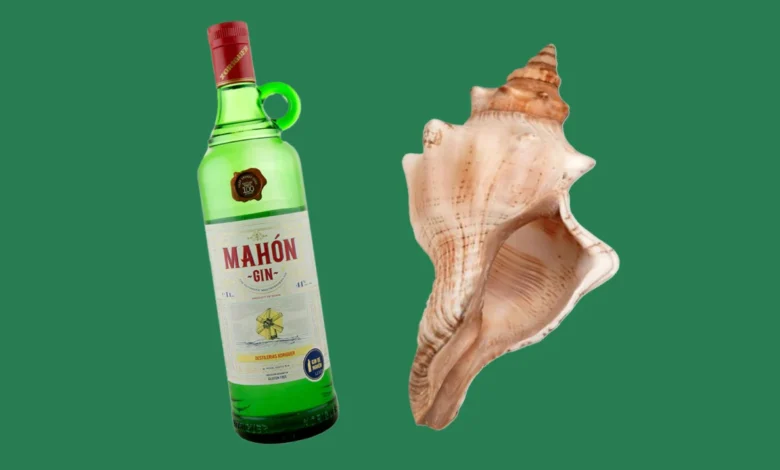
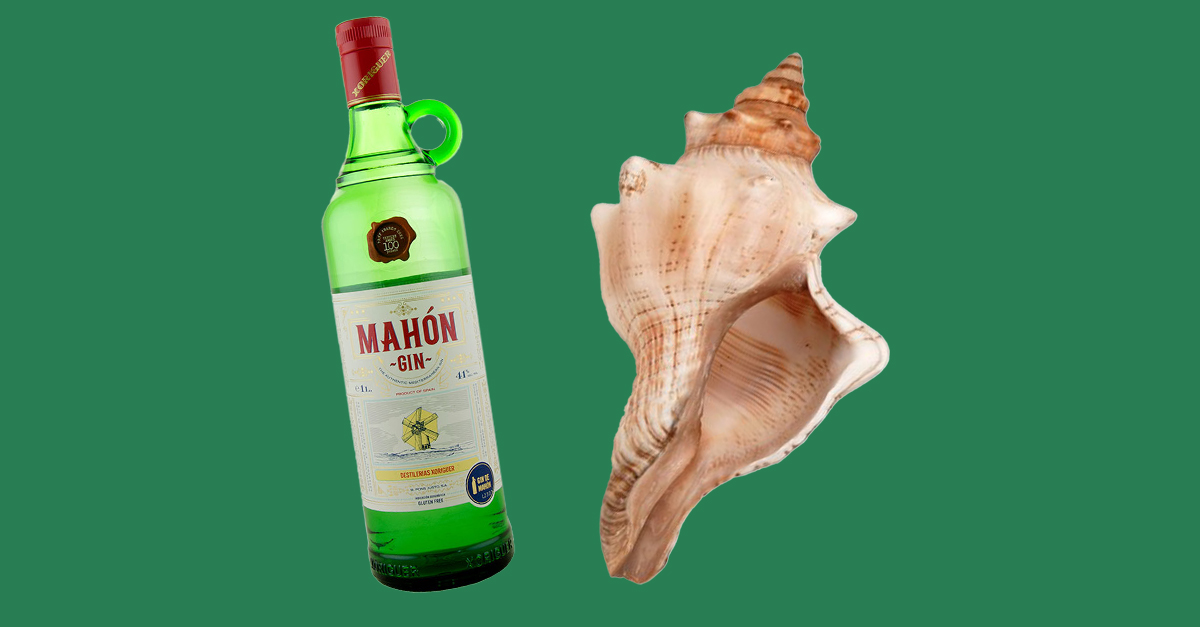
The ritual begins with the arrival of a spiraling conch shell, filled with thinly sliced scungilli—the Italian-American term for whelk—braised in a rich court bouillon and tossed with celery and red onion. As the diner nears the end of the dish, leaving behind a pool of briny, seafood-infused broth, a server arrives with a chilled shot of Xoriguer Mahón gin. The instructions are precise: the guest pours the spirit directly into the shell, agitates it to incorporate the remaining broth, and drinks the mixture straight from the natural spout of the conch. This integration of beverage and food serves not only as a theatrical flourish but as a functional solution to a common culinary waste problem.
The Evolution of the Scungilli Ritual
The development of the scungilli shooter was an organic process driven by observation within the restaurant’s first few weeks of operation. Head bartender Karlos Hernandez noted that while the scungilli was a highlight of the raw bar, many guests were hesitant to engage with "sea snails," and those who did often left behind the court bouillon used to dress the meat. Hernandez and the culinary team recognized this liquid as "gold"—a concentrated essence of the sea that was being discarded.
The chronology of the dish’s development highlights a period of experimentation typical of high-end New York beverage programs. Initially, the team considered mezcal as the primary pairing. Hernandez, drawing on his experience in Oaxaca, recalled the traditional service of mezcal shooters alongside leche de tigre (tiger’s milk) from ceviche. However, the trial revealed that the smoky, vegetal notes of mezcal overwhelmed the delicate, earthy sweetness of the whelk. The search for a more harmonious spirit led to the selection of gin, specifically a style that could bridge the gap between botanical complexity and marine salinity.
The final iteration of the shooter was refined through the use of Xoriguer Mahón gin from the island of Menorca. Unlike London Dry gins, which are typically grain-based, Mahón is distilled from grapes—specifically Parellada and Xarel-lo, the varieties used in the production of Spanish Cava. The spirit is infused with juniper berries that have been aged for two years in open crates, allowing the Mediterranean sea air to influence the flavor profile. When stirred with a touch of Maldon salt, the gin’s oils and bitter botanicals provide a structural counterpoint to the court bouillon, creating a savory cocktail within the shell.
Culinary Background: The Scungilli and the Court Bouillon
Scungilli, or whelk, occupies a unique place in the American seafood canon. While it is a staple of Italian-American "Feast of the Seven Fishes" traditions, it remains an adventurous choice for many modern diners compared to tuna crudo or oysters. At Wild Cherry, the preparation is rooted in classical French technique. The whelk is braised in a court bouillon—a flavorful poaching liquid typically consisting of water, wine, aromatics, and mirepoix.
During the braising process, the liquid absorbs the proteins and minerals of the whelk, resulting in a broth that is both savory and slightly viscous. By slicing the meat thinly and serving it chilled with crunchy aromatics like celery and red onion, the kitchen balances the naturally chewy texture of the scungilli. The decision to serve the dish in a conch shell was initially aesthetic, but it quickly became the vessel for the restaurant’s signature interactive element.
The Logistics of Theatrical Service
The success of the scungilli shooter depends heavily on the "theatrics of timing," a concept Hernandez emphasizes as crucial to the guest experience. If the gin shot is presented too early, it risks being poured over the solid meat, which disrupts the intended flavor profile. If presented too late, the guest may have already attempted to tip the shell to drink the broth or allowed it to spill onto the plate.
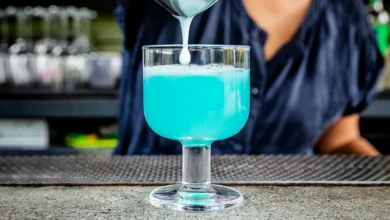
Servers at Wild Cherry are trained to monitor the progress of the table, intervening at the precise moment the solids are consumed but the liquid remains. This high-touch service model is a hallmark of the West Village’s competitive dining scene, where "buzzy" restaurants must provide more than just quality food to maintain relevance. The $86 Scorpion Bowl, another staple of the venue’s beverage program, similarly utilizes dramatic presentation—adorned with fresh flowers and oversized straws—to create a sense of occasion. However, the scungilli shooter is distinguished by its integration into the flavor mechanics of the meal rather than being a purely visual gimmick.
Market Trends and the Rise of Interactive Dining
The emergence of the scungilli shooter at Wild Cherry reflects broader trends in the New York City hospitality industry. According to recent market data from the National Restaurant Association, "experience-based dining" has seen a 15% increase in consumer interest over the past three years. Diners, particularly in the millennial and Gen Z demographics, are increasingly seeking out "shareable moments" that involve participation or unique service rituals.
Furthermore, the "zero-waste" movement in culinary circles has encouraged bartenders and chefs to find creative uses for byproducts. The use of a poaching liquid as a cocktail mixer aligns with the industry’s shift toward sustainability. By rebranding the leftover broth as a component of a premium drink, Wild Cherry has successfully incentivized guests to consume the entirety of the dish.
Broader Implications for the Raw Bar Format
The traditional raw bar format—typically consisting of oysters on the half shell, shrimp cocktail, and crab claws—has remained largely unchanged for decades. Wild Cherry’s approach suggests a move toward a more "composed" raw bar, where the beverage program is intrinsically linked to the seafood offerings.
This evolution is supported by the choice of Mahón gin, a spirit that reflects a growing interest in regional European distillates. As Hernandez noted, his introduction to the gin came during his tenure at Frenchette, another highly acclaimed New York establishment. The adoption of such niche spirits in "theatrical" serves indicates a sophisticated consumer base that is willing to explore unfamiliar flavors if they are presented within a compelling narrative.
Conclusion and Future Outlook
Wild Cherry’s scungilli shooter represents a successful fusion of culinary tradition, modern mixology, and theatrical service. By taking a potentially intimidating ingredient—the sea snail—and turning its consumption into a "reward" or a "cheeky gift," the restaurant has managed to make adventurous eating accessible to a wider audience.
As the restaurant continues to operate behind the Cherry Lane Theatre, its proximity to the stage seems to have influenced its service philosophy. The scungilli shooter is, in essence, a performance in three acts: the presentation of the shell, the consumption of the seafood, and the final "liquid gold" encore. For the New York dining public, it is a reminder that even the most ancient of ingredients can be reimagined through the lens of modern creativity. The success of the program suggests that the future of the raw bar may lie not just in the freshness of the catch, but in the ingenuity of the pour.