Cantonese Steamed Fish: A Culinary Masterpiece of Simplicity and Flavor

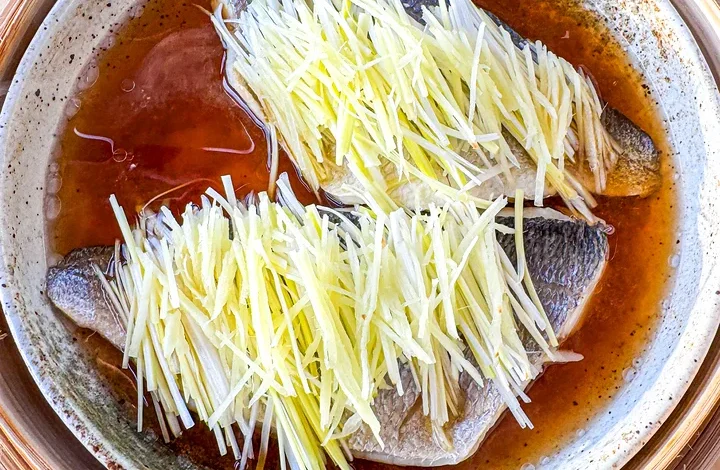
Cantonese Steamed Fish stands as a paragon of traditional Chinese culinary philosophy, where the emphasis lies not on heavy embellishment, but on the inherent purity and delicate sweetness of the ingredients. This dish is a testament to the Cantonese art of balance, harmonizing aroma, texture, and a judicious restraint that allows the natural essence of the fish to take center stage. Far from being an obscure delicacy, Cantonese Steamed Fish is often a cherished centerpiece for significant family gatherings, celebrations, and special occasions within Chinese households. Despite its elegant presentation and restaurant-quality appeal, the preparation is surprisingly straightforward, requiring only a select few ingredients and precise timing to achieve perfection. While this recipe focuses on the traditional method of steaming a whole fish, it is readily adaptable for fish fillets, offering flexibility for home cooks. The classic pairing of fresh ginger and scallions is pivotal, providing an invigorating aroma that enhances, rather than overpowers, the fish. For those seeking to master the art of Chinese-style steamed fish, this authentic approach serves as an ideal starting point.
The Essence of Cantonese Steamed Fish
At its core, Cantonese Steamed Fish is a traditional Chinese dish celebrated for its purity and precision in execution. Unlike many other preparations that rely on rich sauces or complex marinades, authentic Cantonese steamed fish employs minimal seasoning and high heat to gently cook the fish to a state of perfect tenderness. The customary practice involves steaming the fish whole, a technique that is emblematic of Chinese steamed whole fish preparation. The indispensable aromatics of ginger and scallions are integral to the process, with a final flourish of hot oil, known as dip yau (黑蜜), designed to release their fragrant oils. The resulting dish is a symphony of clean, aromatic flavors, offering a deeply comforting and satisfying culinary experience.
The methodology behind Cantonese Steamed Fish is deeply rooted in the region’s agricultural and coastal history. For centuries, Cantonese cuisine has prioritized the natural flavors of its ingredients, a philosophy heavily influenced by the availability of fresh produce and seafood. Steaming, as a cooking method, perfectly aligns with this ethos. It is a gentle technique that preserves the delicate texture and moisture of the fish, avoiding the drying or toughening that can occur with other methods like frying or baking. The use of aromatics like ginger and scallions dates back to ancient Chinese medicinal practices, where these ingredients were valued not only for their flavor but also for their perceived health benefits, such as aiding digestion and circulation. The dip yau technique, a dramatic and aromatic finish, is a signature element that elevates the dish from simple to sublime. The sizzle and steam released when hot oil meets fresh aromatics create an olfactory experience that is as integral to the dish as its taste.

Ingredients: The Foundation of Purity
The beauty of Cantonese Steamed Fish lies in its minimalist ingredient list, which underscores the importance of quality.
For the Fish:

- A whole, fresh fish, such as sea bream, snapper, or barramundi (approximately 1 to 1.5 pounds), scaled, gutted, and cleaned.
- Thinly sliced ginger.
- Julienned scallions (white and green parts separated).
For the Sauce:
- Light soy sauce.
- Shaoxing wine (Chinese cooking wine).
- Sesame oil.
- A pinch of sugar.
- Water or fish stock.
This carefully curated combination forms the balanced base for steamed fish with ginger and scallions, adhering strictly to the traditions of Cantonese-style steamed fish. The choice of fish is crucial; a firm, white-fleshed fish is ideal, as it holds its shape well during steaming and has a subtle flavor that pairs harmoniously with the light seasoning. Freshness is paramount, as the fish’s natural sweetness is the star of the dish. Ginger, with its warming and slightly pungent notes, cuts through any potential fishiness and adds a layer of complexity. Scallions, particularly the green parts, offer a fresh, oniony aroma. The sauce, while simple, is designed to complement, not mask, the fish. Light soy sauce provides umami without being overly salty, Shaoxing wine adds depth and a subtle fruity note, sesame oil contributes a nutty aroma, and a touch of sugar balances the flavors.

Mastering the Technique: A Step-by-Step Guide
The preparation of Cantonese Steamed Fish, while straightforward, requires attention to detail and precise timing to achieve optimal results.
Preparing the Fish for Steaming
The initial step involves meticulously preparing the fish. This includes removing any remaining fins, scales, and internal organs if not already done. If using a whole fish, it’s often beneficial to make shallow incisions, or score, the flesh on the skin side. These scores allow heat to penetrate more evenly, ensuring the fish cooks through uniformly and also helps the aromatics to infuse the flesh. For fillets, scoring is generally not necessary unless they are particularly thick. The goal is to create a surface that will cook quickly and evenly.

Prepping the Aromatics
Concurrent with fish preparation, the aromatics are readied. Leeks, often used interchangeably or in addition to scallions, are finely julienned, as is the fresh ginger. These slivers of ginger and leek are typically set aside, ready to be placed on the fish just before or after steaming. Simultaneously, it is essential to bring the water in your steamer to a rolling boil. A vigorous boil ensures that the steaming process is efficient, producing a consistent and high temperature necessary for properly cooking the delicate fish.
Crafting the Harmonious Sauce
The sauce, a critical component of the dish, is prepared by combining all its ingredients in a small saucepan. This mixture is brought to a boil and then immediately removed from the heat. Allowing the sauce to cool slightly before pouring it over the fish is a vital step, particularly for achieving easy Cantonese steamed fish without the risk of overcooking the delicate flesh. The residual heat in the sauce, combined with the steaming process, is sufficient to meld the flavors without denaturing the fish proteins too aggressively.

The Gentle Art of Steaming
Once the fish is prepared and the sauce is ready, the steaming process begins. The cleaned and scored fish is carefully placed on a heatproof plate that is suitable for steaming. The slightly cooled sauce is then generously poured over the fish. The plate is then placed into the preheated steamer. The fish should be steamed over high heat for approximately 5 to 6 minutes. The exact steaming time will vary depending on the size and thickness of the fish. The key is to steam it just until the flesh is opaque and flakes easily with a fork, ensuring it remains moist and tender. Overcooking is the most common pitfall, leading to a dry and less enjoyable texture.
The Fiery Finale: The Hot Oil Finish (Dip Yau)
The dramatic and aromatic conclusion to the dish is the dip yau, or hot oil finish. While the fish is steaming, a small saucepan is used to heat a generous amount of cooking oil until it is smoking hot. This high temperature is crucial for releasing the volatile aromatic compounds from the ginger and scallions. Once the fish is perfectly steamed, it is carefully removed from the steamer. The julienned leeks and ginger are then generously scattered over the hot fish. Immediately, the smoking hot oil is carefully and dramatically poured over the aromatics. This action causes them to sizzle and release their intense fragrance, which is infused into the fish and the surrounding sauce. The sound and aroma of this final step are a sensory delight, signaling that the dish is ready to be enjoyed.

Tips for Culinary Excellence
To elevate your Cantonese Steamed Fish from good to exceptional, consider these valuable tips:
- Fish Selection is Paramount: Always opt for the freshest fish available. A vibrant appearance, clear eyes, and a fresh scent are indicators of quality.
- Even Thickness for Fillets: If using fillets, aim for pieces of similar thickness to ensure even cooking.
- Don’t Overcrowd the Steamer: Ensure there is adequate space for steam to circulate freely around the fish. This prevents uneven cooking.
- Master the Steaming Time: The cooking time is crucial. It’s better to slightly undercook and return to the steamer for a minute than to overcook. The flesh should be just opaque and moist.
- Quality of Soy Sauce: Use a good quality light soy sauce; it makes a noticeable difference in the final flavor profile.
- Freshness of Aromatics: Ensure your ginger and scallions are fresh for the most vibrant flavor and aroma.
- Hot Oil is Key: The oil must be smoking hot to properly activate the ginger and scallions. Exercise caution when handling hot oil.
These subtle yet significant details are what differentiate an average rendition from truly authentic Cantonese Steamed Fish. The focus on fresh ingredients, precise technique, and the final aromatic flourish creates a dish that is both simple and profound.

Frequently Asked Questions
Can I use fillets instead of whole fish?
Absolutely. While steaming a whole fish is the traditional and visually striking method, fish fillets are a convenient and equally delicious alternative. They tend to cook faster, so adjust your steaming time accordingly. The core principles of gentle steaming and aromatic infusion remain the same.
Is this dish difficult for beginners?
Not at all. This recipe is designed to be accessible, making it an easy Cantonese steamed fish to master for beginners. The key is to focus on fresh ingredients and precise timing, particularly during the steaming phase.

Why pour hot oil at the end?
The hot oil finish, dip yau, is a critical step in traditional Chinese steamed fish. When poured over the fresh ginger and scallions, the extreme heat causes them to sizzle and release their aromatic oils. This process intensifies their fragrance and infuses the delicate fish with a burst of flavor and aroma, a signature element of authentic Cantonese steamed fish.
Serving Suggestions for a Complete Meal
Cantonese Steamed Fish is best enjoyed with simple accompaniments that do not compete with its delicate flavors. Steamed white rice is a classic pairing, providing a neutral base to soak up the delicious sauce. Lightly blanched or stir-fried green vegetables, such as bok choy, gai lan (Chinese broccoli), or Napa cabbage, offer a fresh counterpoint. It is advisable to avoid heavy or strongly flavored side dishes that could overpower the subtle nuances of the fish.

An often-overlooked but highly recommended serving suggestion involves utilizing any leftover sauce. If there is any sauce remaining on the serving plate after the fish has been eaten, it is a culinary treasure. Simply cook some thin rice vermicelli noodles and toss them with this flavorful sauce. The absorbed essence of the fish, ginger, scallions, and soy sauce creates an incredibly delicious and satisfying noodle dish. For a more complete meal, a light soup, such as a simple egg drop soup, makes an excellent accompaniment, further enhancing the overall dining experience without overwhelming the palate.
Conclusion: The Enduring Appeal of Simplicity
This Cantonese Steamed Fish recipe stands as a powerful demonstration of how simplicity, when executed with care and precision, can yield extraordinary results. By employing the gentle art of steaming and embracing the classic aromatics of ginger and scallions, home cooks can recreate a timeless Chinese dish that is clean, elegant, and profoundly satisfying. The enduring appeal of Cantonese cuisine lies in its ability to celebrate the inherent quality of its ingredients, and Cantonese Steamed Fish is perhaps its most eloquent expression of this philosophy. It is a dish that speaks volumes through its quiet elegance, offering a taste of tradition and a reminder that sometimes, the most exquisite flavors are found in the simplest preparations.