The Global Resurgence of Banoffee Pie and the Evolution of Shared Culinary Traditions in the Modern Home

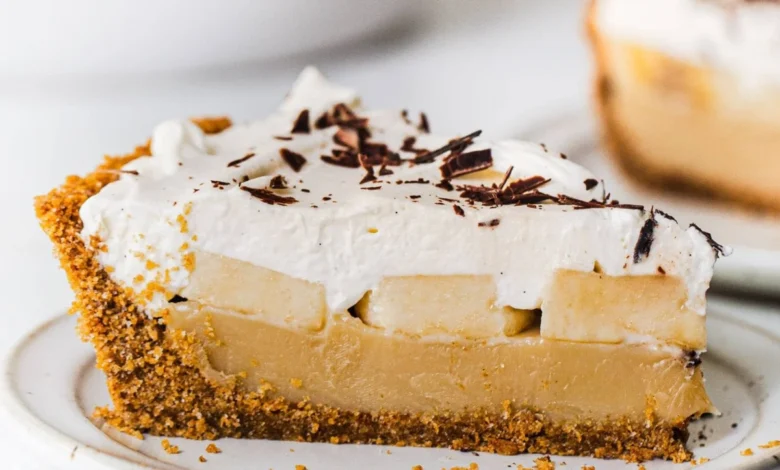
The culinary landscape of the 21st century has seen a significant shift toward the revival of classic comfort foods, with Banoffee Pie emerging as a primary example of how traditional desserts are being adapted for contemporary audiences. Characterized by its distinct layers of salty-sweet graham cracker crust, silky caramel toffee filling, fresh sliced bananas, and a generous topping of whipped cream, this British staple has transcended its regional origins to become a global sensation. In recent years, the dish has gained renewed traction through digital platforms and community-driven initiatives like "Family Dessert Night," a concept that emphasizes the role of shared meals in fostering social cohesion and building community.
The Historical Genesis of Banoffee Pie
To understand the current popularity of Banoffee Pie, one must look back to its inception in the early 1970s. The dessert was invented in 1971 by Nigel Mackenzie, the proprietor of The Hungry Monk Restaurant in Jevington, East Sussex, and his chef, Ian Dowding. The duo was attempting to improve upon an unreliable American recipe for "Blum’s Coffee Toffee Pie." After several failed attempts to perfect the texture of the toffee, Mackenzie suggested adding bananas to the mix. The result was an immediate success, and the name "Banoffee"—a portmanteau of "banana" and "toffee"—was coined.
Originally, the recipe utilized a shortcrust pastry, though modern iterations, particularly in North America, have largely transitioned to a graham cracker or digestive biscuit base for added texture and ease of preparation. The restaurant’s legacy lived on through the dessert; even after The Hungry Monk closed its doors in 2012, the "Banoffee" name had already entered the English lexicon, eventually appearing in the Oxford English Dictionary.

The Anatomy of a Modern Banoffee Pie
The enduring appeal of Banoffee Pie lies in its complex interplay of textures and flavors. Culinary experts categorize the dessert as a "refrigerator pie," meaning it requires little to no baking after the crust is set, making it an accessible entry point for home bakers.
The Foundation: Graham Cracker Crust
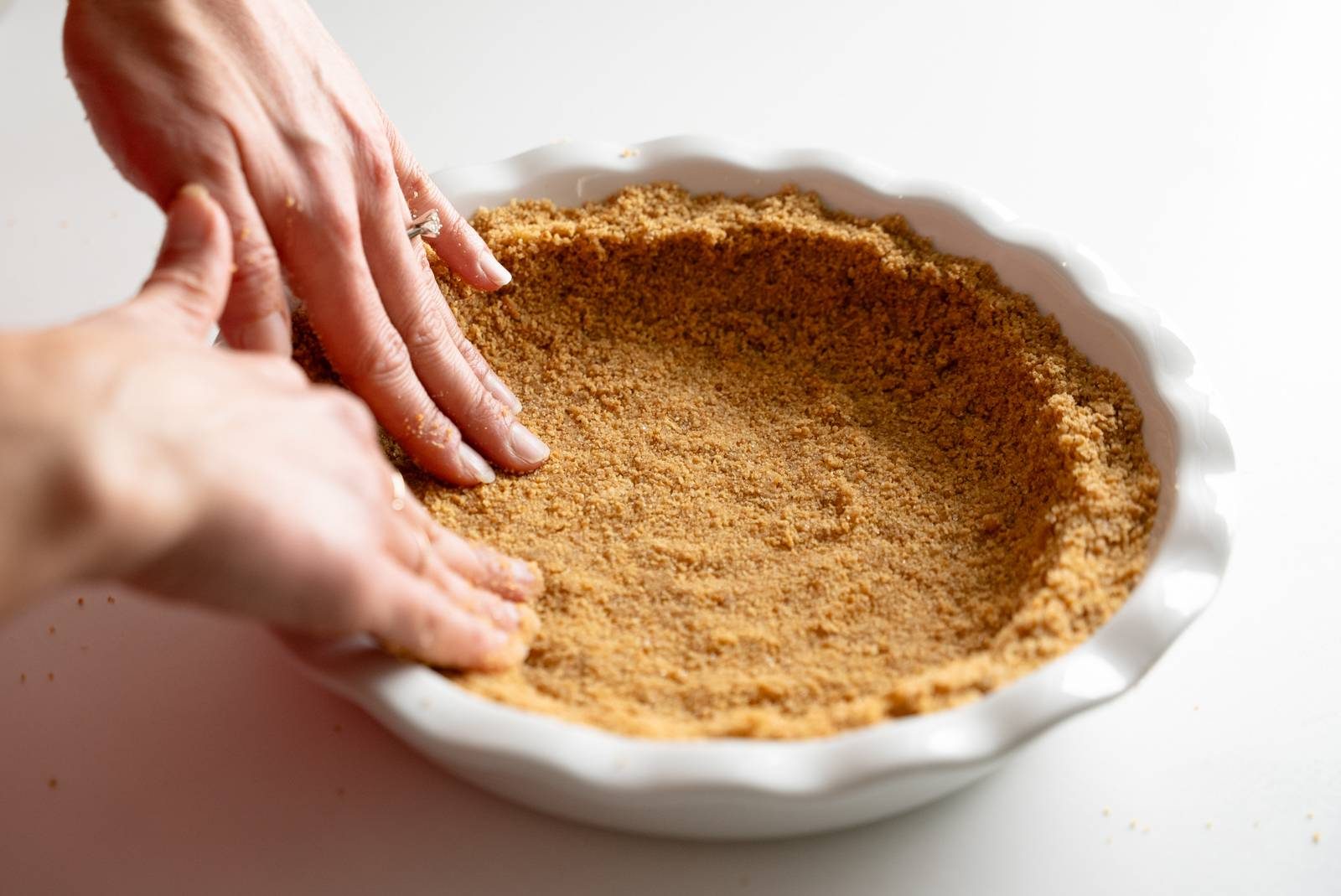
While the original British recipe called for a traditional pastry, the modern adaptation favors a crust made of crushed graham crackers or digestive biscuits bound together with melted butter and a hint of salt. This layer provides a structural foundation that balances the sweetness of the upper layers. The "salty-sweet" profile of the crust is essential, as it prevents the dessert from becoming cloying.
The Heart: The Toffee Layer
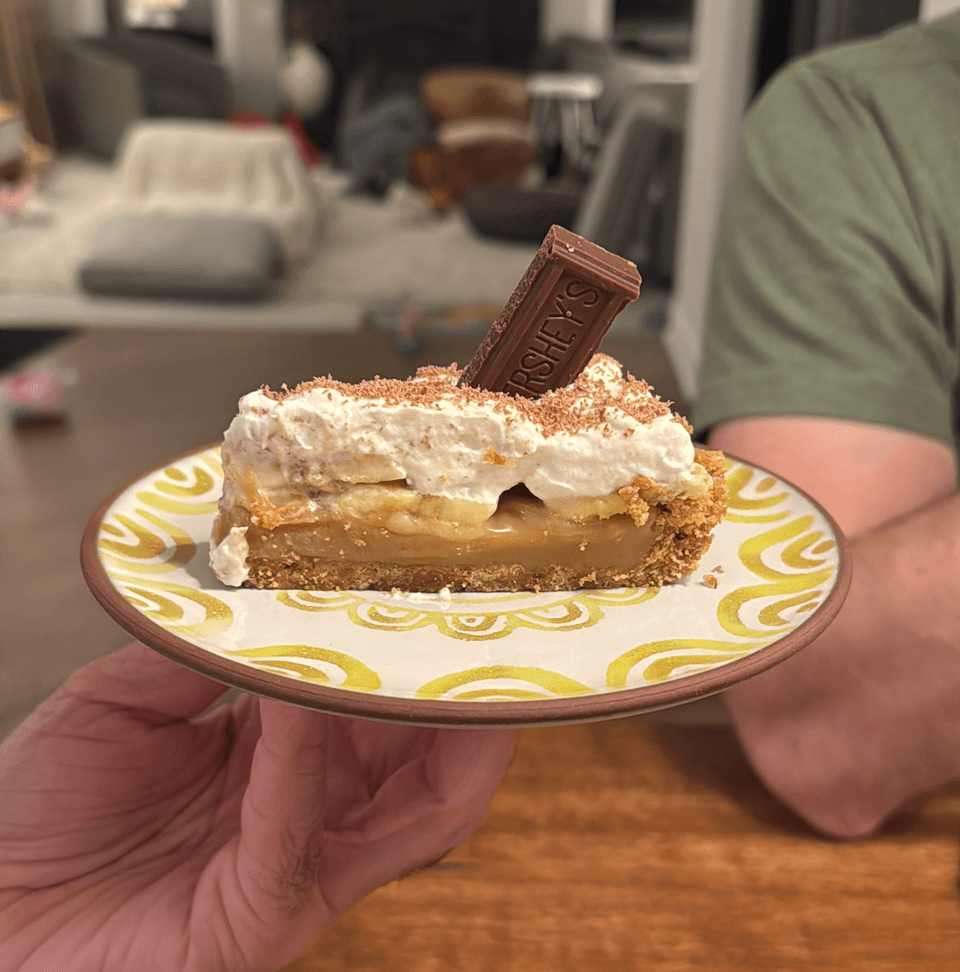
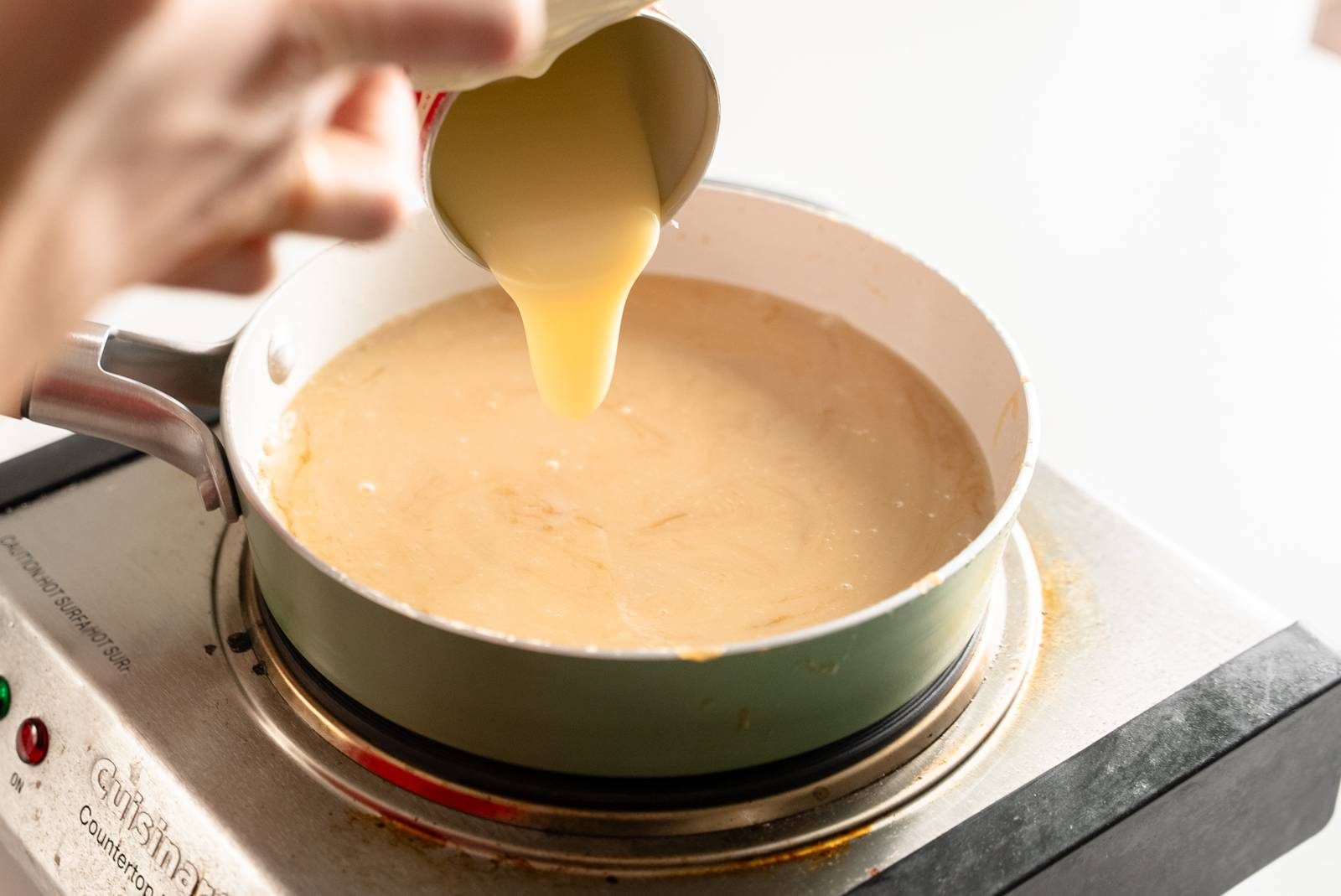
The defining feature of the pie is the toffee or caramel-like filling. Traditionally, this is achieved through the slow-cooking of sweetened condensed milk. In artisanal preparations, this process involves a "low and slow" approach on the stovetop, where butter and brown sugar are melted and combined with condensed milk. The chemical reaction—primarily the Maillard reaction—transforms the pale milk into a rich, amber-hued dulce de leche. Achieving the correct consistency is vital; the toffee must be firm enough to hold its shape when sliced but soft enough to provide a "silky" mouthfeel.
The Fruit and Topping: Bananas and Cream
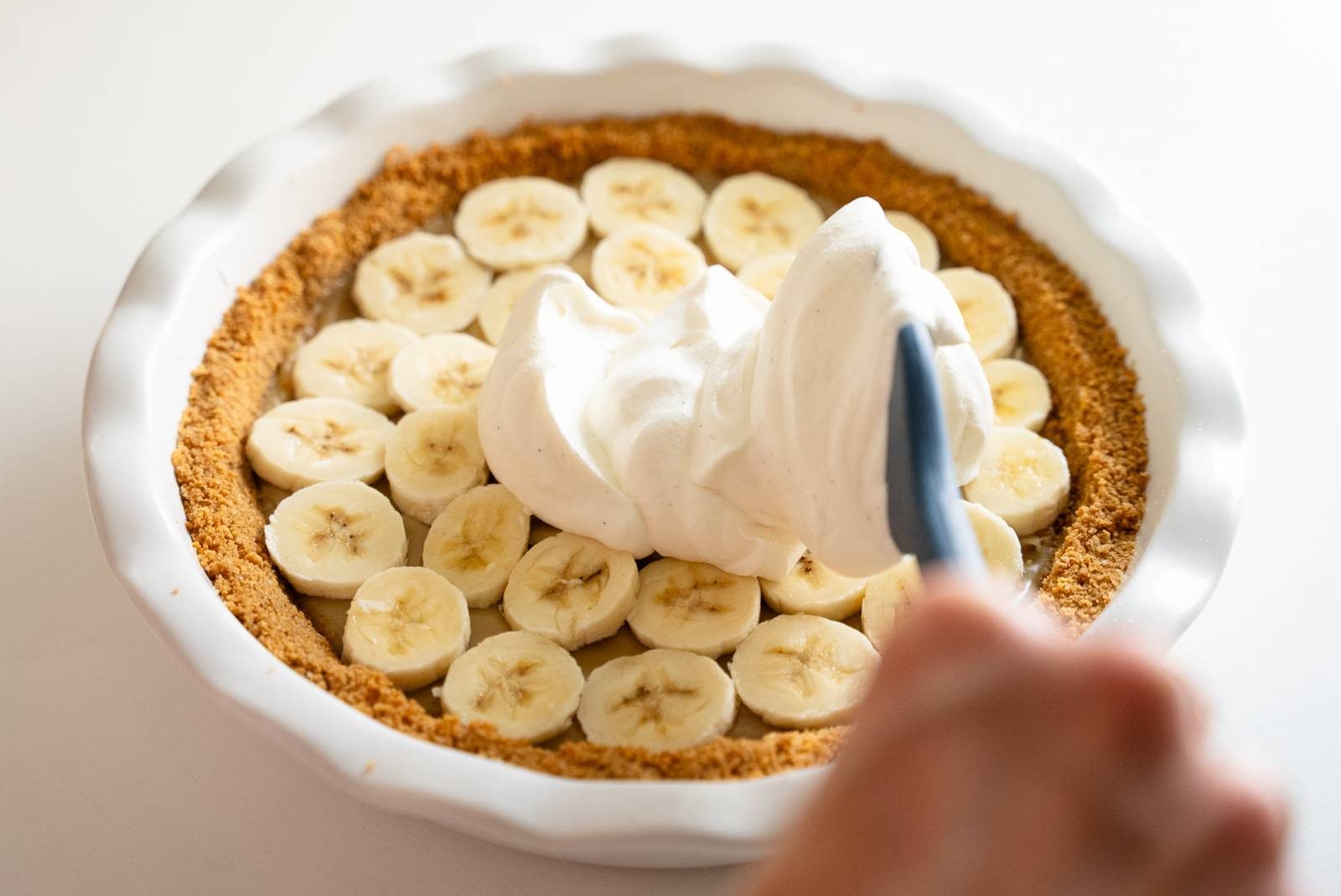
The addition of fresh bananas introduces a necessary acidity and floral sweetness that cuts through the richness of the toffee. Finally, the dish is crowned with unsweetened or lightly sweetened whipped cream. This top layer acts as a palate cleanser, providing a light, airy contrast to the dense toffee and crunchy crust.

The "Family Dessert Night" Phenomenon
The recent surge in Banoffee Pie’s popularity can be attributed, in part, to the rise of ritualistic domestic activities. The concept of a "Family Dessert Night"—a scheduled weekly event where a specific dessert is prepared and shared—has become a tool for modern families to reclaim time in an increasingly digital and fast-paced world.
According to social observers, these rituals serve multiple functions. First, they provide a consistent point of connection for family members. Second, they act as an invitation for community building. By designating a specific night for dessert, households are more likely to invite neighbors or friends over, using the "shared love of dessert" as a low-pressure social lubricant. Banoffee Pie has emerged as a "clear winner" in these settings due to its high "richness" factor, which encourages small, shared portions and conversation.
Technical Execution and Culinary Challenges
Despite its reputation as an "easy" dessert, the successful execution of a Banoffee Pie requires attention to detail and a specific timeline. Professional bakers and home enthusiasts alike note that the toffee layer is the most volatile component. If cooked too quickly, the sugar can burn, leading to bitter "browned bits." While some consider these flecks a sign of artisanal quality, maintaining a smooth texture is the standard goal.
The following chronology is often recommended for optimal results:
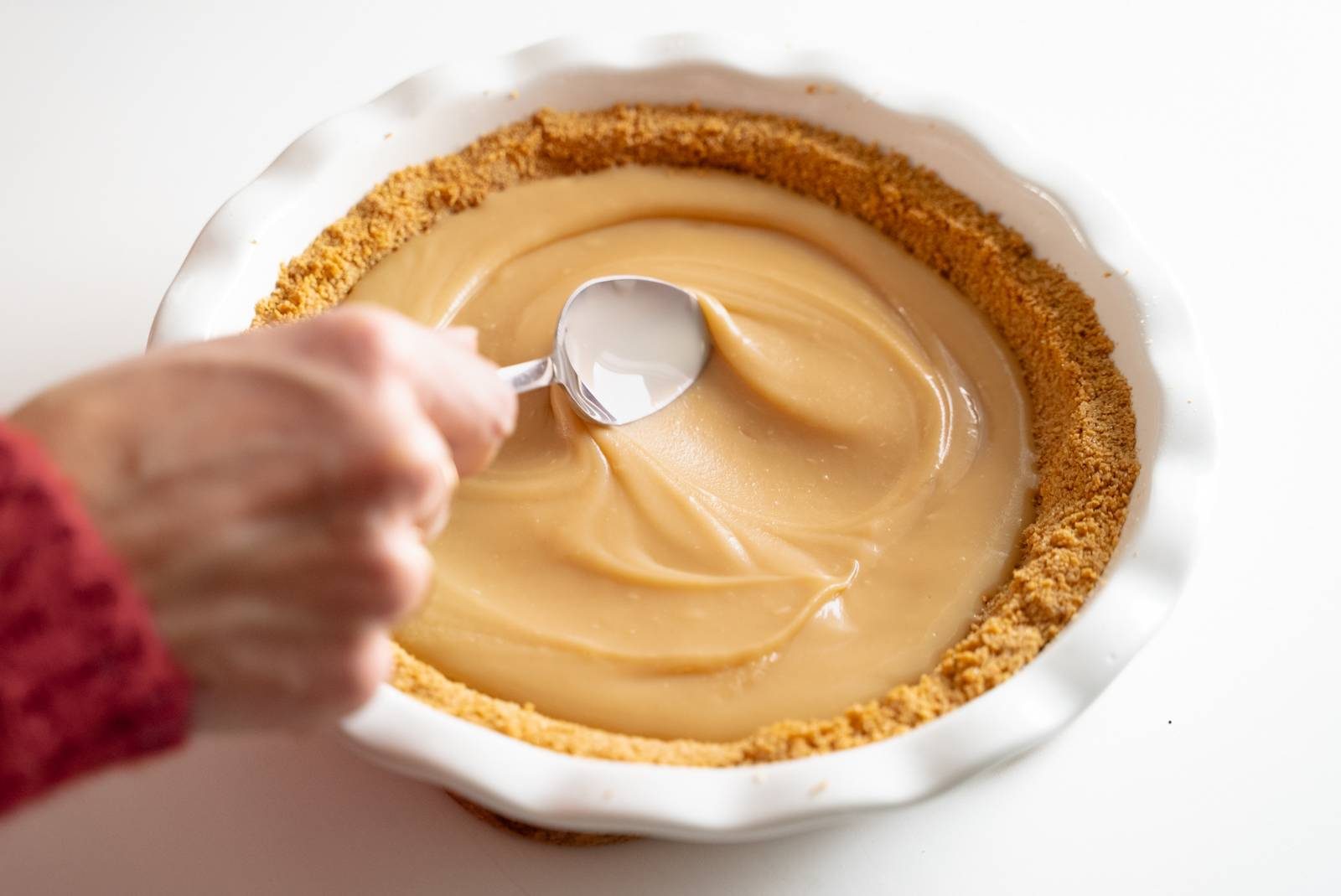
- Preparation of the Crust: The graham cracker base must be pressed firmly and chilled or briefly baked to ensure it does not crumble under the weight of the toffee.
- The Toffee Synthesis: This requires constant stirring over low heat. Once the toffee reaches the desired thickness, it must be poured into the cooled crust and allowed to set.
- The Chilling Phase: The pie requires a significant cooling period—often several hours or overnight—to ensure the toffee reaches the correct structural integrity.
- Assembly: Bananas and whipped cream are added immediately before serving. This is a critical step, as bananas are prone to oxidation (browning) and whipped cream can release moisture over time, potentially softening the crust.
Market Trends and Consumer Behavior
The broader impact of the Banoffee Pie trend reflects larger shifts in the food and beverage industry. There is a growing consumer preference for "deconstructed" or "layered" desserts that offer multiple sensory experiences in a single bite. Furthermore, the "no-bake" aspect of many Banoffee recipes aligns with the increasing demand for high-quality, "semi-homemade" meals that do not require professional-grade kitchen equipment.
Data from social media platforms indicates that visual appeal plays a significant role in the dessert’s spread. The distinct layers—dark brown crust, golden toffee, white cream, and yellow fruit—make the pie highly "Instagrammable." This visual marketing, driven by influencers and food bloggers, has introduced the British classic to younger demographics in the United States and Asia who may not have been familiar with the original Hungry Monk recipe.
Nutritional Analysis and the "Indulgence" Factor
From a nutritional standpoint, Banoffee Pie is unapologetically dense. It is high in fats and sugars, which is why culinary experts advise serving "one small slice at a time." However, in the context of modern dietary trends, the pie fits into the "balanced indulgence" category. Rather than consuming processed sweets daily, consumers are increasingly opting for high-quality, homemade treats on a less frequent basis. The rich nature of the pie makes it a self-limiting dessert; the intensity of the flavor profile often satisfies the palate more quickly than lighter, airier confections.
Broader Implications for Culinary Community Building
The story of Banoffee Pie in the modern era is more than just a recipe; it is a case study in how food serves as a bridge between the past and the present. By taking a 50-year-old British recipe and integrating it into modern social structures like "Family Dessert Night," contemporary cooks are preserving culinary history while adapting it to current social needs.
The "community challenge" aspect of sharing these recipes online—where thousands of people make the same dish in the same week—creates a "virtual table." This global participation reduces the isolation often felt in modern urban environments and reinforces the idea that food is a universal language. As people revisit their fridges for "just one more bite" of Banoffee Pie, they are participating in a tradition that began in a small English village and has now found a home in kitchens across the globe.
Conclusion
Banoffee Pie remains a titan of the dessert world because it hits every essential note: it is salty, sweet, crunchy, and creamy. Its transition from a restaurant specialty in East Sussex to a staple of international "Family Dessert Nights" highlights the power of simple ingredients when combined with care and shared with intention. As the culinary world continues to evolve, the reliance on such "clear winners" suggests that while tastes may change, the human desire for rich, comforting, and communal food experiences remains constant. Whether topped with a piece of chocolate or served in its purest form, Banoffee Pie is a testament to the enduring legacy of thoughtful dessert craftsmanship.