The Enduring Legacy of Tempe Bacem: A Deep Dive into Javanese Culinary Tradition and Global Appeal

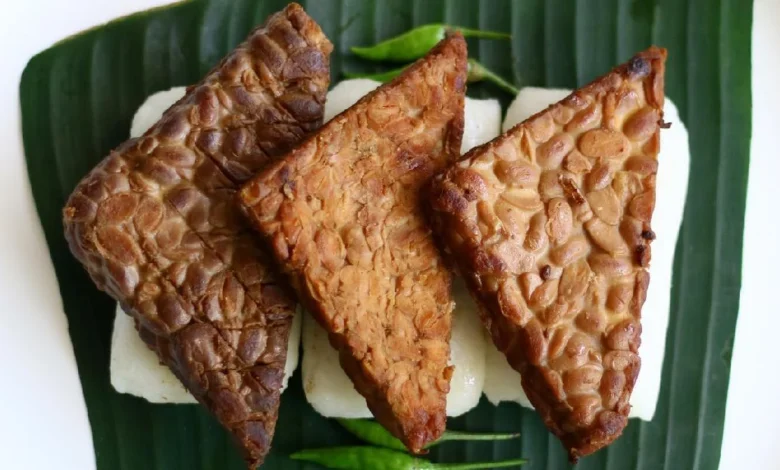
Jakarta – Tempe bacem stands as a quintessential Javanese delicacy, revered for its distinctive sweet and savory flavor profile. This traditional dish, deeply embedded in Indonesian culinary heritage, involves a meticulous braising process where tempe is slow-cooked in a rich blend of spices, prominently featuring coriander and Javanese palm sugar (gula Jawa), before being briefly fried to perfection. Far more than a mere side dish, tempe bacem embodies a significant cultural narrative, reflecting centuries of Javanese gastronomic artistry and the ingenious utilization of local ingredients. Its versatility allows it to be enjoyed as a robust accompaniment to various meals or as a delightful snack, often paired with traditional sticky rice cakes (jadah ketan).
The preparation of tempe bacem is deceptively simple yet requires an understanding of traditional Javanese cooking principles. The core technique involves "ungkep," a braising method where ingredients are simmered in a seasoned liquid until the flavors are thoroughly absorbed and the liquid largely reduces. While some variations might call for coconut water to impart a richer taste, the fundamental recipe demonstrates that even plain water, when combined with the precise blend of spices, yields an equally delicious and deeply flavorful result. This emphasis on flavor penetration and tenderization through slow cooking is a hallmark of baceman dishes, which also commonly include tofu, chicken, and even hard-boiled eggs. The addition of aromatic spices during the ungkep process is crucial, elevating the dish from simple seasoned tempe to a complex symphony of tastes and aromas, culminating in a final brief fry that caramelizes the exterior and enhances its inherent savoriness.
The Cultural Tapestry of Javanese Baceman
Baceman is not just a cooking method; it is a culinary philosophy deeply rooted in Javanese culture. The term "bacem" refers to a process of marinating and slow-cooking ingredients in a sweet-savory broth, typically characterized by the liberal use of palm sugar, tamarind, and a specific array of spices. This technique is believed to have evolved from the need for food preservation in pre-refrigeration eras, where the sugar and spices acted as natural preservatives, extending the shelf life of perishable items like tempe and tofu. Beyond practicality, the baceman method developed into an art form, creating dishes that are tender, flavorful, and profoundly satisfying.
Historically, Javanese cuisine is known for its preference for sweet and mild flavors, a characteristic that is vividly expressed in bacem dishes. The abundant availability of palm sugar, derived from the sap of coconut or aren palm trees, played a significant role in shaping this taste profile. Coriander, another staple spice in Indonesian cooking, contributes an earthy, citrusy aroma that complements the sweetness of the palm sugar and the umami of the tempe. The combination of these core ingredients, along with garlic, shallots, galangal, and bay leaves, creates a complex flavor base that is both comforting and distinctive.
The widespread popularity of baceman dishes across Java underscores their cultural significance. They are commonly found in warungs (small, family-owned eateries), street food stalls, and traditional markets, serving as everyday staples for families. Moreover, baceman often features prominently in special occasions and traditional feasts, signifying hospitality and a connection to ancestral culinary practices. The act of preparing bacem, particularly in rural settings, often involves communal effort, further reinforcing its role in social cohesion and the preservation of shared heritage.
Tempe: A Nutritional Powerhouse with Ancient Roots
At the heart of tempe bacem lies tempe itself, a fermented soybean product that has been a dietary cornerstone in Indonesia, particularly Java, for centuries. Its origins are traced back to the island of Java, with historical records suggesting its existence as early as the 17th century. Tempe is created through a natural fermentation process involving the fungus Rhizopus oligosporus, which binds dehulled soybeans into a compact, cake-like form. This fermentation not only enhances the digestibility of soybeans but also significantly boosts their nutritional value.
From a nutritional standpoint, tempe is lauded as a superfood. It is an excellent source of plant-based protein, making it an invaluable food item for vegetarians, vegans, and those seeking to reduce meat consumption. A typical 100-gram serving of tempe contains approximately 19 grams of protein, comparable to many meat sources, and is rich in dietary fiber, which aids digestion and promotes gut health. The fermentation process also makes tempe a good source of prebiotics, fostering a healthy gut microbiome. Furthermore, tempe provides essential vitamins and minerals, including B vitamins (notably B12 in some fermented varieties), iron, magnesium, phosphorus, and zinc. Its low saturated fat content and cholesterol-free nature contribute to its heart-healthy profile.
The economic implications of tempe production in Indonesia are substantial. It is predominantly produced by small and medium-sized enterprises (SMEs), serving as a vital source of income and employment for countless families across the archipelago. The relatively simple production process and low cost of raw materials make tempe an accessible and affordable protein source for the general population, playing a crucial role in food security. The traditional methods of tempe making, often passed down through generations, highlight a sustainable approach to food production that has stood the test of time.
In recent decades, tempe has transcended its regional origins to gain global recognition. Its versatility, nutritional density, and status as a whole-food plant-based protein have made it a popular ingredient in health-conscious cuisines worldwide. From vegan burgers and stir-fries to salads and stews, chefs and home cooks globally are incorporating tempe into diverse dishes, testament to its adaptability and growing appeal as a sustainable and healthy food option. This international acclaim further solidifies tempe’s position not just as an Indonesian staple, but as a significant player in the global food landscape.
The Art of Crafting Tempe Bacem: A Detailed Culinary Exposition
The successful creation of tempe bacem hinges on understanding the interplay of its core ingredients and the nuanced application of the ungkep method. Each component plays a vital role in achieving the dish’s signature sweet, savory, and aromatic profile.
Selection of Tempe: The foundation of a great tempe bacem is fresh, high-quality tempe. Ideal tempe should be firm, white, with visible mycelium (the white fungal growth) binding the soybeans tightly, and free from any dark spots or sour odors. While traditionally made from pure soybeans, some varieties might include other beans or grains, but for bacem, pure soybean tempe is often preferred for its texture and ability to absorb flavors. Slicing the tempe into thick, uniform pieces (typically 1-2 cm) ensures even cooking and absorption of the braising liquid.
The Sweetening Agent: Gula Jawa (Palm Sugar): Gula Jawa, or Javanese palm sugar, is indispensable. Unlike refined white sugar, gula Jawa offers a complex caramel-like sweetness with earthy undertones, contributing depth and a rich brown hue to the bacem. Its distinct flavor profile is crucial for the authentic taste. The amount used directly influences the sweetness level, which is a defining characteristic of the dish.
The Aromatic Backbone: Coriander and Other Spices: Ground coriander (ketumbar) is the primary spice, lending its earthy, slightly citrusy, and warm notes. This spice harmonizes beautifully with the sweetness of palm sugar. Complementing the coriander are other essential aromatics:
- Garlic and Shallots: Provide foundational savory notes.
- Galangal (Lengkuas): Adds a pungent, slightly piney, and citrusy aroma.
- Bay Leaves (Daun Salam): Impart a subtle, herbaceous, and slightly floral fragrance.
- Tamarind (Asam Jawa): Often included to provide a delicate tang that balances the sweetness of the palm sugar, preventing the dish from becoming cloyingly sweet and adding a layer of complexity.
- Salt: Essential for seasoning and balancing all the flavors, bringing them into harmony.
The Ungkep (Braising) Process: This is the soul of tempe bacem. The ungkep involves simmering the tempe in a mixture of water (or coconut water, for richer flavor), palm sugar, tamarind, and the ground spice paste until the liquid is almost entirely absorbed. The slow, gentle heat allows the tempe to thoroughly absorb the complex flavors of the braising liquid while tenderizing its texture. The duration of ungkep is critical; it should be long enough for the tempe to become deeply flavorful and slightly darker in color, indicating the caramelization of sugars and absorption of spices. While the original article notes that plain water suffices, the choice of liquid can subtly alter the final profile; coconut water will yield a slightly creamier, richer taste, whereas plain water allows the core spice flavors to shine more prominently.
The Finishing Fry: After the ungkep, the tempe pieces are briefly fried in hot oil. This final step is not merely for reheating; it serves several crucial purposes:
- Caramelization: The heat of the oil further caramelizes the sugars on the surface of the tempe, creating a slightly crisp exterior and intensifying the sweet-savory notes.
- Texture: It gives the tempe bacem a pleasant textural contrast – tender and moist on the inside, with a slightly firmer, glazed exterior.
- Flavor Enhancement: The frying process locks in the flavors and adds a subtle roasted aroma, making the dish even more appealing.
The frying should be quick, just until the tempe turns golden brown, to avoid over-drying it.
Expert Perspectives and Broader Implications
Culinary historians frequently highlight tempe bacem as a prime example of Javanese culinary philosophy, which emphasizes balance (sweet, savory, sour) and the art of slow cooking to extract maximum flavor from humble ingredients. They often point to its enduring popularity as a testament to its perfect harmony of taste and texture, making it a beloved comfort food across generations. The dish represents a deep connection to the land and its bounty, transforming simple soybeans into a culinary masterpiece through traditional techniques.
Nutrition experts consistently underscore the significant health benefits of incorporating tempe into one’s diet. As a complete protein source, it is invaluable for muscle repair and growth, while its high fiber content contributes to digestive health and satiety. The prebiotics formed during fermentation are beneficial for gut microbiota, which is increasingly recognized for its role in overall well-being and immunity. For communities in Indonesia and beyond, tempe offers an affordable and sustainable means of addressing protein and nutrient deficiencies, aligning with global efforts towards healthier and more sustainable food systems.
The broader implications of dishes like tempe bacem extend beyond the plate. Economically, the continued demand for tempe supports a vast network of local producers, contributing to rural economies and preserving traditional craftsmanship. Culturally, tempe bacem, along with other Indonesian culinary treasures, serves as a powerful form of cultural diplomacy, introducing the rich tapestry of Indonesian flavors to an international audience. As the world increasingly seeks out plant-based and sustainable food options, tempe bacem is poised to play an even more prominent role, showcasing the ingenuity of traditional foodways and their relevance in modern global cuisine. Its adaptability also means it can be integrated into various dietary preferences, further cementing its future as a global culinary staple.
In conclusion, tempe bacem is more than just a recipe; it is a culinary narrative that intertwines history, culture, and nutrition. From its origins as a staple in Javanese households to its current status as a recognized superfood, this sweet and savory delicacy embodies the essence of Indonesian gastronomic heritage. Its simple yet profound preparation method, rooted in the ungkep technique and the harmonious blend of palm sugar and spices, yields a dish that is deeply flavorful, incredibly versatile, and profoundly satisfying. As tempe continues to gain global recognition for its health benefits and versatility, tempe bacem stands as a proud ambassador of Javanese culinary artistry, a timeless classic that continues to nourish and delight.