
Flourless Chocolate Cake I

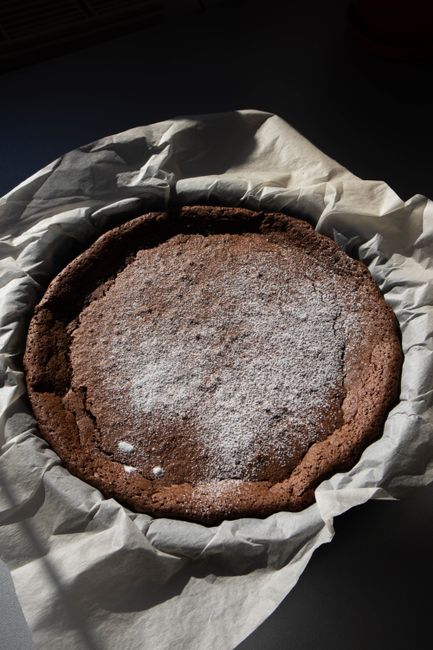
Flourless Chocolate Cake: A Deep Dive into Richness, Texture, and Culinary Science
The allure of flourless chocolate cake lies in its profound intensity and deceptively simple nature. Stripped of gluten-binding flour, this dessert relies on the fundamental interplay of chocolate, eggs, and sugar to achieve its signature dense, fudgy texture and unadulterated cocoa flavor. This article explores the science behind its construction, the nuances of its ingredients, and the diverse approaches to achieving perfection, offering insights for home bakers and culinary enthusiasts alike. Understanding the role of each component is paramount to mastering this decadent treat. The absence of flour means that the structural integrity of the cake is entirely dependent on the aeration and coagulation of eggs, the emulsifying properties of fat, and the crystallization of sugar. This creates a unique challenge and opportunity for flavor development and textural complexity.
The foundational elements of flourless chocolate cake are surprisingly few, yet their quality and preparation are critical. The star, of course, is the chocolate. A high-quality dark chocolate, typically with a cocoa content between 60% and 75%, is essential. This range provides a balance between intense bitterness and a pleasant sweetness, allowing the complex cocoa notes to shine through. Milk chocolate, with its higher sugar and milk solids content, will result in a cloyingly sweet and less intensely chocolatey cake. White chocolate, lacking cocoa solids entirely, is unsuitable for a true flourless chocolate cake. The type of dark chocolate also matters; single-origin chocolates can impart subtle fruit, floral, or earthy undertones, adding another layer of sophistication. The fat content of the chocolate, dictated by the cocoa butter, contributes to the cake’s richness and melt-in-your-mouth quality. When melting chocolate, it’s crucial to do so gently, either over a double boiler or in short bursts in the microwave, to prevent scorching, which can irrevocably damage its delicate flavor and texture. Scorched chocolate develops a bitter, acrid taste and can become grainy.
Eggs play a pivotal role, serving as both a binder and an aerator. The typical approach involves separating the eggs, whipping the yolks with sugar to create a rich, emulsified base, and whipping the whites to a stiff peak to incorporate air. This dual-egg strategy is key to achieving the cake’s characteristic dense yet slightly airy crumb. The lecithin in egg yolks acts as an emulsifier, helping to bind the fat from the chocolate and butter (if used) with the water-based ingredients, creating a smooth and cohesive batter. The proteins in egg whites, when whipped, denature and form a stable foam. This trapped air expands during baking, providing lift and contributing to a lighter texture than would be possible with just whole eggs. Over-whipping the egg whites can lead to a dry, crumbly cake, while under-whipping will result in insufficient lift. The temperature of the eggs also influences their whipping capacity; room-temperature eggs whip more easily and achieve greater volume.
Sugar not only provides sweetness but also contributes to texture and moisture retention. Granulated sugar is common, but brown sugar can add a subtle caramel note and enhance the moistness due to its molasses content. The sugar is typically creamed with the egg yolks, a process that incorporates air and dissolves the sugar crystals, preventing a gritty texture. During baking, sugar caramelizes, contributing to the cake’s browning and flavor complexity. It also plays a role in tenderizing the cake by interfering with gluten development (though irrelevant in this case) and by attracting and holding onto moisture, thus preventing the cake from becoming dry and crumbly. The precise ratio of sugar to chocolate and eggs dictates the final sweetness and texture.
Fat, most commonly butter, contributes to the richness, tenderness, and mouthfeel of the flourless chocolate cake. Unsalted butter is preferred to control the overall saltiness of the final product. The fat in butter coats the protein molecules in the eggs, hindering excessive coagulation and resulting in a more tender crumb. It also carries and amplifies the chocolate flavor, enhancing the overall sensory experience. Some recipes may opt for oil, which can result in a moister cake, but butter typically offers a superior flavor profile. The quality of the butter, particularly its fat content, can also influence the outcome. Higher-fat butters generally yield a richer result.
A touch of salt is indispensable, even in a chocolate dessert. Salt acts as a flavor enhancer, balancing the sweetness and intensifying the chocolate notes. A pinch of flaky sea salt sprinkled on top just before serving can provide delightful bursts of salinity that cut through the richness. Vanilla extract is another common addition, complementing the chocolate and adding a layer of aromatic complexity.
The baking process for flourless chocolate cake requires careful attention. Due to its inherent richness and lack of flour to absorb moisture, it is prone to overbaking. The cake is typically baked in a water bath (bain-marie), which provides gentle, even heat, preventing the edges from cooking too quickly and the center from drying out. The water bath creates a humid environment, further promoting a moist and tender texture. The cake is generally baked at a moderate temperature, around 325-350°F (160-175°C), until the edges are set and the center is still slightly soft and fudgy. A toothpick inserted into the center should come out with moist crumbs attached, not completely clean. Overbaking will result in a dry, crumbly, and less decadent cake. The cooling process is also crucial. Allowing the cake to cool in the pan on a wire rack, and then chilling it in the refrigerator, allows the structure to set fully and the flavors to meld.
Variations on the classic flourless chocolate cake abound, each offering a unique twist. Some recipes incorporate cocoa powder in addition to melted chocolate, deepening the chocolate flavor and adding a slightly drier, fudgier texture. The type of cocoa powder – natural or Dutch-processed – can also impact the flavor and color. Dutch-processed cocoa, treated with an alkali, is less acidic and yields a darker, milder chocolate flavor. Espresso powder or a shot of espresso added to the batter can intensify the chocolate flavor without adding a discernible coffee taste. Liqueurs, such as rum, brandy, or Grand Marnier, can be added for an adult twist and to enhance the complexity of the chocolate. Citrus zest, like orange or lemon, can provide a bright counterpoint to the richness. Nuts, such as finely ground almonds or hazelnuts, can be incorporated for added texture and flavor, though this veers slightly away from the purest definition of "flourless."
The science of texture in flourless chocolate cake is fascinating. The dense, almost ganache-like interior is a result of the high ratio of fat (from chocolate and butter) to solids. The proteins in the eggs coagulate, creating a network that holds the cake together. The absence of gluten means there is no elastic structure to create a chewy or airy crumb; instead, the texture is defined by its fudginess, its melt-in-your-mouth quality, and its inherent richness. The sugar crystals, when dissolved properly, contribute to a smooth mouthfeel, while any undissolved crystals can lead to a gritty texture. The careful balance of ingredients and precise baking technique are what allow this seemingly simple combination to achieve such a luxurious and satisfying texture.
SEO considerations for this article revolve around several key terms and concepts. "Flourless chocolate cake" is the primary keyword. Related terms include "chocolate dessert," "gluten-free cake," "rich chocolate cake," "fudgy chocolate cake," "decadent dessert," and "easy chocolate cake" (depending on the recipe’s complexity). The article’s depth and detailed exploration of ingredients and techniques will naturally attract searches related to "how to make flourless chocolate cake," "best flourless chocolate cake recipe," and "tips for flourless chocolate cake." Incorporating technical terms like "emulsifier," "coagulation," "ganache," and "bain-marie" can attract a more informed audience and position the article as an authoritative resource. The use of descriptive language, such as "intense," "unadulterated," "profound," and "luxurious," further enhances its appeal and SEO potential. The structure, with a clear title followed by in-depth content, also aids search engine crawlers in understanding the article’s focus. The detailed breakdown of ingredients and their scientific functions provides ample opportunity for relevant keyword integration without sounding forced. For instance, discussing the role of "egg yolks as emulsifiers" or "egg whites for aeration" naturally incorporates these terms. Mentioning "dark chocolate percentages" and "types of cocoa powder" also adds valuable, searchable information. The inclusion of baking techniques like the "water bath" or "bain-marie" is a crucial aspect that users will search for when troubleshooting or aiming for perfection. Furthermore, the discussion of variations allows for the inclusion of related search terms like "chocolate lava cake" (which shares some similarities) or "chocolate truffle cake," subtly broadening the article’s reach. Ultimately, the goal is to create content that is not only informative and engaging but also easily discoverable by individuals seeking to understand, create, or simply appreciate the magic of flourless chocolate cake. The absence of fluff and direct dive into the subject matter ensures that valuable information is presented upfront, a strategy beneficial for both readers and search engines. The comprehensive nature of the article, covering science, ingredients, and techniques, aims to be a definitive resource, encouraging longer engagement times and backlinks from other culinary sites. This positions it as a cornerstone piece for anyone interested in this specific dessert.


