
Slow Cooker Baby Back Ribs
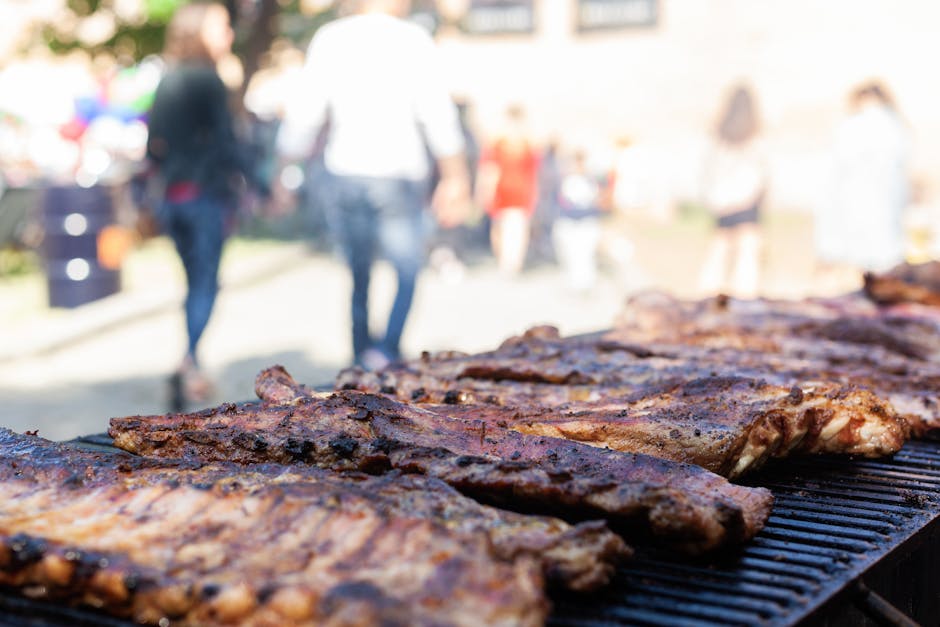
The Ultimate Guide to Foolproof Slow Cooker Baby Back Ribs: Tender, Flavorful, and Effortless Perfection
Achieving succulent, fall-off-the-bone baby back ribs doesn’t require hours of tending a smoker or the precision of oven roasting. The slow cooker, often relegated to stews and roasts, is an unsung hero for rib preparation, delivering consistently delicious results with minimal effort. This comprehensive guide will walk you through every step of creating the ultimate slow cooker baby back ribs, from selecting the best cuts to achieving that perfect glaze, ensuring you can unlock this culinary magic in your own kitchen. We’ll delve into the science behind the slow cooking process for ribs, explore essential seasoning techniques, and provide versatile options for sauces and finishes.
Understanding the Cut: Why Baby Back Ribs Excel in the Slow Cooker
Baby back ribs, also known as pork loin ribs, are a leaner and more tender cut compared to spare ribs. Their name derives from their position on the pig, closer to the spine. This inherent tenderness makes them an ideal candidate for slow cooking. The low and slow environment of the slow cooker gently breaks down the connective tissues within the ribs, transforming tough muscle into melt-in-your-mouth deliciousness. Unlike spare ribs, which have more fat and cartilage, baby backs cook through more evenly and quickly in a slow cooker, preventing them from becoming mushy while still achieving that desirable fork-tender texture. The key to success lies in recognizing their delicate nature and employing techniques that preserve their moisture and flavor. When selecting your ribs, look for racks that have a good amount of meat covering the bones, and ideally, a thin layer of fat on the surface which will baste the meat as it cooks. Avoid ribs that appear overly dry or have significant silver skin (a tough, unappetizing membrane) as this will need to be removed before cooking.
The Essential Pre-Rib Prep: Removing the Membrane and Dry Rub Application
Before your baby back ribs even touch the slow cooker, a crucial step ensures ultimate tenderness and flavor penetration: removing the membrane. This thin, papery layer, also known as the silverskin, is located on the bone side of the ribs. It’s tough, chewy, and will prevent your rub and sauce from reaching the meat effectively. To remove it, slide a thin, dull knife (like a butter knife or a boning knife) under the membrane at one end, creating enough of a flap to grip. Once you have a purchase, use a paper towel to get a firm hold and gently pull the membrane away from the bones. It should peel off in one piece, much like a sticker. If it tears, don’t worry; just repeat the process. Once the membrane is removed, it’s time for the flavor foundation: the dry rub. A well-balanced dry rub is the secret to imparting deep, savory notes into the pork. A classic combination includes brown sugar for sweetness and caramelization, paprika for color and mild smokiness, garlic powder and onion powder for aromatic depth, salt to enhance all flavors, and black pepper for a touch of heat. Feel free to customize this base with cayenne pepper for more spice, chili powder for a Mexican twist, or even a hint of cumin for earthy undertones. Thoroughly coat both sides of the ribs with the dry rub, pressing it gently into the meat. This creates a flavorful crust that will develop beautifully during the slow cooking process.
Slow Cooker Strategies: Layering and Liquid for Optimal Rib Cooking
The slow cooker environment, while efficient, requires a strategic approach for ribs. The primary goal is to create a moist cooking environment without boiling the meat. For baby back ribs, a common and effective method is to arrange them in a single layer, or if necessary, curved around the sides of the slow cooker. Standing them up can allow for more even cooking and better circulation of heat and moisture. The amount of liquid is also critical. Overloading the slow cooker with liquid can lead to boiled rather than braised ribs, resulting in a less desirable texture. A small amount of liquid at the bottom is sufficient to create steam and keep the ribs moist. Options for this liquid include apple cider vinegar for a subtle tang and tenderizing effect, beer for added depth of flavor, or even chicken or beef broth. Some recipes advocate for a minimal amount of liquid, relying more on the moisture inherent in the pork and the tightly sealed lid. A quarter to half a cup of liquid is generally adequate for a standard slow cooker. Ensure the lid is tightly sealed to trap steam and moisture throughout the cooking cycle. Avoid the temptation to lift the lid frequently, as this releases precious heat and steam, prolonging the cooking time.
The Low and Slow Magic: Cooking Times and Temperature Settings
The beauty of the slow cooker lies in its "set it and forget it" convenience. For baby back ribs, the ideal cooking time will depend on your slow cooker’s settings and the thickness of your ribs. Generally, cooking on the "Low" setting for 4 to 6 hours or on the "High" setting for 2.5 to 3.5 hours is recommended. The goal is to achieve a point where the meat is tender and easily pulls away from the bone, but not so soft that it disintegrates. A reliable indicator of doneness is to gently probe the meat between the bones with a fork; it should yield with little resistance. You can also check by gently pulling on a rib bone; if it slides out easily, they are likely done. It’s important to note that slow cooker temperatures can vary, so it’s always a good idea to start checking for doneness around the lower end of the suggested cooking time. Overcooking can lead to a mushy texture, which is less desirable for ribs, even in a slow cooker. The low and slow method allows the collagen to break down gradually, imparting that signature tender, melt-in-your-mouth quality that slow cooker ribs are celebrated for.
The Glaze Transformation: Achieving that Perfect Sticky Finish
While the slow cooker excels at tenderizing, it doesn’t inherently create a sticky, caramelized glaze. This final step is crucial for elevating your slow cooker baby back ribs from good to extraordinary. After the ribs have finished their slow cook and are fork-tender, they are typically removed from the slow cooker and placed on a baking sheet. This is where the magic of the glaze happens. A classic barbecue sauce forms the base for most rib glazes. You can use your favorite store-bought brand or whip up a homemade version. Options range from sweet and tangy Kansas City-style sauces to smoky and spicy Texas-style rubs. To achieve that irresistible sticky texture, the glazed ribs are then broiled or grilled for a few minutes per side. The high heat of the broiler or grill caramelizes the sugars in the sauce, creating a beautiful, lacquered finish and a slightly crispy edge. Watch them closely during this stage, as they can burn quickly. Another popular method for achieving a glaze without broiling is to reduce the cooking liquid from the slow cooker. Remove the ribs, strain the liquid, and simmer it on the stovetop until it thickens into a syrupy glaze. This reduced liquid can then be brushed onto the ribs before a brief period under the broiler or grill. For an even deeper flavor, consider adding ingredients to your glaze like honey, molasses, or a touch of Dijon mustard.
Sauce Variations and Flavor Enhancements: Beyond the Basic BBQ
While barbecue sauce is a perennial favorite, the beauty of slow cooker ribs lies in their versatility. Don’t be afraid to explore different flavor profiles. For a sweet and savory Asian-inspired twist, consider using a glaze made with hoisin sauce, soy sauce, ginger, garlic, and a touch of sriracha. A teriyaki glaze, with its characteristic sweet and salty profile, is also a fantastic option. For a spicier kick, incorporate gochujang or chipotle peppers into your sauce. Another interesting avenue is a Mediterranean-inspired glaze featuring sun-dried tomatoes, olives, and herbs like oregano and rosemary. You can even experiment with fruit-based glazes, using ingredients like apricot preserves or cranberry sauce for a unique sweetness. Beyond the sauce, consider infusing additional flavors directly into the slow cooker. Adding a whole onion, a few cloves of garlic, or even a sprig of fresh rosemary to the liquid can impart subtle yet delicious notes to the pork. For a smoky essence without a smoker, a few drops of liquid smoke can be added to the rub or the sauce. The possibilities are truly endless, allowing you to tailor your slow cooker baby back ribs to your personal preferences and the occasion.
Serving Suggestions and Perfect Pairings for Slow Cooker Ribs
Once your slow cooker baby back ribs have achieved that perfect tender texture and are coated in a glistening glaze, the final step is presentation and pairing. These ribs are a showstopper on their own, but they shine even brighter when complemented by the right accompaniments. Classic barbecue sides are always a winner. Creamy coleslaw offers a refreshing crunch and tang that cuts through the richness of the ribs. Baked beans, whether homemade or doctored-up canned beans, provide a hearty and comforting counterpoint. Corn on the cob, grilled or boiled, adds a touch of sweetness. For something a bit lighter, a fresh green salad with a zesty vinaigrette can be a welcome addition. Potato salad, whether classic creamy or a vinegar-based German style, is another beloved side. If you’re looking for a heartier meal, consider serving your ribs with mashed potatoes or even a side of mac and cheese. For drinks, a cold beer is a traditional and excellent choice, with lager or IPA being particularly good pairings. Lemonade or iced tea offers a non-alcoholic, refreshing option. The goal is to balance the rich, savory flavors of the ribs with sides that offer contrast in texture, temperature, and taste.
Troubleshooting Common Slow Cooker Rib Issues
Even with the best intentions, you might encounter a hiccup. One common issue is ribs that are not tender enough. This usually indicates insufficient cooking time. If your ribs are still tough, simply return them to the slow cooker and continue cooking on low for another hour or two, checking for tenderness periodically. Conversely, ribs that are too mushy have likely been overcooked. While you can’t entirely salvage mushy ribs, they can still be enjoyed. You might consider serving them "pulled pork" style, with the meat shredded and mixed with sauce. Another potential problem is a lack of flavor. This can often be attributed to an inadequate dry rub or insufficient seasoning. Ensure you’re using a generous amount of your chosen rub and pressing it firmly into the meat. If the ribs seem bland even after cooking, consider a more robust sauce or a final seasoning sprinkle of salt and pepper before serving. If your glaze isn’t getting sticky, it might be due to a sauce with a low sugar content or insufficient broiling time. Ensure your sauce has enough sugar (from brown sugar, honey, or molasses) and keep a close eye on the ribs under the broiler to achieve that caramelization without burning. By understanding these common issues and their solutions, you can confidently navigate the slow cooker rib-making process.