Baked Blazing Hot Wings
Baked Blazing Hot Wings: The Ultimate Guide to Crispy, Spicy Perfection
Achieving perfectly blazing hot wings without deep-frying is entirely possible and, for many, a healthier and more convenient option. The key lies in creating a crispy exterior through high-heat baking and then coating them in a robust, flavorful, and decidedly spicy sauce. This comprehensive guide will delve into the nuances of selecting the right chicken parts, mastering the baking technique for optimal crispiness, and crafting a variety of "blazing" sauces that deliver intense heat and complementary flavors. We’ll cover everything from foundational ingredients to advanced flavor profiles, ensuring your baked wings are a consistent triumph, whether for a casual game day or an adventurous culinary experiment.
The foundation of any great wing dish begins with the chicken itself. For baked blazing hot wings, the most common and effective choices are chicken wings and drumettes (also known as wingettes). These cuts inherently possess a good ratio of skin to meat, which is crucial for achieving that desirable crispy texture during baking. When purchasing, look for fresh, plump wings, ideally from a reputable butcher or grocery store. The size can vary, but generally, slightly larger wings will yield a more substantial bite. Some enthusiasts advocate for drying the wings thoroughly before seasoning, a step we will explore in detail when discussing the baking process, as it significantly impacts crispiness. For those seeking a less greasy option, trimming excess fat from the wing tips can be considered, although this is largely a matter of personal preference. Ultimately, the quality of the raw ingredient sets the stage for the final, blazing hot outcome.
The baking process for achieving blazing hot wings is where the magic of crispiness happens. Forget soggy, undercooked wings; our focus is on transforming the skin into a crackling, irresistible shell. The most effective method involves preheating your oven to a high temperature, typically between 400°F and 450°F (200°C to 230°C). This intense heat is critical for rendering the fat in the skin and causing it to crisp up rapidly. Before baking, it is paramount to thoroughly dry the wings. Pat them down meticulously with paper towels, ensuring no surface moisture remains. This step is non-negotiable for achieving that coveted crunch.
Seasoning the wings before baking is another vital element. A simple yet effective dry rub can elevate the flavor profile and contribute to crispiness. Common ingredients include salt, black pepper, garlic powder, and onion powder. For a touch of heat even before the sauce, consider adding cayenne pepper or smoked paprika to the dry rub. Some recipes advocate for a small amount of baking powder, a teaspoon or two per pound of wings, mixed into the dry rub. Baking powder, when exposed to high heat, interacts with the proteins in the chicken skin, promoting browning and crispiness without significantly altering the flavor. This is a popular hack among wing aficionados for achieving restaurant-quality crispiness at home.
Arrange the seasoned wings in a single layer on a baking sheet, ideally lined with parchment paper or a silicone baking mat. Ensure there is ample space between each wing to allow for proper air circulation. Overcrowding will lead to steaming rather than baking, resulting in flabby wings. If your baking sheet is not deep enough, consider using a wire rack placed inside the baking sheet. This elevates the wings, allowing hot air to circulate underneath them, further enhancing crispiness on all sides.
The baking time will vary depending on your oven and the size of your wings, but typically ranges from 35 to 50 minutes. Flip the wings halfway through the cooking process to ensure even browning and crisping. A good indicator of doneness is when the skin is golden brown and appears visibly crispy. Internal temperature should reach 165°F (74°C) for food safety, but for extra crispiness and optimal texture, many aim for an internal temperature closer to 175-180°F (79-82°C). Once baked, remove the wings from the oven and let them rest for a few minutes. This allows the juices to redistribute, resulting in a more tender and flavorful wing.
Now, for the "blazing" part: the sauce. Crafting a truly spicy wing sauce involves a careful balance of heat, flavor, and texture. The foundation of most hot sauces is a base liquid, often vinegar, which provides tang and helps to emulsify the other ingredients. For blazing hot wings, the heat source is paramount. Cayenne peppers, habaneros, Scotch bonnets, ghost peppers, and even Carolina Reapers are all viable options, depending on your desired level of inferno.
A classic buffalo-style blazing hot sauce starts with a base of hot sauce (like Frank’s RedHot) and melted butter. The butter mellows the sharpness of the vinegar and chili and creates a richer mouthfeel. To elevate this to "blazing," we introduce additional heat elements. Finely minced fresh habaneros or Scotch bonnets can be sautéed with garlic and shallots before being incorporated into the butter and hot sauce mixture. Alternatively, using chili flakes of super-hot peppers can provide an intense, lingering burn. For an extra kick, consider adding a touch of pure capsaicin extract, but use this with extreme caution, as it is incredibly potent.
Beyond pure heat, flavor is key to a memorable blazing hot wing. Garlic and onion are almost always present, providing an aromatic backbone. Worcestershire sauce adds umami depth, while a touch of honey or brown sugar can offer a subtle sweetness that contrasts with and complements the heat. Smoked paprika can contribute a smoky undertone, and a pinch of cumin can add a subtle earthy complexity. The consistency of the sauce is also important. It should be thick enough to coat the wings generously without becoming watery. Simmering the sauce for a few minutes after combining the ingredients helps to meld the flavors and thicken it slightly.
To achieve the truly "blazing" effect, the sauce needs to be applied properly. Toss the hot, freshly baked wings immediately in the warm sauce. Ensure each wing is thoroughly coated. For an even more intense experience, some recipes call for a second application of sauce. After the first coating, return the sauced wings to the hot oven for another 5-10 minutes, allowing the sauce to caramelize and adhere even further to the crispy skin. This double-saucing and re-baking method is a guaranteed way to create an explosion of flavor and heat.
Exploring different flavor profiles for blazing hot wings can transform a simple dish into a culinary adventure. While the classic buffalo style is beloved, venturing into other territories can yield spectacular results. Consider a Jamaican-inspired Jerk Blazing Hot Wing. This would involve a marinade and sauce incorporating Scotch bonnet peppers, allspice, thyme, ginger, garlic, and scallions, simmered with a vinegar and soy sauce base. The smoky notes from the allspice are a perfect foil for the intense heat.
Another exciting option is a Korean-inspired Gochujang Blazing Hot Wing. Gochujang, a fermented Korean chili paste, offers a unique blend of spicy, sweet, and savory flavors with a subtle fermented funk. Combine gochujang with rice wine vinegar, honey, soy sauce, garlic, and ginger. For an extra "blazing" element, incorporate some dried Korean chili flakes (gochugaru) or even a diced super-hot pepper into the sauce. Sesame oil and toasted sesame seeds can provide a nutty finish.
For a Mexican twist, think Chipotle-Lime Blazing Hot Wings. Smoked chipotle peppers in adobo sauce provide a deep, smoky heat. Blend these with fresh lime juice, garlic, cilantro, and a touch of agave nectar for sweetness. A sprinkle of Mexican oregano can add an authentic touch. To amp up the heat, consider adding finely minced serrano peppers or even a small amount of habanero.
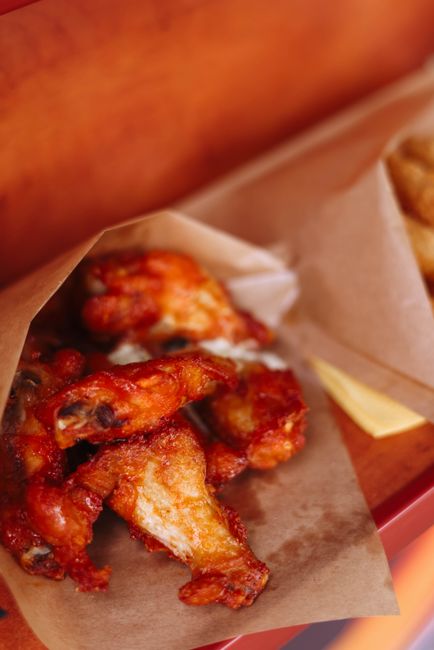
When creating your own blazing hot wing recipes, consider the interplay of heat and other sensory elements. The visual appeal of a well-sauced wing is also important. A vibrant red or deep orange hue from the chili peppers is enticing. The aroma of garlic, spices, and simmering chilies should be intoxicating.
For those who want to push the boundaries of heat, understanding chili pepper Scoville Heat Units (SHU) is beneficial. Bell peppers register 0 SHU, while jalapeños are in the 2,500-8,000 SHU range. Habaneros can reach 100,000-350,000 SHU, and ghost peppers can exceed 1,000,000 SHU. Carolina Reapers, currently the hottest in the world, can surpass 2,000,000 SHU. When working with super-hot peppers, wearing gloves is highly recommended to prevent skin irritation. Ensure good ventilation when cooking with them, as the capsaicin fumes can be irritating to the eyes and respiratory system.
Beyond the primary sauce application, consider complementary garnishes. Fresh cilantro, chopped scallions, or thinly sliced red onions can add a refreshing contrast to the intense heat. A dollop of cooling sour cream or blue cheese dressing is essential for those who find the blazing heat overwhelming, but it also serves to balance the flavors for the true chiliheads.
Storage and reheating of baked blazing hot wings require careful consideration to maintain their quality. If you have leftovers, store them in an airtight container in the refrigerator. To reheat, the oven is the superior method for restoring crispiness. Spread the wings in a single layer on a baking sheet and reheat at a moderate temperature, around 350°F (175°C), until heated through and the skin has regained some of its crispness. Microwaving is generally not recommended, as it tends to make the wings rubbery and less appealing.
In conclusion, the pursuit of perfectly baked blazing hot wings is a rewarding culinary journey. It involves meticulous preparation of the chicken, mastering high-heat baking techniques for ultimate crispiness, and a thoughtful approach to sauce creation that balances intense heat with complex flavors. Whether you stick to the classic buffalo style or venture into globally inspired creations, the key is to embrace the heat and to experiment with ingredients that excite your palate. By understanding the science behind crispiness and the art of flavor layering, you can consistently produce blazing hot wings that are both unforgettable and undeniably delicious, a true testament to the power of fire and flavor.