The Rise of Chilean Cabernet Sauvignon: A Connoisseur’s Guide to South America’s Premier Bordeaux Rival


Chilean Cabernet Sauvignon has firmly established itself as a cornerstone of the global wine market, bridging the gap between Old World viticultural traditions and New World innovation. Long recognized as an ideal refuge for popular Bordeaux-style grape varieties, the South American nation has shifted from producing bulk table wines to crafting complex, full-bodied reds that command international acclaim. This evolution represents a significant milestone in modern winemaking, driven by favorable Mediterranean climates, historical agricultural shifts, and heavy investment from premier European producers.
The Historical Evolution of Chilean Viticulture
The roots of winemaking in Chile extend deep into the colonial era, tracing back to the 16th century when Spanish conquistadors and missionaries first planted grapevines along the rugged hillsides of the region. The primary grape of choice during this foundational period was País, known globally as Listán Prieto. These early vines produced wines that were dense, robust, and heavily tannic, serving essentially as the foundational house wine for the emerging colonial settlements.
For centuries, the Chilean wine industry remained largely insular, focused on domestic consumption and basic styles. However, a major transformation began in the 19th and 20th centuries as local winemakers increasingly looked to France for inspiration, particularly the esteemed wine-growing region of Bordeaux. Producers began importing classic French varietals—including Cabernet Sauvignon, Merlot, Carmenere, and Sauvignon Blanc—and planting them in Chile’s fertile valleys. By the latter half of the 20th century, Chile had built a solid international reputation for delivering fruity, approachable, and competitively priced Cabernet and Merlot.
Despite this historical reputation for accessible, budget-friendly wines, the contemporary landscape of Chilean viticulture is characterized by an aggressive pursuit of quality. In recent decades, world-renowned French wine producers have invested heavily in Chilean terroir, recognizing its unique potential to yield exceptional Cabernet Sauvignon that rivals European benchmarks.
Geographical Advantages and Terroir
Chile’s unique geography creates an exceptionally favorable environment for viticulture, shielding its vineyards from many of the agricultural diseases that plague other wine-producing nations. Hemmed in by the towering Andes Mountains to the east and the cold Pacific Ocean to the current-driven coastline to the west, Chile is essentially a natural agricultural sanctuary.

Within this narrow strip of land, the Mediterranean-style climate provides warm, sun-drenched days paired with cool evening breezes descending from the Andes. This significant diurnal temperature variation allows grapes to achieve optimal phenolic ripeness while retaining essential acidity.
Among Chile’s numerous viticultural zones, the Maipo Valley has emerged as the premier epicenter for Cabernet Sauvignon. Often compared directly to California’s famed Napa Valley, the Maipo Valley benefits from alluvial soils and a warm climate that encourages high sugar accumulation and robust structural tannins. Wines originating from this sub-region are scientifically and sensorially noted for distinct aromatic and flavor profiles, typically featuring prominent notes of black currant, black cherry, fig paste, and baking spices, underpinned by a distinct structural elegance.
Tasting Analysis: The 2016 Cousiño Macul Dama de Plata
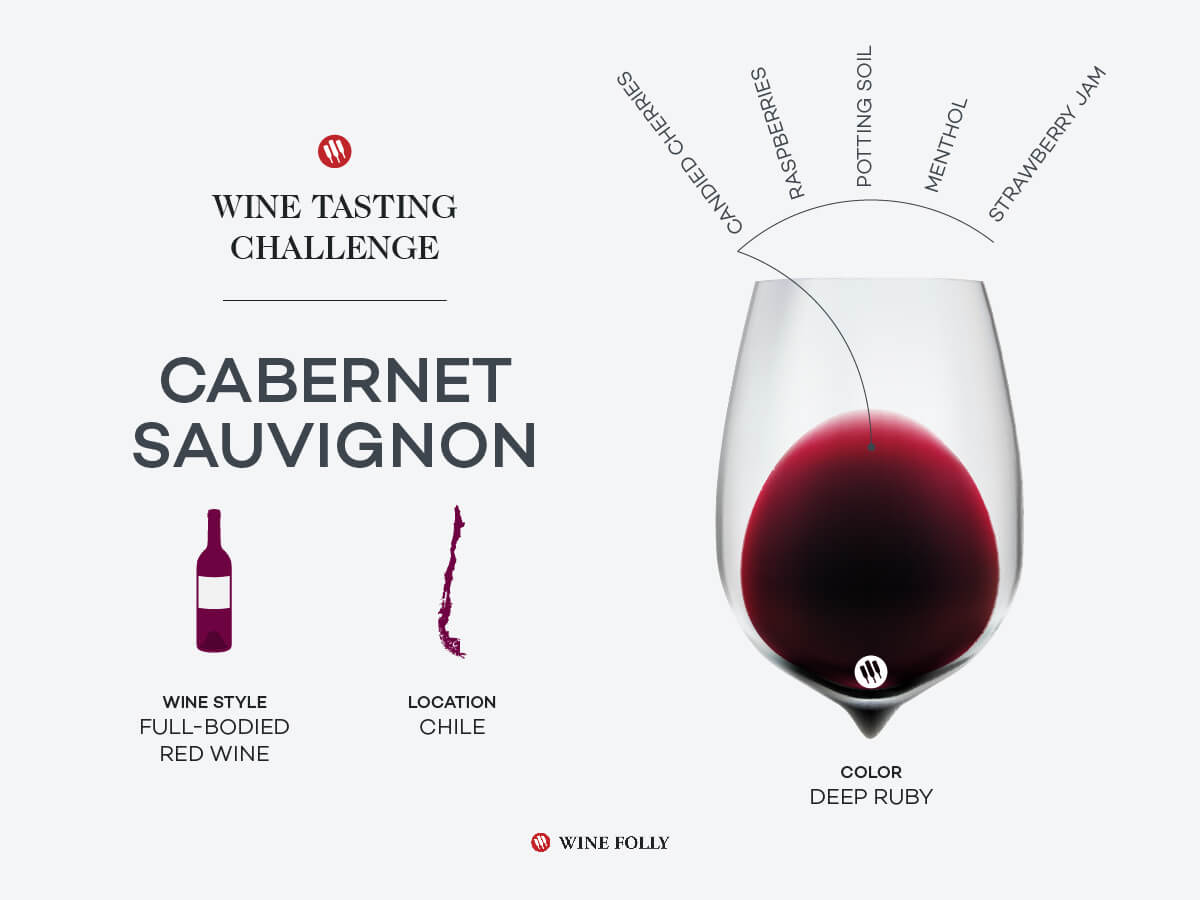
To understand the sensory profile of modern Chilean Cabernet Sauvignon, industry experts frequently evaluate benchmark bottles from historic producers. A prime example is the 2016 Cousiño Macul Dama de Plata, originating from the esteemed Maipo Valley.
Visual analysis of the wine reveals a deep, saturated ruby hue, indicative of its concentration and youth. On the nose, the vintage presents a complex aromatic matrix characterized by candied cherries, raspberries, damp potting soil, subtle menthol, cut wood, and strawberry jam.
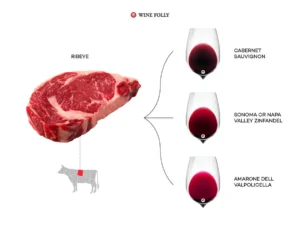
Upon the palate, the wine delivers a full-bodied experience marked by prominent, structured tannins. Secondary tasting notes highlight blackberry, campfire smokiness, integrated oak, and a lingering dark chocolate finish. Industry commentators frequently note its powerful yet balanced profile, making it an ideal culinary companion for rich proteins. Culinary pairings typically recommended for this style of wine include roasted or grilled steak served with mushroom-infused reduction sauces, or robust game dishes that can stand up to the wine’s substantial tannic structure.
Economic and Market Implications
The ascension of Chilean Cabernet Sauvignon carries notable economic implications for the global wine trade. Historically, fine Cabernet Sauvignon commanding high scores and complex flavor profiles was financially prohibitive for casual consumers, largely exclusive to regions like Napa Valley, Bordeaux, and select estates in Tuscany.
Chile’s ability to produce structurally comparable, high-tier red wines at a fraction of the cost has disrupted traditional market segments. Consumer demand has steadily shifted toward South American imports as wine enthusiasts seek out value without compromising on complexity or aging potential.
Industry analysts observe that this value proposition is bolstered by ongoing research and sustainable farming initiatives led by both domestic and foreign winemakers. By mapping soil compositions, optimizing irrigation techniques through Andes-fed meltwater, and utilizing precision viticulture, Chilean producers are consistently elevating the baseline quality of their exports.
Broader Educational Initiatives and the Global Tasting Movement
The growing appreciation for Chilean Cabernet Sauvignon has been supported by broader consumer education initiatives, such as structured tasting challenges designed to expand the palates of everyday wine enthusiasts. Programs that guide participants through dozens of diverse wine regions and varietals over the course of a year have demonstrated a measurable increase in consumer literacy regarding global terroirs.
Experts emphasize that exploring regions outside traditional European strongholds allows consumers to develop a more nuanced understanding of how climate, soil, and human intervention shape the contents of a glass. As global palates continue to mature, the demand for transparently priced, high-quality alternatives from regions like the Maipo Valley is projected to expand.
Ultimately, the trajectory of Chilean Cabernet Sauvignon serves as a testament to the rewards of agricultural adaptation and international collaboration. By leveraging its distinct geographical isolation and Mediterranean climate, Chile has transformed from a producer of simple colonial table wine into a formidable global competitor, securing its permanent place among the world’s premier wine-producing nations.