
Crisp Pickled Green Beans

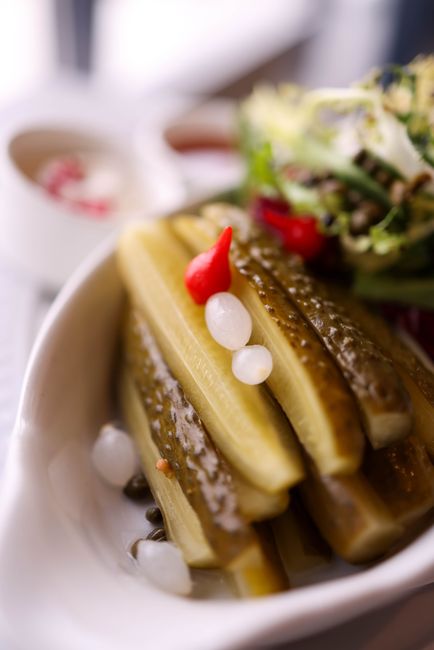
Crisp Pickled Green Beans: A Culinary Essential for Flavor and Preservation
Pickling green beans, a time-honored method of preserving seasonal produce, offers a delightful tangy crunch that elevates numerous dishes. This acidic brining process not only extends the shelf life of fresh green beans but also transforms their flavor profile, introducing a complex interplay of sour, salty, and sometimes spicy notes. The resulting "pickle" is a versatile condiment and ingredient, appreciated for its ability to add zest to appetizers, salads, sandwiches, and even as a standalone snack. Understanding the principles behind successful green bean pickling, from selecting the right beans to achieving that signature crispness, is key to mastering this culinary technique. The process involves careful preparation of the beans, the creation of a potent brine, and controlled fermentation or a hot water bath for preservation. Each step plays a crucial role in the final outcome, determining the texture, flavor, and longevity of the pickled green beans. This article will delve into the intricacies of creating superior crisp pickled green beans, exploring the science, techniques, and creative applications that make them a sought-after item in both home kitchens and gourmet establishments.
The foundation of exceptional pickled green beans lies in the selection of prime quality produce. For optimal crispness, it is imperative to choose fresh, firm, and young green beans. Look for beans that are uniformly sized, slender, and vibrant green. Avoid any beans that appear limp, bruised, or have developed noticeable seeds within the pods, as these characteristics often indicate a less desirable texture and flavor for pickling. The ideal green bean for pickling possesses a good snap when bent, signifying its inherent freshness and cellular integrity. Overly mature beans tend to become soft and unpleasantly mushy during the pickling process, compromising the desired crisp texture. Similarly, beans that have been stored for extended periods will have lost some of their turgor, making them less resilient to the brining. When sourcing green beans, prioritize local farmers’ markets or your own garden for the freshest options. If purchasing from a grocery store, inspect the produce carefully and aim to pickle them within a day or two of purchase for the best results. The variety of green bean can also play a minor role. While most common bush or pole bean varieties are suitable, some gardeners find that certain heirloom varieties might offer a slightly different flavor profile, though the primary focus for crispness remains freshness and proper preparation. Washing the green beans thoroughly is a critical initial step to remove any soil, debris, or pesticide residues. Trimming the stem end is also standard practice, though some prefer to leave a small portion of the stem intact. The blossom end should also be removed. For a uniform presentation and consistent pickling, it is often beneficial to snap or cut the beans into uniform lengths, typically two to three inches. This ensures they fit neatly into jars and that the brine can penetrate them evenly. The process of preparing the beans, from selection to trimming, is a non-negotiable precursor to achieving the perfect pickled product.
The brine is the heart of the pickling process, dictating the flavor, preservation, and crucially, the texture of the green beans. A well-balanced brine not only imbues the beans with its characteristic tang but also creates an environment hostile to spoilage microorganisms, thus preserving the beans. The fundamental components of a pickling brine are water, vinegar, and salt. The ratio of these ingredients is paramount. A common starting point for a basic brine is a 1:1 ratio of water to vinegar, often combined with a specific percentage of salt. White distilled vinegar, with its 5% acidity, is a popular choice for its neutral flavor and consistent acidity, which is vital for safe preservation. Apple cider vinegar offers a slightly fruitier note, while rice vinegar provides a milder tang. The choice of vinegar can subtly influence the final flavor. Salt plays a dual role: it contributes to the flavor and aids in drawing moisture out of the beans, contributing to their crispness. Pickling salt, also known as canning salt, is preferred over table salt because it does not contain anti-caking agents or iodine, which can cloud the brine and impart an undesirable metallic taste. The concentration of salt in the brine is important; too little and the beans may not be adequately preserved or flavorful, while too much can result in an overly salty product. For most green bean pickling recipes, a brine concentration of 1-2% is generally recommended. Beyond these essentials, flavorings are where creativity truly blossoms. Whole peppercorns, dill seeds, mustard seeds, coriander seeds, garlic cloves, bay leaves, and chili flakes are common additions that impart layers of complexity. For those seeking a spicier kick, a generous amount of red pepper flakes or even whole fresh chilies can be incorporated. The acidity of the vinegar and the salt concentration work together to create an environment that inhibits the growth of harmful bacteria while encouraging the proliferation of beneficial lactic acid bacteria, which contribute to the characteristic fermented flavor profile, especially in refrigerator pickles. The precise balance of these elements is what separates a mediocre pickle from an outstanding one, offering a tantalizing flavor that complements a wide range of culinary applications.
Achieving and maintaining the signature crispness in pickled green beans is a culinary science in itself, and it hinges on several critical factors. The primary culprit for limp pickles is the presence of pectinase enzymes, naturally occurring enzymes within vegetables that break down pectin, the structural component that gives vegetables their rigidity. These enzymes are particularly active in overripe or older vegetables. Therefore, as emphasized earlier, starting with the freshest, youngest green beans is the most impactful step. Beyond bean selection, the method of brining plays a crucial role. A strong brine, with sufficient acidity and salt, helps to draw moisture out of the bean cells, effectively firming them up. Some recipes incorporate the use of a calcium chloride-based pickle crispener, which can be added directly to the brine. Calcium ions bind to pectin molecules, strengthening the cell walls and thus enhancing crispness. This is a highly effective, albeit optional, addition for those prioritizing maximum crunch. The temperature of the brine during the pickling process also matters. For quick pickles or refrigerator pickles that rely on a vinegar-based brine and are stored cold, the initial blanching of the beans (a brief dip in boiling water followed by an ice bath) can help to deactivate some of the pectinase enzymes. However, this step is not always necessary for the freshest beans and can, in some cases, lead to a slightly softer texture if overdone. For fermented pickles, where the beans are allowed to ferment at room temperature in a brine of salt and water, the activity of lactic acid bacteria will eventually soften the beans over time. Therefore, fermented green bean pickles are typically best consumed within a few weeks to a month to enjoy their peak crispness. Another technique to consider is ensuring the jars are packed tightly with beans. This minimizes the amount of empty space and ensures the beans are fully submerged in the brine, promoting even pickling and preventing pockets of air that can lead to spoilage and texture degradation. The seal on the jar is also important; a proper seal prevents air from entering, which can lead to oxidation and softening. Ultimately, crispness is a multifaceted achievement, requiring a combination of superior ingredients, a carefully formulated brine, and adherence to proper pickling techniques.
The process of preparing pickled green beans for consumption or storage can be approached through two primary methods: refrigerator pickles and processed pickles (canned or hot water bath). Each method yields a distinct product with varying shelf lives and textures. Refrigerator pickles are the simpler and quicker of the two. They involve preparing the brine, packing the jars with prepared green beans and aromatics, and then pouring the hot brine over them. Once cooled, these pickles are stored in the refrigerator and are typically ready to eat within 24-48 hours, with their flavor continuing to develop over the following weeks. This method is ideal for those who wish to enjoy their pickled green beans relatively soon and don’t require long-term shelf stability. The crispness of refrigerator pickles is often superior due to the lack of prolonged heat exposure that can occur during processing. The main drawback is their limited shelf life, typically lasting a few weeks to a couple of months when properly refrigerated.
Processed pickles, on the other hand, undergo a hot water bath canning process to achieve shelf stability. This method involves packing the prepared green beans and aromatics into sterilized jars, covering them with the hot brine, and then processing them in a boiling water bath for a specific duration, typically 10-15 minutes, depending on altitude. This rigorous heat treatment kills spoilage microorganisms and creates a vacuum seal, allowing the jars to be stored in a cool, dark pantry for extended periods, often a year or more. While this method provides excellent preservation, the intense heat can sometimes lead to a slightly softer texture in the pickled green beans compared to their refrigerator-pickled counterparts. To mitigate this, it’s crucial to follow the crispness-enhancing techniques discussed previously, such as using the freshest beans and a strong brine. Regardless of the method chosen, meticulous attention to sanitation is paramount. Jars, lids, and any utensils that come into contact with the brine or beans must be thoroughly cleaned and, for processing, sterilized to prevent the introduction of unwanted bacteria. Following tested recipes and adhering to recommended processing times and headspace is essential for safe and successful canning.
The versatility of crisp pickled green beans extends far beyond their role as a simple condiment. Their bright, tangy flavor and satisfying crunch make them a valuable addition to a diverse array of culinary creations, adding a welcome textural and gustatory dimension. As an appetizer, they can be served simply on a platter with a side of creamy dip or incorporated into more elaborate antipasto platters alongside cheeses, cured meats, and olives. Their acidity cuts through the richness of these components, creating a balanced and appealing tasting experience. In sandwiches and wraps, pickled green beans offer a refreshing alternative to traditional pickles or other acidic accompaniments. They provide a zesty counterpoint to savory fillings like roast beef, turkey, or even fried chicken, adding a pop of flavor and a delightful crunch. Their use in salads is particularly impactful. Imagine a vibrant potato salad, a hearty pasta salad, or a simple green salad, all significantly enhanced by the addition of chopped pickled green beans. They introduce a bright, sour note that awakens the palate and adds a pleasing textural contrast to softer ingredients. For a more adventurous application, consider their inclusion in Bloody Mary cocktails, where they serve as a savory garnish and an intriguing flavor enhancer. They can also be finely chopped and incorporated into tartar sauces, remoulades, or other cold sauces, lending them a zesty tang. When it comes to entrées, pickled green beans can be served alongside grilled meats, roasted chicken, or fish, offering a palate-cleansing accompaniment. Some chefs even incorporate them into braised dishes or stews, where their acidity can help to tenderize the meat and add a complex flavor profile. The possibilities are extensive, limited only by the imagination of the cook. Their ability to elevate simple dishes into something more sophisticated and memorable underscores their status as a true culinary asset.
Beyond their immediate consumption, the practice of pickling green beans offers significant advantages in terms of food preservation and waste reduction. In regions where green beans are abundant during their peak growing season, pickling provides an effective means to preserve this nutritious vegetable for enjoyment throughout the year, long after its natural season has passed. This practice aligns with principles of sustainable food consumption, reducing reliance on out-of-season produce that may have traveled long distances, incurring a significant carbon footprint. By transforming a surplus of fresh green beans into a shelf-stable delicacy, home cooks and commercial producers alike can minimize food waste, ensuring that valuable produce is not lost. Furthermore, pickling allows for greater control over ingredients. When you pickle your own green beans, you dictate the quality of the produce used and can adjust the brine’s salt and sugar content to suit your dietary preferences. This is particularly beneficial for individuals managing sodium intake or seeking to avoid artificial preservatives and additives commonly found in commercially produced pickles. The process also encourages a deeper connection with food, fostering an understanding of traditional preservation methods and the satisfaction of creating delicious, wholesome food from scratch. The ability to create a pantry staple that is both flavorful and long-lasting is a testament to the enduring wisdom of food preservation techniques.
The nutritional profile of pickled green beans, while altered by the brining process, still retains some inherent benefits of the original vegetable. Fresh green beans are a good source of dietary fiber, essential for digestive health, and contain vitamins such as Vitamin C, Vitamin K, and Vitamin A. They also provide minerals like manganese and potassium. During the pickling process, some water-soluble vitamins may be reduced, particularly if a hot water bath canning method is employed. However, the fibrous content generally remains intact. The addition of salt and vinegar in the brine does increase the sodium and acidity of the final product, respectively. For individuals monitoring their sodium intake, it is advisable to consume pickled green beans in moderation or to seek out low-sodium pickling recipes. The fermentation involved in some pickling methods can also introduce beneficial probiotics, which contribute to gut health. These live bacterial cultures, primarily lactic acid bacteria, are a byproduct of the fermentation process and can enhance the digestibility of the food and contribute to a healthy gut microbiome. While pickled green beans are not a primary source of protein or complex carbohydrates, their role as a nutrient-rich, low-calorie addition to meals makes them a valuable component of a balanced diet when consumed thoughtfully, particularly when considering the added benefits of fiber and potential probiotic content.
In conclusion, crisp pickled green beans represent a masterful intersection of flavor, preservation, and culinary utility. Their preparation demands attention to detail, from the meticulous selection of the freshest green beans to the precise formulation of a robust brine. The pursuit of that sought-after crispness is a testament to understanding the science of vegetable texture and employing effective techniques to counteract enzymatic breakdown. Whether prepared as quick refrigerator pickles or processed for long-term pantry storage, these tangy delights offer a vibrant and versatile addition to any meal. Their ability to elevate salads, sandwiches, appetizers, and even main courses underscores their status as a culinary essential. Furthermore, the practice of pickling promotes sustainable food consumption, minimizes waste, and offers a satisfying connection to traditional food preservation methods. By mastering the art of creating crisp pickled green beans, cooks gain a flavorful, nutrient-conscious, and enduring ingredient that enriches the culinary landscape and celebrates the bounty of the harvest.


