
Farro With Wild Mushrooms

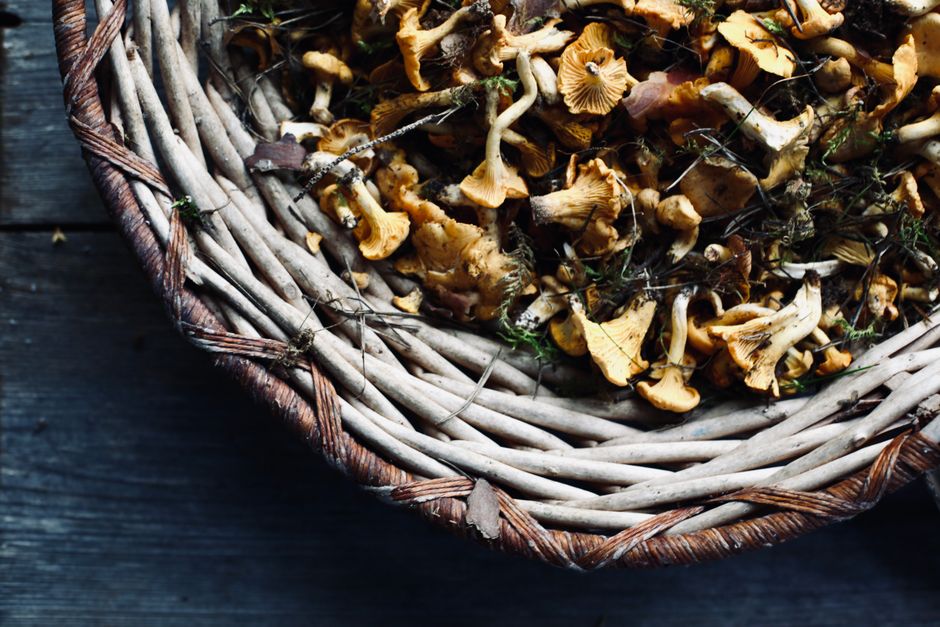
Farro with Wild Mushrooms: A Culinary Exploration of Ancient Grains and Forest Flavors
Farro, an ancient grain with a rich history stretching back millennia, offers a nutty, chewy texture and a robust flavor profile that perfectly complements the earthy, complex notes of wild mushrooms. This dish is more than just a meal; it’s a journey through culinary heritage and the bounty of nature, blending time-tested ingredients into a harmonious and satisfying experience. Understanding the components, their origins, and how they interact is key to unlocking the full potential of farro with wild mushrooms.
The Ancient History and Nutritional Powerhouse of Farro
Farro, also known as emmer wheat, is one of the oldest cultivated grains on Earth, predating modern wheat varieties. Originating in the Fertile Crescent, it was a staple food for ancient civilizations, including the Romans, who prized it for its nutritional density and versatility. There are three main types of farro: farro piccolo (einkorn), farro medio (emmer), and farro grande (spelt). Emmer is the most commonly referred to as "farro" in culinary contexts, particularly in Italy. Its cultivation declined with the rise of more adaptable wheat species, but in recent decades, farro has experienced a significant resurgence in popularity due to its unique culinary attributes and impressive health benefits.
Nutritionally, farro is a powerhouse. It is an excellent source of dietary fiber, which aids digestion, promotes satiety, and helps regulate blood sugar levels. This makes it a valuable addition to diets aimed at weight management and diabetes control. Farro is also rich in protein, providing a substantial plant-based protein source for vegetarians and vegans. Furthermore, it contains essential minerals such as iron, magnesium, zinc, and B vitamins, contributing to overall health and energy production. Its complex carbohydrates provide sustained energy release, making it an ideal fuel for active individuals. Unlike refined grains, farro retains its bran and germ, preserving its nutrient content and offering a more wholesome dietary option.
The Diverse World of Wild Mushrooms: Earthy Delights from Nature’s Pantry
Wild mushrooms, with their myriad shapes, sizes, and flavors, are the perfect partners for farro. Unlike cultivated mushrooms like button or cremini, wild varieties offer a spectrum of taste experiences, from delicate and subtly sweet to intensely savory and umami-rich. The selection of wild mushrooms can significantly impact the final dish. Common and highly sought-after wild mushrooms include:
- Porcini (Boletus edulis): Known for their thick, meaty texture and intensely nutty, earthy flavor, porcini are a prized delicacy. They add a profound depth of flavor to any dish.
- Chanterelles (Cantharellus spp.): These beautiful, trumpet-shaped mushrooms boast a mild, peppery, and slightly fruity aroma. Their texture is often described as delicate and slightly chewy.
- Morels (Morchella spp.): Recognizable by their distinctive honeycomb-like caps, morels have a rich, earthy, and somewhat smoky flavor. They are highly sought after and often command a premium price.
- Shiitake (Lentinula edodes): While often cultivated, shiitake mushrooms also grow wild and possess a strong, smoky, and savory flavor with a chewy texture.
- Oyster mushrooms (Pleurotus spp.): These delicate, fan-shaped mushrooms offer a mild, slightly sweet flavor and a tender texture. They are versatile and absorb flavors well.
- Maitake (Grifola frondosa) / Hen of the Woods: This mushroom has a ruffled, feathery appearance and a rich, woodsy, and slightly peppery taste.
The foraging of wild mushrooms requires considerable expertise and caution due to the presence of poisonous look-alikes. It is always recommended to source wild mushrooms from reputable purveyors or experienced foragers to ensure safety and quality. The unique flavor profiles of different wild mushrooms allow for immense culinary creativity when paired with farro.
The Culinary Synergy: Why Farro and Wild Mushrooms Belong Together
The natural pairing of farro and wild mushrooms is rooted in their complementary textures and flavors. The firm, slightly chewy bite of cooked farro provides a satisfying textural contrast to the tender, sometimes meaty, consistency of cooked mushrooms. Flavor-wise, the nutty, wholesome character of farro acts as a perfect canvas for the earthy, savory, and sometimes pungent notes of wild mushrooms. This synergy creates a deeply satisfying and complex dish that appeals to a wide range of palates.
The cooking process itself contributes to the harmonious union. When farro and wild mushrooms are cooked together, their flavors meld and deepen. The absorption of mushroom juices by the farro infuses it with their earthy essence, while the farro provides a grounding, substantial base that balances the intensity of the mushrooms. This interaction is particularly pronounced when using dried wild mushrooms, which are rehydrated, releasing their concentrated flavor into the cooking liquid, which can then be used to cook the farro, further enhancing the overall taste.
Preparing Farro for Optimal Texture and Flavor
The preparation of farro is straightforward but requires attention to detail to achieve the ideal texture. Like other grains, farro needs to be rinsed thoroughly before cooking to remove any dust or debris. The cooking method will depend on the type of farro. Pearled farro, which has had some of its bran removed, cooks faster and offers a softer texture. Whole farro, with its bran intact, requires a longer cooking time but yields a chewier, more nutritious result.
A common method for cooking farro is to simmer it in a liquid, typically water or broth, until tender but still retaining a slight chewiness. The ratio of liquid to farro is crucial; a general guideline is 1 part farro to 2.5-3 parts liquid, but this can vary. For farro with wild mushrooms, using vegetable or chicken broth instead of water significantly enhances the savory depth of the dish. Adding aromatics like garlic, onion, and herbs to the cooking liquid also imbues the farro with additional layers of flavor from the outset. Cooking farro al dente is essential; overcooked farro can become mushy and lose its appealing chewiness, detracting from the overall textural experience.
Mastering the Art of Cooking Wild Mushrooms
The preparation of wild mushrooms also demands care and attention to unlock their full flavor potential. Thorough cleaning is paramount; depending on the type of mushroom, this might involve gently brushing off dirt with a soft brush or wiping them with a damp cloth. Submerging mushrooms in water can cause them to absorb excess moisture, which can dilute their flavor and lead to a soggy texture.
Sautéing is a popular and effective cooking method for wild mushrooms. High heat and a good amount of fat, such as olive oil or butter, are key to achieving a beautiful sear, which concentrates their flavors and develops a pleasant caramelized crust. Avoid overcrowding the pan, as this will steam the mushrooms rather than sauté them, resulting in a less desirable texture and flavor. Cooking mushrooms in batches ensures they develop a rich, browned exterior. Deglazing the pan with a liquid like white wine, broth, or even a splash of balsamic vinegar after sautéing the mushrooms captures all the flavorful browned bits, adding immense depth to the final dish.
Seasonal Considerations and Sourcing
The availability of wild mushrooms is inherently tied to the seasons and regional climate. Spring and autumn are typically the prime seasons for foraging many popular varieties. Chanterelles often appear in late spring and summer, while porcini and morels have distinct seasons. Morels, in particular, are a highly anticipated spring delicacy.
When preparing farro with wild mushrooms, embracing seasonality enhances both the flavor and the sustainability of the dish. Sourcing locally grown or foraged mushrooms when possible supports local economies and reduces the environmental impact of long-distance transportation. If fresh wild mushrooms are not readily available, high-quality dried wild mushrooms are an excellent substitute. Rehydrating dried mushrooms not only softens them for cooking but also creates a potent mushroom-infused liquid that can be used as a base for cooking the farro, amplifying the mushroom flavor profile significantly.
Flavor Enhancements and Variations: Elevating the Dish
Beyond the core components of farro and wild mushrooms, numerous ingredients can be incorporated to elevate the dish and create delicious variations.
- Aromatics: Garlic and shallots are classic additions that provide a foundational savory flavor. Sautéing them until softened before adding the mushrooms and farro builds complexity.
- Herbs: Fresh herbs like thyme, rosemary, parsley, and chives complement the earthy notes of both farro and mushrooms beautifully. Thyme and rosemary are particularly well-suited for their robust flavors.
- Acidity: A splash of white wine, lemon juice, or balsamic vinegar can brighten the dish and cut through the richness. Deglazing the mushroom pan with white wine is a common technique that adds a layer of acidity and depth.
- Creaminess: For a richer, more decadent version, a swirl of heavy cream, crème fraîche, or even a dollop of mascarpone cheese can be incorporated towards the end of cooking. This transforms the dish into a luxurious meal.
- Umami Boosters: A sprinkle of nutritional yeast can add a cheesy, umami flavor, particularly beneficial for vegan preparations. A touch of soy sauce or tamari can also deepen the savory notes.
- Cheese: Grated Parmesan or Pecorino Romano cheese can be stirred in for a salty, nutty finish. For a vegan alternative, a dairy-free Parmesan-style cheese can be used.
- Vegetables: Roasted or sautéed seasonal vegetables like asparagus, spinach, kale, or Brussels sprouts can be added to provide additional texture, color, and nutrients.
- Nuts and Seeds: Toasted pine nuts, walnuts, or pumpkin seeds can add a delightful crunch and a subtle nutty flavor.
Creating a cohesive and delicious farro with wild mushrooms dish involves thoughtfully layering these flavors and textures. The goal is to create a balance where the earthy essence of the mushrooms and the wholesome character of the farro are enhanced, not overshadowed.
Serving Suggestions and Pairings
Farro with wild mushrooms is a versatile dish that can be served as a substantial vegetarian or vegan main course, a flavorful side dish, or even a hearty salad when served at room temperature.
As a main course, it offers a satisfying and nutrient-dense option. Its earthy and savory profile makes it a perfect accompaniment to roasted meats, poultry, or fish. Consider pairing it with pan-seared chicken breast, roasted salmon, or grilled pork tenderloin.
When served as a side dish, it adds a sophisticated touch to a meal. Its robust flavors can stand up to richer main courses. It also works exceptionally well alongside a simple green salad for a balanced and complete meal.
For a lighter option, a chilled farro with wild mushroom salad is delightful. Incorporate fresh herbs, a light vinaigrette, and perhaps some roasted vegetables for a refreshing and flavorful dish.
Wine pairings can enhance the dining experience. For a dish rich in earthy flavors, consider a medium-bodied red wine such as a Pinot Noir, a Sangiovese, or a Barbera. These wines have enough acidity and fruitiness to complement the mushrooms without overpowering them. Alternatively, a dry white wine like a Chardonnay or a Viognier can also work well, especially if cream or lighter mushrooms are used.
The SEO Value of "Farro with Wild Mushrooms"
The search term "farro with wild mushrooms" is a culinary query that appeals to food enthusiasts, home cooks, and individuals interested in healthy eating and ancient grains. Optimizing content around this keyword involves providing comprehensive information that addresses various aspects of the dish, including its history, nutritional benefits, preparation methods, ingredient variations, and serving suggestions.
Incorporating related keywords and phrases such as "ancient grains recipe," "mushroom risotto alternative," "healthy vegetarian main course," "foraged mushroom recipes," "emmer wheat benefits," and specific mushroom types (e.g., "porcini mushroom farro") further enhances the SEO reach. High-quality images, clear instructions, and engaging content that answers user intent—such as "how to cook farro," "best wild mushrooms for cooking," or "farro and mushroom flavor combinations"—will drive organic traffic and establish the article as a valuable resource. The depth and breadth of information presented in this comprehensive exploration of farro with wild mushrooms aim to capture a wide audience searching for this specific culinary combination.


