The Evolution of the Breakfast Casserole
The concept of the "baked" French toast, or pain perdu casserole, represents a significant evolution in breakfast preparation. While traditional pan-fried French toast requires constant individual attention, the casserole format shifts the labor intensity to the previous evening. This transition is not merely a matter of preference but a strategic approach to time management.
Historically, French toast—slices of bread soaked in a mixture of eggs, milk, and spices—was a method for utilizing stale bread. By soaking the bread in a custard base, home cooks could reclaim the texture of loaves that had passed their peak freshness. The casserole adaptation takes this utilitarian principle and elevates it to a communal, oven-ready dish. The shift from individual stovetop slices to a uniform, oven-baked format allows for greater control over texture and moisture content, addressing the primary complaint associated with traditional preparations: inconsistent heat distribution and the risk of burning.
Technical Parameters for Optimal Texture
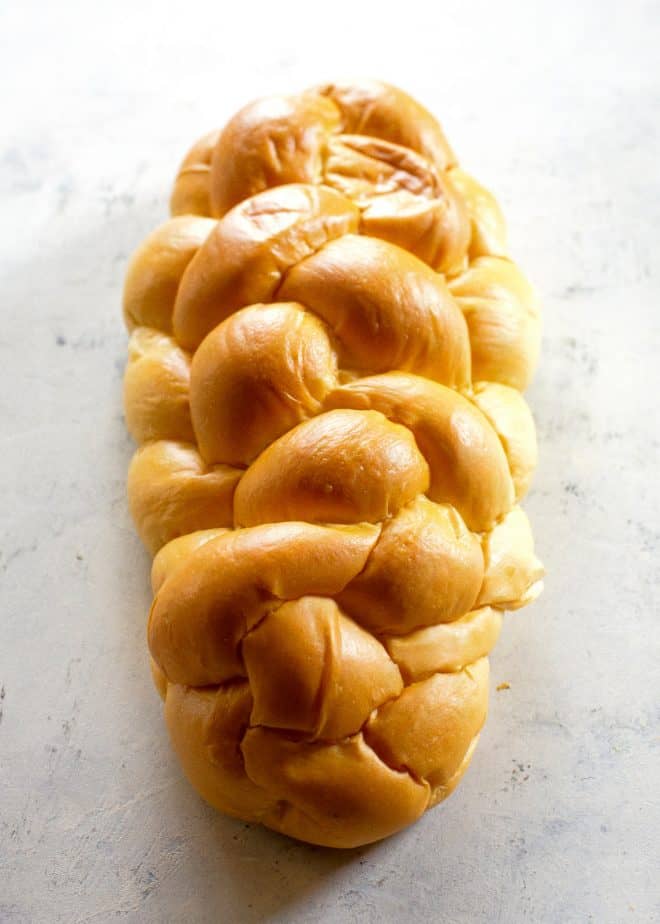
Achieving the ideal consistency in an overnight casserole requires an understanding of the relationship between bread structure and custard absorption. The choice of bread is the most critical factor in the final outcome. Challah, a braided, egg-enriched Jewish bread, is widely considered the gold standard for this dish. Its high egg and oil content provide a sturdy crumb that resists turning into a gelatinous mush during the overnight soaking period.
Alternative options include Brioche, which offers a similar buttery profile, or French bread, which provides a more neutral, firm structure. Sourdough bread introduces a complex flavor profile, cutting through the sweetness of the custard with its natural acidity.
From a culinary science perspective, the soaking time acts as a hydration process. When bread is submerged in the egg-milk-sugar emulsion, it undergoes a phase of osmotic absorption. Allowing this to occur over four to twelve hours ensures that the liquid permeates the entire cross-section of the bread, not just the surface. This creates a uniform "custard" effect throughout the entire bake, resulting in a dish that is creamy on the interior and caramelized on the exterior.
Chronology of Preparation and Service
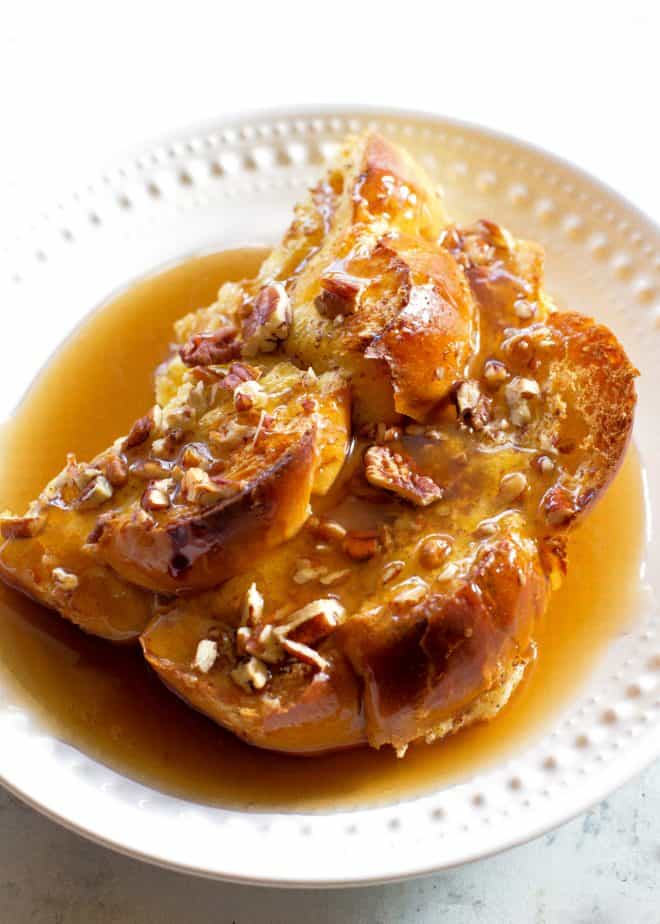
The logistical efficiency of the Overnight French Toast Casserole is defined by a distinct two-phase process.
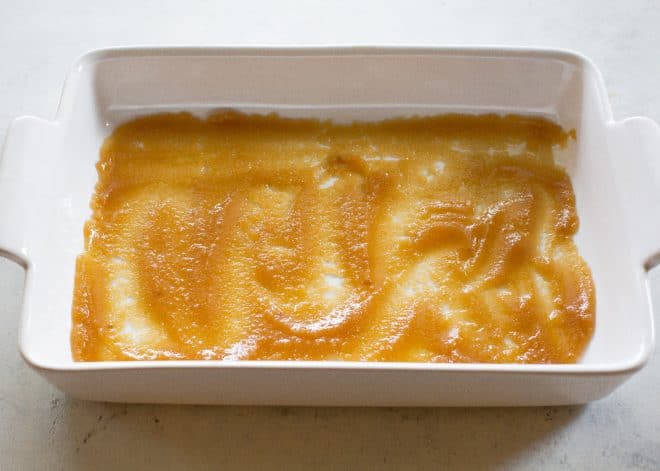
- The Preparation Phase (Evening): This stage involves the assembly of the flavor profile. The foundation of the dish usually begins with a mixture of butter and brown sugar spread at the base of a ceramic or glass baking dish. This creates a caramelizing layer that will crisp the underside of the bread during the baking process. The bread, often cubed or arranged in overlapping layers, is then topped with a whisked blend of eggs, whole milk or cream, vanilla extract, and spices such as cinnamon and nutmeg.
- The Maturation Phase (Overnight): The assembled dish is placed under refrigeration. This period serves two functions: food safety and structural integrity. By keeping the dish below 40 degrees Fahrenheit (4 degrees Celsius), the ingredients remain stable while the bread slowly absorbs the liquid.
- The Execution Phase (Morning): Upon removal from the refrigerator, the casserole is immediately transferred to a preheated oven. The thermal shock of moving from cold to hot facilitates a rapid rise in the custard, leading to a light, soufflé-like texture.
While the "overnight" moniker suggests a mandatory cooling period, culinary experiments have demonstrated that the dish can be prepared and baked in a single session. However, the lack of a prolonged soak necessitates a shorter cooking time and may result in a slightly less integrated texture.
Supporting Data and Consumer Trends
Market trends in the breakfast category indicate a strong preference for "make-ahead" meals. According to recent consumer behavior studies in the food industry, households are increasingly seeking breakfast options that reduce morning "decision fatigue." The Overnight French Toast Casserole fits this demographic shift by moving the heavy lifting to a period of lower household activity.
Data regarding the nutritional profile of such dishes reveals that while they are traditionally high in carbohydrates and fats, they are easily modified to meet modern dietary requirements. The use of whole-grain breads or dairy-free milk alternatives, such as almond or oat milk, has allowed for the adaptation of the recipe for health-conscious consumers. Furthermore, the inclusion of protein-rich additions, such as pecans or walnuts, provides a satiety factor that standard carbohydrate-heavy breakfasts often lack.
Economic and Practical Implications
For the home cook, the economic benefit is two-fold: the minimization of food waste and the reduction of energy expenditure. By utilizing bread that might otherwise be discarded due to dryness, the recipe acts as a sustainable kitchen practice. Furthermore, batch-cooking in a single oven is more energy-efficient than firing up a stovetop for multiple batches of individual slices.
The professional catering industry has also adopted similar techniques. Large-scale hospitality services often employ overnight soaking methods to ensure that high-volume breakfast services can proceed without the bottleneck of individual frying stations. This scalability makes the casserole a preferred choice for holiday brunches, institutional feeding, and hospitality management.
Culinary Best Practices: Expert Perspectives
Culinary experts emphasize that the "sogginess" often associated with poorly executed casseroles can be avoided through two key adjustments: proper bread density and correct oven temperature. Using bread that is too soft—such as standard sandwich bread—often leads to a failure in structural integrity. By using a denser, enriched bread, the cook ensures that the dish holds its shape when served.
Furthermore, the temperature at which the casserole is baked is paramount. A moderate oven (typically 350 degrees Fahrenheit or 175 degrees Celsius) allows for the custard to set throughout without burning the top layer. The addition of a "topper" or garnish, such as a dusting of powdered sugar or a drizzle of buttermilk syrup, serves as the final textural contrast, adding a sharp sweetness to the rich, savory base.
Broader Impact on Home Cooking
The enduring popularity of the Overnight French Toast Casserole is a testament to the modern desire for "low-stress, high-reward" cooking. It effectively bridges the gap between sophisticated, restaurant-quality brunch items and the necessity of simple, effective home preparation. As families continue to balance busy schedules with the desire for home-cooked, comforting meals, the reliance on such dishes is expected to remain consistent.

The flexibility of the recipe—allowing for various bread types, liquid bases, and additions—also encourages culinary creativity. From adding fruit compotes to incorporating savory elements like bacon or sausage, the base recipe remains a reliable canvas. This versatility ensures its place in the modern culinary canon, proving that even the most traditional recipes can be refined and optimized to suit the fast-paced nature of contemporary life.
Ultimately, the dish serves as a reminder that the most successful recipes are those that prioritize the end-user’s time and peace of mind as much as the final flavor profile. By removing the stress of the morning rush and replacing it with a well-planned, efficient process, the Overnight French Toast Casserole stands as a model for practical, effective, and deeply satisfying home cooking.