
Old Fashioned Sour Buckwheat Pancakes

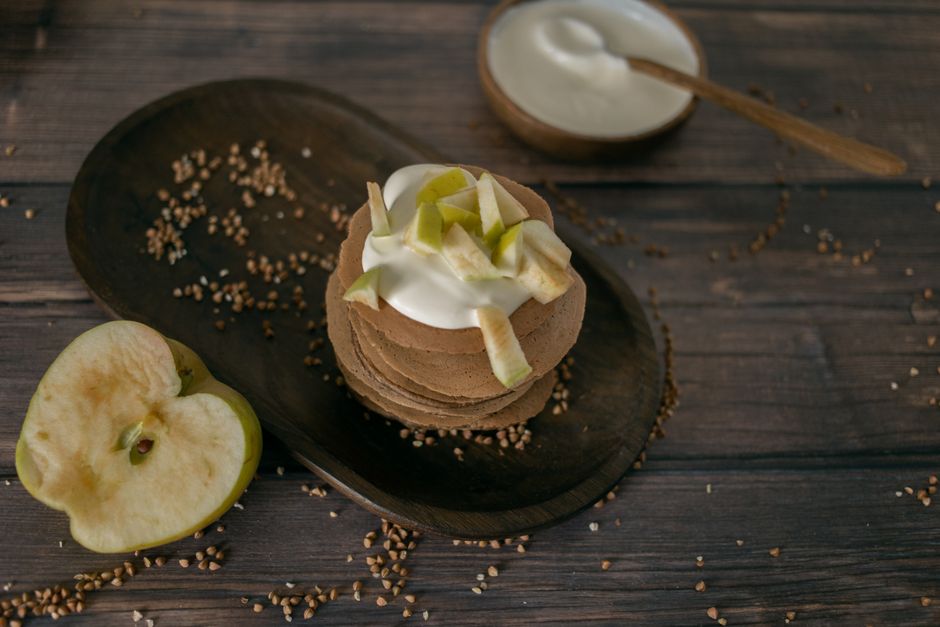
Old-Fashioned Sour Buckwheat Pancakes: A Deep Dive into Flavor, Fermentation, and Culinary Heritage
The allure of old-fashioned sour buckwheat pancakes lies in their distinctive tang, a complex flavor profile born from the natural fermentation of buckwheat flour. Unlike their lighter, sweeter counterparts made with all-purpose flour, these pancakes offer a robust, earthy taste that is both satisfying and profoundly nostalgic. This article will explore the science behind souring buckwheat, delve into the traditional methods of preparation, discuss ingredient variations, offer practical tips for success, and highlight the cultural significance of this beloved breakfast staple. Understanding the nuances of this rustic dish unlocks a richer culinary experience and a deeper appreciation for its time-honored preparation.
The magic of sour buckwheat pancakes begins with the buckwheat itself. Despite its name, buckwheat is not a type of wheat but a pseudocereal, related to rhubarb and sorrel. Its characteristic flavor is often described as nutty, earthy, and slightly bitter. When buckwheat flour is combined with liquid and allowed to sit, a natural fermentation process begins. This is not the same as adding commercial yeast, but rather a wild fermentation driven by naturally occurring yeasts and bacteria present in the flour and environment. These microorganisms consume the starches and sugars in the flour, producing lactic acid and other organic compounds. This acid is what imparts the characteristic "sour" or "tangy" flavor to the pancakes. The longer the batter ferments, the more pronounced this tang will become. This slow fermentation also contributes to a lighter, airier pancake structure, as the developing acids interact with leavening agents. The process is akin to sourdough bread making, where a starter is nurtured to develop flavor and lift.
Traditional sour buckwheat pancake recipes often rely on a pre-fermented starter, or "culture," which can be maintained for extended periods, much like a sourdough starter. This starter is typically made by mixing buckwheat flour with water and allowing it to ferment at room temperature for several days, until it becomes bubbly and develops a pleasant sour aroma. A portion of this starter is then used in the pancake batter, with the remainder being fed and maintained for future use. This method ensures a consistent and reliable tang in the pancakes. Alternatively, some recipes bypass the need for a dedicated starter by simply allowing the pancake batter itself to ferment overnight or for a significant period before cooking. This latter approach is often referred to as a "no-fuss" or "overnight" sour buckwheat pancake recipe. Whichever method is employed, the key is to allow sufficient time for the natural fermentation to work its magic, transforming simple ingredients into a complex and flavorful batter.
The basic ingredients for old-fashioned sour buckwheat pancakes are remarkably simple, reflecting their humble origins. The core components are buckwheat flour, a liquid (typically water or milk), a leavening agent (such as baking soda and baking powder), and a touch of salt. Eggs and a sweetener (like sugar or molasses) are often included for richness and to aid in browning. The type of buckwheat flour used can also influence the final result. Darker, coarser grinds will yield a more robust flavor and a denser pancake, while lighter, finer grinds will produce a more delicate texture and a milder tang. Some purists advocate for using only buckwheat flour, resulting in a gluten-free pancake. However, many recipes incorporate a small amount of all-purpose flour to improve the texture and prevent the pancakes from becoming too crumbly. This blend allows for a balance between the distinct flavor of buckwheat and the familiar structure of traditional pancakes.
When preparing the batter, patience is paramount. The batter should be mixed until just combined, avoiding overmixing, which can develop gluten (if present) and result in tough pancakes. The true artistry lies in the resting or fermentation period. This is where the souring occurs. Overnight fermentation in a cool place, or at least several hours at room temperature, is crucial for developing the characteristic tang and airy texture. During this time, the batter will become bubbly and increase slightly in volume. The leavening agents, often a combination of baking soda and baking powder, are typically added just before cooking. Baking soda, being alkaline, reacts with the acids in the fermented batter to produce carbon dioxide, which creates lift and lightness. Baking powder, a double-acting leavening agent, provides an additional boost.
The cooking process for sour buckwheat pancakes also requires attention to detail. A well-seasoned griddle or non-stick pan, heated to medium heat, is essential. The batter should be poured in portions, forming circles of your desired size. It is important to resist the urge to overcrowd the pan, allowing each pancake ample space to cook evenly. Signs of readiness for flipping include the appearance of bubbles on the surface and edges that appear set. The underside should be golden brown. Flipping should be done decisively to ensure the pancake remains intact. Cooking time will vary depending on the thickness of the pancake and the heat of the griddle, but typically each side takes a few minutes to cook through.
The addition of certain ingredients can further enhance the flavor and texture of sour buckwheat pancakes. Molasses, with its deep, rich sweetness and subtle molasses notes, is a classic accompaniment that complements the earthiness of buckwheat beautifully. It also contributes to a darker hue. Brown sugar can be used as an alternative sweetener. Some recipes incorporate a dollop of sour cream or yogurt into the batter, adding an extra layer of tang and richness. Spices like cinnamon or nutmeg can be added for warmth, though purists often prefer to let the natural flavor of the buckwheat shine. For those seeking a dairy-free option, water or plant-based milk can be used in place of regular milk.
Troubleshooting is an inevitable part of mastering any traditional recipe, and sour buckwheat pancakes are no exception. If your pancakes are consistently flat, the fermentation time might be insufficient, or the leavening agents may have lost their potency. Ensure your baking soda and baking powder are fresh. If they are too dense, you might be overmixing the batter, or the buckwheat flour might be too finely ground without sufficient leavening. A gummy texture can sometimes indicate an undercooked pancake or too much liquid. Conversely, if they are too dry and crumbly, it might be a result of too little liquid or an overabundance of buckwheat flour. The tang can be adjusted by altering the fermentation time. A shorter fermentation will yield a milder tang, while a longer one will intensify it. It’s also important to note that the ambient temperature can significantly affect fermentation speed. Warmer temperatures will accelerate the process, while cooler temperatures will slow it down.
The cultural significance of sour buckwheat pancakes cannot be overstated. In many regions, particularly in Eastern Europe and parts of North America with strong European heritage, these pancakes are a cherished comfort food, evoking memories of childhood, family gatherings, and simpler times. They were historically a practical way to utilize fermented grains, extending their shelf life and transforming them into a delicious and nutritious meal. The preparation itself often became a ritual, with batters being mixed and left to ferment overnight, ready for a leisurely breakfast. This tradition continues today, with many families passing down their cherished recipes and techniques from generation to generation. The distinct flavor profile is deeply ingrained in the culinary identity of these communities, representing a connection to their past and a celebration of artisanal food preparation.
Beyond their traditional context, old-fashioned sour buckwheat pancakes are experiencing a resurgence in popularity among food enthusiasts and home cooks seeking authentic, flavorful experiences. Their unique taste and the rewarding process of natural fermentation appeal to those interested in artisanal bread making, fermentation techniques, and heritage recipes. They offer a sophisticated alternative to conventional pancakes, providing a complex flavor profile that pairs exceptionally well with a variety of toppings.
Suggested toppings for old-fashioned sour buckwheat pancakes extend beyond the typical maple syrup. While maple syrup is a classic and delicious pairing, the robust flavor of these pancakes also stands up to more savory accompaniments. A dollop of sour cream or plain yogurt, perhaps with a sprinkle of fresh chives or dill, creates a delightful sweet and savory contrast. Lingonberry jam or other tart berry preserves offer a bright, tangy counterpoint. Smoked salmon and a drizzle of crème fraîche provide a more decadent brunch option. For those who enjoy a sweeter approach, caramelized apples or pears are a wonderful seasonal choice. The key is to select toppings that complement, rather than overpower, the distinctive flavor of the sour buckwheat.
The nutritional profile of buckwheat pancakes is also noteworthy. Buckwheat is a good source of dietary fiber, magnesium, and manganese. It is also a complete protein, containing all nine essential amino acids, which is relatively rare for plant-based foods. The fermentation process may also make certain nutrients more bioavailable and easier to digest. While many recipes include sugar or other sweeteners, the overall nutritional value remains higher than that of pancakes made solely with refined white flour.
In conclusion, old-fashioned sour buckwheat pancakes are more than just a breakfast food; they are a culinary journey into the art of fermentation, a connection to culinary heritage, and a testament to the enduring appeal of simple, yet profound, flavors. By understanding the principles of souring, embracing traditional preparation methods, and experimenting with ingredient variations, home cooks can unlock the full potential of this rustic delicacy and experience the deeply satisfying reward of creating truly exceptional pancakes. The process, from the initial mixing of flour and water to the final golden-brown perfection on the griddle, is a mindful practice that yields a delicious and memorable result.


