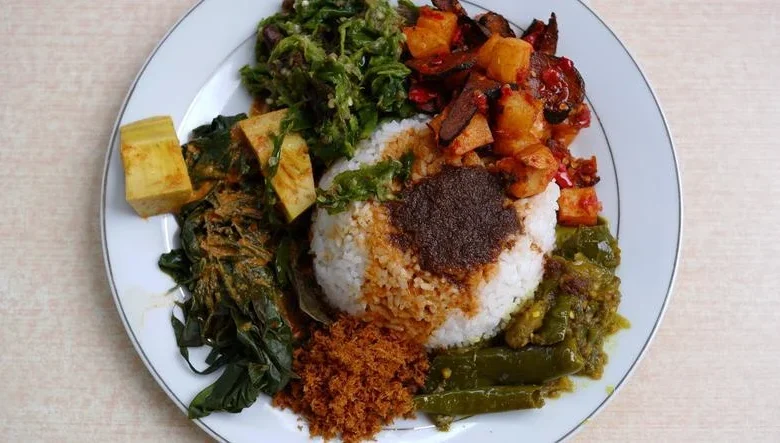
Dalam sesi edukasi kesehatan yang berlangsung pada Kamis, 10 September 2026, melalui platform siaran langsung TikTok detikHealth, spesialis gizi klinik dr. Igus Ulfa Yaze, SpGK, memberikan pandangan yang berbeda. Menurutnya, mengonsumsi Nasi Padang tidak perlu dianggap sebagai tindakan pelanggaran diet yang fatal. Sebaliknya, kunci dalam menikmati kuliner kaya rempah ini terletak pada manajemen porsi, komposisi nutrisi di atas piring, dan strategi urutan konsumsi yang tepat.
Konteks Kesehatan dan Tantangan Nutrisi Nasi Padang
Secara medis, Nasi Padang menyajikan tantangan nutrisi yang cukup kompleks. Satu porsi standar Nasi Padang dengan lauk rendang, gulai tunjang, dan kuah santan dapat mengandung kalori yang berkisar antara 600 hingga 900 kalori, tergantung pada variasi lauk yang dipilih. Angka ini setara dengan hampir setengah dari total kebutuhan kalori harian rata-rata orang dewasa yang tidak aktif secara fisik.
Tingginya kandungan lemak jenuh dari santan kelapa, jika dikonsumsi secara berlebihan dan terus-menerus, memang berkontribusi pada peningkatan profil lipid darah, termasuk kolesterol LDL. Selain itu, porsi nasi putih yang disajikan di rumah makan Padang sering kali melebihi porsi normal, yang memicu lonjakan glikemik tajam setelah makan. Namun, dr. Yaze menekankan bahwa pelarangan total terhadap makanan favorit justru dapat memicu efek psikologis "diet jenuh" yang sering kali berakhir pada binge eating atau makan berlebihan di kemudian hari.
Strategi Pengaturan Piring: Urutan adalah Kunci
Salah satu poin krusial yang ditekankan oleh dr. Yaze adalah teknik "penataan piring terbalik". Kebiasaan masyarakat umum saat mengambil Nasi Padang adalah menempatkan nasi sebagai fondasi utama di piring, baru kemudian menambahkan lauk dan sayuran di atasnya. Strategi ini secara psikologis memberikan ruang lebih besar bagi nasi untuk mendominasi porsi.
Dr. Yaze menyarankan untuk mengubah urutan pengambilan makanan secara drastis. Piring harus dimulai dengan asupan serat sebagai prioritas utama. Rumah makan Padang menyediakan berbagai opsi sayuran yang sangat baik, seperti daun singkong rebus, gulai nangka, sawi, dan pilihan lalapan segar. Mengisi piring dengan sayuran terlebih dahulu akan menciptakan volume fisik yang mengisi ruang perut, sehingga memberikan rasa kenyang lebih cepat sebelum mencapai konsumsi karbohidrat.
Penggunaan lalapan, seperti timun, juga bukan sekadar pelengkap estetika. Timun memiliki kandungan air yang tinggi dan serat yang membantu memperlambat penyerapan glukosa dalam aliran darah. Dokter Yaze secara spesifik menyarankan konsumsi satu buah timun utuh, bukan hanya irisan tipis yang biasanya tersedia secara standar di piring penyajian, untuk memaksimalkan efek kenyang.
Pemilihan Protein yang Bijak
Setelah serat terpenuhi, langkah selanjutnya adalah pemilihan protein. Nasi Padang menawarkan berbagai macam protein, mulai dari ayam pop, ayam bakar, rendang, hingga berbagai jenis ikan. Dalam konteks diet sehat, dr. Yaze merekomendasikan untuk memprioritaskan teknik pengolahan protein yang lebih ramah kesehatan, yaitu dengan metode bakar atau panggang.
Protein hewani seperti ayam bakar atau ikan bakar mengandung lemak yang lebih rendah dibandingkan dengan ayam goreng krispi atau rendang yang dimasak dalam durasi lama dengan santan pekat. Selain protein hewani, protein nabati juga merupakan opsi yang sangat baik. Tahu, tempe, dan telur adalah sumber asam amino esensial yang penting bagi metabolisme otot. Dengan memilih protein bakar, individu dapat tetap menikmati kelezatan bumbu Padang tanpa harus mengonsumsi lemak trans berlebih yang dihasilkan dari proses penggorengan deep-fried.
Manajemen Karbohidrat: Membatasi Nasi
Tantangan terbesar dalam Nasi Padang adalah porsi nasi. Dalam panduan yang disampaikan dr. Yaze, nasi harus menjadi komponen terakhir yang diletakkan di piring. Dengan mengikuti urutan sayur dan protein terlebih dahulu, ruang yang tersisa di piring akan secara alami menyusut.
Dokter Yaze menetapkan batas maksimal konsumsi nasi sebanyak lima sendok makan untuk satu kali sesi makan siang. Lima sendok makan nasi putih setara dengan sekitar 150-200 kalori. Jika dikombinasikan dengan sayur yang kaya serat dan protein yang cukup, porsi nasi ini sudah mencukupi kebutuhan energi tanpa memberikan beban kalori berlebih. Pendekatan ini adalah bentuk kontrol porsi sadar (mindful eating) yang memungkinkan seseorang untuk tetap menikmati cita rasa khas Minang tanpa merasa bersalah secara medis.
Implikasi pada Pola Makan Masyarakat
Pendekatan yang diusulkan oleh dr. Yaze ini sejalan dengan prinsip gizi seimbang yang dianjurkan oleh Kementerian Kesehatan RI dalam konsep "Isi Piringku". Konsep tersebut menekankan bahwa setengah piring harus diisi oleh sayur dan buah, sementara sisanya dibagi antara karbohidrat dan protein.
Secara luas, edukasi ini membawa implikasi positif bagi industri kuliner dan konsumen. Bagi konsumen, pengetahuan ini memberikan kebebasan untuk tetap bersosialisasi dan menikmati budaya makan siang bersama rekan kerja tanpa harus merasa terasing dari lingkungan sosial karena diet ketat. Bagi pemilik rumah makan, ini bisa menjadi dorongan untuk menyediakan opsi lauk yang lebih variatif, seperti lebih banyak varian sayur atau metode memasak yang lebih sehat.
Analisis dari para ahli gizi menunjukkan bahwa konsistensi jauh lebih penting daripada perfeksionisme. Mengonsumsi Nasi Padang dengan teknik yang tepat sesekali, jauh lebih berkelanjutan daripada melakukan diet ekstrem yang tidak dapat dipertahankan dalam jangka panjang. Diet yang sehat bukanlah tentang memusnahkan makanan tertentu dari daftar konsumsi, melainkan tentang memahami komposisi dan kuantitas yang masuk ke dalam tubuh.
Kesimpulan dan Saran Praktis
Sebagai ringkasan, strategi makan Nasi Padang tanpa takut gemuk dapat diringkas dalam tiga langkah utama:
- Prioritaskan Serat: Isi piring dengan sayuran hijau dan lalapan segar hingga memenuhi porsi yang signifikan.
- Pilih Protein Bersih: Utamakan protein bakar atau kukus daripada yang digoreng atau berlemak tinggi.
- Batasi Karbohidrat: Tempatkan nasi di urutan paling akhir dengan batasan maksimal lima sendok makan.
Dengan mengadopsi pola pikir ini, Nasi Padang tidak lagi dipandang sebagai ancaman bagi kesehatan, melainkan sebagai hidangan yang dapat dinikmati dengan penuh kesadaran. Pendekatan ini merupakan bagian dari edukasi gizi yang lebih luas, di mana literasi kesehatan masyarakat ditingkatkan untuk membuat pilihan makanan yang lebih baik di tengah lingkungan kuliner yang kaya akan lemak dan karbohidrat. Dengan manajemen porsi yang disiplin, kenikmatan kuliner dan tujuan hidup sehat dapat berjalan beriringan tanpa harus saling mengorbankan.
Para ahli kesehatan terus mendorong agar masyarakat tidak terjebak dalam mitos-mitos diet yang kaku, melainkan belajar untuk mengenali kebutuhan tubuh masing-masing. Di masa depan, integrasi antara kebiasaan makan tradisional dengan ilmu gizi klinis diharapkan dapat membantu menurunkan prevalensi penyakit metabolik di Indonesia, sembari tetap melestarikan warisan kuliner Nusantara yang berharga. Kesadaran untuk mengontrol apa yang masuk ke dalam piring adalah langkah pertama menuju gaya hidup yang lebih bugar, tanpa harus kehilangan kegembiraan dalam menyantap hidangan favorit.