
No Sugar Banana Bread A Health Conscious Take On A Beloved Classic

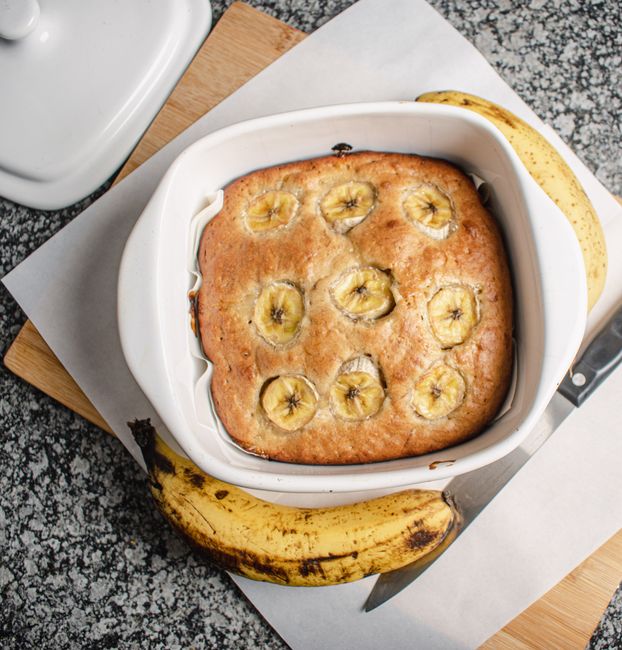
No Sugar Banana Bread: A Health-Conscious Take on a Beloved Classic
The allure of banana bread is undeniable. Its comforting aroma, moist crumb, and naturally sweet flavor have cemented its status as a quintessential baked good. However, for those actively managing their sugar intake, whether due to health concerns, dietary choices, or simply a desire for a more nutritious indulgence, traditional banana bread can be a tempting but often off-limits treat. Fortunately, the culinary landscape has evolved, and the concept of "no sugar banana bread" has emerged as a delicious and satisfying alternative. This article delves into the intricacies of crafting a no sugar banana bread, exploring ingredient substitutions, baking techniques, and the health benefits that make this version a standout choice for the health-conscious baker and consumer.
At its core, a no sugar banana bread recipe aims to replicate the characteristic sweetness and texture of its conventional counterpart without relying on refined sugars like white sugar, brown sugar, or even liquid sweeteners like honey or maple syrup (which, while natural, are still concentrated sugars). The cornerstone of this modified approach lies in maximizing the inherent sweetness of the bananas themselves. Overripe bananas, with their softened flesh and intensified natural sugars, are paramount. The browner and spottier the banana, the more sugar it has developed, leading to a naturally sweeter loaf. Therefore, selecting bananas that are significantly past their prime is not merely a suggestion, but a critical requirement for achieving a pleasing sweetness in a sugar-free recipe. Aim for bananas with at least 70-80% brown or black skin.
Beyond the crucial role of the banana, the choice of alternative sweeteners becomes essential. While the "no sugar" moniker might suggest complete absence of sweetness, in baking, it typically refers to the exclusion of added sugars. Therefore, we turn to natural sources that offer sweetness with a lower glycemic impact or provide sweetness through alternative compounds. Dates, when blended into a paste, offer a rich, caramel-like sweetness and a binding quality. Their natural sugars are accompanied by fiber and other nutrients, making them a superior choice to refined sugar. Medjool dates are particularly well-suited for this purpose due to their soft texture and inherent sweetness. Other options include unsweetened applesauce, which adds moisture and a subtle sweetness, and the judicious use of sugar alcohols like erythritol or xylitol, or non-caloric natural sweeteners like stevia or monk fruit. However, it’s important to note that while these can effectively replace the sweetness, they may impact texture and require careful measurement to avoid an artificial aftertaste. For a truly wholesome approach, focusing on date paste and the natural sweetness of the bananas is often the most rewarding.
The fat component of banana bread also plays a vital role in its texture and richness. Traditional recipes often utilize butter or oil. In a health-conscious no sugar version, these can be substituted with healthier fats. Unsweetened applesauce can contribute to moisture and reduce the need for added fat, while also offering a touch of sweetness. Avocado, when mashed, provides a creamy texture and healthy monounsaturated fats, though its flavor can be subtly present, so it’s best used in moderation or when complemented by strong flavors like cinnamon and nutmeg. Coconut oil, in its virgin form, offers a pleasant aroma and healthy fats. Olive oil, particularly extra virgin, can also be used, but its distinct flavor profile might not be ideal for all palates in a sweet bread. The goal is to maintain that characteristic moist and tender crumb without compromising on health benefits.
The leavening agents, typically baking soda and baking powder, remain crucial for achieving the proper rise and texture. Baking soda, activated by acidic ingredients (like ripe bananas or unsweetened yogurt), reacts with heat to produce carbon dioxide, causing the batter to expand. Baking powder contains both an acid and a base, providing a more consistent lift. Ensuring these ingredients are fresh is vital for optimal results. Over time, leavening agents can lose their potency, resulting in a dense, flat loaf.
The dry ingredients in a no sugar banana bread are where further health upgrades can be implemented. All-purpose flour can be partially or entirely substituted with whole wheat flour, almond flour, oat flour, or a combination thereof. Whole wheat flour adds fiber and a slightly nutty flavor. Almond flour contributes healthy fats and protein, resulting in a denser but remarkably moist crumb. Oat flour, made by grinding rolled oats, offers a good source of soluble fiber and a pleasant texture. Experimenting with these flours allows for customization based on dietary needs and taste preferences. For gluten-free options, a blend of almond flour, coconut flour, and tapioca starch can create a good texture, though it requires careful balancing to avoid dryness or grittiness. The addition of spices like cinnamon, nutmeg, cardamom, and ginger is not just for flavor; these spices can also offer their own subtle health benefits, such as anti-inflammatory properties, and they contribute to the perception of sweetness by enhancing aromatic profiles.
The method for combining ingredients in no sugar banana bread is largely similar to traditional recipes, but with a few nuances. Overmixing the batter can develop the gluten in flour, leading to a tough bread. Therefore, a gentle hand is recommended. Typically, the wet ingredients are combined first, followed by the dry ingredients, and then gently folded together until just combined. The presence of date paste or mashed bananas will create a thicker batter, which is desirable.
Baking temperature and time are also critical factors. A moderate oven temperature, typically around 350°F (175°C), is ideal for ensuring even cooking without burning the exterior. The baking time will vary depending on the size and density of the loaf, but generally ranges from 50 to 70 minutes. A toothpick inserted into the center should come out clean or with a few moist crumbs attached, indicating that the bread is cooked through. Cooling the bread completely on a wire rack is essential for allowing the internal structure to set and preventing it from becoming gummy.
The health benefits of a well-executed no sugar banana bread are numerous. By eliminating refined sugars, you significantly reduce the glycemic load of the bread, making it a more suitable option for individuals managing blood sugar levels, such as those with diabetes or insulin resistance. The increased fiber content from whole grain flours or almond flour promotes digestive health, aids in satiety, and can help regulate blood sugar. The healthy fats from sources like avocado or coconut oil contribute to heart health and provide sustained energy. Furthermore, by incorporating nutrient-dense ingredients like dates and nuts (optional additions), you boost the vitamin and mineral profile of this classic treat. This version allows for guilt-free enjoyment, making it a valuable addition to a balanced diet.
Customization is a significant advantage of homemade no sugar banana bread. While the core ingredients form the foundation, bakers can easily incorporate additions to enhance flavor and nutritional value. Chopped nuts, such as walnuts or pecans, provide healthy fats, protein, and a satisfying crunch. Seeds like chia seeds or flax seeds can be added for extra fiber and omega-3 fatty acids. Unsweetened chocolate chips offer a touch of indulgence without added sugar. Dried fruits, such as raisins or cranberries (ensure they are unsweetened), can add bursts of flavor and chewy texture, but should be used sparingly due to their concentrated natural sugars. Even adding a spoonful of unsweetened cocoa powder can transform the bread into a delightful chocolate-banana fusion.
The perception of sweetness is also an important consideration. When eliminating sugar, the flavors of other ingredients become more prominent. This is where spices play a starring role. A generous amount of cinnamon, nutmeg, and a pinch of cardamom can create a warm, comforting flavor profile that tricks the palate into perceiving more sweetness. A touch of vanilla extract is also essential for enhancing overall flavor. The natural sweetness of the bananas, combined with the aromatic spices and vanilla, can create a remarkably satisfying taste experience that doesn’t leave you longing for sugar.
Comparing no sugar banana bread to its conventional counterpart reveals a significant nutritional advantage. A typical banana bread made with white flour and refined sugar can be a sugar bomb, with a single slice contributing a substantial amount of empty calories and spiking blood glucose levels. In contrast, a no sugar version, especially one utilizing whole grains and natural sweeteners, offers a more balanced nutritional profile. It provides sustained energy, essential nutrients, and a greater sense of satiety. This makes it an ideal option for breakfast, a healthy snack, or even a post-workout treat.
However, it’s crucial to acknowledge that "no sugar" can be interpreted differently. As mentioned, even natural sweeteners like dates, maple syrup, and honey are forms of sugar. Therefore, for those strictly avoiding all forms of sugar, the focus shifts even further to relying solely on the sweetness of overripe bananas and incorporating flavors that create the illusion of sweetness through aromatics and spices. Recipes that strictly adhere to this might not be as overtly sweet but can still be incredibly delicious and satisfying in their own right.
The texture of no sugar banana bread can also differ from its traditional counterpart. Without the caramelization and moisture retention properties of refined sugars, the crumb might be slightly less tender or moist if not balanced correctly with healthy fats and moisture-contributing ingredients like applesauce. This is where experimentation with flour blends, fat sources, and the ratio of wet to dry ingredients becomes key to achieving the desired mouthfeel. For instance, a higher ratio of almond flour can lead to a denser, fudgier texture, while a blend of whole wheat and oat flour can yield a chewier, heartier loaf.
In conclusion, no sugar banana bread represents a delicious and accessible evolution of a beloved classic, catering to the growing demand for healthier, more nutrient-dense baked goods. By strategically substituting refined sugars with the natural sweetness of overripe bananas and dates, incorporating whole grain flours and healthy fats, and leveraging the power of aromatic spices, it is possible to create a loaf that is not only satisfyingly sweet and moist but also significantly more beneficial for overall health. This health-conscious take allows individuals to indulge in the comforting flavors of banana bread without the detrimental effects of excessive sugar, making it a truly rewarding culinary endeavor for the modern, health-aware palate. The adaptability of the recipe allows for endless personalization, ensuring that this guilt-free treat can be enjoyed by a wide range of dietary preferences and needs.


