Quick And Easy Dip
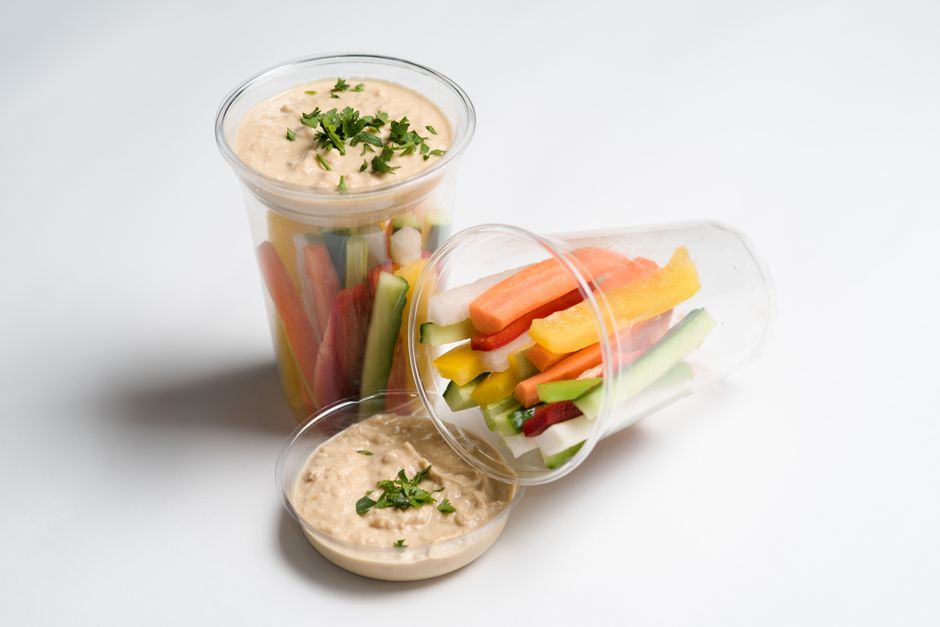
Quick and Easy Dip Recipes: Effortless Flavor Explosions for Any Occasion
The modern culinary landscape increasingly demands speed and convenience without compromising on taste or satisfaction. Quick and easy dips perfectly embody this ideal, transforming humble ingredients into vibrant, shareable appetizers and accompaniments in mere minutes. These recipes are not just for parties; they are a weeknight savior, a potluck essential, and a spontaneous snack solution. The beauty of a quick dip lies in its adaptability. Most require minimal chopping, no complex cooking techniques, and rely on pantry staples or readily available fresh ingredients. This article will delve into a spectrum of quick and easy dip categories, offering actionable recipes, ingredient variations, and tips for maximizing flavor and presentation. We’ll explore creamy, cheesy, fresh, spicy, and even a few unconventional options, all designed to be executed with minimal fuss and maximum deliciousness.
Creamy Classics: The Foundation of Effortless Entertaining
Creamy dips are arguably the most ubiquitous and forgiving category, forming the bedrock of many successful gatherings. Their smooth texture and rich flavor profile make them universally appealing. The foundational element in most creamy dips is a dairy or dairy-free base, such as cream cheese, sour cream, Greek yogurt, or mayonnaise.
Recipe 1: Speedy Spinach Artichoke Dip
This beloved classic is surprisingly simple to replicate at home.
- Ingredients: 1 (8-ounce) package cream cheese, softened; 1 (15-ounce) can artichoke hearts, drained and chopped; 1 cup frozen spinach, thawed and squeezed dry; 1/4 cup grated Parmesan cheese; 1/4 cup sour cream; 1 clove garlic, minced; Salt and pepper to taste.
- Instructions: In a medium bowl, combine the softened cream cheese, chopped artichoke hearts, drained spinach, Parmesan cheese, sour cream, and minced garlic. Mix until well combined and relatively smooth. Season with salt and pepper. For an even smoother texture, pulse the mixture a few times in a food processor. Transfer to an oven-safe dish. Bake at 375°F (190°C) for 15-20 minutes, or until heated through and bubbly. Serve immediately with tortilla chips, pita bread, or vegetable sticks.
- Variations: Add a pinch of red pepper flakes for a hint of heat. Substitute half the sour cream with Greek yogurt for a lighter version. Incorporate a tablespoon of chopped sun-dried tomatoes for added depth of flavor. For a baked version, top with a little extra Parmesan cheese before baking.
Recipe 2: Effortless French Onion Dip
A pantry staple, this dip transforms humble caramelized onions into a flavor powerhouse.
- Ingredients: 1 (16-ounce) container sour cream; 1 packet (0.7-ounce) dry onion soup mix.
- Instructions: In a medium bowl, combine the sour cream and dry onion soup mix. Stir until thoroughly combined. For best results, cover and refrigerate for at least 30 minutes to allow the flavors to meld. The longer it chills, the deeper the flavor. Serve with potato chips, crackers, or vegetable crudités.
- Variations: For a fresher take, sauté one finely chopped yellow onion in butter until softened and slightly browned before mixing it into the sour cream. You can also add a tablespoon of Worcestershire sauce for an extra umami kick. A teaspoon of fresh chives or parsley can add a pop of color and herbaceousness.
Recipe 3: Quick Creamy Hummus Dip
While store-bought hummus is readily available, a quick homemade version offers superior freshness and customization.
- Ingredients: 1 (15-ounce) can chickpeas, drained and rinsed; 1/4 cup tahini; 2 tablespoons fresh lemon juice; 1 clove garlic; 2 tablespoons olive oil; 2-4 tablespoons ice water (or as needed); Salt to taste.
- Instructions: In a food processor, combine the drained chickpeas, tahini, lemon juice, garlic, and olive oil. Process until mostly smooth. With the food processor running, gradually add ice water, one tablespoon at a time, until the desired creamy consistency is reached. Season with salt. Serve immediately or chill for later.
- Variations: Add a pinch of cumin for a classic flavor. For a spicy version, blend in a roasted red pepper or a few pickled jalapeños. A tablespoon of pesto can add a vibrant herbal note. Garnish with a drizzle of olive oil and a sprinkle of paprika or sumac.
Cheesy Delights: Warm, Melty, and Utterly Addictive
Cheese-based dips are synonymous with comfort food and celebratory gatherings. Their inherent richness and gooey texture make them irresistible. The key to quick cheesy dips is often utilizing pre-shredded cheeses or those that melt easily.
Recipe 4: Five-Minute Queso Fundido
This molten cheese dip is incredibly fast and ridiculously satisfying.
- Ingredients: 8 ounces shredded Monterey Jack cheese; 4 ounces shredded Cheddar cheese; 1 (4-ounce) can diced green chilies, drained; 1 tablespoon chopped cilantro (optional).
- Instructions: In an oven-safe skillet (cast iron is ideal), combine the shredded Monterey Jack and Cheddar cheeses. Sprinkle the drained green chilies over the cheese. Place the skillet under a broiler for 2-3 minutes, or until the cheese is melted and bubbly. Watch closely to prevent burning. Garnish with chopped cilantro, if desired. Serve immediately with tortilla chips or warm tortillas for dipping.
- Variations: Add a tablespoon of pico de gallo for a fresh burst. For a spicier kick, mix in a pinch of cayenne pepper or a finely diced jalapeño before broiling. A tablespoon of cooked chorizo or ground beef can transform this into a heartier dip.
Recipe 5: Speedy Baked Brie with Cranberry Sauce
A sophisticated yet incredibly simple appetizer that impresses with minimal effort.
- Ingredients: 1 (8-ounce) wheel of Brie cheese; 1/4 cup cranberry sauce (canned or homemade); 1 tablespoon chopped pecans or walnuts (optional).
- Instructions: Preheat oven to 350°F (175°C). Place the wheel of Brie on a small baking sheet lined with parchment paper. Score the top rind of the Brie in a diamond pattern (optional, but helps with melting). Spoon the cranberry sauce over the top of the Brie. Sprinkle with chopped nuts, if using. Bake for 10-12 minutes, or until the Brie is soft and oozing. Serve immediately with crackers, baguette slices, or apple slices.
- Variations: Use fig jam or apricot preserves instead of cranberry sauce. Add a drizzle of honey or maple syrup over the top before baking. A sprinkle of fresh rosemary or thyme can add an aromatic dimension.
Recipe 6: Three-Cheese Broccoli Dip
A healthier, yet still indulgent, option that’s a crowd-pleaser.
- Ingredients: 1 cup frozen broccoli florets, thawed and chopped; 4 ounces cream cheese, softened; 1/2 cup shredded Cheddar cheese; 1/4 cup shredded Monterey Jack cheese; 2 tablespoons milk; 1 clove garlic, minced; Salt and pepper to taste.
- Instructions: In a medium saucepan over medium heat, combine the softened cream cheese, Cheddar cheese, Monterey Jack cheese, and milk. Stir until the cheeses are melted and the mixture is smooth. Stir in the chopped broccoli and minced garlic. Season with salt and pepper. Cook for 2-3 minutes, until heated through. Serve with crackers, vegetable sticks, or toasted bread.
- Variations: Add a pinch of nutmeg for a subtle warmth. A tablespoon of chopped cooked bacon can elevate the flavor profile. For a spicier version, stir in a pinch of red pepper flakes.
Fresh & Vibrant: Bright Flavors Without the Heat
These dips prioritize fresh, crisp ingredients, offering a lighter and often more refreshing alternative to creamy or cheesy options. They are perfect for warm weather gatherings or when a palate cleanser is desired.
Recipe 7: Zesty Corn and Black Bean Salsa Dip
A colorful and flavorful dip that doubles as a salsa.
- Ingredients: 1 (15-ounce) can black beans, drained and rinsed; 1 cup frozen or canned corn, drained; 1/2 red onion, finely diced; 1/2 red bell pepper, finely diced; 1/4 cup chopped fresh cilantro; 2 tablespoons fresh lime juice; 1 tablespoon olive oil; Salt and pepper to taste.
- Instructions: In a medium bowl, combine the drained black beans, corn, diced red onion, diced red bell pepper, and chopped cilantro. In a small bowl, whisk together the lime juice and olive oil. Pour the dressing over the bean and corn mixture and toss to combine. Season with salt and pepper to taste. Serve immediately with tortilla chips.
- Variations: Add 1/4 cup of diced jalapeño for a spicy kick. Incorporate 1/4 cup of diced avocado just before serving for added creaminess. A pinch of cumin can deepen the flavor. For a more substantial dip, stir in some cooked quinoa.
Recipe 8: Cucumber Dill Yogurt Dip
A cool and refreshing dip, perfect for dipping vegetables or as a sauce for grilled meats.
- Ingredients: 1 cup plain Greek yogurt; 1/2 cup grated cucumber, squeezed dry; 2 tablespoons chopped fresh dill; 1 clove garlic, minced; 1 tablespoon fresh lemon juice; Salt and pepper to taste.
- Instructions: In a medium bowl, combine the Greek yogurt, grated and squeezed cucumber, chopped dill, minced garlic, and lemon juice. Stir until well combined. Season with salt and pepper to taste. For best results, cover and refrigerate for at least 15-30 minutes to allow the flavors to meld. Serve with vegetable sticks, pita chips, or as a sauce for falafel or grilled chicken.
- Variations: Add a pinch of mint for an extra cooling sensation. A tablespoon of finely chopped red onion can add a bit of sharpness. For a spicier version, add a pinch of red pepper flakes.
Spicy Sensations: A Fiery Kick to Elevate Your Appetizers
For those who crave a bit of heat, these spicy dips deliver a punch of flavor that awakens the palate. They are perfect for enhancing Tex-Mex dishes or adding excitement to any appetizer spread.
Recipe 9: Quick Spicy Black Bean Dip
A flavorful and slightly smoky dip with a pleasant kick.
- Ingredients: 1 (15-ounce) can black beans, drained and rinsed; 1/4 cup salsa; 1 tablespoon adobo sauce from canned chipotle peppers; 1/2 teaspoon cumin; 1/4 teaspoon chili powder; Pinch of cayenne pepper (optional).
- Instructions: In a food processor, combine the drained black beans, salsa, adobo sauce, cumin, chili powder, and cayenne pepper (if using). Process until mostly smooth, leaving some texture. For a smoother consistency, add a tablespoon of water or vegetable broth. Transfer to a serving dish and serve warm or at room temperature with tortilla chips.
- Variations: Add 1/4 cup of shredded Monterey Jack cheese before processing for a cheesy, spicy blend. Stir in a tablespoon of chopped cilantro. A squeeze of lime juice just before serving can brighten the flavors.
Recipe 10: Firecracker Shrimp Dip
A surprisingly simple yet incredibly flavorful dip with a sweet and spicy profile.
- Ingredients: 1/2 pound cooked small shrimp, peeled and deveined, roughly chopped; 4 ounces cream cheese, softened; 1/4 cup sweet chili sauce; 2 tablespoons mayonnaise; 1 tablespoon chopped fresh chives (optional).
- Instructions: In a medium bowl, combine the softened cream cheese, sweet chili sauce, and mayonnaise. Mix until smooth. Gently fold in the chopped cooked shrimp and chives (if using). Spoon into a serving dish and serve chilled with crackers or baguette slices.
- Variations: For a spicier version, add a teaspoon of sriracha to the cream cheese mixture. A tablespoon of lime juice can add a refreshing tang. Sprinkle with toasted sesame seeds before serving for added texture and flavor.
Unconventional & Creative: Thinking Outside the Dip Box
These dips push the boundaries, offering unique flavor combinations and unexpected ingredients that are sure to be conversation starters. They demonstrate that "quick and easy" doesn’t have to mean predictable.
Recipe 11: White Bean and Rosemary Dip
An elegant and surprisingly simple dip that showcases the savory notes of white beans and aromatic rosemary.
- Ingredients: 1 (15-ounce) can cannellini beans, drained and rinsed; 2 tablespoons olive oil; 1 tablespoon fresh rosemary, finely chopped; 1 clove garlic, minced; 1 tablespoon fresh lemon juice; Salt and pepper to taste.
- Instructions: In a food processor, combine the drained cannellini beans, olive oil, chopped rosemary, minced garlic, and lemon juice. Process until mostly smooth, leaving some texture. Season with salt and pepper. Serve at room temperature with crusty bread, pita chips, or vegetable sticks.
- Variations: Add a pinch of red pepper flakes for a subtle heat. A tablespoon of sundried tomatoes can add a chewy texture and rich flavor. Garnish with a drizzle of balsamic glaze.
Recipe 12: Peanut Butter Banana Dip
A surprisingly delightful sweet dip that’s perfect for fruit or cookies.
- Ingredients: 1 cup creamy peanut butter; 1 ripe banana, mashed; 2 tablespoons honey or maple syrup; 1 tablespoon milk (or as needed for consistency).
- Instructions: In a medium bowl, combine the peanut butter, mashed banana, and honey or maple syrup. Stir until well combined. Add milk, one tablespoon at a time, until the desired dipping consistency is reached. Serve immediately with sliced apples, bananas, graham crackers, or pretzels.
- Variations: Stir in a tablespoon of mini chocolate chips for a richer flavor. A pinch of cinnamon can add warmth. For a chunkier texture, use chunky peanut butter.
Tips for Quick Dip Success and Enhanced SEO:
To maximize the effectiveness and discoverability of these quick and easy dip recipes, consider the following SEO-friendly strategies:
- Keyword Integration: Naturally incorporate relevant keywords throughout the article, such as "quick dips," "easy appetizers," "party dips," "simple recipes," "no-bake dips," "cheesy dips," "creamy dips," "spicy dips," and specific dip names (e.g., "spinach artichoke dip recipe," "queso fundido easy").
- Descriptive Headings and Subheadings: Use H2 and H3 tags for recipe titles and category headings to improve readability and search engine crawling.
- High-Quality Images: While not included in this text format, in a live article, high-quality, visually appealing images of each dip would significantly enhance user engagement and social sharing.
- Structured Data Markup: Implementing schema markup for recipes can help search engines understand the content better and display rich snippets in search results, potentially leading to higher click-through rates.
- Internal and External Linking: Link to other relevant recipes or cooking guides on your website (internal linking) and to reputable sources for ingredient information (external linking).
- Mobile-Friendliness: Ensure the website or platform hosting this content is responsive and mobile-friendly, as a significant portion of users will access it via smartphones.
- User Engagement: Encourage comments and questions from readers, fostering a community and providing valuable user-generated content.
- Clear and Concise Instructions: The recipes themselves should be easy to follow, using numbered steps and precise measurements. This clarity benefits both users and search engines.
- Emphasis on Benefits: Highlight the "quick," "easy," and "effortless" aspects of these dips, as these are key selling points for users searching for such recipes.
- Variations and Customization: Offering variations caters to a wider audience and increases the perceived value of the content, potentially leading to more time spent on the page.
- Call to Actions: Encourage readers to try the recipes, share their results, or explore other related content.
By implementing these strategies, the reach and impact of this comprehensive guide to quick and easy dips can be significantly amplified, making it a valuable resource for home cooks and entertainers alike. The versatility and speed offered by these dip recipes make them an indispensable tool in any culinary arsenal, proving that delicious and impressive results can be achieved with minimal time and effort.