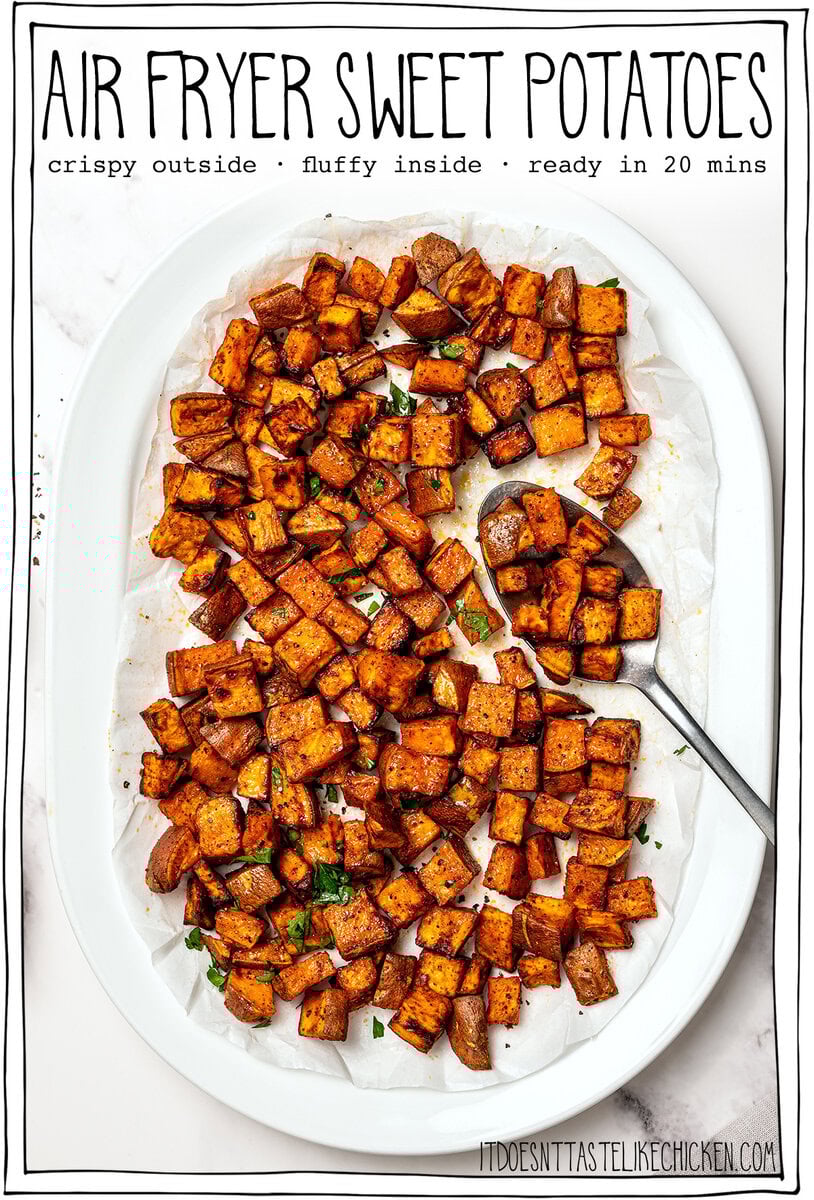
In a culinary landscape increasingly focused on efficiency and health-conscious preparation, the air fryer has emerged as a transformative kitchen appliance. Among its many versatile applications, the simple sweet potato has found a new pinnacle of perfection. This article delves into the method and appeal of preparing sweet potatoes in an air fryer, highlighting their remarkable transformation into a dish that is both texturally delightful and nutritionally beneficial.
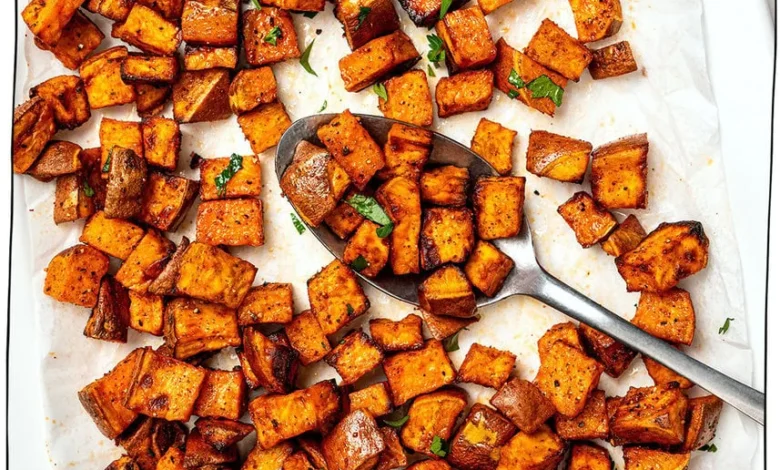
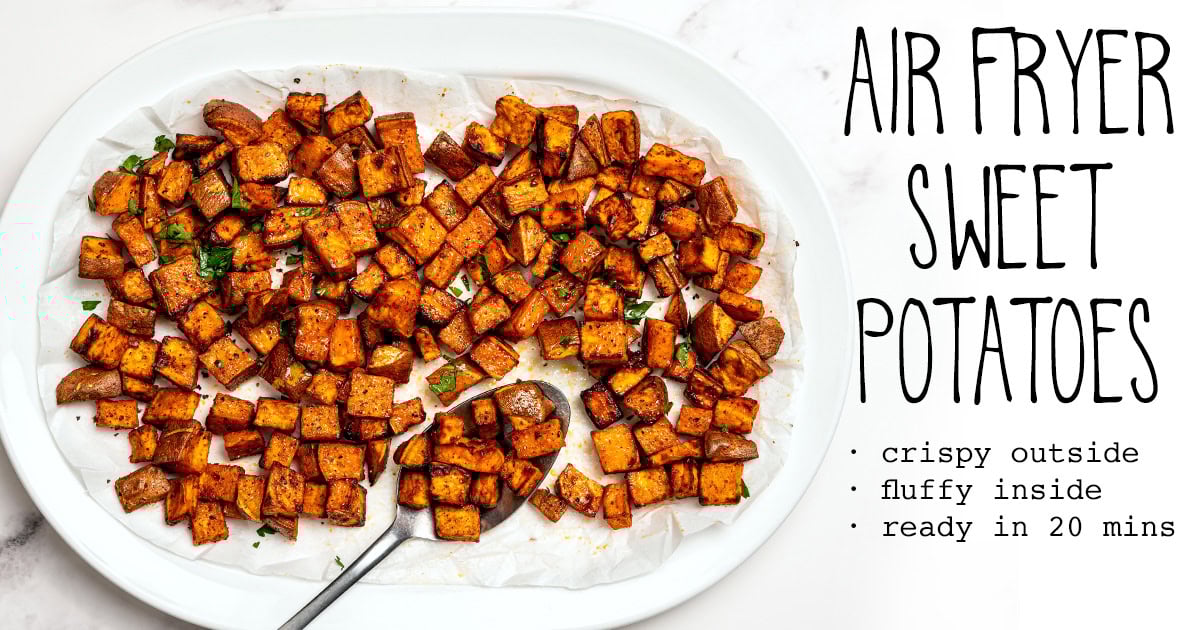
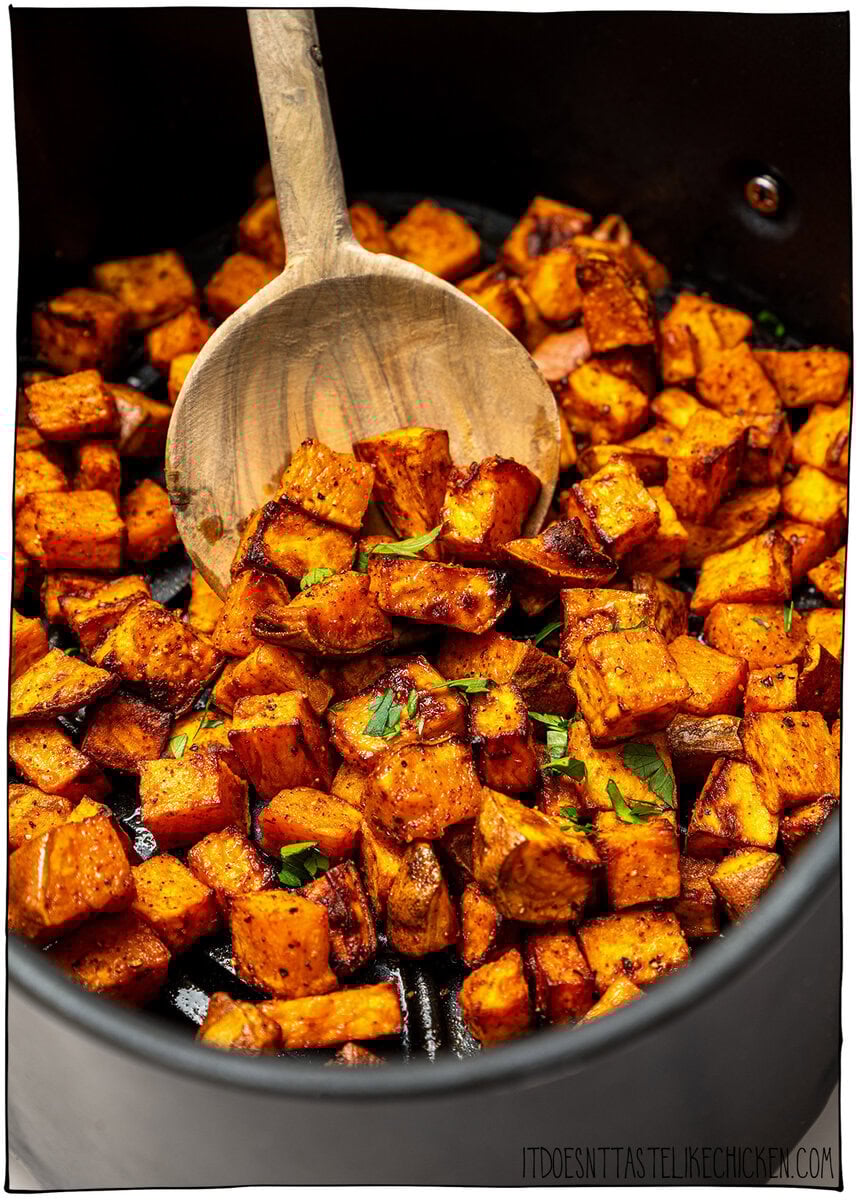
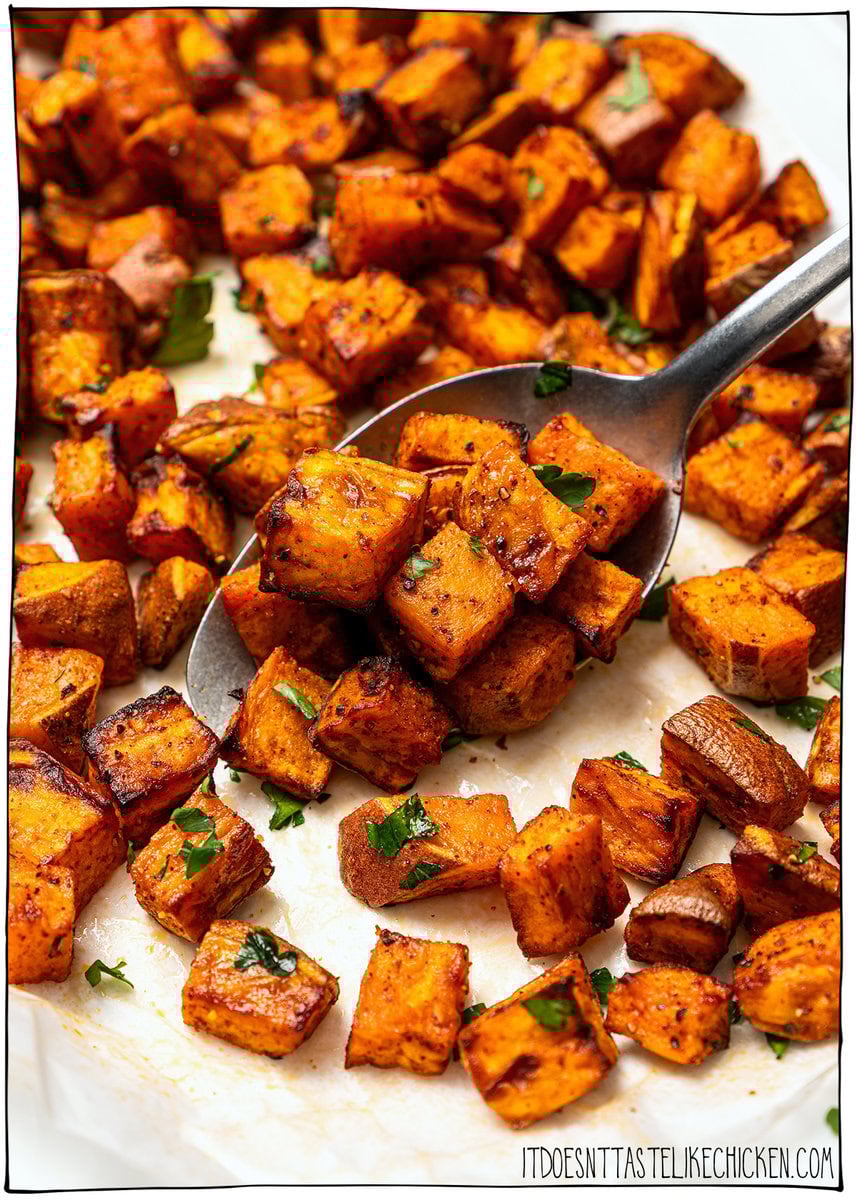
The air fryer, a countertop convection oven, circulates hot air at high speeds to cook food, mimicking the crisping effect of deep-frying with a fraction of the oil. This technological advantage is particularly well-suited for root vegetables like sweet potatoes, which can readily absorb moisture and become mushy when cooked conventionally. The air fryer method, however, achieves a coveted duality: a crisp, slightly caramelized exterior yielding to a tender, fluffy interior.
The Science of Air-Fried Sweet Potato Perfection
The process relies on the principle of the Maillard reaction and caramelization, accelerated by the intense, circulating hot air. When cut sweet potatoes are tossed with a minimal amount of oil and seasoning, the hot air envelops each piece, rapidly dehydrating the surface and initiating browning. This process, occurring at temperatures typically ranging from 375°F to 400°F (190°C to 205°C), creates the desirable crispy texture. Simultaneously, the internal moisture of the sweet potato is retained, resulting in a soft and yielding core.
Nutritional Profile and Health Advantages
Sweet potatoes are renowned for their rich nutritional content. They are an excellent source of beta-carotene, a precursor to Vitamin A, vital for vision, immune function, and skin health. A medium sweet potato can provide well over 100% of the daily recommended intake of Vitamin A. They also offer a significant amount of Vitamin C, manganese, and dietary fiber. The fiber content contributes to digestive health, promotes satiety, and helps regulate blood sugar levels.
The air fryer preparation further enhances the health profile of sweet potatoes. Traditional methods like deep-frying can significantly increase the fat and calorie content. By using as little as one tablespoon of oil for a batch of sweet potatoes, the air fryer method drastically reduces the overall fat content compared to deep-fried alternatives. This makes air fryer sweet potatoes a compelling option for individuals seeking to maintain a healthy diet without compromising on taste or texture. Data from the USDA National Nutrient Database indicates that a 100-gram serving of baked sweet potato contains approximately 86 calories, 0.1 grams of fat, and 3.3 grams of fiber. When prepared in an air fryer with minimal oil, these figures remain largely favorable, with a slight increase in fat depending on the amount of oil used.
Culinary Versatility: Beyond a Simple Side Dish
The appeal of air fryer sweet potatoes extends far beyond their role as a mere accompaniment to a main course. Their inherent versatility makes them a valuable component in a diverse range of culinary applications:
- Effortless Side Dish: The primary use case, these sweet potatoes are a quick and healthy alternative to traditional fries or roasted potatoes, pairing well with grilled meats, poultry, fish, and vegetarian entrees.
- Meal Prep Staple: Their ability to be prepared in advance and reheated to retain crispness makes them an ideal candidate for meal prepping. They can be portioned out for lunches or dinners throughout the week.
- Healthy Bowls and Salads: Cubed or cut into wedges, air fryer sweet potatoes add a satisfying textural and nutritional boost to grain bowls, salads, and Buddha bowls. Their slightly sweet flavor profile complements a variety of ingredients.
- Flavorful Snacks: Enjoyed on their own, perhaps with a light dipping sauce, they offer a healthier alternative to processed snacks.
- Ingredient in Other Dishes: They can be mashed or incorporated into other recipes, adding sweetness and moisture.
The Preparation Process: Simplicity and Speed
The beauty of this preparation method lies in its straightforwardness and minimal time commitment. The process typically involves:
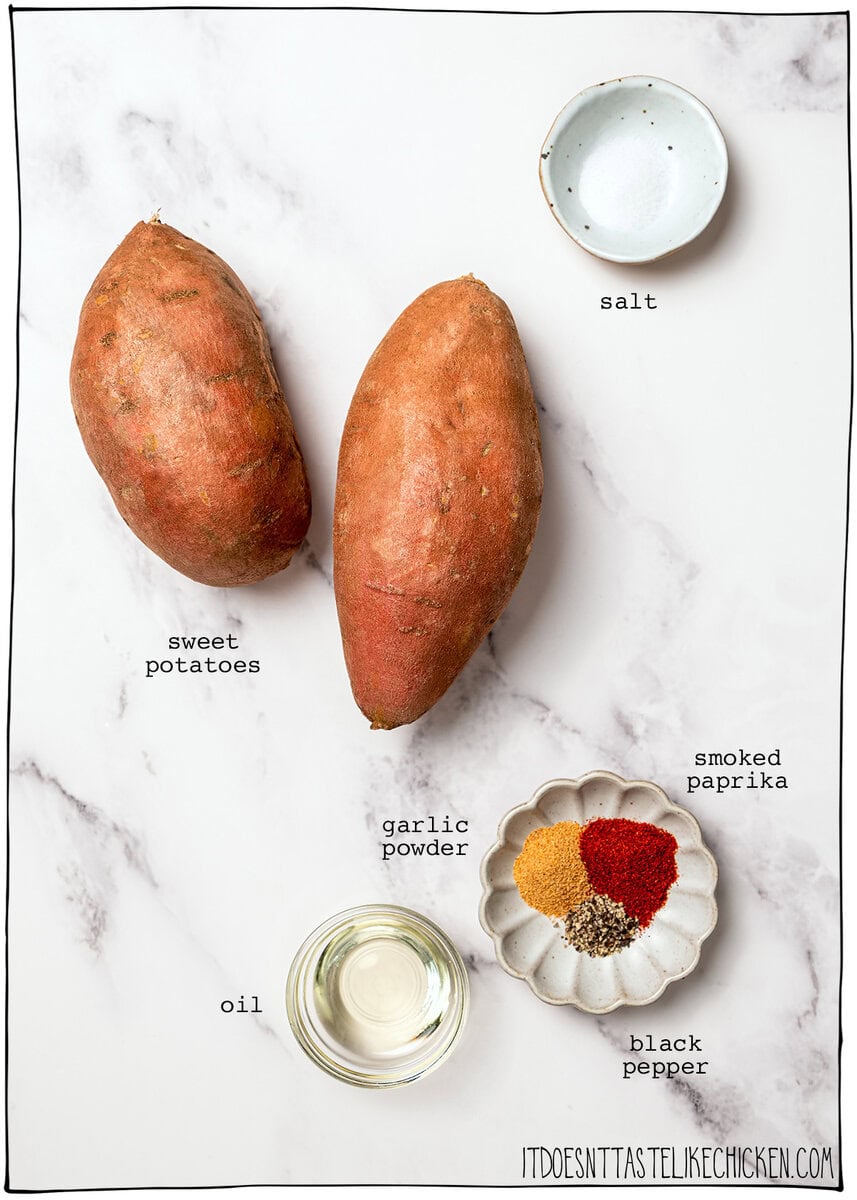
- Selection and Preparation of Sweet Potatoes: Choose medium-sized sweet potatoes, ensuring they are firm and free from blemishes. Wash them thoroughly.
- Cutting: The shape of the cut can influence cooking time and texture. Common cuts include wedges, cubes, or fries. Aim for uniform sizes to ensure even cooking. For instance, cutting them into ½-inch thick fries or 1-inch cubes is a good starting point.
- Seasoning: Toss the cut sweet potatoes in a small bowl with a light coating of oil, such as olive oil, avocado oil, or coconut oil. Seasonings can range from simple salt and pepper to more complex blends like paprika, garlic powder, onion powder, chili powder, or even cinnamon and nutmeg for a touch of sweetness.
- Air Frying: Arrange the seasoned sweet potatoes in a single layer in the air fryer basket. Overcrowding will lead to steaming rather than crisping, so cook in batches if necessary. Air fry at approximately 375°F (190°C) for 12-20 minutes, depending on the size of the pieces and the specific air fryer model. It is crucial to shake the basket halfway through the cooking time to ensure even browning and crisping on all sides.
- Testing for Doneness: The sweet potatoes are ready when they are tender when pierced with a fork and have achieved a golden-brown, slightly crispy exterior.
Timeline of Development and Adoption
While the concept of roasting root vegetables is ancient, the advent of the air fryer in the early 2010s revolutionized home cooking. Brands like Philips introduced the first commercially successful air fryer, quickly followed by numerous competitors. The appliance gained rapid popularity due to its promise of healthier, faster, and more convenient cooking. Recipes for air fryer sweet potatoes began to proliferate online and in cookbooks shortly after, reflecting a growing consumer interest in utilizing the appliance for everyday meals and side dishes.
Expert Insights and Culinary Recommendations
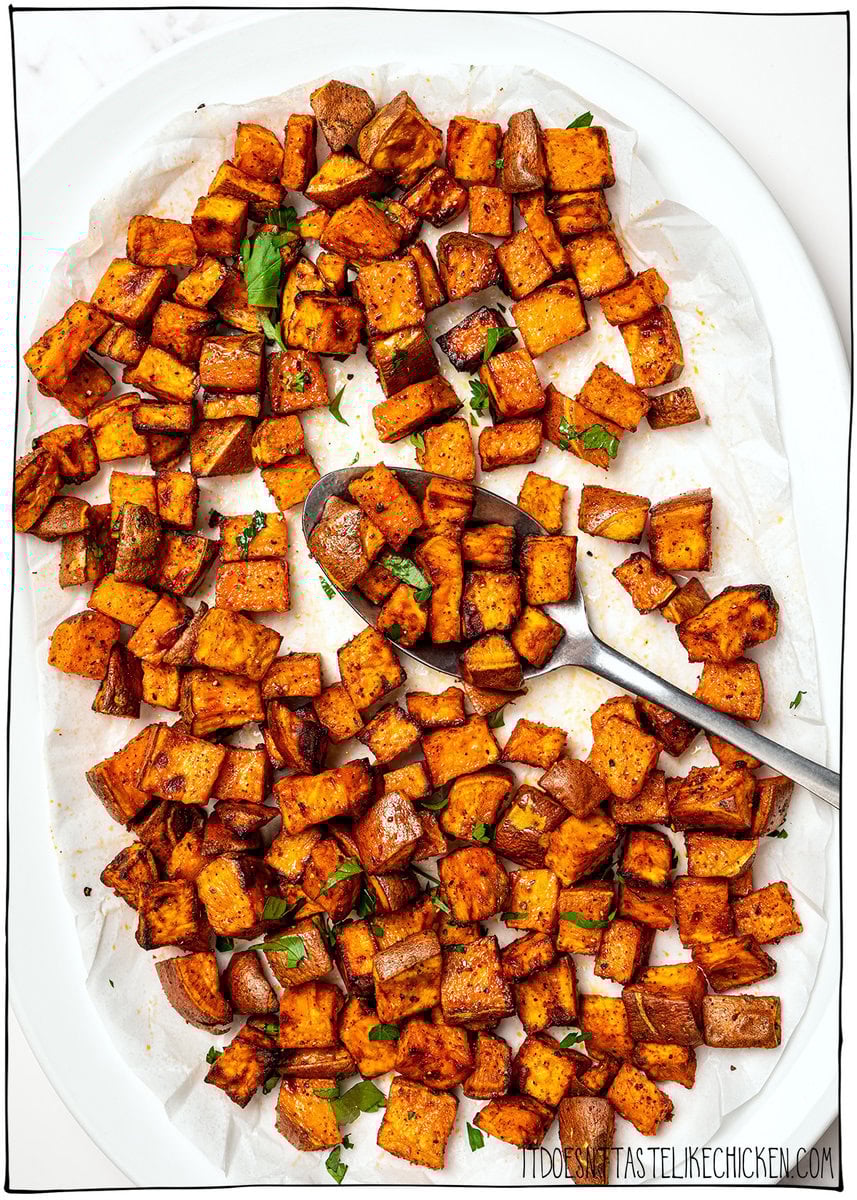
Culinary professionals and food bloggers consistently highlight the air fryer’s efficacy in achieving superior sweet potato textures. Sam Turnbull, a prominent food blogger, emphasizes the "perfectly crispy on the outside and soft and fluffy inside" outcome, noting the speed and minimal oil usage as key advantages. He suggests that the method is "a go-to method" for its consistent results and adaptability.
From a nutritional standpoint, registered dietitians often endorse air frying as a healthier cooking method. They point to the significant reduction in added fats compared to traditional frying, while still preserving the inherent nutrients of the food. The ease of preparation also encourages greater consumption of vegetables, contributing to overall dietary well-being.
Broader Impact and Consumer Trends
The popularity of air fryer sweet potatoes is indicative of broader trends in home cooking. Consumers are increasingly seeking:
- Convenience: Quick preparation and minimal cleanup are highly valued.
- Health and Wellness: A growing awareness of the link between diet and health drives demand for healthier cooking methods and nutrient-dense foods.
- Versatility: Appliances and recipes that can be used in multiple ways offer greater value and flexibility in the kitchen.
- Flavor and Texture: Consumers are not willing to sacrifice taste and enjoyment for health; they desire dishes that are both healthy and delicious.
The rise of the air fryer and its application to staples like sweet potatoes reflects a shift towards more efficient, health-conscious, and versatile home cooking practices. This trend is likely to continue as consumers embrace innovative kitchen technologies that align with their lifestyle and dietary goals.
Storage and Reheating Protocols
For optimal quality, air fryer sweet potatoes are best consumed fresh. However, they store well for future consumption. To store, allow the cooked sweet potatoes to cool completely. Place them in an airtight container and refrigerate for up to four days. Reheating is most effectively done in the air fryer itself. Reheat at approximately 375°F (190°C) for 3 to 5 minutes, or until they are heated through and have regained some of their crispness. Microwaving can result in a softer, less desirable texture.
Conclusion: A Staple Elevated
The air fryer sweet potato represents a culinary triumph of modern kitchen technology applied to a beloved and nutritious vegetable. Its ability to deliver exceptional texture with minimal oil, combined with its inherent health benefits and remarkable versatility, solidifies its place as a go-to preparation method for home cooks seeking both health and flavor. As air fryer technology continues to evolve and consumer preferences lean towards efficient and wholesome eating, the air fryer sweet potato is poised to remain a celebrated staple on dinner tables worldwide.