Refreshing Coconut Lime Sorbet
Refreshing Coconut Lime Sorbet: A Tropical Escape for Your Palate
Creating a truly revitalizing and intensely flavorful coconut lime sorbet is an exercise in balancing sweet, tart, and creamy elements. Unlike ice cream, sorbet eschews dairy for a lighter, more palate-cleansing experience, making the quality of its core ingredients paramount. The foundation of this tropical delight rests on two key players: fresh coconut and vibrant lime. Opting for fresh, mature coconuts offers a depth of flavor and a richer mouthfeel that simply cannot be replicated with pre-packaged coconut milk or cream, although convenient options exist for those with time constraints. The ideal coconut for sorbet preparation is one that has been recently harvested, exhibiting a firm flesh and a plentiful supply of clear, sweet coconut water. This water, often discarded in other preparations, is a treasure trove of subtle coconut essence and natural sweetness, contributing significantly to the sorbet’s overall profile. For lime, the goal is to harness its bright, zesty character without overwhelming the delicate coconut. Freshly squeezed lime juice is non-negotiable. Bottled juices, while convenient, often lack the pungent aroma and crisp acidity that define authentic lime flavor. Experimenting with different lime varieties, such as Key limes or Persian limes, can introduce subtle nuances, but standard Tahiti limes will provide a reliably robust and refreshing tartness. The process begins with carefully extracting the coconut meat. This involves cracking the mature coconut, draining the water, and then meticulously separating the white flesh from the hard brown shell. A sharp knife or a specialized coconut scraper is indispensable for this task. Once freed, the coconut meat should be rinsed to remove any residual brown husk, which can impart an undesirable bitterness. The flesh is then typically chopped into manageable pieces, preparing it for its transformation into a smooth, creamy base.
The critical step in achieving a superior sorbet texture is the blending of the coconut flesh with its own water and a sweetener. The coconut meat, once chopped, is combined with the reserved coconut water in a high-powered blender. The objective here is to create a silky-smooth puree, devoid of any fibrous remnants. Patience and a good blender are key; pulse and blend until the mixture achieves a homogeneous consistency, resembling thick cream. This unadulterated coconut milk forms the soul of the sorbet, providing its inherent creaminess and a subtle, sweet undertone. The sweetener is where the balance truly comes into play. While granulated sugar is a common choice, a simple syrup, made by dissolving equal parts sugar and water over low heat, offers a smoother incorporation into the cold mixture, preventing any grittiness. The amount of sweetener will depend on the natural sweetness of the coconut and personal preference. A good starting point is a ratio of about 1:4 sweetener to coconut puree, but tasting and adjusting is essential. Some recipes might incorporate a small amount of honey or agave nectar for added complexity, but pure cane sugar or simple syrup maintains the pristine tropical flavor profile. A pinch of salt, often overlooked, is a vital enhancer. It doesn’t make the sorbet salty; instead, it amplifies the inherent sweetness of the coconut and the tartness of the lime, creating a more pronounced and satisfying flavor experience. This foundational coconut base, once blended and seasoned, is then chilled thoroughly before proceeding to the lime infusion and freezing stages.
The integration of lime is where the sorbet truly earns its "refreshing" moniker. Once the coconut base has been blended and seasoned, the freshly squeezed lime juice is introduced. The quantity of lime juice is a matter of personal taste and the potency of your limes. Begin with a conservative amount, perhaps the juice of two to three limes, and gradually increase it until the desired level of tartness is achieved. It’s crucial to taste the mixture after each addition of lime juice. The goal is a vibrant, zesty punch that cuts through the richness of the coconut without being overwhelmingly sour. The sorbet should taste noticeably tart, as the sweetness will become more prominent once the mixture is frozen. Some chefs advocate for the inclusion of a small amount of lime zest, carefully grated to avoid the bitter pith. Lime zest carries the aromatic oils of the fruit, adding another layer of fragrant complexity that complements the juice beautifully. A teaspoon or two of finely grated zest can elevate the sorbet from simply tart to exquisitely aromatic. After adding the lime juice and zest, the entire mixture should be stirred thoroughly and then chilled again. This second chilling period is crucial for allowing the flavors to meld and harmonize. An overnight rest in the refrigerator is ideal, ensuring the coconut and lime notes fully integrate, creating a cohesive and deeply satisfying flavor profile. This resting period also ensures the mixture is sufficiently cold before it enters the ice cream maker, promoting faster freezing and a smoother texture.
The freezing process is the final transformative stage, converting a liquid mixture into a delightful sorbet. The method employed will largely depend on the equipment available. The most common and efficient approach involves using an ice cream maker. Ensure your ice cream maker’s bowl is fully frozen according to the manufacturer’s instructions; this is a critical step for proper churning. Pour the thoroughly chilled coconut lime base into the pre-frozen ice cream maker and churn according to the manufacturer’s guidelines, typically for 20 to 30 minutes. The churning process incorporates air into the mixture, which is essential for achieving a lighter, fluffier texture, and simultaneously scrapes the sides of the bowl, preventing the formation of large ice crystals. This mechanical action is what differentiates a churned sorbet from a simple frozen block. As the sorbet churns, it will gradually thicken, reaching a soft-serve consistency. Once it has reached this stage, it’s ready for its final freeze. If you do not have an ice cream maker, an alternative method involves repeatedly stirring the mixture as it freezes. Pour the chilled base into a shallow, freezer-safe container. Place it in the freezer and, every 30 to 45 minutes for the first few hours, remove it and vigorously stir the mixture with a fork or whisk, breaking up any ice crystals that have formed. This manual churning is more labor-intensive but can still yield a satisfactory sorbet.
The final maturation in the freezer is as important as the initial churning for optimal texture. Once the sorbet has reached a soft-serve consistency, either from an ice cream maker or manual stirring, transfer it to an airtight container. Press a piece of parchment paper directly onto the surface of the sorbet to prevent ice crystal formation on the top layer, then seal the container. Place the container in the freezer for at least four to six hours, or preferably overnight, to allow it to firm up to a scoopable consistency. This final freezing period allows the sorbet to fully harden and develop its characteristic texture. Over-freezing, however, can result in a very hard sorbet that requires significant thawing time before serving. The ideal serving temperature is when the sorbet is firm but yields slightly to the scoop, offering a delightful balance of texture and flavor. Proper storage is key to maintaining the quality of your homemade sorbet. Always use airtight containers to prevent freezer burn and the absorption of unwanted odors from other frozen items. The parchment paper layer remains a crucial barrier against ice crystals.
Variations and enhancements can elevate your coconut lime sorbet to new heights, catering to diverse palates and occasions. For those seeking an even more intense tropical experience, consider infusing the coconut milk with fresh ginger. A small knob of peeled, grated ginger added to the coconut milk during the initial blending phase can impart a subtle warmth and a delightful spicy counterpoint to the sweet and tart elements. Strain out the ginger solids after blending to ensure a smooth sorbet. Another exciting avenue is the incorporation of other tropical fruits. A handful of frozen mango chunks or pineapple pieces can be blended along with the coconut and lime, creating a vibrant, multi-layered fruit sorbet. The natural sweetness and distinct flavors of these fruits will harmonize with the coconut and lime, resulting in a more complex and visually appealing dessert. For a touch of elegance and an additional aromatic dimension, a hint of floral notes can be introduced. A small amount of food-grade rosewater or orange blossom water, added sparingly, can lend a subtle, ethereal fragrance that complements the tropical profile beautifully. Be cautious with these additions, as they can easily overpower the primary flavors. For a richer, slightly creamier sorbet without resorting to dairy, a small amount of good-quality coconut cream can be blended into the base. This will naturally increase the fat content, leading to a smoother, more decadent texture, though it slightly deviates from the pure sorbet ideal.
For a visually striking and flavor-enhancing garnish, consider toasted coconut flakes. Toasting brings out a nutty depth and delightful crunch that contrasts wonderfully with the smooth sorbet. Arrange them artfully on top of a scoop. Fresh mint leaves offer a vibrant green contrast and a burst of refreshing aroma. A thin sliver of lime rind, carefully pared to avoid the pith, can also serve as an attractive and aromatic garnish. If you’re aiming for a more playful presentation, a drizzle of passion fruit coulis can add a tangy, vibrant topping that further amplifies the tropical theme. The bright orange hue of the passion fruit also creates a stunning visual contrast against the pale sorbet. For those with a penchant for subtle spice, a whisper of cayenne pepper, added very judiciously to the base during the blending stage, can create an intriguing sweet-spicy dynamic. It’s an adventurous addition that can surprise and delight, offering a unique twist on the classic. When serving, allow the sorbet to temper slightly at room temperature for a few minutes. This softens it just enough to make scooping easier and releases its full aromatic potential. This also prevents the sorbet from feeling overly frozen and hard on the palate, allowing the nuanced flavors of coconut and lime to shine.
From a nutritional perspective, coconut lime sorbet offers a lighter alternative to traditional ice cream. While still a treat, it generally contains less saturated fat and no cholesterol compared to dairy-based desserts. The natural sugars are derived primarily from the coconut water and added sweetener, making it a choice where the quality of ingredients, especially the sweetener, can be a consideration for health-conscious individuals. Opting for natural sweeteners like agave or a minimal amount of pure maple syrup can be alternatives, though they may subtly alter the flavor profile. The primary benefit lies in its refreshing quality and its ability to satisfy a sweet craving without the heaviness often associated with richer desserts. The natural electrolytes present in coconut water can also contribute a slight hydrating benefit, particularly welcome after physical activity or in warm weather. The simplicity of its core ingredients – coconut, lime, and sweetener – allows for a focus on clean, vibrant flavors. When preparing sorbet, the emphasis shifts from indulgence to refreshment, making it an ideal dessert for a wide range of dietary preferences and occasions. Its dairy-free and often vegan nature also makes it accessible to a broader audience. The inherent simplicity of the sorbet base also lends itself to easier digestion for many individuals compared to richer, dairy-laden frozen desserts. This makes it a compelling choice for those with lactose sensitivities or other digestive considerations.
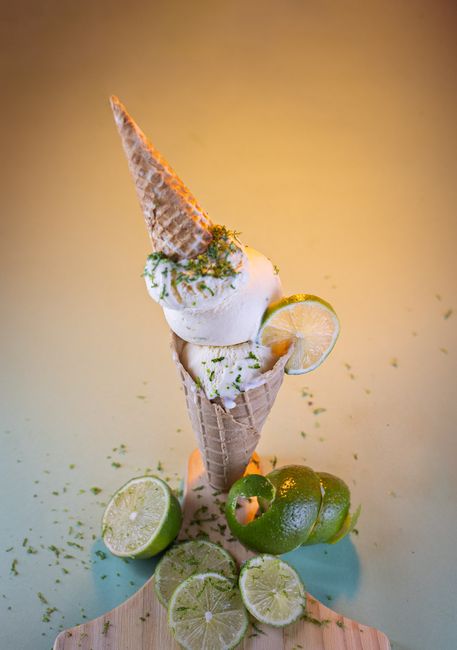
The aesthetic appeal of coconut lime sorbet is undeniable. Its pale, creamy hue, reminiscent of sun-drenched beaches, immediately evokes a sense of tropical escape. The visual promise of refreshment is further enhanced by its smooth, glistening surface when perfectly churned. Garnish plays a significant role in elevating its presentation. The vibrant green of fresh mint leaves provides a striking contrast, while toasted coconut flakes add texture and a golden shimmer. A delicate lime wheel perched on the rim of a serving glass or a dusting of finely grated lime zest can further accentuate its natural beauty. For a more sophisticated presentation, consider serving the sorbet in chilled coupe glasses or elegant bowls. The way the light catches the subtle sheen of the sorbet can be mesmerizing, hinting at the delightful flavors within. Experimenting with serving vessels can transform a simple dessert into a culinary statement. For instance, serving individual portions in hollowed-out lime halves or miniature coconut shells offers an immersive, thematic experience that is both playful and sophisticated. The subtle aroma that wafts from a well-chilled sorbet, a delicate interplay of coconut sweetness and lime zest, is an integral part of its sensory appeal. This olfactory prelude primes the palate for the refreshing taste sensation to come. The visual and aromatic elements work in concert to create a complete and satisfying dessert experience, extending beyond mere taste.
The ideal serving temperature is crucial for experiencing the sorbet at its best. Too cold, and the flavors are muted, and the texture is excessively hard, making it difficult to scoop and enjoy. Too warm, and it loses its structure, melting too quickly into an unappealing liquid. The sweet spot is when the sorbet is firm enough to hold its shape when scooped but yields with a slight resistance. This allows the individual flavor notes to be clearly perceived and appreciated. A few minutes of tempering at room temperature is often all that’s needed to achieve this perfect consistency. A gentle poke with a serving spoon should reveal a slight give. This also allows the volatile aromatic compounds to release more readily, enhancing the overall sensory experience. When scooping, use a warmed serving spoon; dipping it in hot water for a moment before scooping can make the process smoother and result in more aesthetically pleasing, rounded scoops. This small detail can significantly impact the presentation and the ease with which the sorbet is served. The textural contrast that emerges as the sorbet melts slightly on the tongue is another key element of its appeal. The initial firm bite gives way to a smoother, creamier sensation, a delightful dance of textures that keeps the palate engaged. This dynamic texture contributes to its refreshing character, as it constantly evolves with each spoonful.
Understanding the science behind sorbet making can further refine your technique. The key to a smooth texture lies in minimizing ice crystal formation. This is achieved through several factors: the rapid freezing of a well-chilled base, the incorporation of air through churning, and the presence of stabilizing ingredients. Sugar plays a dual role: it sweetens and it lowers the freezing point of water. A higher sugar content generally leads to a softer, smoother sorbet, but too much can make it overly sweet and syrupy. Alcohol, such as a tablespoon of vodka or rum, can also lower the freezing point and contribute to a smoother texture, though its flavor must be carefully considered to avoid overpowering the coconut and lime. The fat content in the coconut (from the flesh and potentially added cream) also contributes to a smoother mouthfeel by interfering with ice crystal growth. In the absence of an ice cream maker, the goal is to break up ice crystals as they form. This is why the frequent stirring is so important. Each stirring session disrupts the nascent ice crystals, preventing them from growing into large, unpleasant shards. The churning process in an ice cream maker automates this crucial step, making it far more efficient and reliable for achieving superior results. The aeration provided by churning also lightens the sorbet, preventing it from feeling dense or heavy. This is a key differentiator between a well-made sorbet and a simple frozen fruit puree.
The versatility of coconut lime sorbet extends beyond a simple dessert. It can serve as a palate cleanser between courses in a multi-dish meal, its bright acidity cutting through richer flavors. It can also be incorporated into more complex dessert creations. Imagine layering it with fresh tropical fruits like sliced mangoes, papayas, and star fruits for a vibrant fruit salad. A dollop of sorbet can be added to a warm fruit tart for a delightful hot-and-cold contrast. It can also be used as a refreshing base for smoothies or mocktails. Blend it with a splash of coconut water, a few fresh mint leaves, and a squeeze of lime for an invigorating beverage. For a more adult beverage, a shot of white rum or tequila can transform it into a tropical cocktail. The simplicity of its flavor profile makes it a canvas for culinary creativity. Its inherent dairy-free nature also makes it a universally appealing option for entertaining guests with varying dietary needs. When serving it as a palate cleanser, smaller portions are typically offered, emphasizing its refreshing and cleansing properties rather than its dessert-like qualities. The subtle tartness is key here, effectively resetting the palate for the next course. The adaptability of this sorbet makes it a valuable addition to any home cook’s repertoire, offering a simple yet elegant solution for a variety of culinary needs.