
Sous Vide Cold Brew Coffee

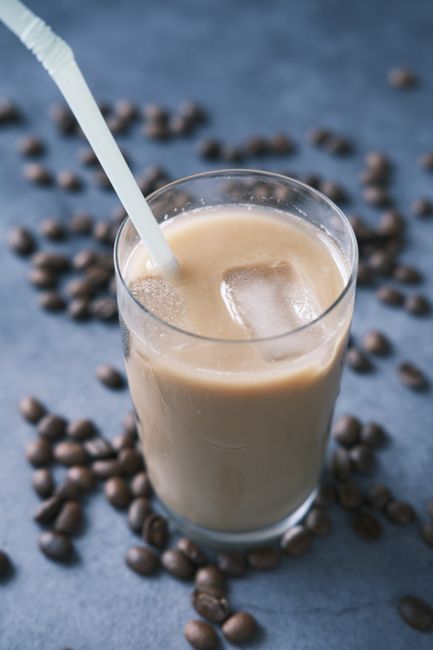
The Definitive Guide to Sous Vide Cold Brew Coffee: Precision, Flavor, and Efficiency
Sous vide cold brew coffee represents a significant advancement in home coffee preparation, leveraging precise temperature control and immersion techniques to extract superior flavor and aroma compounds. Unlike traditional cold brewing methods that rely solely on time and ambient temperature, sous vide elevates the process by allowing for controlled, consistent, and often accelerated extraction. This method unlocks a smoother, less acidic, and more nuanced coffee experience, making it an attractive option for both novice home baristas and seasoned coffee enthusiasts seeking to refine their craft. The fundamental principle behind sous vide cold brew is the gentle and consistent heating of coffee grounds and water in a sealed environment. This controlled temperature, typically ranging from room temperature to just below boiling, allows for optimal solubility of desirable flavor compounds while minimizing the extraction of bitter or astringent notes that can arise from over-extraction or heat-induced degradation. The immersion circulator, the heart of any sous vide setup, maintains the water bath at a precise temperature, ensuring that every batch of coffee is brewed to the same exacting standards. This eliminates the variability inherent in traditional cold brewing, where fluctuations in room temperature or brewing time can lead to inconsistent results.
The science underpinning sous vide cold brew lies in the principle of thermodynamics and solubility. Coffee beans are complex matrices of organic compounds, including lipids, proteins, carbohydrates, and a vast array of volatile aromatic molecules. When coffee grounds interact with water, these compounds begin to dissolve. Traditional cold brewing relies on the slow, passive diffusion of these solubles over extended periods, typically 12 to 24 hours. This extended immersion at low temperatures favors the extraction of less soluble, more desirable flavor compounds, resulting in a smoother, sweeter brew with lower acidity. Sous vide, however, introduces a controlled thermal element. By raising the temperature slightly, the solubility of certain compounds is increased, allowing for a more efficient extraction within a shorter timeframe. The key is to find the sweet spot; too high a temperature will risk extracting unwanted bitter compounds, while too low a temperature will negate the acceleration benefits. Optimal temperatures for sous vide cold brew typically fall between 55°C (131°F) and 75°C (167°F). Within this range, water becomes a more effective solvent for the flavor-rich compounds without promoting the formation of bitterness. The sealed nature of the sous vide bag also plays a crucial role. By preventing evaporation and trapping volatile aromas, the sealed environment ensures that all the extracted flavors and fragrances remain within the brewing medium, contributing to a more intense and aromatic final product. This containment also minimizes oxidation, a process that can degrade coffee flavors and introduce stale notes, particularly during prolonged brewing.
The equipment required for sous vide cold brew coffee is relatively straightforward and increasingly accessible. The cornerstone is a sous vide immersion circulator, a device that heats and circulates water in a container. These range from basic, affordable models to more advanced units with integrated timers and Wi-Fi connectivity. The second essential component is a suitable container for the water bath. This can be a dedicated sous vide container, a large stockpot, or even a sturdy plastic food-grade tub. Crucially, the container must be large enough to accommodate the food-safe, heat-resistant vacuum-seal bags or high-quality resealable zipper-lock bags that will hold the coffee grounds and water. Vacuum sealers are highly recommended for optimal results, as they create a truly airtight seal, preventing any contamination or aroma loss. However, good quality zipper-lock bags with the water displacement method can also yield excellent results. The water displacement method involves submerging the bag with the coffee and water, gradually pushing out the air as you seal it, thereby minimizing the air pocket. For grinding the coffee, a burr grinder is essential for achieving a consistent particle size, which is critical for even extraction. Blade grinders produce an uneven mix of fine and coarse particles, leading to both over- and under-extraction simultaneously. The coffee-to-water ratio is another critical variable. A common starting point for sous vide cold brew is a 1:4 ratio of coffee to water by weight, meaning for every gram of coffee, you use four grams of water. This will yield a highly concentrated brew that can be diluted to taste. Experimentation with ratios, however, is encouraged to find personal preference. Finally, a fine-mesh sieve or a cheesecloth-lined strainer will be needed to separate the coffee grounds from the liquid concentrate after the brewing process.
The process of brewing sous vide cold brew coffee is a systematic and rewarding endeavor. Begin by selecting high-quality, freshly roasted coffee beans. The origin, roast level, and processing method of the beans will significantly influence the final flavor profile. For a smoother, more chocolatey profile, consider a medium to dark roast from Brazil or Colombia. For brighter, fruitier notes, explore light roasts from Ethiopia or Kenya. Grind the coffee beans to a coarse consistency, similar to that used for French press. This coarseness ensures that the grounds will be easily separated later and prevents excessive fines from clouding the brew. Place the ground coffee into your sous vide bag. Then, add the measured water. The water should be filtered for the purest flavor. A good starting point for the coffee-to-water ratio is 1:4 (coffee:water by weight). For example, if you use 100 grams of coffee, you would use 400 grams of water. Once the coffee and water are in the bag, carefully seal it. If using a vacuum sealer, remove as much air as possible. If using zipper-lock bags, employ the water displacement method. Submerge the bag in the water bath, leaving a small opening at the top. As you lower the bag, the water pressure will push the air out. Once most of the air is expelled, carefully seal the bag completely. Place the sealed bag into your preheated sous vide water bath. The optimal temperature range for sous vide cold brew is typically between 55°C (131°F) and 75°C (167°F). A common recommendation is around 65°C (149°F). The brewing time is significantly shorter than traditional cold brewing, often ranging from 1 to 4 hours, depending on the chosen temperature and desired strength. Higher temperatures generally require shorter brewing times. After the brewing cycle is complete, carefully remove the bag from the water bath. Allow the bag to cool slightly. Then, strain the coffee concentrate. This can be done by pouring the contents of the bag through a fine-mesh sieve lined with cheesecloth or a coffee filter. Gently press the grounds to extract any remaining liquid, but avoid excessive squeezing, which can introduce bitterness. The resulting liquid is a highly concentrated cold brew. Store this concentrate in an airtight container in the refrigerator for up to two weeks.
The flavor profile of sous vide cold brew coffee is where its superiority truly shines. The controlled temperature extraction minimizes the bitterness and acidity commonly associated with conventionally brewed coffee, even some cold brews. This results in a remarkably smooth, clean, and nuanced cup. The process allows for a more precise extraction of desirable flavor compounds, leading to a more pronounced expression of the coffee’s origin characteristics. For example, a single-origin Ethiopian coffee brewed via sous vide might exhibit vibrant floral notes and bright, delicate fruitiness with an unparalleled clarity. Conversely, a chocolatey Brazilian coffee could reveal deep cocoa undertones and a rich, velvety texture without any harshness. The lower acidity contributes to a more pleasant mouthfeel, making it ideal for those with sensitive stomachs or who prefer a less tart coffee experience. The absence of heat-induced degradation also preserves the delicate aromatic compounds, leading to a more fragrant and engaging aroma. This enhanced aromatic complexity translates into a richer and more satisfying sensory experience from the first whiff to the last sip. The ability to dial in the temperature and time allows for meticulous control over the extraction, enabling home baristas to fine-tune the brew to their exact preferences. If a particular batch is too weak, a slightly higher temperature or longer brew time can be employed. If it is too intense, a lower temperature or shorter duration will yield a mellower result. This level of precision empowers the user to consistently achieve their desired flavor profile, moving beyond the guesswork of traditional methods.
The advantages of sous vide cold brew coffee extend beyond flavor, encompassing efficiency, consistency, and versatility. Efficiency is a primary benefit, with brewing times significantly reduced compared to traditional cold brewing. While conventional methods can take 12 to 24 hours, sous vide can achieve excellent results in as little as 1 to 4 hours, making it feasible for busy individuals or for impromptu coffee cravings. This acceleration without compromising quality is a significant time-saver. Consistency is another major advantage. The precise temperature control and sealed brewing environment eliminate the variables that can lead to inconsistent results in traditional methods. Each batch brewed with the same parameters will yield virtually identical results, fostering confidence and repeatability. This is particularly valuable for those who entertain or have specific brewing standards. Versatility is also a key aspect. The concentrated nature of sous vide cold brew means it can be enjoyed in numerous ways. It can be diluted with water or milk to achieve desired strength and taste. It serves as an excellent base for iced coffee drinks, lattes, cappuccinos, and even coffee-based cocktails. The concentrated brew can be chilled and stored for later use, providing instant access to high-quality coffee without the need for daily brewing. Furthermore, the controlled environment of sous vide can be used to experiment with different brewing parameters, such as varying the coffee-to-water ratio, grind size, temperature, and brew time, to unlock unique flavor profiles specific to different coffee beans. This adaptability makes it a powerful tool for coffee exploration.
Troubleshooting common issues in sous vide cold brew is crucial for consistently achieving optimal results. One frequent problem is a bitter or astringent taste. This is often due to using too high a brewing temperature or brewing for too long. If the coffee tastes bitter, try reducing the temperature by 5-10°C or shortening the brewing time. Another cause can be a grind that is too fine, leading to over-extraction of bitter compounds. Ensure your grind is consistently coarse. If your coffee tastes weak or watery, it could be due to an insufficient coffee-to-water ratio or a grind that is too coarse for the chosen temperature and time. Increase the amount of coffee used or slightly decrease the water amount. Conversely, if the coffee is too strong or muddy, the opposite adjustment to the ratio or grind size may be necessary. A cloudy brew, often caused by excessive fines, can be mitigated by using a coarser grind and more thorough straining. Ensure your sieve is fine enough, and consider using a coffee filter in conjunction with a sieve for a cleaner result. If you detect an unusual or off-flavor, it’s likely due to the quality of your water or beans. Always use filtered water and fresh, high-quality coffee beans. Stale beans will produce stale coffee, regardless of the brewing method. Ensure your equipment is clean; any residual oils from previous brews can impart unwanted flavors. Finally, if the flavor lacks depth or complexity, experiment with different coffee bean origins, roast levels, and brewing parameters. The beauty of sous vide lies in its adjustability, so don’t be afraid to tweak the settings.
The future of sous vide cold brew coffee suggests continued innovation and refinement. As sous vide technology becomes more mainstream and affordable, its adoption among home coffee enthusiasts is likely to increase. We may see the development of specialized sous vide brewers designed specifically for coffee, incorporating features like integrated grinders, automatic dosing, and pre-programmed brewing profiles for various coffee types. The exploration of novel brewing parameters, such as the use of different water compositions (e.g., mineral-rich or de-mineralized water) and the introduction of flavor enhancers during the sous vide process (though this moves into more experimental territory), could lead to entirely new coffee experiences. Furthermore, the application of sous vide principles to other coffee preparation methods, such as controlled temperature espresso extraction or even the creation of highly concentrated, single-serve coffee pods, is a plausible avenue for future development. The emphasis will likely remain on precision, consistency, and the ability to extract the absolute best from every coffee bean, pushing the boundaries of what is achievable in home coffee brewing and further blurring the lines between professional and amateur coffee preparation. The continuous drive for enhanced flavor, reduced acidity, and greater convenience will undoubtedly fuel further research and development in this exciting area of coffee science.


