Toxic Tire Chemicals and the Battle for Pacific Northwest Coho Salmon: The Nisqually Tribe’s Race to Save a Keystone Species

Highway 7 carves a narrow, asphalt path through the verdant landscape of western Washington, a critical artery for commuters and commerce that simultaneously serves as a conduit for an invisible environmental catastrophe. As the characteristic late-winter rains of the Pacific Northwest saturate the region, they wash a lethal chemical cocktail from the road’s surface directly into the surrounding watershed. For the coho salmon of Ohop Creek, a vital spawning ground that snakes beneath the highway, this seasonal deluge has historically functioned as a death sentence. However, a coalition of Indigenous leaders, environmental scientists, and non-profit organizations is now deploying innovative biofiltration technology to intercept these toxins before they can decimate one of the region’s most iconic species.
The crisis centers on a specific chemical compound known as 6PPD-quinone. For decades, the phenomenon of "urban runoff mortality syndrome" baffled biologists. Healthy, adult coho salmon would return from the Pacific Ocean to freshwater streams to spawn, only to die within hours of a rain event. Affected fish exhibited distressing symptoms: they would lose equilibrium, spiral through the water as if intoxicated, and gasp for air at the surface despite the oxygen-rich water. In late 2020, a breakthrough study led by researchers at the University of Washington Tacoma identified the culprit. The chemical 6PPD is added to virtually every car tire on the planet to prevent the rubber from cracking and degrading when exposed to ozone. However, when 6PPD reacts with ozone in the atmosphere, it transforms into 6PPD-quinone—a substance that has proven to be acutely toxic to coho salmon even in minuscule concentrations.
The Nisqually Tribe’s Stewardship and the Cultural Stakes
The battle to mitigate 6PPD-quinone is being spearheaded by the Nisqually Tribe, whose ancestral lands encompass the Ohop Creek basin. For the more than 650 enrolled members of the Nisqually Tribe, the survival of the coho salmon is not merely an environmental concern; it is an existential one. The Tribe identifies as a "fishing people," and salmon are intrinsically linked to their diet, spiritual practices, and cultural identity. The 5,000-acre Nisqually reservation sits in the shadow of Mount Rainier, and the Tribe’s Department of Natural Resources has spent decades engaged in habitat restoration.
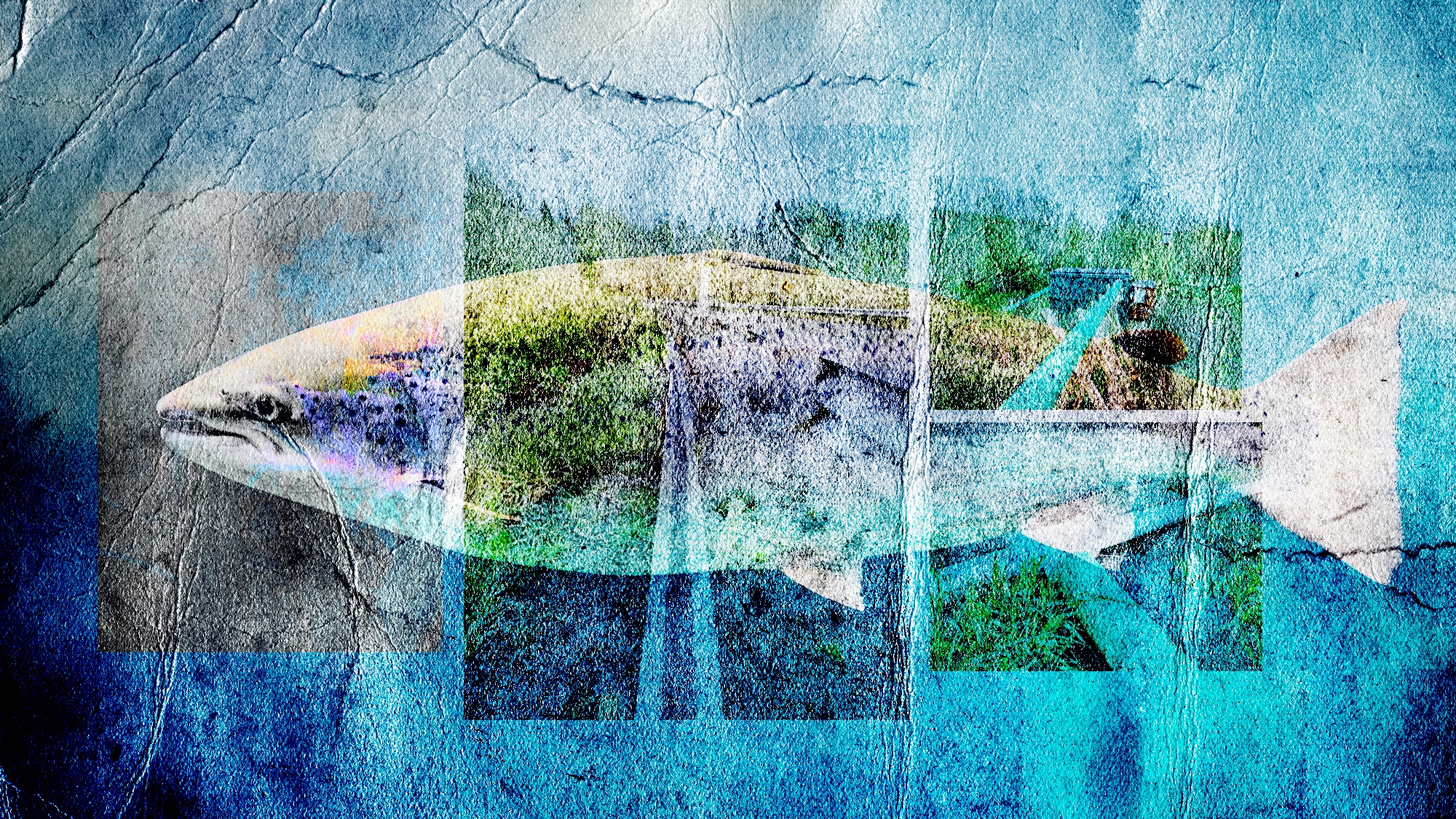
David Troutt, the Natural Resources Director for the Nisqually Tribe, describes the discovery of 6PPD-quinone as both a moment of terror and a "smoking gun." The realization that every vehicle on the road contributes to the mortality of a sacred species was sobering, yet it finally provided a specific target for remediation efforts. The economic stakes are equally high. According to data from the National Oceanic and Atmospheric Administration (NOAA), approximately 27 million pounds of coho salmon were harvested for consumption in the United States in 2019 alone. The collapse of these populations would ripple through the regional economy, impacting commercial fisheries, tourism, and Indigenous food sovereignty.
A Chronology of Discovery and Scientific Intervention
The path to identifying 6PPD-quinone was paved by nearly twenty years of observation and advanced chemical forensics.
- Early 2000s: Biologists first document mass die-offs of coho salmon in restored urban streams in the Puget Sound area. Despite improved habitat quality, up to 90% of returning adults were dying before they could spawn.
- 2010–2019: Researchers at the Washington State Center for Urban Waters begin narrowing down the potential sources of toxicity. They conclude that the deaths are tied specifically to stormwater runoff from roads.
- December 2020: Dr. Zhenyu Tian and a team of researchers publish a landmark paper in the journal Science. Using high-resolution mass spectrometry, they identify 6PPD-quinone as the primary toxicant.
- July 2021: Dr. Jenifer McIntyre, an assistant professor of aquatic toxicology at Washington State University, testifies before the U.S. House of Representatives, sounding the alarm on the threat tire chemicals pose to aquatic ecosystems.
- Late 2021 – Early 2022: The Nisqually Tribe, in partnership with the non-profit Long Live the Kings, begins the installation of pilot biofiltration systems at Ohop Creek to test real-world mitigation strategies.
The science behind the toxicity is particularly grim. 6PPD-quinone appears to cross the blood-brain barrier or interfere with the vascular systems of coho salmon, though the exact physiological mechanism is still being studied. While other salmon species, such as chum or Chinook, show some level of resilience, coho are uniquely sensitive, often succumbing to concentrations of the chemical equivalent to a single teaspoon in an Olympic-sized swimming pool.
Engineering a Solution: The Biofiltration Pilot
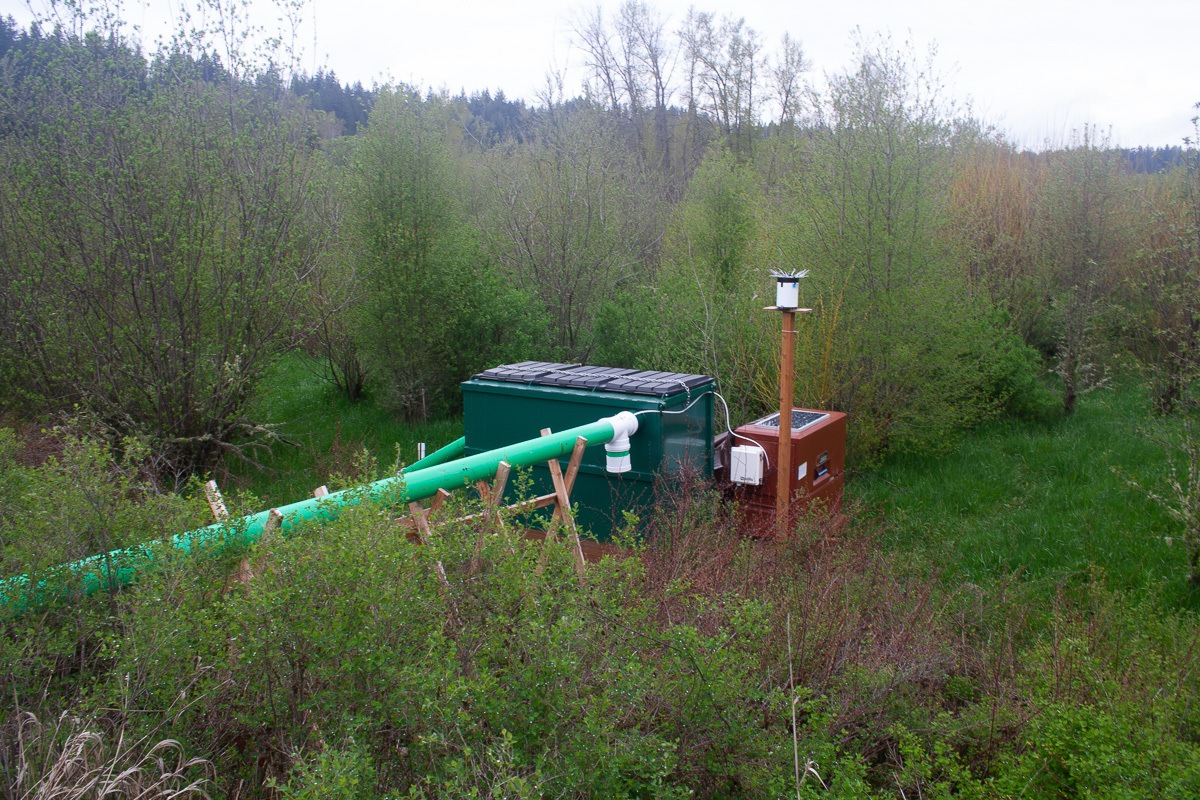
To combat the "smoking gun" on Highway 7, the Nisqually Tribe has implemented a biofiltration system designed to mimic the natural filtering capacity of forest floors. Developed in collaboration with Cedar Grove Composting and informed by the research of Dr. McIntyre, these systems are essentially large, dumpster-sized treatment boxes.
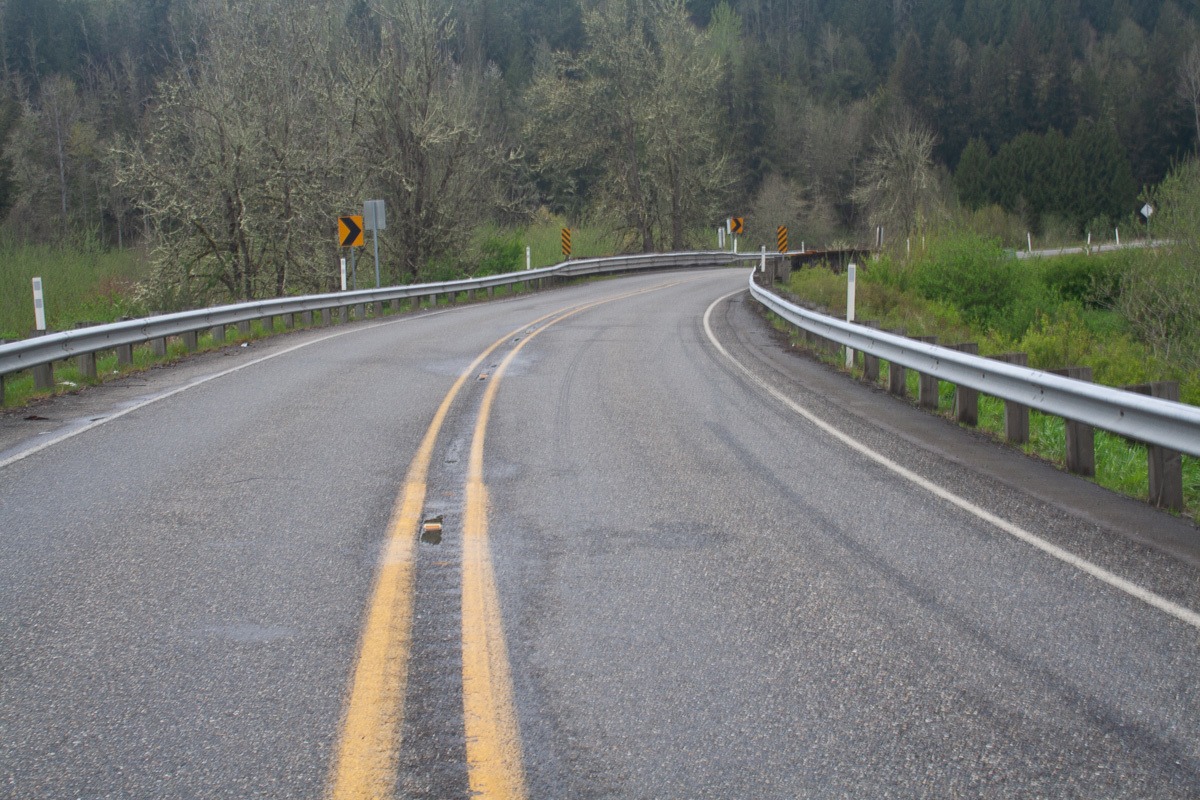
As rainwater flows off the impermeable surface of Highway 7, it is channeled into these containers rather than draining directly into Ohop Creek. Inside the boxes, the water passes through a specialized medium consisting of sand and organic matter. This "bioretention" process utilizes physical filtration and biological degradation to strip 6PPD-quinone and other roadway pollutants—including heavy metals and petroleum hydrocarbons—from the water.
Initial tests of similar "Bioretention Urban Retrofits" (BURitos) in cities like Bellevue, Washington, have shown remarkable success. Data indicates that these systems can remove virtually all the 6PPD-quinone from stormwater, allowing salmon to survive in treated runoff that would otherwise be lethal. The Highway 7 installation is unique because it is designed to be mobile and scalable, offering a potential blueprint for thousands of similar intersections across the Pacific Northwest.
Regulatory Responses and the Search for Alternatives
The identification of 6PPD-quinone has triggered a scramble within the regulatory and industrial sectors. The Washington State Department of Ecology has begun collaborating with the U.S. Tire Manufacturers Association (USTMA) to search for "salmon-safe" alternatives to 6PPD. However, the challenge is significant: 6PPD is critical for road safety, as it prevents tire blowouts caused by ozone degradation.
The USTMA has expressed a commitment to finding a replacement, but the process of chemical "alternatives assessment" is rigorous. Any new antioxidant must not only protect the tire but also be proven non-toxic to aquatic life—a high bar that could take years, if not a decade, to clear. In the interim, the Washington State Department of Ecology is exploring new regulations under the National Pollution Discharge Elimination System (NPDES), a program authorized by the Clean Water Act. These regulations could eventually require municipalities and departments of transportation to install biofiltration systems as a standard component of road infrastructure.
Broader Implications and the Long Road Ahead
While the biofiltration system at Ohop Creek represents a major step forward, experts warn that the problem of 6PPD-quinone is a "legacy" issue. Even if the tire industry were to switch to a safe alternative tomorrow, billions of tires currently in use will continue to shed toxic dust onto roadways for years to come. Furthermore, the chemical persists in the environment, meaning that sediment in urban watersheds may remain toxic long after the source is eliminated.
Dr. Zhenyu Tian, now an assistant professor at Northeastern University, emphasizes that several critical questions remain unanswered. Researchers are still investigating whether 6PPD-quinone enters the human food chain through the consumption of younger salmon or other affected aquatic species. While adult coho returning to spawn are generally not the ones harvested for the commercial market, the juvenile fish that spend their first year in contaminated creeks are part of a delicate ecological web.
The success of the Nisqually Tribe’s pilot program has provided a rare glimmer of hope in a decades-long ecological struggle. David Troutt and the Nisqually Department of Natural Resources are now lobbying state and federal representatives to fund the widespread implementation of these systems. The goal is to create a "buffered" landscape where the necessities of modern transportation no longer come at the cost of a species’ extinction.
As the rains continue to fall over western Washington, the boxes at Ohop Creek stand as a testament to the power of combining Indigenous stewardship with cutting-edge science. For the Nisqually people, the project is about more than just filtration; it is about honoring a covenant with the land and ensuring that the "spiraling" death of the coho salmon becomes a relic of the past, rather than the future of the Pacific Northwest.