The Art and Science of the All-Butter Pie Crust: A Technical Deep Dive into Pastry Architecture

The quest for the perfect pie crust has long been a pursuit of both culinary art and material science. Among the various methods employed by professional pastry chefs, the all-butter crust stands as the gold standard for flavor, color, and structural integrity. Unlike hybrid recipes that incorporate vegetable shortening to ease the handling process, an all-butter formulation relies on the specific thermodynamic properties of milk fat to create a distinct, flaky, and golden-brown result. This article examines the technical methodology behind the dual-stage butter incorporation technique, the chemical reactions that occur during the baking process, and the professional standards required to achieve a superior pastry.
The Material Science of Pastry Fats
The fundamental objective of any pie dough is to create a matrix of flour and fat that, when baked, results in distinct, crisp layers. In baking, fat serves as a "shortening" agent, coating flour proteins to prevent the excessive development of gluten, which would otherwise result in a tough, bread-like texture.
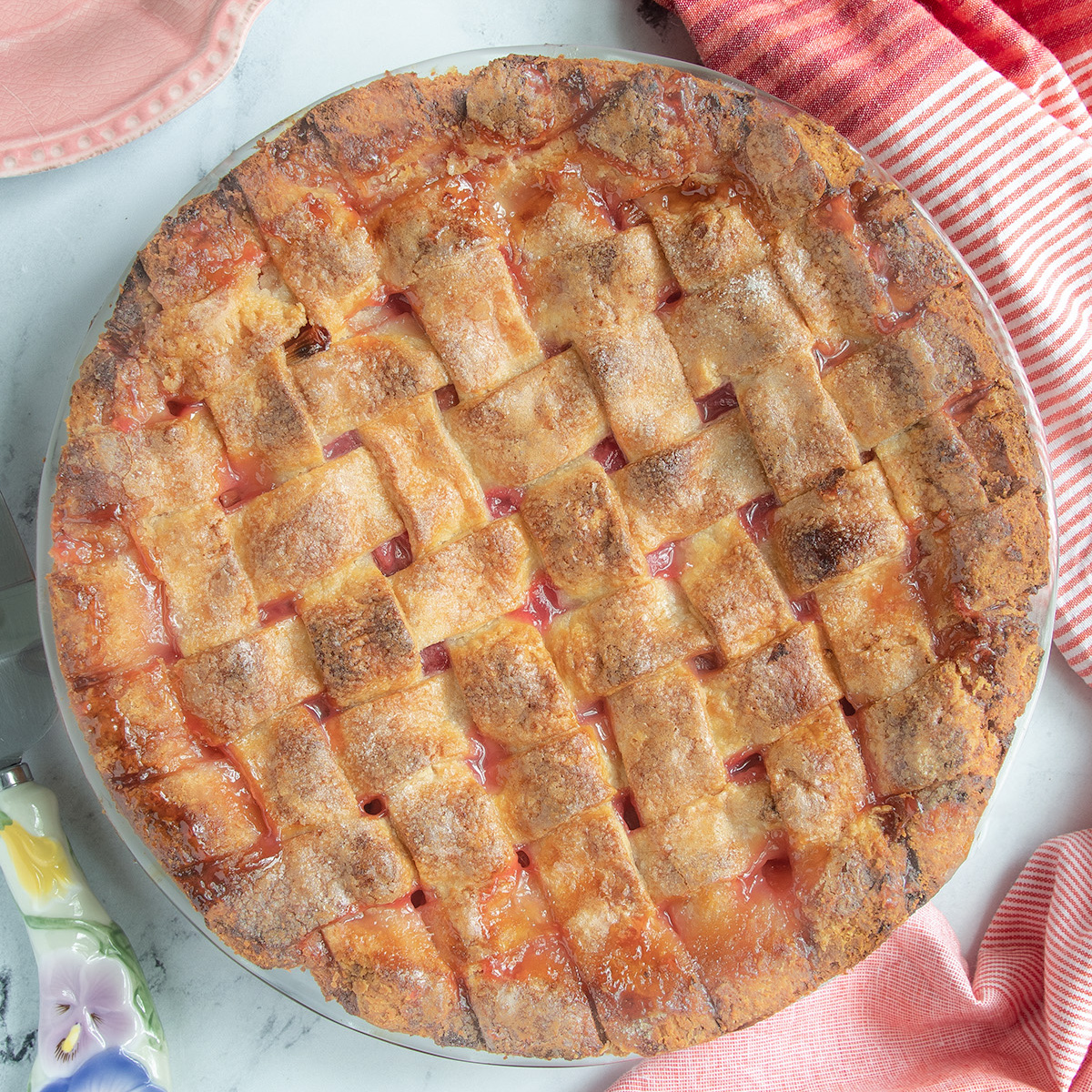
While shortening is 100% fat and remains solid at a wide range of temperatures, butter is approximately 80% to 82% fat, with the remainder composed of water and milk solids. This composition is critical to the baking process. When the crust is subjected to the high temperatures of an oven, the water content in the butter evaporates, creating steam. This steam expands, pushing apart the layers of flour and fat, resulting in the characteristic flakiness of a high-quality pastry. Simultaneously, the milk solids undergo the Maillard reaction—a chemical reaction between amino acids and reducing sugars—which provides the deep, golden-brown aesthetic and the complex, nutty flavor profile that shortening-based crusts cannot replicate.
Chronology of the Two-Stage Incorporation Technique
To optimize both tenderness and flakiness, pastry chefs have adopted a dual-stage incorporation method. This technique acknowledges that fat plays two distinct roles in the dough structure.
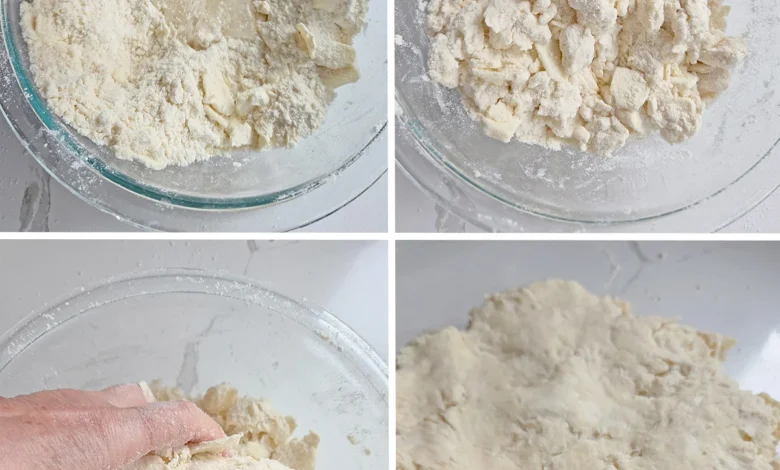
The process begins with the integration of room-temperature butter. By rubbing this softer fat into the flour mixture initially, the chef ensures that a significant portion of the flour particles is coated. This creates a tenderizing effect, as the flour is effectively "shortened" before the hydration process begins. This step is essential for creating a uniform, cohesive base that lacks the toughness often associated with poorly handled dough.
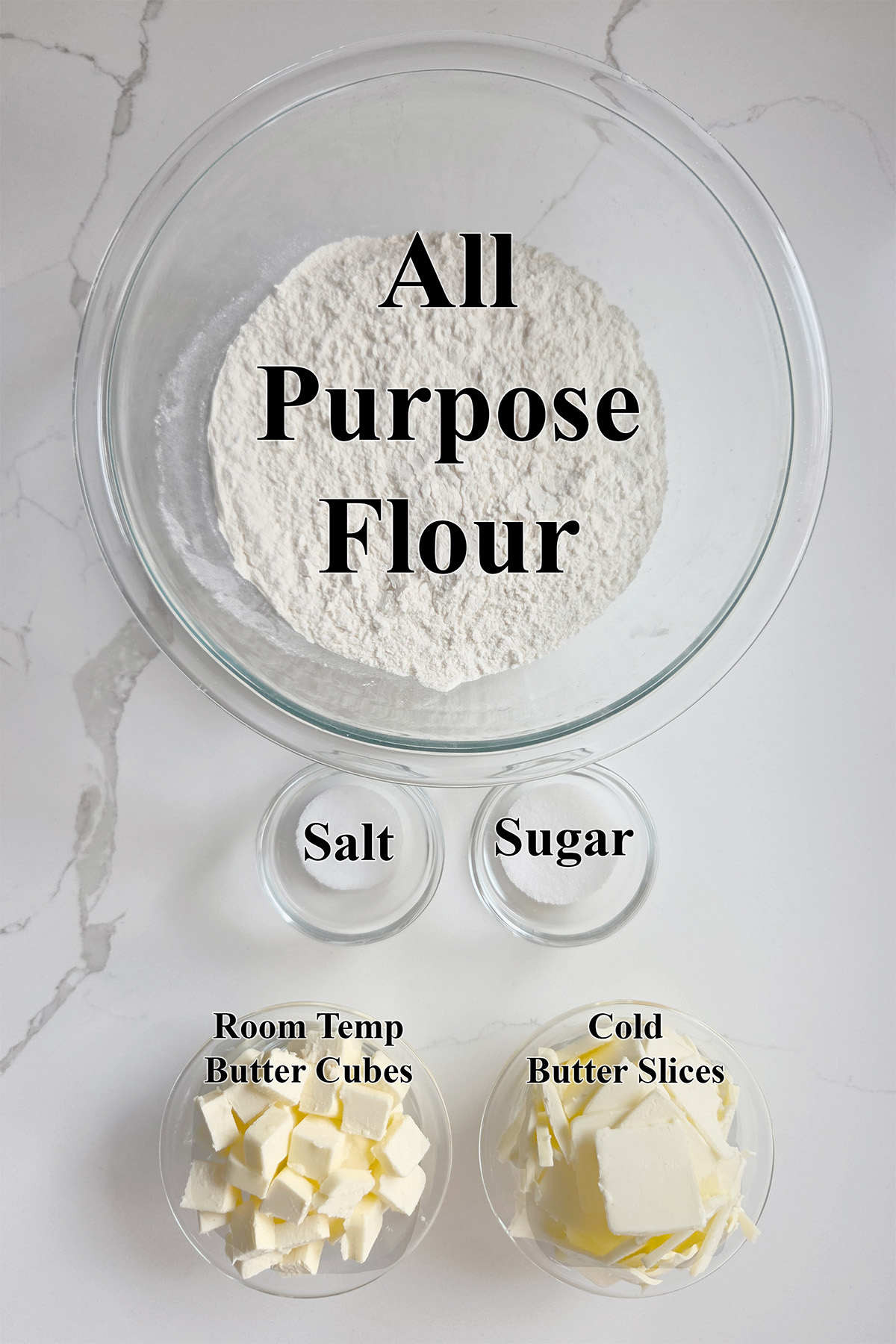
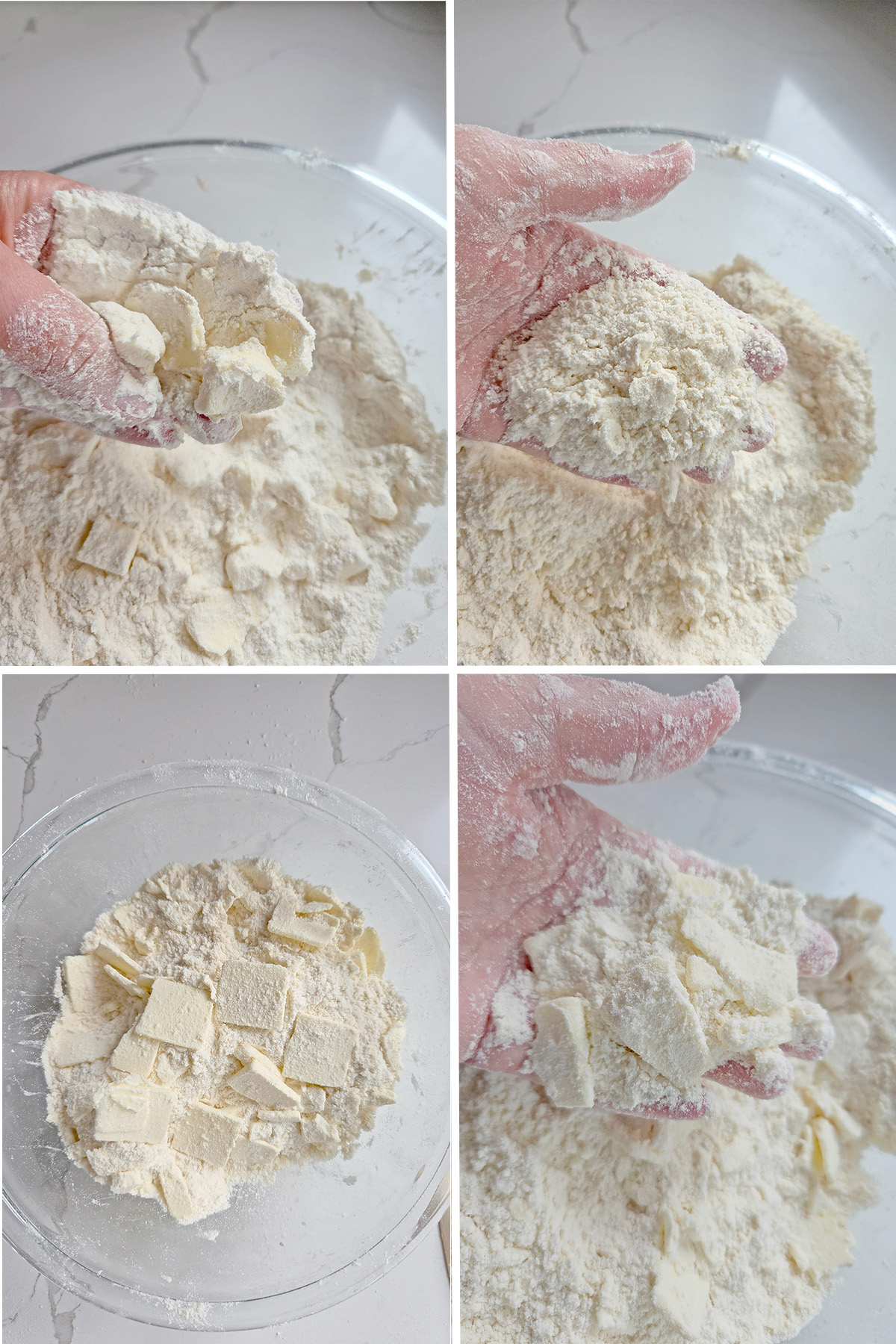
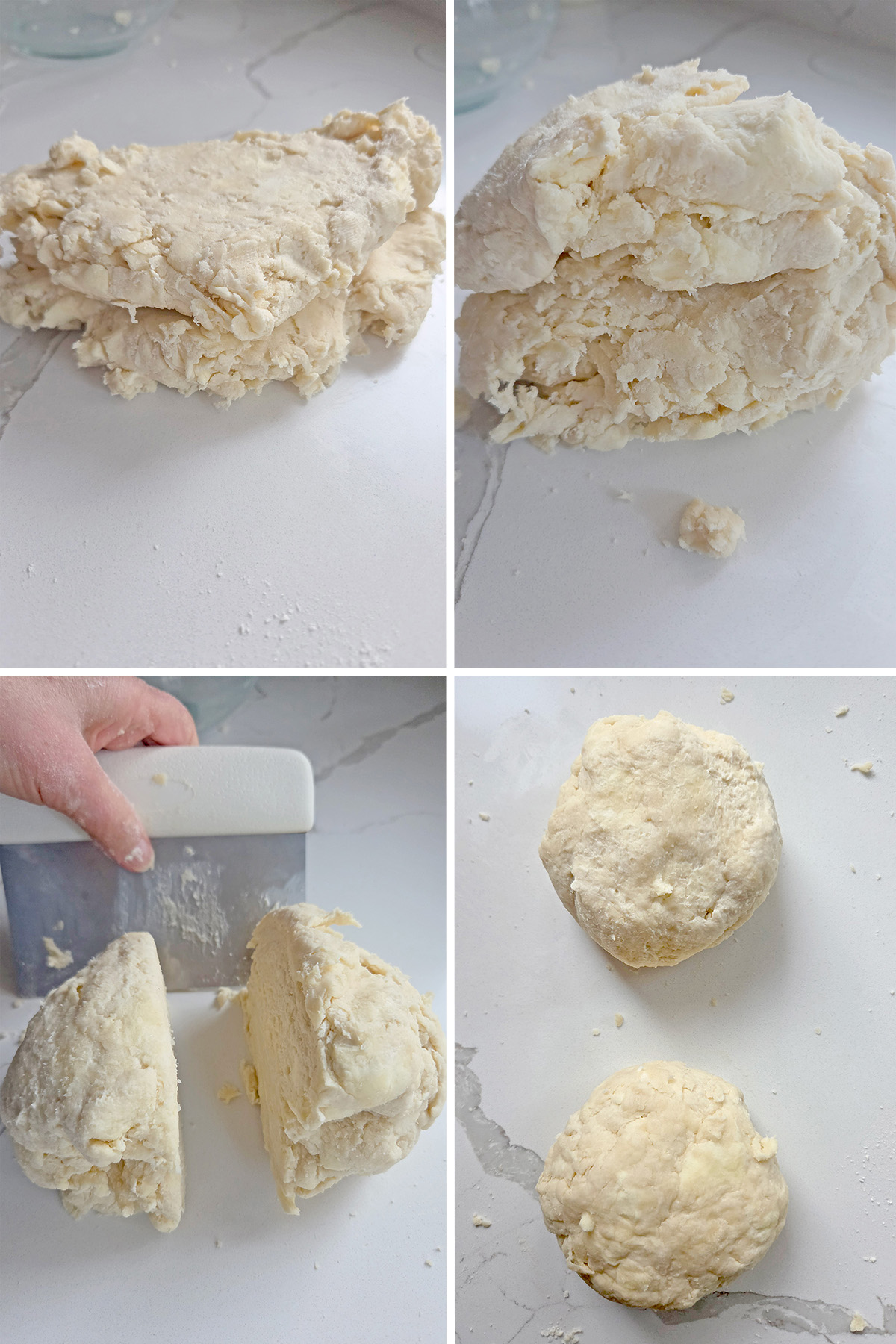
Following the initial incorporation, cold, sliced butter is introduced. The temperature is paramount here; the butter must remain solid and brittle throughout the mixing process. When these cold, solid pieces are folded into the dough, they remain as distinct "pockets" of fat. During the baking cycle, these pockets melt slowly, creating gaps in the dough that define the structural layers. This chronological separation of tasks allows the baker to balance the need for a uniform, tender crumb with the desire for large, distinct, and visible flakes.
Technical Guidelines for Dough Stability
Professional pastry standards emphasize the necessity of cold-chain management throughout the preparation of the dough. If the temperature of the butter rises above its melting point—typically between 32°C and 35°C (90°F to 95°F)—before the dough enters the oven, the fat will incorporate into the flour rather than remaining in discrete layers. This leads to a greasy, dense crust rather than a flaky one.
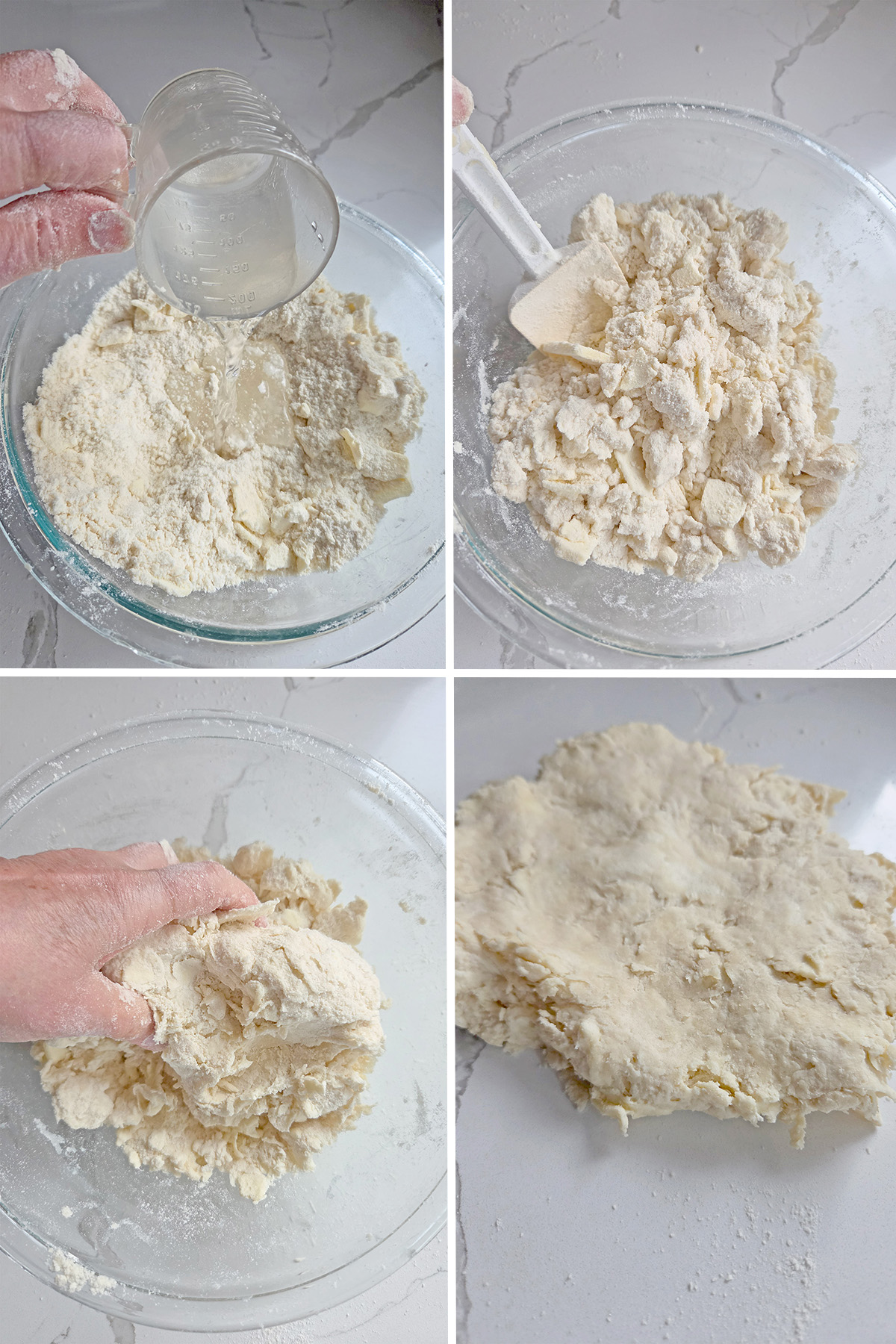
The hydration stage, which involves the addition of ice water, is equally sensitive. Water is the catalyst for gluten development. While some gluten development is necessary to provide the dough with the tensile strength required for rolling, excessive hydration or vigorous mixing will result in a tough, rubbery crust. Chefs typically recommend a "shaggy" appearance at the hydration stage, followed by a period of rest.
Resting is perhaps the most overlooked stage in home baking but is a requirement in professional environments. A minimum of two hours in a refrigerated environment is necessary for two reasons:
- Hydration Equilibrium: Dry pockets of flour require time to absorb moisture, ensuring the dough does not crack during the rolling process.
- Gluten Relaxation: The mechanical action of mixing causes gluten strands to contract. Resting allows these strands to relax, which significantly mitigates the risk of the crust shrinking or losing its shape when exposed to the high heat of the oven.
Comparative Analysis: All-Butter vs. Hybrid Formulations
In side-by-side testing, the differences between an all-butter crust and a butter-shortening hybrid are measurable. The shortening-based crust is undeniably easier to manage; the higher melting point of shortening makes the dough more pliable and less prone to tearing or cracking during the rolling and transfer process. However, the sensory trade-off is significant.
Data regarding flavor profiles consistently indicate that the lack of milk solids in shortening leads to a blander, "flat" flavor profile. Conversely, the all-butter crust provides a high degree of dairy-rich depth. In terms of texture, the hybrid crust tends toward a "melt-in-the-mouth" consistency, whereas the all-butter crust offers a more substantial, crisp "bite" characterized by distinct, audible layers.
Troubleshooting Common Structural Failures
Failure to achieve a perfect crust is often the result of improper technique rather than faulty ingredients. The two most common issues—shrinkage and toughness—can be traced back to the handling of the gluten network.
Shrinkage is primarily caused by overworking the dough. When the gluten network is overdeveloped, it acts like a stretched rubber band. If the dough is not given sufficient time to relax in the refrigerator, it will "snap back" the moment it hits the heat of the oven. This can be prevented by using a gentle, folding motion rather than a kneading motion during the mixing phase.
Toughness, conversely, is usually a byproduct of the butter melting too early. If the butter is integrated fully into the flour during the mixing stage, the resulting crust will lack the internal air pockets necessary for flakiness. The rule of thumb for any pastry chef is to maintain the integrity of the fat particles until the very last possible second—that is, the moment they enter the oven.
Broader Culinary Implications
The shift toward all-butter crusts reflects a broader trend in culinary circles toward ingredient transparency and flavor complexity. While shortening was once lauded for its ease of use and long shelf life, modern consumers and chefs are increasingly prioritizing the superior browning and depth of flavor provided by dairy fats.
For the home baker, mastering this technique requires patience and an understanding of the relationship between temperature and fat physics. By treating the pie crust as a professional architectural project—where temperature is monitored, resting times are respected, and the incorporation of fat is calculated—the result is not merely a container for fruit or custard, but a component of the dessert that stands on its own merits. As holiday baking seasons approach, the technical refinement of these traditional methods remains a cornerstone of high-quality pastry production.