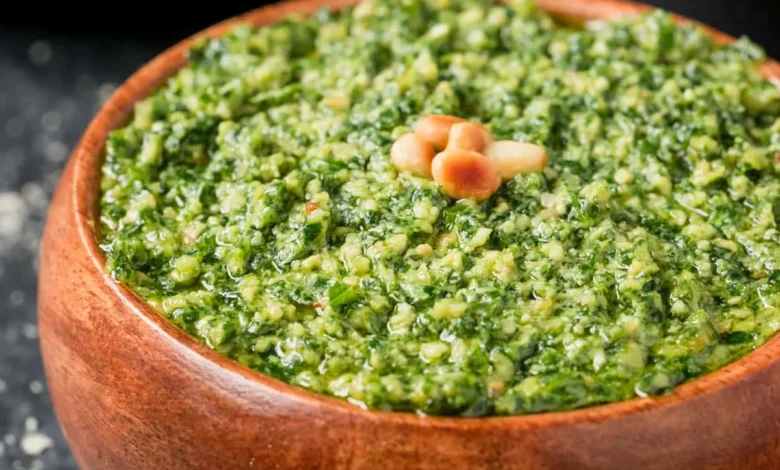
The emergence of plant-based culinary alternatives has transformed from a niche lifestyle choice into a robust sector of the global food industry, with nutrient-dense greens like kale serving as the cornerstone of this shift. Among the most recent innovations in this space is the refinement of vegan kale pesto, a dish that has effectively bridged the gap between traditional Italian techniques and contemporary dietary requirements. By replacing conventional dairy components with nutrient-dense, plant-derived substitutes, home chefs and culinary professionals have developed a versatile sauce that adheres to strict vegan protocols while maintaining the structural and sensory profiles of traditional basil-based pestos.

Historical Context and the Evolution of Pesto
Traditional pesto alla genovese, originating in the Liguria region of Italy, relies on a precise combination of fresh basil, pine nuts, garlic, olive oil, and aged cheeses like Parmigiano-Reggiano or Pecorino Sardo. While this combination has remained largely unchanged since the mid-19th century, the 21st-century shift toward plant-forward diets has necessitated a reimagining of these foundational elements.

The integration of kale into pesto recipes is not merely a modern aesthetic choice; it reflects a broader agricultural movement toward utilizing hardy, cruciferous vegetables that offer greater shelf stability and higher nutritional yields than delicate basil. As consumer interest in plant-based proteins and nutrient density grows, the use of kale—rich in vitamins A, K, and C—has become a standard practice in developing high-performance, plant-based sauces.

Chronology of Preparation and Culinary Methodology
The preparation of vegan kale pesto follows a rigorous sequence designed to preserve the structural integrity of the greens while emulsifying the fats and aromatics. A typical preparation, which can be completed in approximately 10 minutes, follows this technical workflow:

- Aromatic Activation: The process begins by marinating minced garlic in fresh lemon juice. This step is critical; the citric acid in the lemon neutralizes the harshness of raw alliums, creating a mellower, more integrated flavor profile that prevents the garlic from overpowering the delicate notes of the greens.
- Nut Toasting: Pine nuts are subjected to controlled heat in a dry skillet. This Maillard reaction releases the essential oils within the nuts, which provides the necessary depth and "buttery" mouthfeel usually provided by dairy fats.
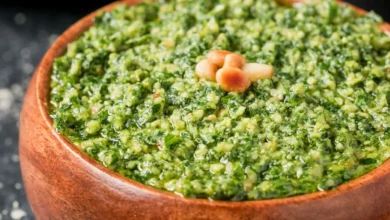
- Mechanical Emulsification: Using a high-speed food processor, the kale, toasted nuts, nutritional yeast, and lemon-garlic mixture are pulsed. Nutritional yeast serves as the primary umami agent, providing a savory, nutty complexity that replicates the saltiness of aged cheese.
- Final Integration: The slow addition of extra virgin olive oil is the final technical phase. By drizzling the oil while the processor is running, the chef creates a stable emulsion, ensuring the pesto maintains a creamy, cohesive texture rather than separating.
Data Analysis: Nutritional Profile and Dietary Implications
From a nutritional standpoint, the transition to a kale-based pesto offers distinct advantages over traditional cheese-based alternatives. According to standardized nutritional datasets, a typical serving of this recipe—approximately 183 calories—provides a significant profile of macronutrients.

- Lipid Content: With 17g of fat per serving, the dish relies on the monounsaturated fats found in olive oil and nuts, which are widely recognized for their cardiovascular benefits.
- Protein and Fiber: The inclusion of nutritional yeast and nuts contributes approximately 4g of protein and 2g of fiber per serving, making it a more satiating option than many vegetable-based sauces.
- Micronutrient Density: By utilizing kale, the dish provides a dense concentration of phytonutrients and antioxidants, particularly sulforaphane, which is often lost in high-heat cooking but is preserved through the cold-processing method used in pesto production.
Official Perspectives and Market Trends
Industry analysts observe that the rise of "veganized" classics is driven by a demographic shift toward "flexitarianism." Culinary professionals at leading plant-based institutes suggest that the success of recipes like vegan kale pesto lies in the "bridge ingredient" philosophy—using familiar formats (like pesto) to introduce nutritionally dense but less palatable vegetables (like raw kale) to a wider audience.

"The objective in modern vegan recipe development is to maintain the cultural identity of a dish while updating the ingredient list to meet contemporary ethical and health standards," notes one industry food scientist. "When you replace the salinity of parmesan with the umami of nutritional yeast, you aren’t just substituting; you are evolving the recipe to be more accessible to a global demographic."

Broader Impact on Home Cooking and Food Waste
The implications of this recipe extend beyond personal health into the realm of sustainable home management. Because kale is significantly more resilient than basil, it can be harvested and stored for longer durations, reducing food waste—a critical metric in modern sustainability reports. Furthermore, the ability to store the finished product in an airtight container for up to seven days, or to freeze it for up to three months, provides a high-efficiency solution for meal prep.

This efficiency has contributed to the proliferation of the "pesto-on-everything" culinary trend. Data from social media engagement and food blogging metrics indicate that the versatility of this sauce—ranging from a pasta toss to a spread for artisanal breads or a topping for roasted root vegetables—has solidified its status as a staple for both professional chefs and domestic cooks.

Future Outlook for Plant-Based Condiments
As the culinary world looks toward 2030, the shift toward plant-derived condiments is expected to accelerate. The success of the kale pesto model demonstrates that consumers are not looking for "imitation" products, but rather for new applications of naturally occurring, nutrient-rich plants.

The integration of ingredients like Dijon mustard for acidity, combined with the traditional technique of cold-blending, creates a finished product that is scientifically and sensory-compatible with a wide range of global cuisines. Whether served as a traditional Italian pasta component or used as a modern, Mediterranean-inspired spread, the vegan kale pesto represents a significant advancement in how we categorize and prepare vegetable-based sauces, proving that traditional culinary methods remain highly effective when paired with modern nutritional priorities.