Filipino Steamed Rice Cebu Style
Filipino Steamed Rice: Cebu Style’s Unique Method for Perfect Texture and Flavor
Cebu-style Filipino steamed rice is not merely a side dish; it’s a foundational element of every meal in the Visayas region of the Philippines, particularly in Cebu. Its preparation, while seemingly straightforward, involves specific techniques and considerations that elevate it beyond ordinary steamed rice, resulting in a texture that is both tender and distinctively separate, and a subtly enhanced flavor that complements the diverse culinary landscape of Cebu. Understanding these nuances is key to replicating this beloved staple, whether you’re a home cook looking to master authentic Filipino flavors or a culinary enthusiast seeking to explore regional variations. The core of Cebu-style steamed rice lies in its meticulous washing process, precise water-to-rice ratio, and the cooking method itself, which prioritizes even heat distribution and controlled steaming. This dedication to detail ensures each grain retains its integrity, avoiding the clumping or mushiness that can plague less carefully prepared rice, and instead creating a fluffy, aromatic foundation that serves as the perfect canvas for Cebu’s vibrant and often savory dishes. The regional pride associated with this style of rice preparation highlights its cultural significance, representing not just sustenance but a connection to tradition and a hallmark of Cebuan hospitality.
The foundational step in achieving authentic Cebu-style steamed rice begins with the selection and preparation of the rice itself. While various rice varieties can be used, long-grain white rice, such as Basmati or Jasmine, is often preferred for its ability to cook up fluffy and separate. Medium-grain rice is also a common and acceptable choice. The critical initial phase involves the thorough washing of the rice. This is not a cursory rinse but a deliberate, multi-stage process designed to remove excess starch. Starch is the primary culprit behind gummy or sticky rice, so eliminating it is paramount. The process typically involves placing the uncooked rice in a bowl or the rice cooker pot and adding cool, clean water. The rice is then gently swirled and agitated with the hands. The water will immediately turn milky white as the starch is released. This cloudy water is then carefully poured off, ensuring no grains are lost. This washing process is repeated several times, typically between four to six, or until the water runs significantly clearer. Some cooks even go for seven or eight rinses, aiming for near-transparency. This meticulous washing is a hallmark of traditional Filipino rice preparation and is a non-negotiable step for achieving the desired texture in Cebu-style rice. It’s this dedication to starch removal that sets the stage for individually defined grains.
Following the thorough washing and draining, the next crucial element is establishing the correct water-to-rice ratio. This ratio is not static and can vary slightly depending on the type of rice, its age (older rice tends to absorb more water), and even personal preference. However, a general guideline for long-grain white rice is a 1:1.5 ratio of rice to water, meaning for every one cup of uncooked rice, you will use one and a half cups of water. For medium-grain rice, this ratio might lean closer to 1:1.25. The key principle is to use just enough water to cook the rice thoroughly without leaving any excess, which would lead to a watery or mushy outcome. Many modern rice cookers have internal water level markings that correspond to the number of cups of rice, which can be helpful, but experienced cooks often rely on their intuition and experience. For those without a rice cooker, a pot on the stovetop requires more attention to heat and steam management. The initial cooking phase on the stovetop begins with bringing the water and rice to a boil over medium-high heat. Once boiling, the heat is immediately reduced to the lowest possible setting, and the pot is covered tightly with a lid. This is where the steaming process truly begins, relying on trapped steam to cook the rice evenly.
The steaming process is where the Cebu-style truly differentiates itself and where patience is rewarded. Whether using a rice cooker or a stovetop pot, the goal is consistent, gentle cooking. In a rice cooker, once the water has been absorbed, the appliance automatically switches to a "keep warm" setting. It’s crucial to resist the urge to open the lid immediately. The rice needs to rest and allow the residual steam to finish the cooking process and for the moisture to distribute evenly throughout the grains. A minimum resting period of 10-15 minutes after the cooking cycle is complete is recommended. For stovetop cooking, after reducing the heat to low and covering the pot, the rice should steam undisturbed for approximately 15-20 minutes. Again, opening the lid during this crucial steaming phase will release the precious steam and disrupt the cooking process, leading to unevenly cooked rice. The lid should be kept firmly in place, and if there’s a concern about the rice burning on the bottom, a heat diffuser can be used between the pot and the burner on the stovetop. The consistent, enclosed environment is essential for producing the signature fluffy, separate grains characteristic of Cebu-style rice.
After the resting period, the final crucial step is fluffing the rice. This is done with a fork or a rice paddle, gently separating the grains. The fluffing process allows any remaining excess moisture to evaporate and ensures that the grains don’t stick together. It’s a delicate dance of aeration, not aggressive stirring. Imagine gently lifting and turning the rice, like turning over clouds. This step is vital for achieving that characteristic light and fluffy texture that defines Cebu-style steamed rice. The visual cue for perfectly cooked rice is individual, distinct grains that are tender but not mushy, each holding its shape and offering a satisfying chew. The aroma should be subtly sweet and pleasant, indicative of well-cooked, starchy grains. This fluffing also helps to achieve the slightly separated texture that is so prized, preventing the formation of a solid, starchy mass.
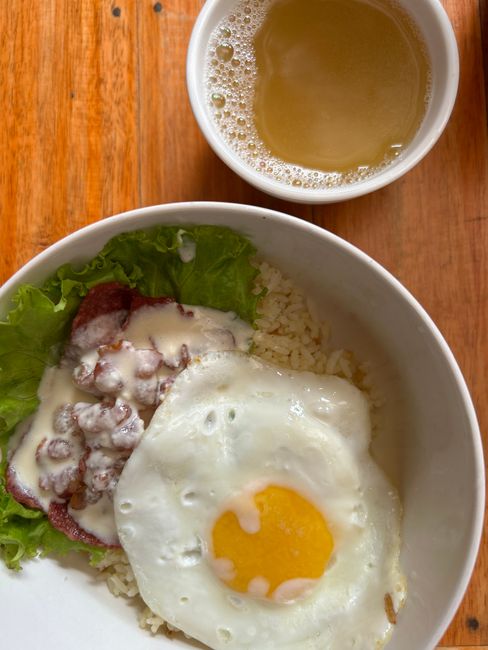
The culinary context of Cebu-style steamed rice is as important as its preparation. This perfectly cooked rice is the indispensable partner to a wide array of Cebuano dishes, many of which are rich in flavor and often quite savory or sweet. The neutral yet subtly aromatic profile of the rice acts as a crucial balancing element. Think of dishes like Lechon Cebu (roast pig), which is incredibly flavorful and fatty; Kinilaw (Filipino ceviche), with its tangy and spicy notes; and various grilled meats and seafood. The fluffy rice provides a soft, absorbent bed that mops up delicious sauces and balances intense flavors without overwhelming them. It’s also a perfect accompaniment to stews and braises like Pork Adobo or Beef Caldereta, where its texture and mild taste provide a much-needed contrast to the rich, complex broths. Even simple dishes like fried eggs or grilled fish are elevated by the presence of perfectly steamed rice. The ubiquity of this rice style in Cebu underscores its role as more than just a side; it’s an integral component of the dining experience, a testament to the Filipino philosophy of using rice as the central pillar of any meal.
Variations in rice preparation and preferences are common across the Philippines, but Cebu’s method emphasizes achieving distinct, individual grains rather than a uniformly sticky mass. While other regions might embrace a slightly more cohesive texture, Cebuano cooks pride themselves on rice that separates easily, allowing each grain to be appreciated. This can be influenced by the specific variety of rice planted and harvested in the region, which might have inherent starch characteristics. Furthermore, the prevailing cooking techniques passed down through generations in Cebu have honed these methods. The focus on thorough washing to remove starch and the precise water ratio are consistent across many Filipino households, but the dedication to achieving that perfect fluffy separation is a strong hallmark of Cebuano culinary identity. This attention to detail ensures that the rice serves its purpose as an ideal foil for the often bold and varied flavors of Visayan cuisine.
The impact of water quality on steamed rice is a factor that, while often overlooked, can play a subtle yet significant role. Ideally, filtered or good-quality tap water should be used. Hard water, with its high mineral content, can sometimes affect the texture and flavor of the rice, potentially making it taste slightly metallic or altering its cooking properties. While most kitchens have access to potable tap water that is perfectly suitable for cooking rice, being mindful of exceptionally hard water is a minor consideration for those aiming for the absolute best result. The goal is always to let the inherent flavor and texture of the rice shine through, and the water used should be as neutral as possible, allowing the quality of the rice itself to be the primary sensory experience.
The choice of cooking vessel also contributes to the final outcome. While modern rice cookers offer convenience and consistent results due to their precise temperature and steam control, traditional methods using stovetop pots are equally effective and often preferred by purists who appreciate the tactile connection to the cooking process. For stovetop cooking, a heavy-bottomed pot with a tight-fitting lid is essential. The weight of the pot helps to distribute heat evenly, preventing hot spots that can lead to scorching, and the tight lid ensures that steam is trapped effectively throughout the cooking and resting periods. Some Filipino households even utilize a steamer basket placed over boiling water, though this is less common for everyday rice preparation and more for specialized dishes. The key takeaway is that regardless of the vessel, the principle of controlled steaming and gentle heat application remains paramount for achieving that sought-after Cebu-style texture.
The role of humidity and altitude can also subtly influence rice cooking. In humid climates like the Philippines, rice might absorb a touch more moisture from the air, which could theoretically influence the water ratio slightly. Similarly, at higher altitudes, water boils at a lower temperature, potentially requiring minor adjustments to cooking times. However, for most home cooks in typical conditions, these factors are usually minor and the standard ratios and techniques will produce excellent results. The inherent resilience of rice as a staple means it’s forgiving, but understanding these nuances can help achieve that truly exceptional texture consistently.
In conclusion, Cebu-style Filipino steamed rice is more than just a basic carbohydrate; it’s a meticulously prepared culinary cornerstone. Its distinctiveness lies in the rigorous starch removal through repeated washing, the precise water-to-rice ratio, and the patient steaming and resting process that ensures each grain cooks perfectly and remains separate. This dedication to technique results in a fluffy, light, and subtly flavorful rice that serves as the ideal accompaniment to the vibrant and diverse cuisine of Cebu, demonstrating the profound connection between preparation, culture, and culinary excellence. Mastering this seemingly simple dish unlocks a deeper understanding of Filipino cuisine and the importance of rice as the heart of every meal.