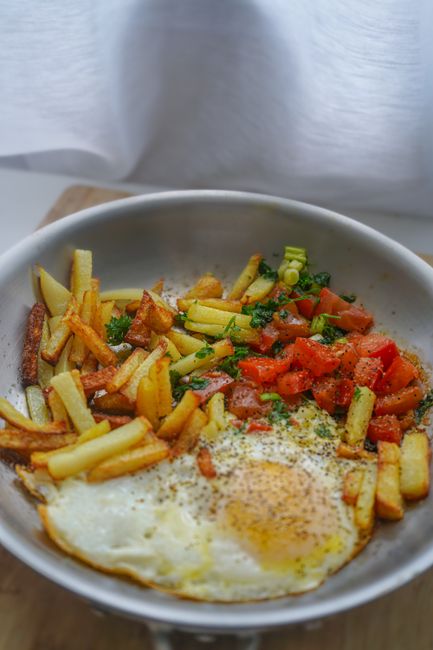
Pan Fried Daikon Cake

Pan-Fried Daikon Cake: A Crispy, Savory Culinary Exploration
Pan-fried daikon cake, often known as "lo bak go" in Cantonese, is a traditional Chinese dim sum delicacy that has captivated palates worldwide with its unique textural interplay and savory depth. This seemingly humble dish, composed primarily of grated daikon radish and rice flour, undergoes a remarkable transformation when pan-fried to achieve a delightfully crispy exterior that yields to a soft, tender interior. Its versatility extends beyond dim sum, making it a popular appetizer, side dish, or even a light meal, adaptable to various flavor profiles and ingredient additions. Understanding the nuances of its preparation, from selecting the right daikon to achieving the perfect sear, is crucial to unlocking its full culinary potential. This article delves into the intricate details of crafting exceptional pan-fried daikon cake, exploring its historical context, core ingredients, essential techniques, popular variations, and strategic SEO considerations for online content.
The foundation of any successful pan-fried daikon cake lies in the quality of its primary ingredient: daikon radish. This long, white radish, also known as mooli or winter radish, possesses a mild, slightly peppery flavor and a high water content. When selecting daikon, choose firm, unblemished specimens that feel heavy for their size. Avoid those that are soft, wrinkled, or exhibit any signs of rot. The size of the daikon can influence its water content; younger, smaller radishes tend to be sweeter and less fibrous, while larger ones might be more pungent. The preparation of daikon involves peeling it thoroughly to remove any bitter outer skin, followed by grating. The fineness of the grating is a critical factor. A medium to coarse grate will result in a cake with more discernible radish texture, while a finer grate will produce a smoother, more homogenous interior. Some recipes advocate for squeezing out excess moisture from the grated daikon after grating, a step that can contribute to a firmer cake and a crispier crust. However, this is a point of contention among traditionalists, with some believing that retaining some moisture is essential for the cake’s inherent tenderness. Experimentation with this step will reveal personal preference.
The binding agent and structural component of pan-fried daikon cake is rice flour. Specifically, a combination of glutinous rice flour and regular rice flour (also known as sweet rice flour and long-grain rice flour respectively) is often used to achieve the desired texture. Glutinous rice flour contributes to the chewy, slightly sticky quality of the cooked cake, while regular rice flour provides structure and helps in binding the ingredients. The ratio of these flours to the daikon is paramount. Too little flour will result in a cake that is too soft and difficult to handle, while too much flour can make it dense and heavy. The liquid component is typically water or, in more flavor-forward versions, stock or broth. The liquid rehydrates the rice flours, creating a batter that, when combined with the daikon, forms a cohesive mixture that can be steamed and then fried. Seasonings are integral to the flavor profile. Salt is a given, but other additions like white pepper, a touch of sugar to balance the flavors, and savory elements like oyster sauce or soy sauce are common. Dried shiitake mushrooms and dried shrimp are traditional additions that imbue the cake with a rich umami depth. These ingredients, when rehydrated and finely chopped, release their concentrated flavors during the steaming process. Chinese sausage (lap cheong) is another popular addition, offering a sweet and savory counterpoint and contributing rendered fat that enhances the crisping process during pan-frying.
The preparation of pan-fried daikon cake typically involves two main stages: steaming and pan-frying. The daikon, rice flour, liquid, and any desired additions are mixed thoroughly to form a thick batter. This batter is then transferred to a greased heatproof dish or mold, ensuring an even layer. The dish is then steamed until the cake is firm and cooked through. The steaming time will vary depending on the thickness of the cake and the size of the dish, but it generally ranges from 30 to 60 minutes. A key indicator of doneness is when the cake can be easily pierced with a skewer and comes out clean, and the edges begin to pull away slightly from the sides of the dish. Once steamed, the cake needs to cool completely. This is a crucial step that allows the cake to firm up and become sliceable. Refrigerating the cake for a few hours or even overnight is highly recommended. This cooling process solidifies the starches and makes the cake much easier to cut into uniform portions without disintegrating. After cooling, the cake is typically cut into rectangular or square portions, approximately 1-2 cm thick.
The pan-frying stage is where the magic truly happens. A generous amount of cooking oil is heated in a non-stick skillet or well-seasoned cast-iron pan over medium-high heat. The oil should be hot enough to sizzle immediately upon contact with the cake. The daikon cake pieces are carefully placed into the hot oil, ensuring not to overcrowd the pan, which can lead to uneven cooking and steaming rather than crisping. The goal is to achieve a deeply golden-brown and crispy exterior. This typically takes several minutes per side. Patience is key; resist the urge to move the cakes too frequently, allowing ample time for a crust to form. Once one side is golden and crisp, carefully flip the pieces to brown the other side. Some variations involve adding a splash of water to the pan after the initial sear and covering it briefly to steam the interior further, ensuring it’s cooked through and tender while the exterior crisps up. This is particularly useful if the cake was steamed for a shorter duration initially. Draining the fried daikon cake on paper towels helps to remove excess oil, resulting in a lighter, less greasy final product.
The SEO potential of pan-fried daikon cake lies in its descriptive nature and its growing international popularity. Keywords such as "pan-fried daikon cake recipe," "lo bak go recipe," "Chinese radish cake," "dim sum recipes," "crispy savory cake," "vegetarian dim sum" (if prepared without meat), and "gluten-free recipes" (depending on flour choices) are all relevant. Targeting long-tail keywords like "how to make crispy daikon cake at home" or "best way to pan-fry lo bak go" can attract a more specific and engaged audience. Incorporating high-quality images and videos demonstrating the preparation process will significantly enhance engagement and shareability, indirectly boosting SEO performance through increased time on page and social signals.
Popular variations of pan-fried daikon cake expand its appeal and cater to diverse culinary preferences. Beyond the classic combination of daikon, rice flour, and traditional savory additions like dried shiitake mushrooms and dried shrimp, many regional and modern interpretations exist. Some chefs incorporate finely diced Chinese sausage (lap cheong), which releases its flavorful rendered fat during pan-frying, contributing to a richer crust and a sweet-savory dimension. For a vegetarian or vegan rendition, the Chinese sausage can be omitted or replaced with vegetarian alternatives like mushroom jerky or seasoned shiitake mushrooms. The addition of finely chopped scallions or chives can introduce a fresh, aromatic element to the batter. Some recipes also call for the inclusion of a small amount of cornstarch alongside the rice flour to further enhance crispiness. The liquid used for the batter can be varied; while water is standard, some recipes opt for vegetable broth or chicken broth for an added layer of flavor. For those seeking a spicier kick, a pinch of chili flakes or finely chopped fresh chilies can be incorporated into the batter. The serving suggestions for pan-fried daikon cake are also diverse. While it is traditionally served as part of a dim sum spread, it also shines as a standalone appetizer. A common accompaniment is a dipping sauce, typically a mixture of soy sauce, chili oil, black vinegar, and a touch of sugar, providing a tangy and spicy counterpoint to the richness of the cake. Other dipping sauce options include hoisin sauce, sriracha, or a simple ginger-scallion oil.
Technological advancements and ingredient sourcing also play a role in modern daikon cake preparation. The availability of pre-grated daikon in some international markets can streamline the process for busy home cooks, although the texture might differ from freshly grated. The type of rice flour used can also be a point of exploration; while traditional recipes rely on common varieties, experimenting with different rice flour blends might yield subtle textural variations. For those with dietary restrictions, gluten-free rice flour blends are readily available, allowing for a gluten-free version of this classic dish. The use of air fryers has also emerged as a healthier alternative to pan-frying, offering a way to achieve a crispy exterior with significantly less oil. However, the characteristic texture and deep golden-brown crust achieved through traditional pan-frying remain unparalleled for many aficionados.
The historical context of pan-fried daikon cake is rooted in its origins as a humble, resourceful dish, particularly in Southern China. Daikon radish was a readily available and storable vegetable, making it a staple ingredient. The combination with rice flour, another staple, created a filling and economical dish. The steaming and frying techniques likely evolved over time, with frying being a method to enhance preservation and add desirable texture. Its integration into the dim sum tradition signifies its elevation from a simple peasant food to a refined culinary offering, showcasing the ingenuity of Chinese cuisine in transforming basic ingredients into sophisticated dishes. The meticulous preparation and layering of flavors, even in seemingly simple dishes like lo bak go, reflect a deep understanding of culinary principles.
In conclusion, pan-fried daikon cake is a testament to the beauty of simple ingredients transformed through skillful technique. From the careful selection and preparation of the daikon radish to the precise ratio of rice flours, the steaming process, and the crucial pan-frying that achieves its signature crispness, each step contributes to its ultimate success. Its adaptability to various flavor additions and dietary needs, coupled with its rich historical significance, ensures its continued popularity. For culinary enthusiasts and SEO-conscious content creators alike, a deep dive into the world of pan-fried daikon cake offers a rewarding exploration of flavor, texture, and tradition. The strategic use of relevant keywords, coupled with engaging content formats, will further solidify its presence in the online culinary landscape, attracting a global audience eager to recreate this delicious and iconic dish.