
Banana Chocolate Chip Cookies

The Ultimate Guide to Perfect Banana Chocolate Chip Cookies: Flavor, Texture, and Baking Science
Banana chocolate chip cookies represent a harmonious fusion of two beloved dessert staples, offering a unique textural complexity and a depth of flavor that surpasses the sum of their parts. The inherent sweetness and moisture of ripe bananas meld seamlessly with the rich, melty pockets of chocolate, while the cookie base provides a delightful chew or crisp depending on preparation. Understanding the science behind achieving the optimal cookie involves a nuanced approach to ingredient ratios, mixing techniques, and baking temperatures. This comprehensive guide explores the essential elements that contribute to an exceptional banana chocolate chip cookie, from the crucial role of banana ripeness to the impact of different chocolate varieties and the art of achieving perfect texture.
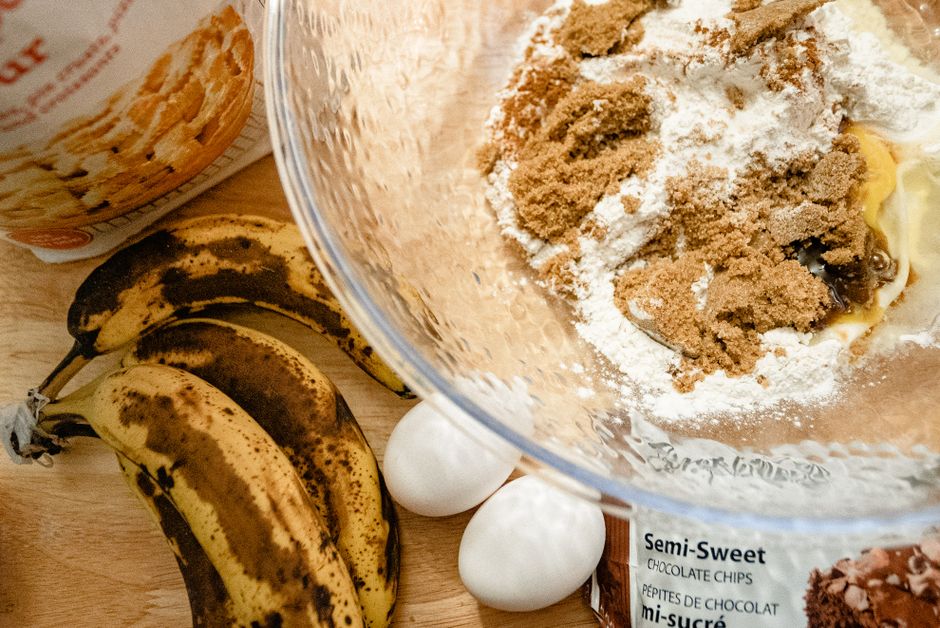
The foundation of any successful cookie lies in its core ingredients: flour, sugar, fat, eggs, leavening agents, and flavorings. In banana chocolate chip cookies, the banana itself acts as a significant contributor to both moisture and sweetness, fundamentally altering the typical cookie formula. Overripe bananas, characterized by a heavily speckled or entirely brown peel, are paramount. Their increased sugar content caramelizes beautifully during baking, intensifying sweetness and imparting a richer, more complex flavor profile. Furthermore, their elevated moisture content contributes to a softer, chewier cookie. Underripe or even yellow bananas will not provide the same depth of flavor or optimal moisture balance, potentially leading to a drier, less satisfying result. When selecting bananas, aim for those that are easily mashable with a fork and possess a pronounced sweet aroma.
Flour, typically all-purpose, provides the structural framework for the cookie. The protein content in all-purpose flour develops gluten when hydrated and mixed, contributing to chewiness. However, excessive gluten development can lead to tough cookies. For banana chocolate chip cookies, a slightly lower ratio of flour to wet ingredients, often dictated by the banana’s moisture, is common. Some bakers opt for a blend of all-purpose and cake flour to achieve a tender crumb without sacrificing structure. Cake flour has a lower protein content, resulting in less gluten development and a more delicate texture. Alternatively, bread flour, with its higher protein content, can be used to enhance chewiness, but careful mixing is essential to avoid toughness. The method of incorporating flour also impacts texture; "folding" flour in gently minimizes gluten development, preserving tenderness.
Sugar plays a multifaceted role in cookies, contributing not only sweetness but also to browning, tenderness, and spread. A combination of granulated sugar and brown sugar is often preferred for banana chocolate chip cookies. Granulated sugar promotes crispness and spread, while brown sugar, with its molasses content, adds moisture, chewiness, and a characteristic caramel note that complements the banana and chocolate. The ratio of these sugars can be adjusted to fine-tune the cookie’s texture and flavor. A higher proportion of brown sugar will result in a softer, chewier cookie with a more pronounced caramel flavor. Conversely, a greater amount of granulated sugar will yield a crispier cookie with a lighter flavor. The creaming of butter and sugar is a critical step, incorporating air into the mixture, which contributes to leavening and a lighter texture. This process, when done correctly, results in a fluffy, pale mixture that has visibly increased in volume.
The fat source, typically butter, contributes richness, flavor, and influences the cookie’s texture. Unsalted butter is generally recommended to control the salt content precisely. The temperature of the butter is crucial for successful creaming. Softened butter, which yields to gentle pressure but is not melted, is ideal. Melted butter will result in a flatter, crisper cookie, while cold butter will not cream properly, leading to a less aerated dough and a denser cookie. Some recipes might incorporate a small amount of vegetable oil or shortening alongside butter to enhance moisture and tenderness, though this can dilute the desirable buttery flavor. The fat coats the flour particles, hindering excessive gluten development and contributing to a tender crumb.
Eggs bind the ingredients together, contribute moisture, and provide richness. The size of eggs matters; large eggs are standard in most baking recipes. The yolk contains fat and emulsifiers, contributing to richness and a smoother texture, while the egg white provides structure and leavening. For banana chocolate chip cookies, the moisture content of the banana may mean that fewer eggs are needed compared to a standard chocolate chip cookie recipe. Over-mixing the dough after adding eggs can also lead to tough cookies as it further develops gluten.
Leavening agents, typically baking soda and/or baking powder, are essential for achieving the desired rise and texture. Baking soda, a chemical leavener, reacts with acidic ingredients in the dough, such as brown sugar or the natural acidity of bananas, to produce carbon dioxide gas, which causes the cookie to puff up. Baking powder, a double-acting leavener, contains both an acid and a base, providing a more consistent rise. The choice and amount of leavening agent can impact the spread and thickness of the cookie. Too much baking soda can result in a metallic taste and excessive spreading, while too little will lead to dense, flat cookies. The reaction of baking soda with the acidity of the banana is a key driver of leavening in these cookies.
The type and quality of chocolate are paramount for optimal flavor. Semi-sweet chocolate chips are a classic choice, offering a good balance of sweetness and bitterness that complements the banana. However, experimentation with different chocolate varieties can yield exciting results. Dark chocolate chips, with their higher cocoa content, provide a more intense chocolate flavor and can cut through the sweetness of the banana and sugar. Milk chocolate chips offer a sweeter, creamier chocolate experience. For a truly decadent cookie, a mix of different chocolate types or the inclusion of chopped chocolate bars can provide varying melt points and textural elements. The size of the chocolate pieces also matters; smaller chips distribute more evenly, while larger chunks create pockets of intense chocolate.
Beyond the core ingredients, several techniques significantly influence the final cookie. The "wet ingredients first" approach, where mashed bananas, softened butter, and sugars are creamed together, is common and effective for developing flavor and texture. Incorporating the eggs one at a time and mixing until just combined ensures proper emulsification without overworking the dough. The gentle addition of dry ingredients, followed by the folding in of chocolate chips, is crucial. Over-mixing at this stage is a common pitfall that leads to tough cookies. Chilling the dough is another highly recommended step, particularly for banana chocolate chip cookies. Chilling allows the flour to fully hydrate, the fats to firm up, and the flavors to meld, resulting in a richer taste and a better-textured cookie with less spread. A minimum of 30 minutes is generally advised, but overnight chilling can yield even more profound results.
Baking temperature and time are critical variables that dictate the cookie’s exterior crispness and interior chewiness. Most banana chocolate chip cookies bake at temperatures ranging from 350°F to 375°F (175°C to 190°C). Lower temperatures tend to promote more even baking and a chewier interior, while higher temperatures can lead to crispier edges. It is imperative to preheat the oven thoroughly to ensure consistent heat distribution. Over-baking is a common mistake that results in dry, hard cookies. Cookies are best removed from the oven when the edges are set and lightly golden brown, but the centers still appear slightly soft and underdone. The residual heat of the baking sheet will continue to cook them as they cool. The use of parchment paper or silicone baking mats on the baking sheet prevents sticking and promotes even heat distribution, contributing to uniformly baked cookies. Rotating the baking sheets halfway through the baking process can also help ensure even browning.
The cooling process is as important as the baking itself. Allowing cookies to cool on the baking sheet for a few minutes before transferring them to a wire rack allows them to set properly. If removed too soon, they may fall apart. Conversely, leaving them on the hot baking sheet for too long can lead to over-baking. A wire rack facilitates air circulation, preventing the bottoms of the cookies from becoming soggy.
Troubleshooting common issues is essential for mastering banana chocolate chip cookies. If cookies are too flat and spread too much, the dough may be too warm, the oven temperature too low, or there might be too much sugar or fat. Insufficient flour can also contribute to excessive spread. If cookies are too cakey and dry, they may have been over-baked, contained too much flour, or lacked sufficient fat or moisture. Toughness can often be attributed to over-mixing the dough, especially after adding flour or eggs, or using too much flour. A metallic or bitter taste can sometimes indicate too much baking soda or the use of low-quality ingredients.
The nutritional profile of banana chocolate chip cookies, while indulgent, can be subtly adjusted through ingredient choices. Using whole wheat flour can increase fiber content. Opting for darker chocolates with higher cocoa percentages can provide antioxidants. Reducing the overall sugar content, while challenging without impacting texture, is also a possibility for health-conscious bakers. However, it’s important to note that these are ultimately dessert cookies, and their primary appeal lies in their rich flavor and satisfying texture.
In conclusion, crafting the perfect banana chocolate chip cookie is an art form that blends culinary intuition with an understanding of baking science. By carefully selecting ripe bananas, balancing sugar types, utilizing softened butter, and employing precise mixing and baking techniques, bakers can consistently produce cookies that are moist, chewy, and bursting with the delightful combination of banana and chocolate. Experimentation with different chocolate varieties and minor adjustments to ingredient ratios can further refine the outcome, allowing for the creation of a truly personalized and unforgettable cookie experience. The key lies in respecting each ingredient’s role and mastering the delicate balance required to transform simple components into a beloved treat.


