Vegan Wonton Soup: A Plant-Based Reinvention of a Chinese Classic

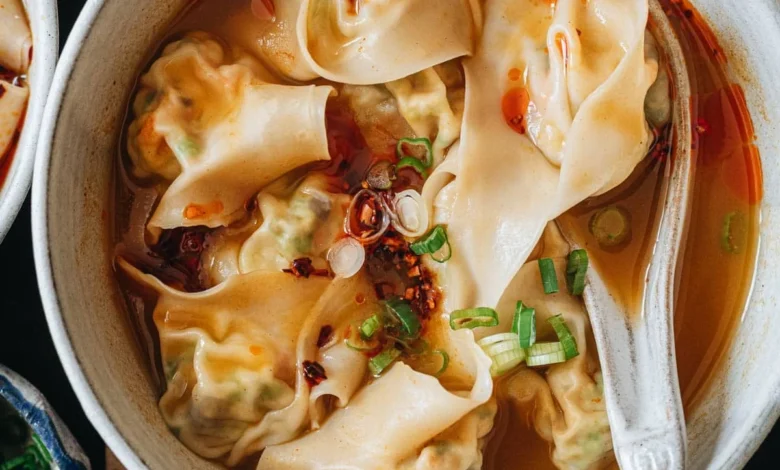
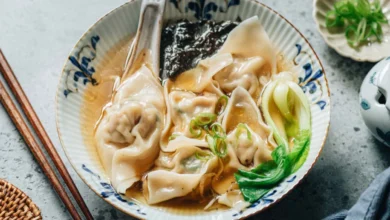
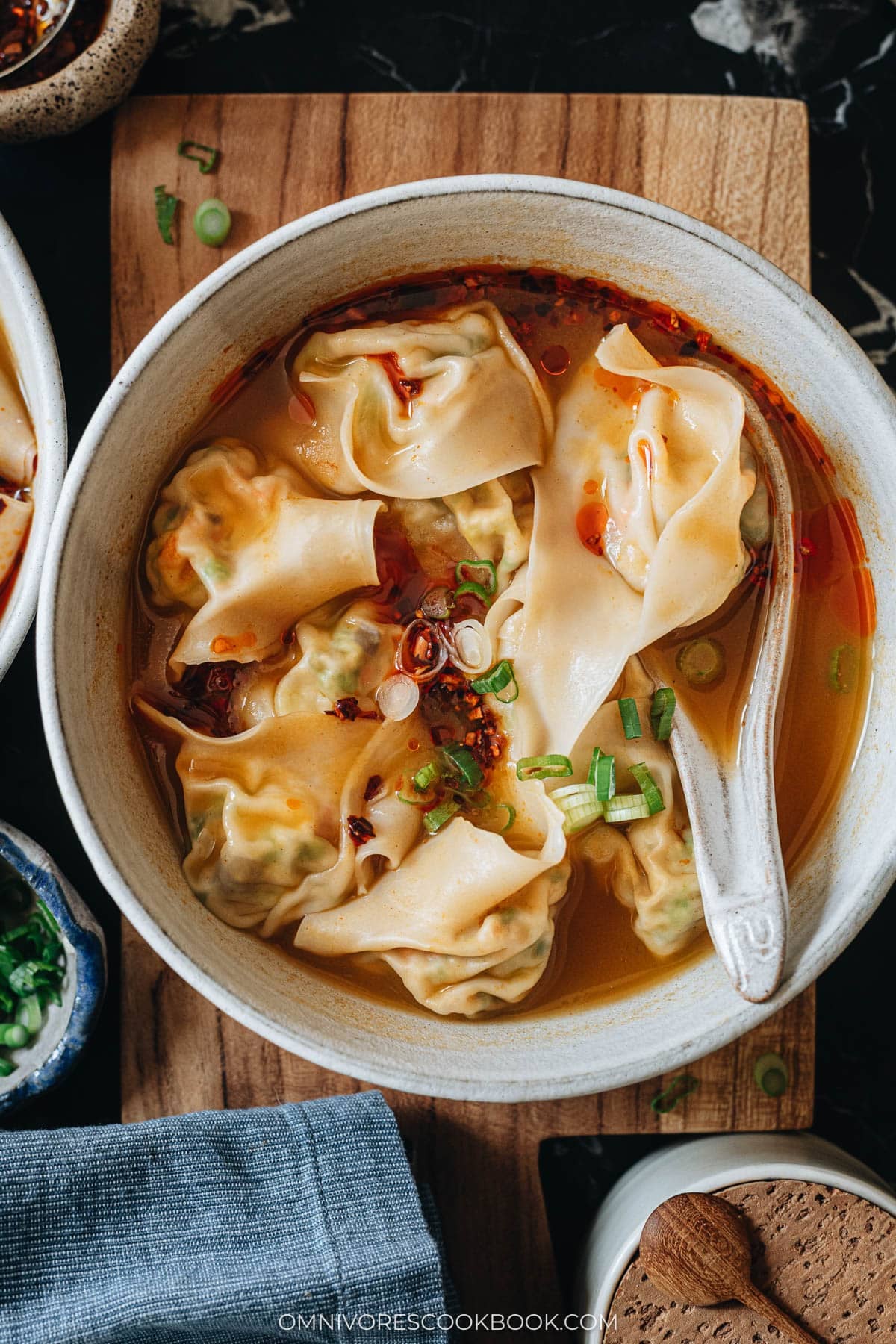
In the intricate tapestry of Chinese cuisine, vegan wontons emerge as a delicate cousin to their dumpling counterparts. Distinguished by their thinner wrappers and more artful, looser folds, they are crafted to gracefully glide through a savory broth, rather than rest as substantial parcels on a plate. This plant-based rendition masterfully captures the essence of traditional wonton soup, rebuilding the filling from the ground up. At its heart lie earthy shiitake mushrooms, crisp napa cabbage, and firm tofu, meticulously combined to deliver the same satisfyingly juicy and chewy bite that defines this beloved dish.
The genesis of this recipe can be traced to a period of dedicated plant-based exploration in New York City. During these "plant-based weeks," a conscious shift away from the richer, meat-centric dishes typically prepared became a culinary experiment. This wasn’t an act of deprivation, but rather an insightful exploration into how the character of a meal transforms when umami is derived from the subtle depths of mushrooms and fermented seasonings, rather than the robust foundation of pork bones. The resulting vegan wonton soup proved to be a revelation, demonstrating unequivocally that a meat-free interpretation of a Chinese classic could rival the original in its comforting appeal and profound satisfaction.
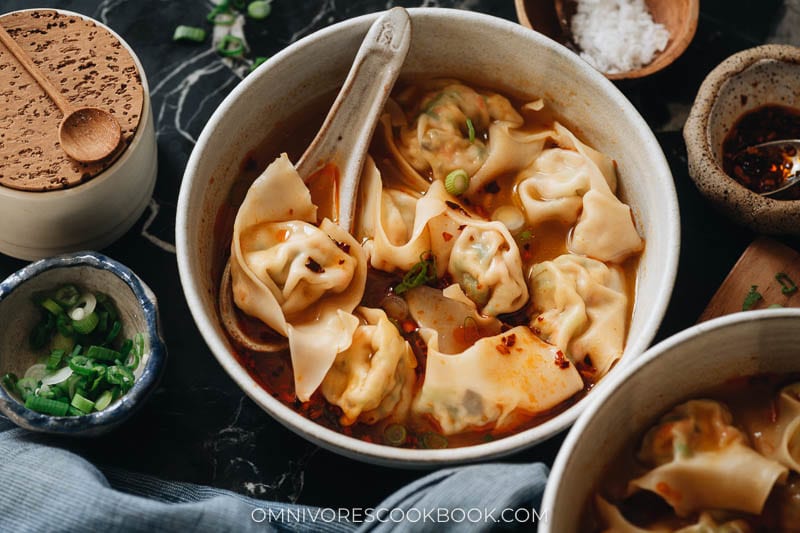
A notable advantage of this recipe lies in its efficient preparation. Once the shiitake mushrooms are rehydrating in warm water and the napa cabbage is undergoing its salting process, the subsequent steps unfold with remarkable speed. The filling is expertly chopped and mixed while the cabbage cures. The wontons are then folded into a distinctive triangle-plus-corner shape, a design that efficiently cradles a generous portion of vegetable filling without compromising structural integrity. Crucially, the wontons are simmered directly in the broth, allowing the soup and dumplings to reach their optimal state of readiness in the same pot. This recipe yields approximately 30 to 34 wontons, with any surplus readily frozen for convenient, comforting meals on busy weeknights.
The Art of the Vegan Wonton: Ingredients and Preparation
The construction of this flavorful vegan wonton soup is a carefully orchestrated process, with ingredients thoughtfully categorized into three key components: the wonton filling, the seasonings that imbue it with depth, and the broth that serves as its final resting place. Many of the seasonings are staples of a well-stocked Chinese pantry, ensuring accessibility and authenticity.
Wrappers: The Delicate Embrace
For this recipe, the use of store-bought, egg-free wonton wrappers is recommended, a crucial choice for maintaining the vegan integrity of the dish. Opting for larger square wrappers offers a distinct advantage. The increased surface area provides ample room to accommodate the vegetable-based filling, which, unlike its meat-based counterpart, does not compact as readily. This larger size mitigates the risk of overfilling or underfilling, both of which can detract from the final texture and appeal of the wonton. Asian markets typically offer a selection of sizes, making it feasible to find wrappers that are ideally suited for this recipe.
The Heart of the Wonton: A Harmonious Filling
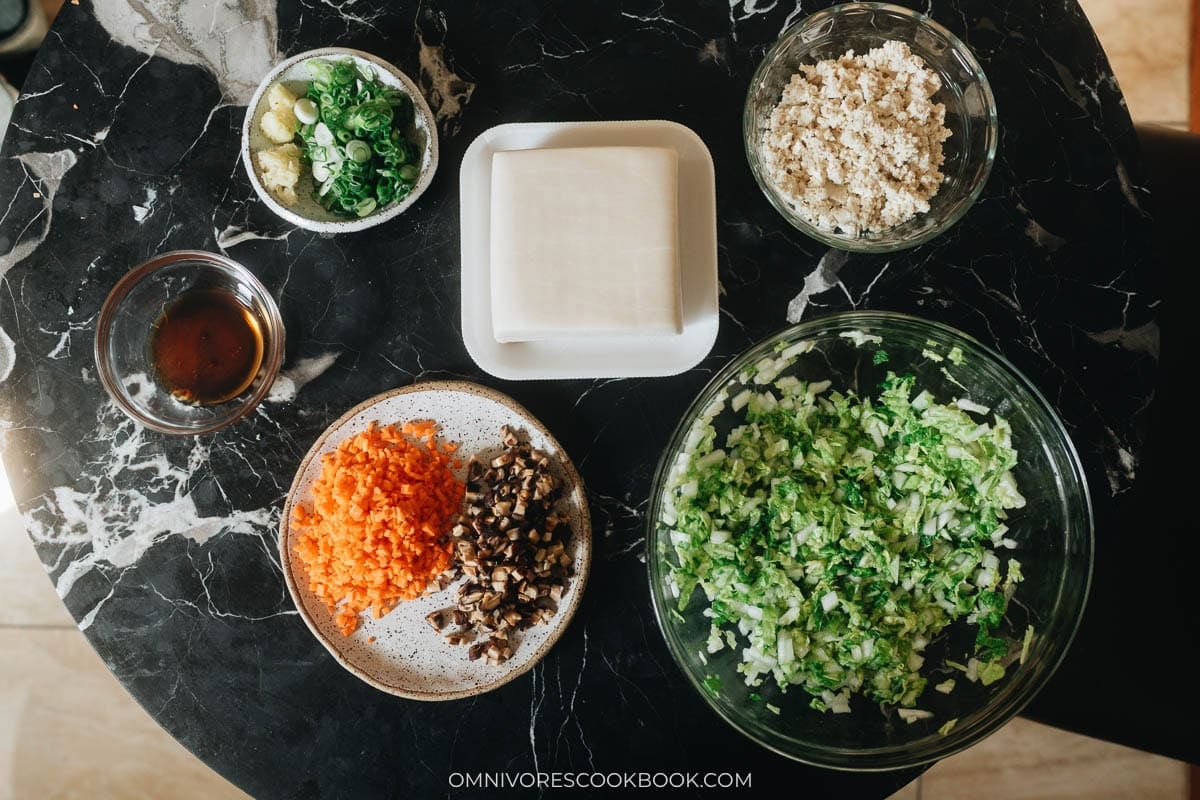
The foundation of the wonton filling is a finely chopped napa cabbage, which provides a crisp, refreshing element. This is complemented by rehydrated dried shiitake mushrooms, lending a rich, earthy umami. A small carrot is incorporated for a subtle sweetness and vibrant color, while crumbled firm tofu serves as the protein backbone, contributing essential juiciness and a satisfying texture. Rounding out the aromatic profile are finely chopped green onions, grated fresh ginger, and minced garlic, each adding layers of distinct flavor.
Seasoning the Filling: Unleashing Umami
The filling receives its complex flavor profile from a blend of key seasonings. Light soy sauce provides a savory base, while toasted sesame oil adds its characteristic nutty aroma. A splash of rice vinegar introduces a subtle tang, balanced by a pinch of sugar. The secret weapon for achieving exceptional savory depth in a vegan filling is mushroom powder, a plant-based bouillon that significantly amplifies the umami notes. In the absence of mushroom powder, an increased quantity of soy sauce can be used to compensate, though the nuanced flavor of the powder is highly recommended.
The Nourishing Broth: A Symphony of Flavors
The broth, the soul of the wonton soup, begins with a low-sodium vegetable broth. To this, the reserved shiitake mushroom soaking liquid is added, a crucial step that infuses the broth with an intense mushroom essence, elevating it beyond the ordinary. Additional mushroom powder, light soy sauce, and a pinch of white pepper further refine the flavor. The shiitake soaking liquid is particularly vital, transforming a standard vegetable broth into something far more akin to a traditional Chinese wonton broth. This potent liquid is never discarded, as it is instrumental in achieving the desired depth of flavor. It is important to note that the flavor profile of store-bought vegetable broths can vary considerably. Therefore, tasting and adjusting the broth with additional soy sauce and mushroom powder is encouraged to achieve a perfectly balanced, savory taste.
The Culinary Journey: Step-by-Step Wonton Creation
The process of creating these vegan wontons, while requiring attention to detail, is designed to be manageable and rewarding.
1. Rehydrating the Shiitakes: Unlocking Earthy Depths
Begin by placing dried shiitake mushrooms in a small bowl and covering them with warm water. Allow them to soak for approximately 20 minutes, or until they become tender throughout. Crucially, reserve this flavorful soaking liquid for the broth. Once rehydrated, finely chop the mushrooms into quarter-inch pieces.
2. Curing the Napa Cabbage: Releasing Excess Moisture
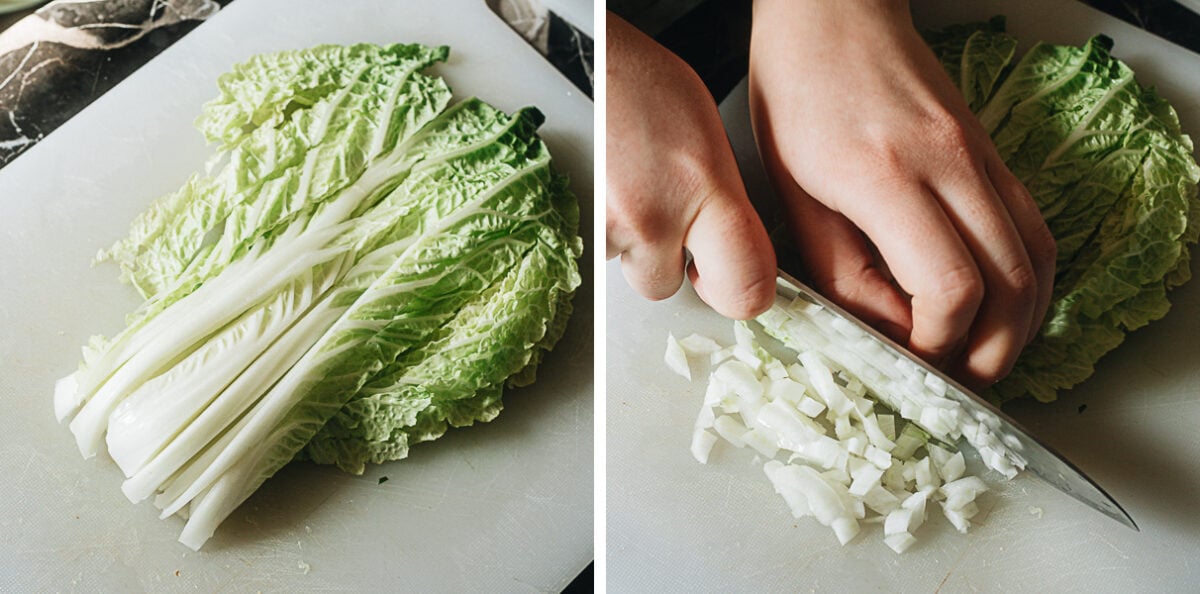
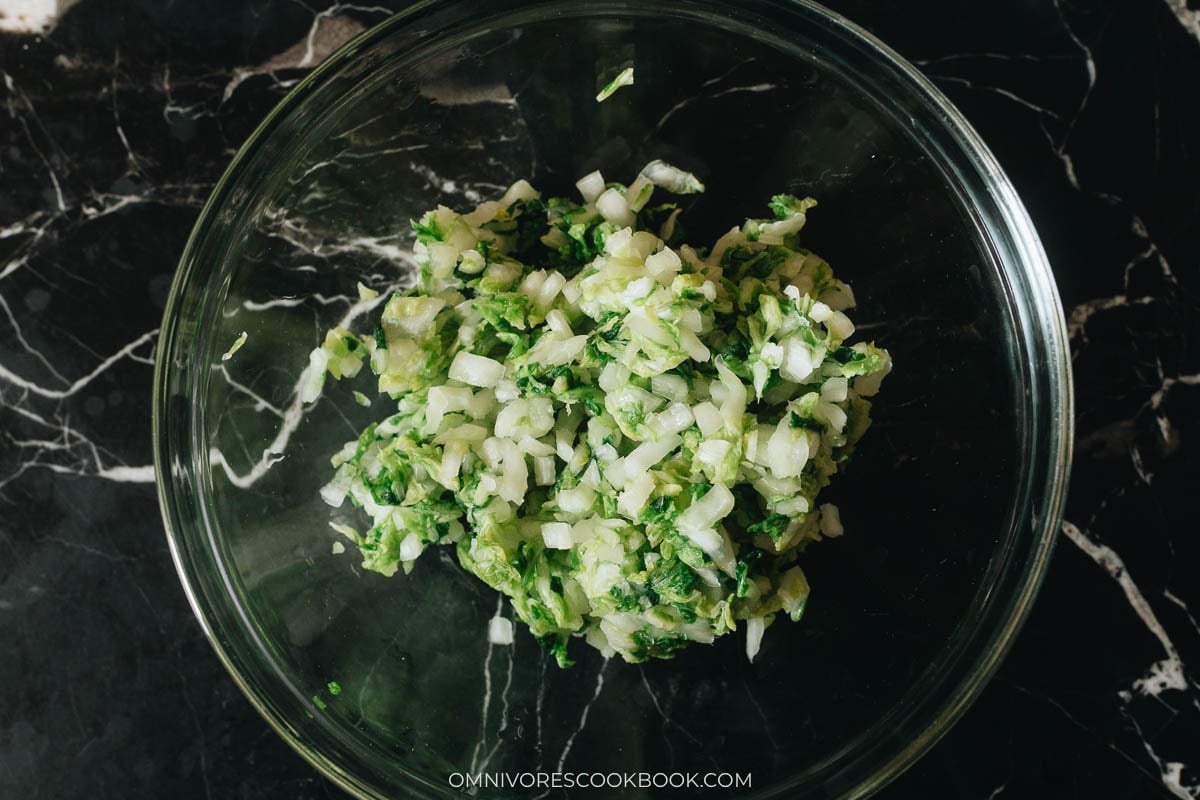
In a large bowl, combine finely chopped napa cabbage with one teaspoon of salt. Toss thoroughly and allow it to sit for 15 to 20 minutes. This salting process draws out excess moisture. After the resting period, firmly squeeze the cabbage between your hands to remove as much liquid as possible, discarding the released water. Transfer the drained cabbage to a large mixing bowl for the filling.
3. Crafting the Flavorful Filling: A Harmonious Blend
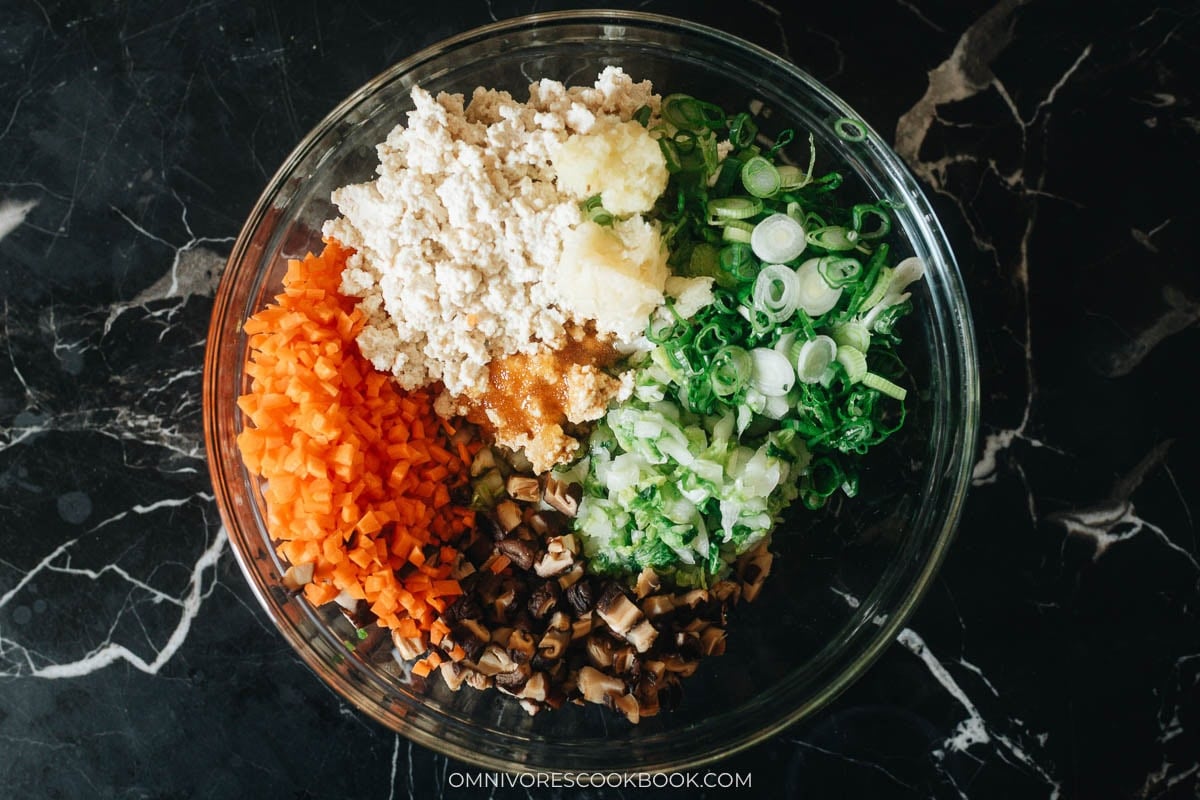
To the salted and drained napa cabbage, add the chopped shiitake mushrooms, grated carrot, crumbled firm tofu, chopped green onions, grated garlic, grated ginger, light soy sauce, sesame oil, rice vinegar, sugar, and mushroom powder. Mix these ingredients thoroughly until well combined. The mixture should hold together when a spoonful is pressed, indicating the right consistency.
4. Preparing the Wonton Assembly Station: Efficiency is Key
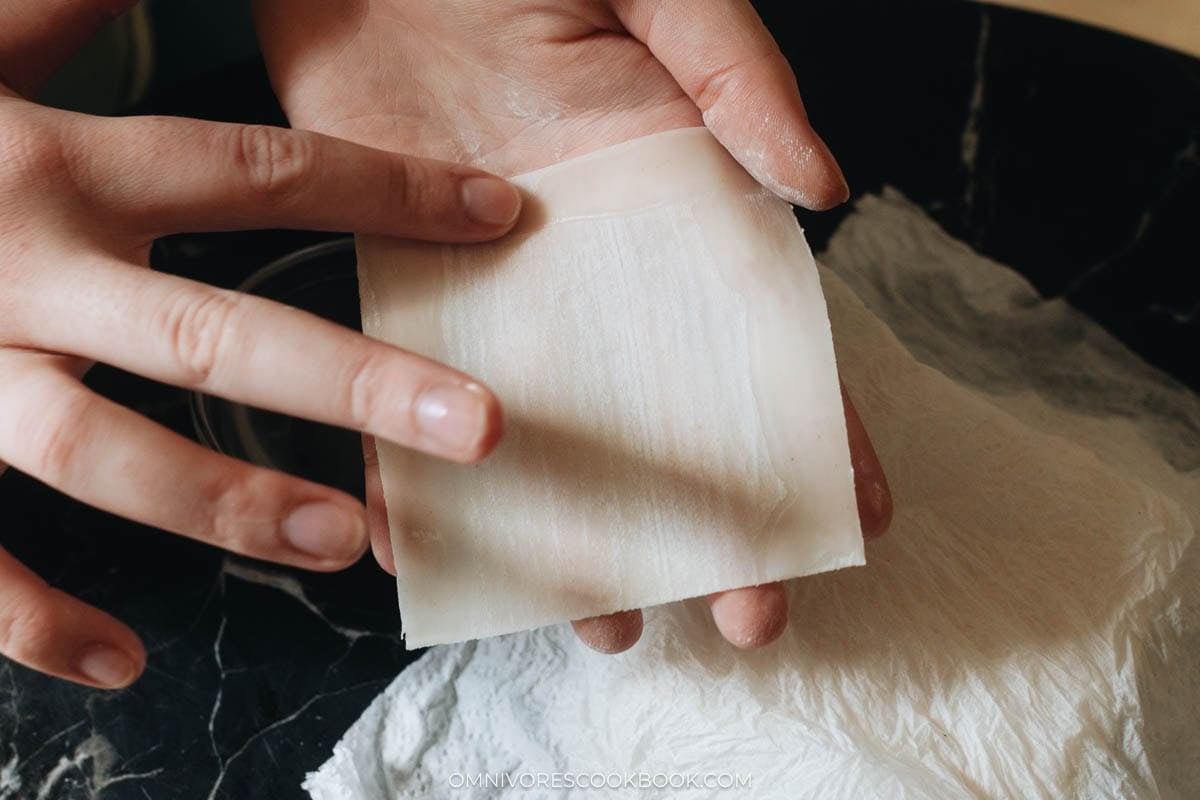
Set up a dedicated workspace for wrapping the wontons. This should include the prepared filling, a stack of wonton wrappers covered with damp paper towels to prevent drying, a small bowl of water for sealing, and a tray or plate for the finished wontons. Maintaining moisture is paramount throughout this stage.
5. The Art of Wrapping: A Delicate Fold
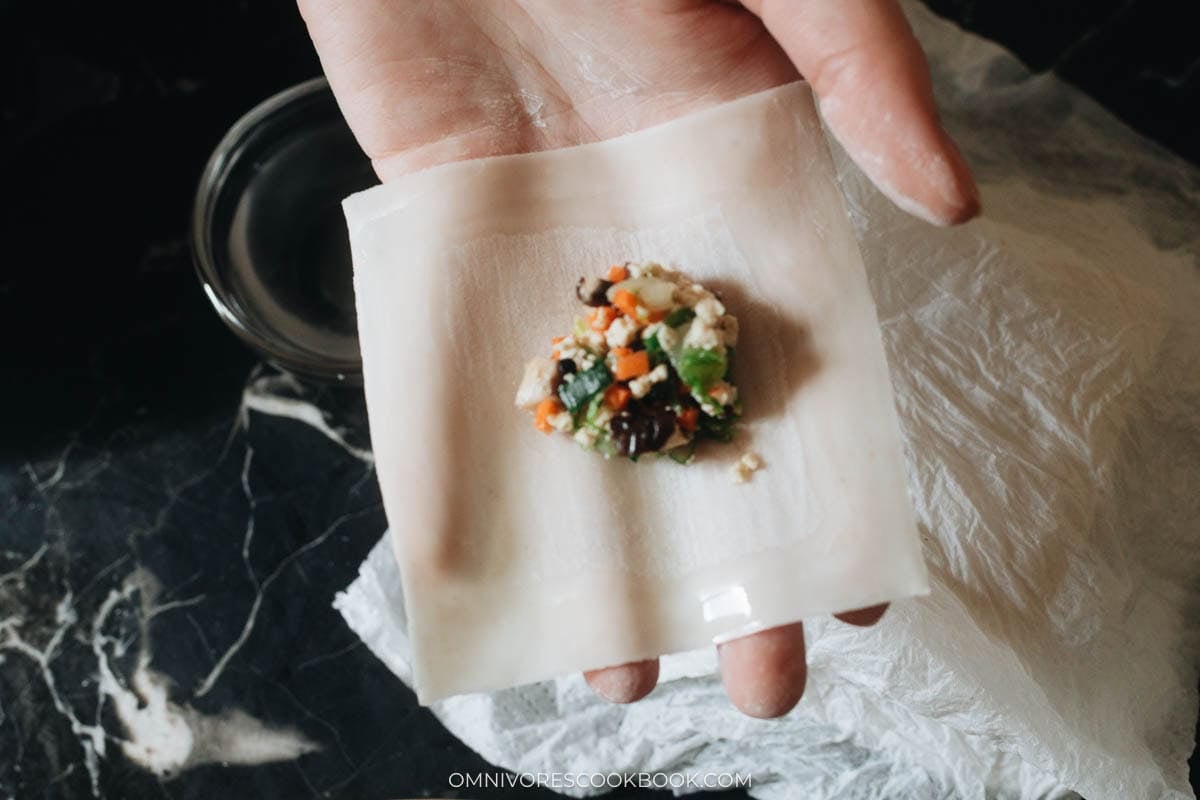
Take a single wonton wrapper and orient it like a diamond. Moisten the two top edges with a fingertip dipped in water. Place approximately half a tablespoon of the filling in the center of the wrapper.
6. Forming the Triangle: Sealing the Parcel
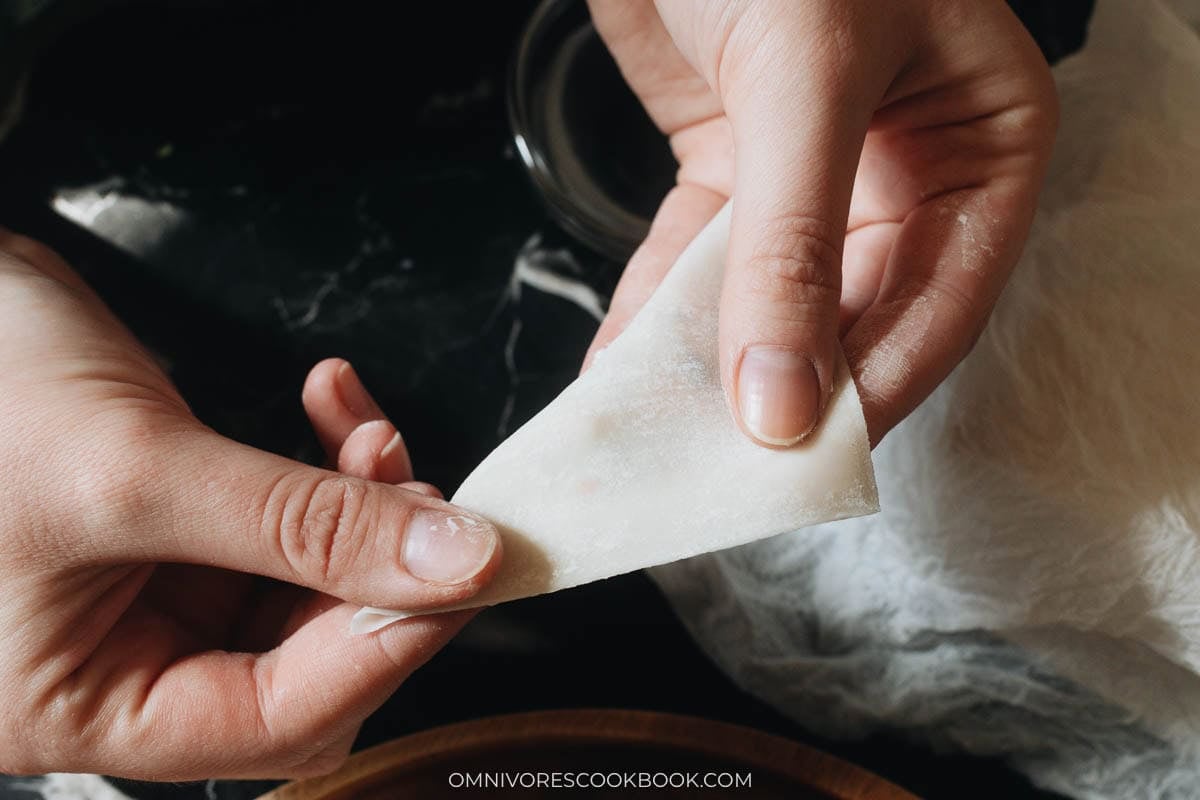
Fold the bottom point of the wrapper upwards to meet the top point, creating a triangle. Gently press out any trapped air and firmly seal the edges to ensure the filling remains contained.
7. Completing the Fold: Securing the Wonton
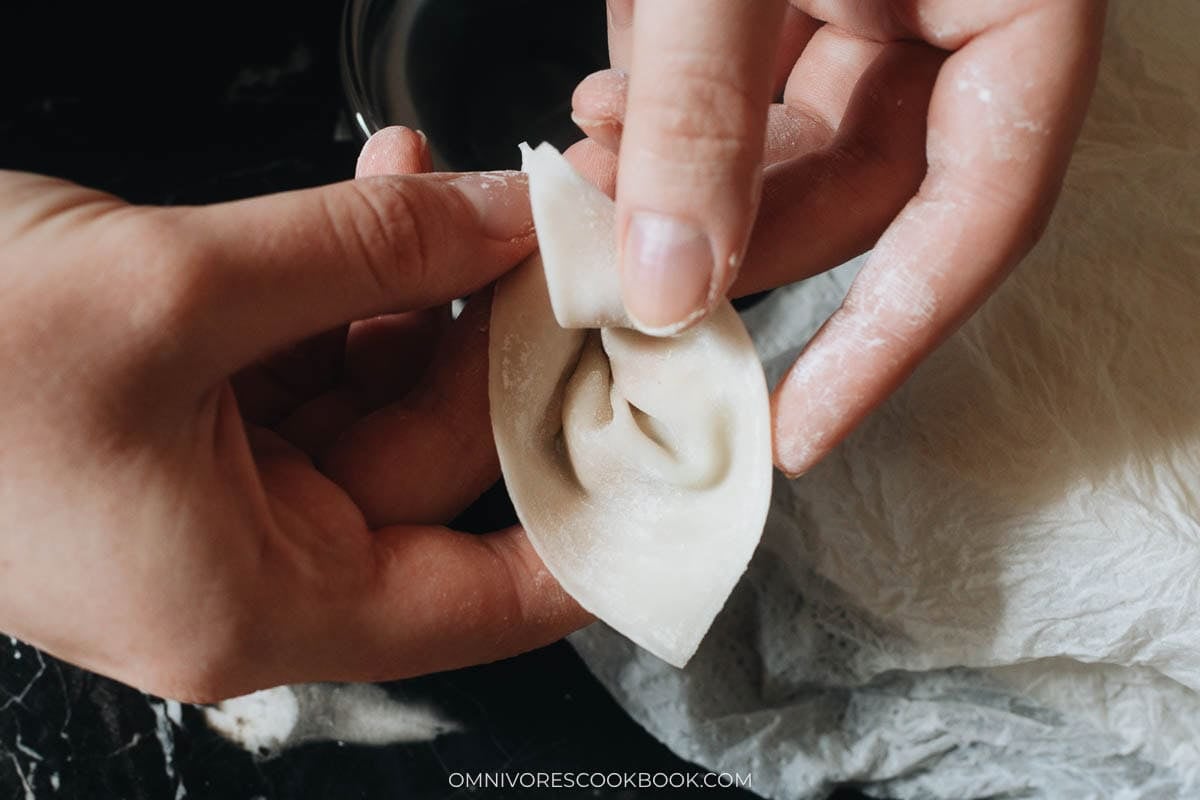
Moisten one of the bottom corners of the triangle. Fold the other bottom corner over the moistened one, overlapping to create a sealed pocket. Press firmly to secure the seal.
8. Storing the Creations: Maintaining Freshness
Place the wrapped wontons on the prepared tray, ensuring they do not touch each other. Cover them immediately with damp paper towels. Repeat the wrapping process with the remaining wrappers and filling, always keeping the wrappers and finished wontons covered to prevent them from drying out.
9. Simmering the Broth: Building the Flavor Base
In a medium saucepan, combine the vegetable broth, reserved shiitake soaking liquid, mushroom powder, light soy sauce, and white pepper. Bring the mixture to a boil over medium-high heat.
10. Cooking the Wontons: A Gentle Infusion
Once the broth is boiling, carefully add the wontons, cooking them in batches to avoid overcrowding the pot. A maximum of 15 wontons per batch is recommended to prevent sticking and ensure even cooking. Simmer for approximately 2 minutes, or until the wrappers become semi-transparent and the wontons float to the surface.
11. Serving: A Comforting Finale
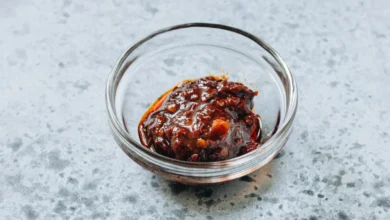
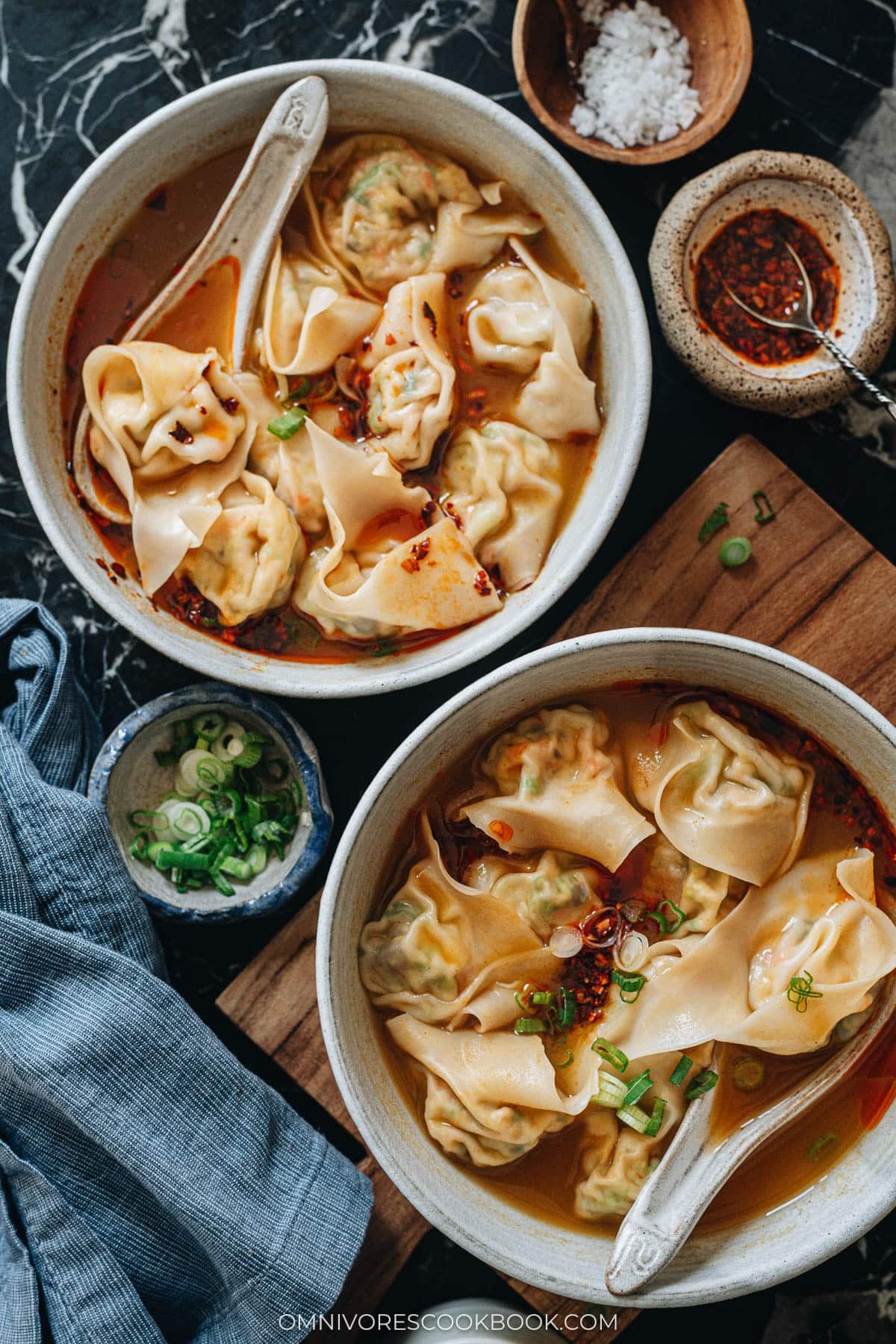
Using a slotted spoon, transfer the cooked wontons to individual serving bowls. Ladle the hot, flavorful broth over the wontons. Garnish with freshly sliced green onions and a drizzle of sesame oil or homemade chili oil for those who desire a touch of heat. Serve immediately to savor the comforting warmth and exquisite flavors.
Expert Insights for Wonton Perfection
Achieving the ideal vegan wonton soup involves understanding a few key techniques and considerations that elevate the dish.
Maximizing Umami from Shiitake Soaking Liquid
The soaking liquid from dried shiitake mushrooms is an invaluable source of concentrated mushroom umami. It is essential to incorporate this liquid into the broth to impart a depth of flavor that is difficult to replicate otherwise. Straining the liquid through a fine-mesh sieve before adding it to the broth is advisable to remove any residual grit.
The Strategic Advantage of Larger Wrappers
When working with a vegetable-based filling, which tends to be less dense than meat fillings, larger wonton wrappers offer a significant advantage. They provide greater surface area for folding and accommodating the filling, reducing the likelihood of tears or spills during the wrapping and cooking process.
The Imperative of Maintaining Wrapper Moisture
Wonton wrappers are notoriously prone to drying out, which can compromise their pliability and sealing ability. From the moment you begin wrapping, it is crucial to keep both the unused wrappers and the finished wontons covered with damp paper towels or cheesecloth. This simple step prevents them from cracking and ensures a secure seal.
The Efficiency of Cooking Wontons in Broth
Cooking the wontons directly in the finishing broth offers a dual benefit. It not only streamlines the cooking process by eliminating an extra step but also allows the wrappers to release a small amount of starch into the broth, contributing to a slightly richer, more bodyful soup. This contrasts with some traditional meat wonton preparations that call for boiling in plain water to maintain broth clarity.
Fine-Tuning the Broth for Optimal Flavor
Given the variability in commercial vegetable broths, tasting and adjusting the broth before serving is a critical step. This allows for personalization, ensuring the final soup achieves the desired balance of savory, aromatic, and slightly tangy notes characteristic of authentic Chinese wonton broth. A splash more soy sauce, a pinch more mushroom powder, or a hint of sesame oil can make all the difference.
Serving Suggestions: Versatile and Harmonious
Vegan wonton soup serves as a remarkably versatile dish, capable of being the star of a plant-based meal or a delightful prelude to a more elaborate spread.
On dedicated plant-based evenings, a generous bowl of this wonton soup can stand as a complete and satisfying dinner. When incorporated into a larger meal, it acts as a light, warming starter, whetting the appetite without being overly heavy. Serving it in small bowls, perhaps with a swirl of sesame oil and a dollop of homemade chili oil for those who enjoy a touch of heat, presents a visually appealing and flavorful introduction.
For those seeking a more dynamic flavor experience, the wontons can be cooked in plain water and then served in a Sichuan spicy wonton red oil sauce. This transforms the comforting broth into a fragrant, tingly sensation, offering a different yet equally compelling dimension to the dish.
A particularly successful plant-based Chinese dinner menu featured this vegan wonton soup as the opening act. It was harmoniously paired with Chinese eggplant with garlic sauce as the vegetable main, a refreshing bowl of smashed spicy cucumber salad, and crispy vegetable egg rolls. This thoughtfully curated menu comfortably served six guests, demonstrating that a meat-free approach can yield a deeply satisfying and diverse culinary experience.
Frequently Asked Questions Addressed
Addressing common queries can help demystify the process and ensure success for home cooks.
Preventing Watery Wonton Filling
A common pitfall leading to a watery wonton filling is omitting the crucial step of salting and squeezing the napa cabbage. Napa cabbage is predominantly water, and failing to extract this excess moisture before mixing the filling will result in a soggy wrapper during cooking. Allowing the cabbage a full 15 to 20 minutes to rest with salt, followed by a thorough squeezing, is essential.
Cooking Frozen Wontons
A significant convenience of this recipe is the ability to cook frozen wontons directly from the freezer. There is no need for thawing. Simply add them to the boiling broth as you would fresh wontons. The cooking time will be slightly longer, typically by one to two minutes, and they are ready when the wrappers turn translucent and float. This bypasses the potential issue of frozen wrappers sticking together.
Troubleshooting Opened Wontons
Wontons opening during cooking can usually be attributed to insufficient sealing of the edges or an overabundance of filling. Ensuring the wrapper edges are lightly moistened with water and pressed firmly will create a secure seal. Maintaining moisture on unused wrappers also prevents them from drying and becoming difficult to seal. Furthermore, cooking the wontons at a gentle simmer rather than a vigorous boil helps prevent them from breaking apart.
This exploration into vegan wonton soup not only provides a delicious and comforting dish but also highlights the innovative possibilities within plant-based cuisine, proving that traditional favorites can be reimagined with creativity and depth of flavor.