In a culinary landscape increasingly focused on health-conscious and time-efficient meal solutions, the humble veggie wrap with hummus has emerged as a versatile and accessible option. This article delves into the creation, benefits, and broader appeal of this simple yet satisfying dish, exploring its role in modern diets and its potential for widespread adoption.
The Allure of Simplicity and Speed
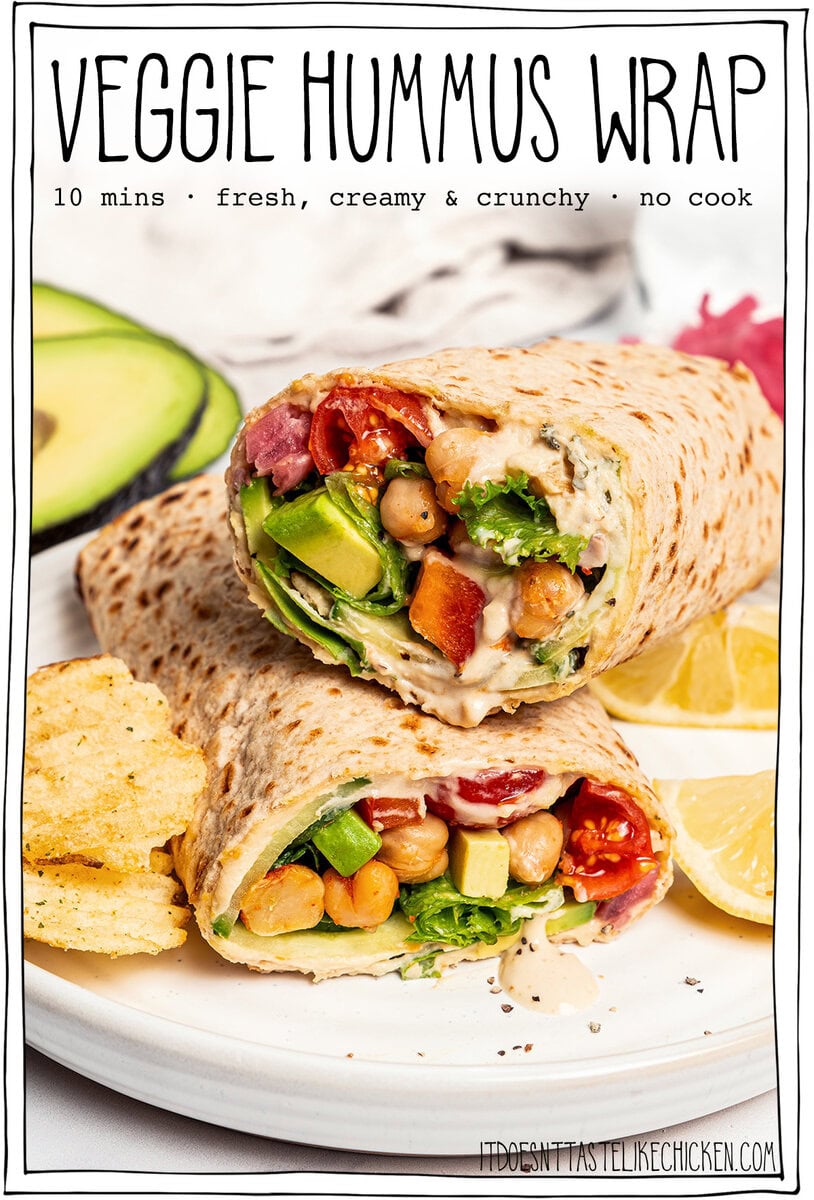
The core appeal of the veggie wrap with hummus lies in its effortless preparation and adaptability. Requiring no cooking and minimal assembly, it can be prepared in approximately 10 minutes, making it an ideal candidate for busy individuals seeking nutritious meals. The combination of fresh vegetables, creamy hummus, and a pliable wrap offers a textural and flavor profile that is both appealing and filling. This ease of preparation positions the wrap as a go-to option for lunches, quick dinners, or even as a component of meal prep strategies.
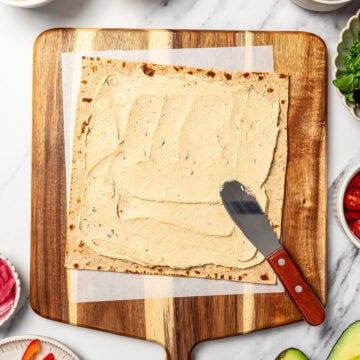
The foundational element of this wrap is hummus. Far from being merely a condiment, hummus serves as the binding agent, flavor enhancer, and nutritional powerhouse. Its creamy texture coats the vegetables, providing a satisfying mouthfeel, while its inherent protein content contributes to satiety. The standard recommendation suggests using at least a quarter cup of hummus per wrap, underscoring its importance in both structure and taste. The versatility extends to the type of hummus used, with classic chickpea hummus being a staple, but variations such as roasted red pepper, garlic, or spicy hummus offering avenues for personalized flavor profiles. This adaptability ensures that the veggie wrap can cater to a wide range of palates and dietary preferences.
Nutritional Profile and Health Benefits
Beyond its convenience, the veggie wrap with hummus boasts a significant nutritional advantage. Hummus, primarily made from chickpeas, tahini, lemon juice, and garlic, is a rich source of plant-based protein, dietary fiber, and essential minerals like iron and folate. Chickpeas, in particular, are recognized for their contribution to digestive health and their role in managing blood sugar levels. The fiber content not only promotes satiety but also aids in regulating cholesterol.
The inclusion of a diverse array of vegetables further enhances the nutritional density of the wrap. Depending on the chosen ingredients, these wraps can be laden with vitamins A and C, potassium, and various antioxidants. For instance, incorporating leafy greens like spinach or kale introduces vitamins K and A, while bell peppers add a significant dose of vitamin C. Carrots contribute beta-carotene, which the body converts to vitamin A. This combination of nutrient-rich components makes the veggie wrap a compelling choice for those aiming to increase their daily intake of fruits and vegetables.
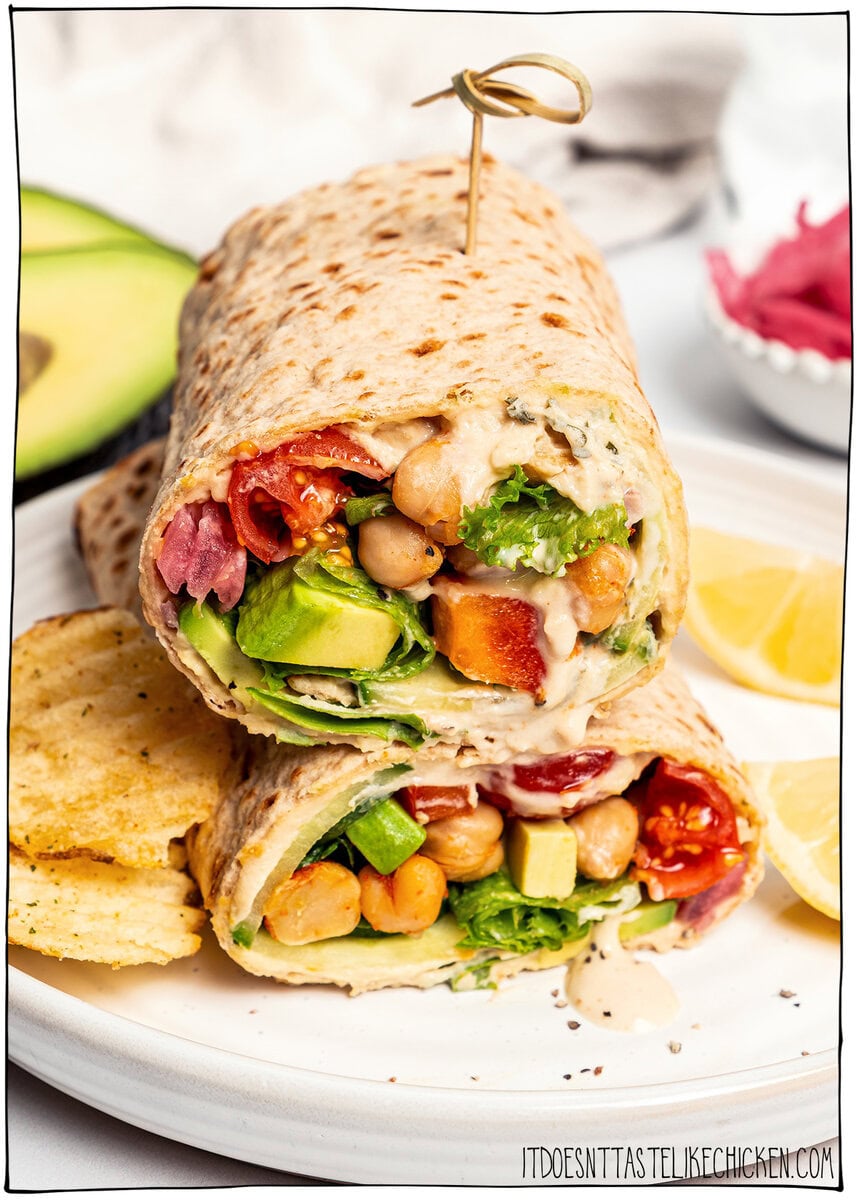
The protein and fiber found in hummus, coupled with the complex carbohydrates from the wrap, contribute to a sustained release of energy, making it an excellent option for combating mid-day fatigue. Furthermore, its predominantly plant-based nature aligns with recommendations from major health organizations, such as the World Health Organization (WHO) and the American Heart Association, which advocate for increased consumption of plant-derived foods to reduce the risk of chronic diseases like heart disease, type 2 diabetes, and certain cancers.
Culinary Adaptability and Variations
The true strength of the veggie wrap with hummus lies in its remarkable flexibility. While a basic recipe can be assembled with minimal effort, the possibilities for customization are virtually endless, catering to diverse tastes and dietary needs.
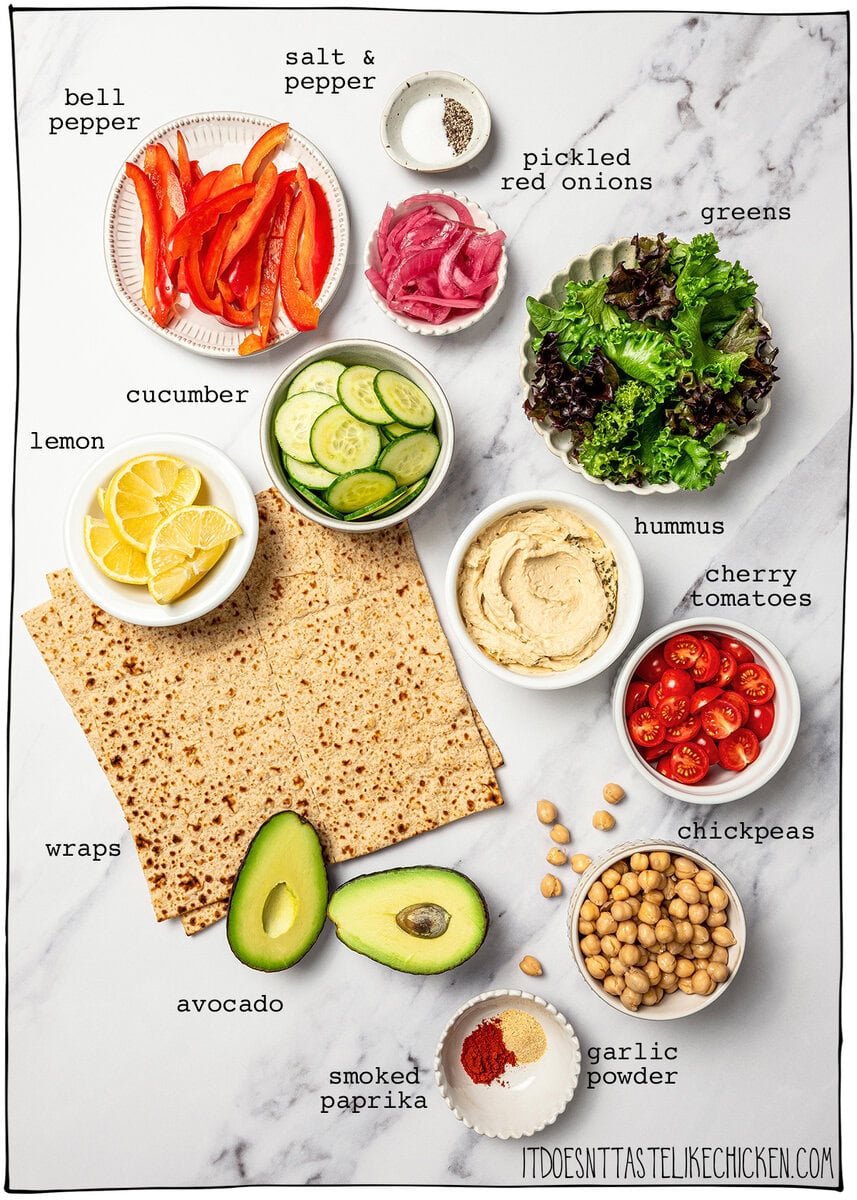
Core Components:
- Wraps: The foundation can range from traditional whole wheat tortillas to gluten-free alternatives, spinach wraps, or even large lettuce leaves for a low-carbohydrate option.
- Hummus: As mentioned, classic, roasted red pepper, garlic, or spicy hummus provide distinct flavor profiles. Homemade hummus offers control over ingredients and can be tailored to be oil-free, catering to specific dietary requirements.
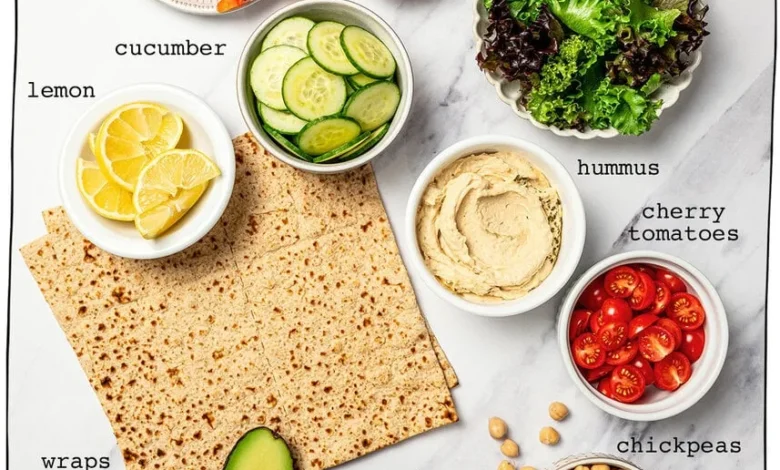
- Vegetables: The selection of vegetables is where creativity truly shines. Common additions include:
- Leafy Greens: Spinach, kale, romaine lettuce, arugula.
- Crunchy Vegetables: Shredded carrots, cucumber slices, bell pepper strips (red, yellow, orange), red onion slices, celery.
- Other Additions: Avocado slices, sprouts (alfalfa, broccoli), cherry tomatoes, pickled jalapeños, olives.
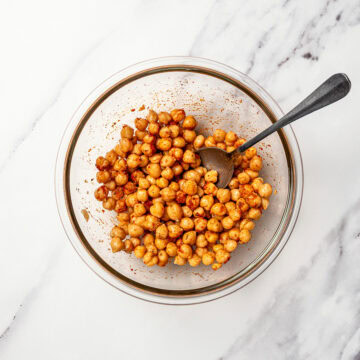
Protein Boosters: For those seeking additional protein, ingredients like chickpeas, black beans, lentils, or even grilled tofu or tempeh can be incorporated. This transforms the wrap into a more substantial meal, suitable for athletes or individuals with higher protein requirements.
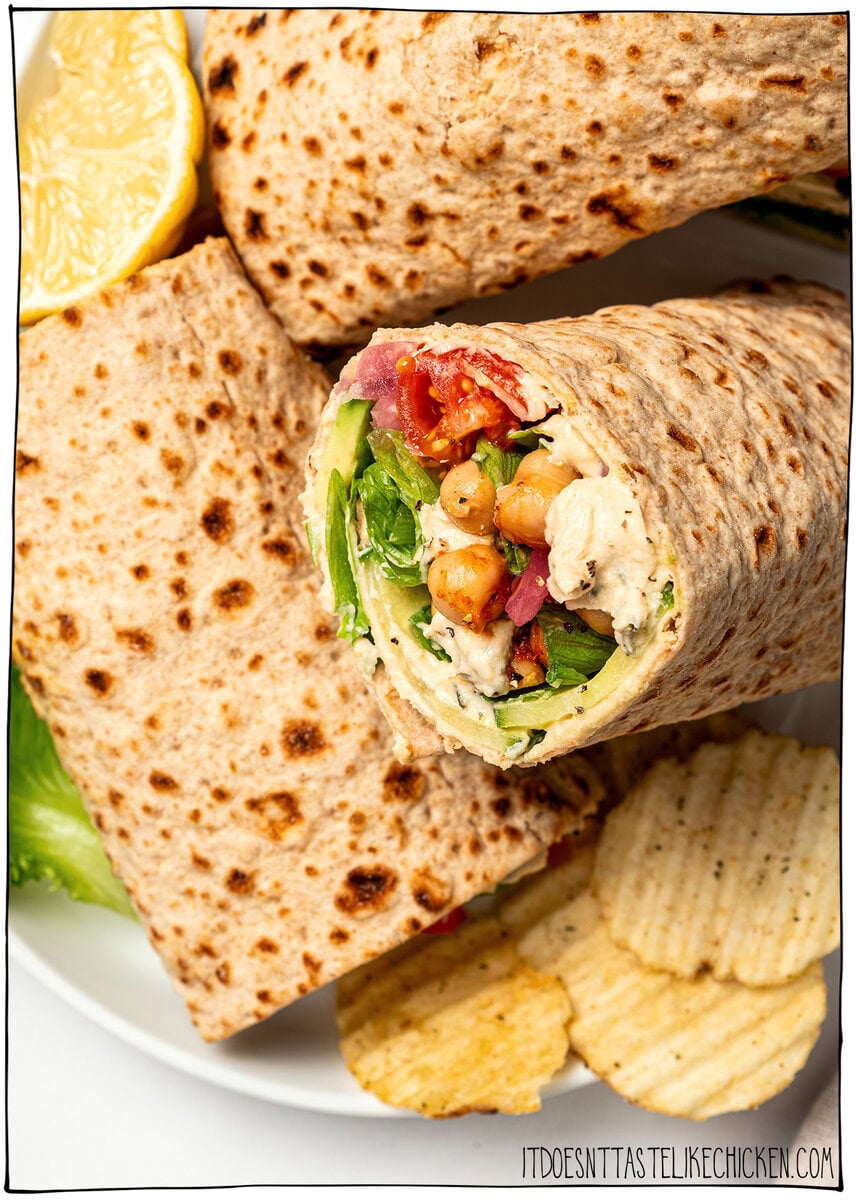
Flavor Enhancers: Beyond the hummus, a squeeze of lemon juice, a sprinkle of herbs (parsley, cilantro), or a dash of hot sauce can elevate the flavor profile. For a richer taste, a drizzle of tahini or a sprinkle of za’atar can be added.
Meal Prep and Storage Strategies
The practicality of the veggie wrap extends to its suitability for meal preparation. While best enjoyed fresh, several strategies can be employed to ensure a delicious and intact wrap even when prepared in advance.
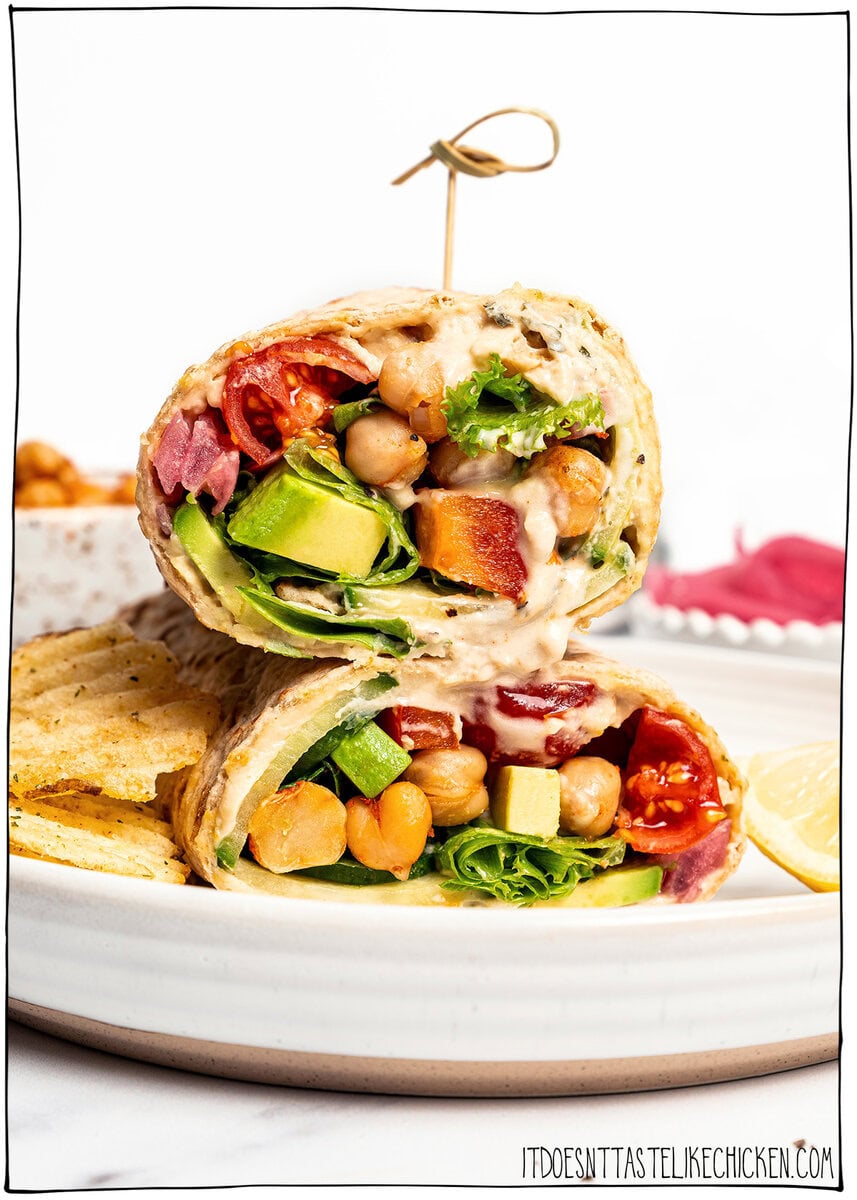
Pre-Assembly for Short-Term Storage: For lunches intended for consumption within a few hours, assembling the wrap completely is generally feasible. The hummus acts as a barrier, protecting the wrap from moisture from other vegetables. Packing the wrap in a sealed container or wrapping it tightly in beeswax wraps or parchment paper can help maintain its freshness.
Component Separation for Longer Storage: For meal prep that extends over several days, it is advisable to store the components separately. This involves packing the hummus in a small, airtight container, slicing vegetables, and keeping them in separate compartments of a lunchbox or resealable bags. The wrap itself can be stored at room temperature or lightly refrigerated. Assembly should occur just before consumption to prevent sogginess. This method ensures that the wrap maintains its optimal texture and flavor.
Freezing Considerations: While the individual components of the wrap can be frozen (e.g., cooked chickpeas, some vegetables like corn), freezing the assembled wrap is generally not recommended. The texture of the wrap and the fresh vegetables can degrade significantly upon thawing, leading to a less appealing result.
Broader Implications and Consumer Trends
The rise of the veggie wrap with hummus can be contextualized within broader shifts in consumer behavior and dietary trends. There is a discernible increase in demand for plant-based meals, driven by health concerns, environmental consciousness, and ethical considerations. According to a 2023 report by Grand View Research, the global plant-based food market size was valued at USD 26.7 billion in 2022 and is projected to grow at a compound annual growth rate (CAGR) of 12.9% from 2023 to 2030. This growth reflects a growing preference for foods that are perceived as healthier and more sustainable.
Furthermore, the emphasis on convenience in modern lifestyles fuels the popularity of quick-to-prepare meals. The 10-minute preparation time for a veggie wrap aligns perfectly with the needs of individuals who balance demanding work schedules, family responsibilities, and personal commitments. The accessibility of ingredients, readily available in most supermarkets, further contributes to its widespread appeal.
The "no-cook" aspect of this meal preparation is particularly attractive during warmer months or for individuals seeking to minimize their energy consumption in the kitchen. It also offers a solution for those who may not have extensive cooking facilities or who prefer to avoid heating their homes during hotter periods.
Conclusion
The veggie wrap with hummus stands as a testament to the power of simplicity, nutrition, and adaptability in food. Its ability to be prepared quickly with readily available ingredients, coupled with its inherent health benefits and endless customization options, solidifies its position as a staple in contemporary diets. As consumer trends continue to favor plant-based eating and convenience, the humble veggie wrap is poised to remain a relevant and celebrated meal choice for years to come. Its success lies not in complex culinary techniques, but in its straightforward yet deeply satisfying approach to nourishing the body.