The Umami Revolution How Mushrooms Are Reshaping the Global Beverage Landscape from Vineyards to Distilleries

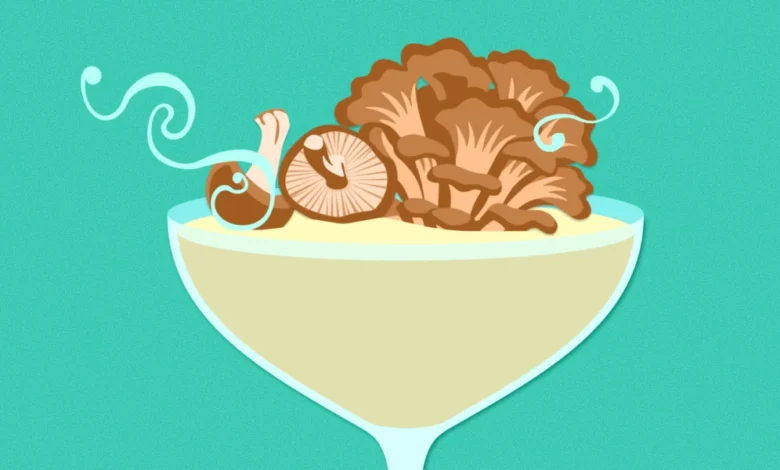
The global beverage industry is currently witnessing a paradigm shift as the "mushroom boom"—a cultural and culinary phenomenon that has already permeated the wellness and coffee sectors—takes a firm hold of the alcohol and craft spirit markets. While fungi have long been celebrated for their adaptogenic properties and potential cognitive benefits in non-alcoholic "functional" beverages, their entry into the world of wine and spirits is driven by a different priority: flavor. From the fog-drenched vineyards of Pennsylvania to high-concept distilleries in the Catskills and Southern California, producers are leveraging the complex, earthy, and savory profiles of mushrooms to create products that cater to a growing consumer demand for "funky" and umami-forward drinking experiences.
The Context of the Fungi Phenomenon
The ascent of mushrooms in popular culture has been building for nearly a decade, fueled by documentaries like Fantastic Fungi and a broader societal interest in foraging and sustainable agriculture. In the beverage sector, this first manifested in the "sober-curious" movement, where mushrooms like Lion’s Mane, Reishi, and Cordyceps were marketed as coffee alternatives or alcohol replacements designed to enhance focus or reduce stress.
However, the integration of mushrooms into alcoholic beverages represents a departure from the "wellness" narrative. Because alcohol is strictly regulated regarding health claims, producers are pivoting toward the sensory characteristics of fungi. This shift aligns with the "savory cocktail" trend, which has seen a resurgence in drinks like the Dirty Martini and the use of MSG, brine, and botanical infusions that prioritize salt and earth over sugar and fruit.
Terroir and the Smelly Ghost: The Va La Vineyards Case Study
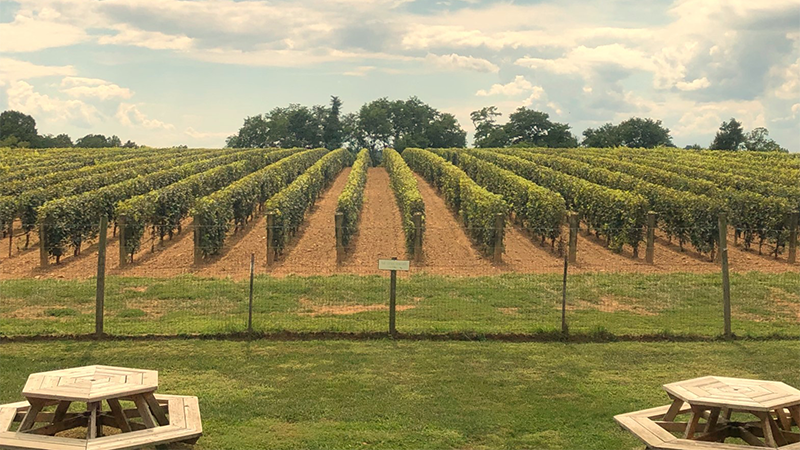
In Avondale, Pennsylvania—a region often cited as the "Mushroom Capital of the World" due to its massive commercial output—the relationship between fungi and viticulture is not merely conceptual; it is atmospheric. Anthony Vietri, the winemaker at Va La Vineyards, represents a unique bridge between these two agricultural worlds. His family spent 50 years cultivating mushrooms before transitioning to grapevines, and his vineyard remains surrounded by active mushroom processing facilities.
Vietri’s work highlights a specific form of terroir—the "smelly ghost." This phenomenon refers to the thick, musty fog generated by the heat of fermenting mushroom compost in neighboring facilities. This fog does more than just scent the air; it creates a microclimate that has allowed traditionally difficult grape varietals to thrive. Specifically, Vietri’s Nebbiolo—a grape native to Italy’s Piedmont region—has adapted remarkably well to the Pennsylvania soil. In Italy, Nebbiolo relies on the "nebbia" (fog) of the Alpine foothills to slow its ripening process. In Avondale, the "smelly ghost" of the mushroom houses provides a functional surrogate for that Italian mist.
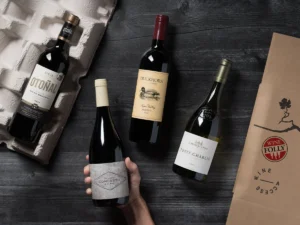
Furthermore, Vietri utilizes massal selection, a traditional method of vineyard propagation where cuttings are taken from the best-performing, naturally mutated vines within the same vineyard. This process has resulted in a version of Nebbiolo that is uniquely attuned to the "mushroom country" environment. The resulting wines are noted for their deep, savory, and "funky" qualities, proving that the chemical and aromatic influence of neighboring agriculture can fundamentally alter the profile of a vintage.
Distilling the Forest: The Rise of Mushroom-Infused Spirits
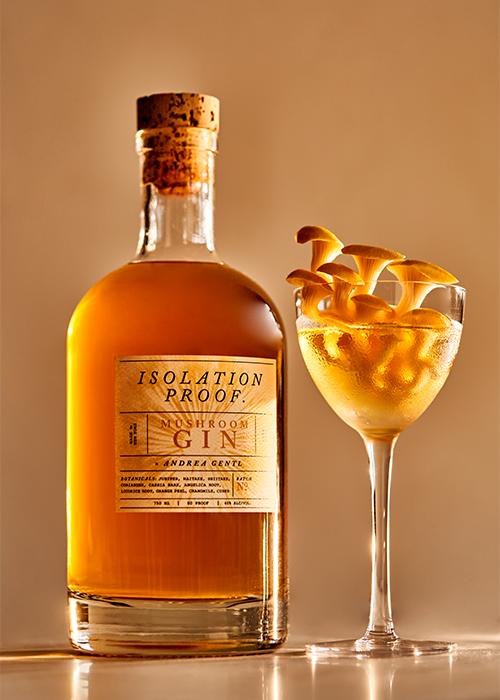
While winemakers like Vietri harness mushrooms through environmental influence, distillers are taking a more direct approach by incorporating fungi into their botanical recipes. Two prominent examples include Isolation Proof in New York and Amass Botanics in California.
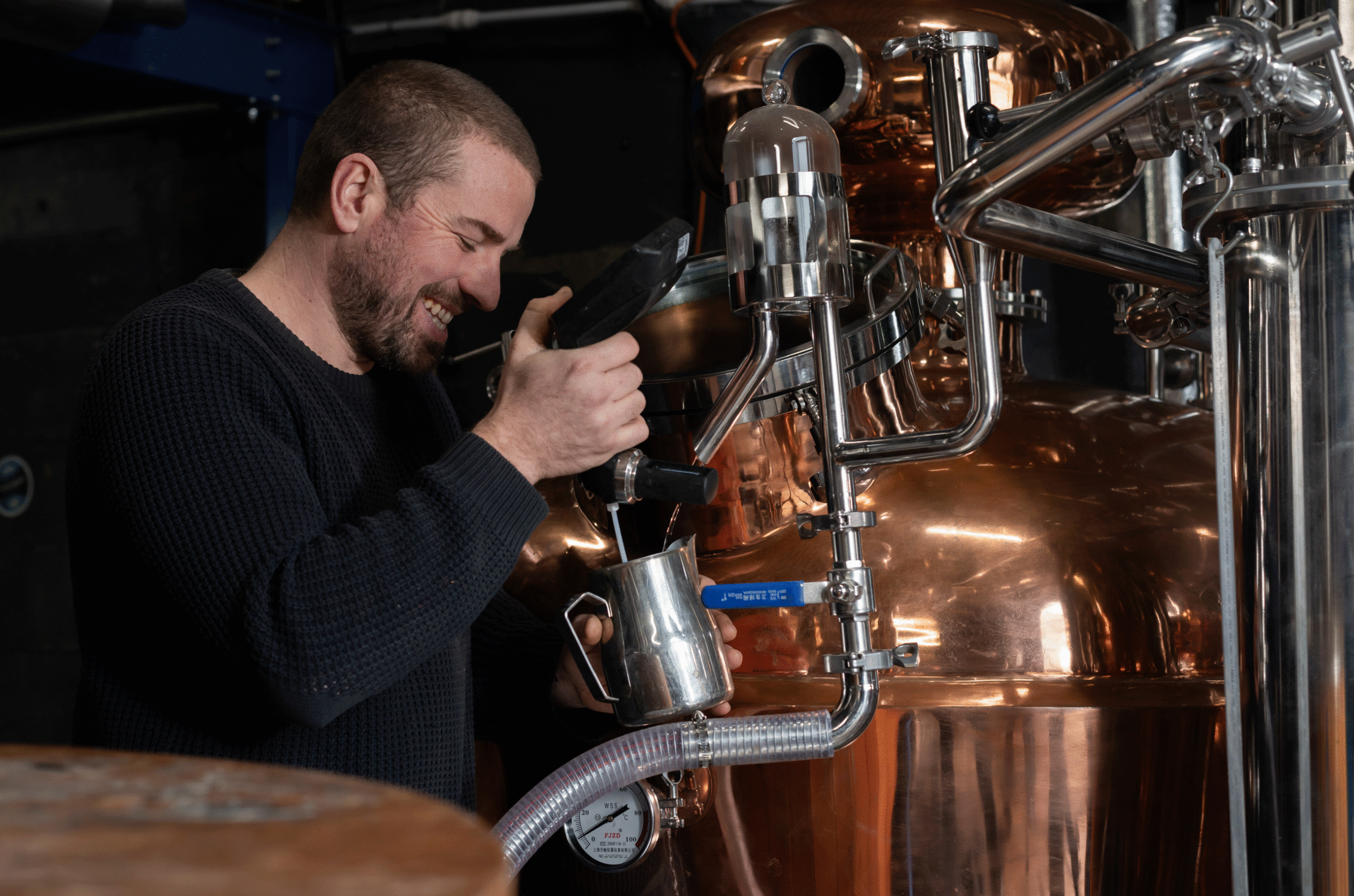
Jake Sherry, founder of Isolation Proof, developed a "Mushroom Gin" specifically to address the industry’s shift toward savory profiles. His process involves a sophisticated trio of fungi:
- Shiitake: Used to provide a "pure" and recognizable mushroom flavor.
- Maitake (Hen of the Woods): Selected for its buttery, earthy character and its status as a native species in the Catskills.
- Chaga: A parasitic fungus found on birch trees, which lends the spirit a distinct golden hue and a base note of earthiness.
Sherry’s production method highlights the technical difficulty of working with fungi. Early experiments with distillation—where the mushrooms are heated in the still—often resulted in a "cooked" or "muddied" flavor profile. To solve this, Sherry moved toward maceration, a cold-soaking process that preserves the delicate umami notes and prevents the spirit from tasting like "dirt." The result is a gin where the mushroom dominates the nose but recedes on the palate into an oxidative, savory finish.
Similarly, Morgan McLachlan of Amass Botanics has experimented extensively with mushrooms in her botanical blends. Amass is known for its "29-botanical gin," which originally included Reishi and Lion’s Mane. However, the motivation for these ingredients was always the "funk" and complexity they added to the liquid, rather than a desire to market the gin as a health tonic.
The Regulatory Hurdle: Flavor vs. Function
The intersection of "functional" ingredients and alcohol is a fraught territory overseen by the Alcohol and Tobacco Tax and Trade Bureau (TTB). As mushrooms have become more synonymous with "wellness," the TTB has increased its scrutiny of mushroom-based ingredients in spirits.
McLachlan noted that as the cultural surge in mushroom wellness products grew, TTB agents began to flag functional fungi like Reishi and Lion’s Mane. This forced a reformulation of the Amass gin. To maintain the earthy flavor profile without triggering regulatory issues regarding unproven health claims, the distillery shifted to using Porcini mushrooms. Porcini, being a strictly culinary mushroom, allows the brand to keep its signature flavor while remaining in compliance with federal laws that prohibit alcohol from being marketed as "medicine."
This regulatory environment creates a clear divide in the market:
- Non-Alcoholic Brands (e.g., De Soi): Can use adaptogenic mushrooms like Reishi for their supposed functional benefits, often masking the flavor entirely.
- Alcoholic Brands: Use culinary mushrooms like Shiitake or Porcini for their flavor, expressly avoiding "functional" claims.
Supporting Data and Market Trends
The "mushrooming" of the beverage industry is supported by significant economic data. According to market research by Grand View Research, the global mushroom market was valued at approximately $50.3 billion in 2021 and is expected to expand at a compound annual growth rate (CAGR) of 9.7% through 2030.
Within the beverage sector specifically:
- The savory cocktail market has seen a 25% increase in menu mentions over the last three years, according to industry trend reports.
- The functional beverage market, which includes mushroom coffees and elixirs, is projected to reach $200 billion by 2030.
- Consumer Sentiment: A 2023 survey of bartenders and mixologists indicated that "Umami" is now considered a primary flavor profile in craft cocktail development, alongside sweet, sour, and bitter.
Chronology of the Mushroom Beverage Trend
- 2015–2018: The "Wellness Era." Mushroom powders and "bulletproof" coffee additives enter the mainstream via brands like Four Sigmatic.
- 2019: The "Foraging Renaissance." Documentaries and social media trends elevate the status of wild mushrooms beyond the kitchen.
- 2020–2021: The Pandemic Shift. Home mixology explodes, and consumers begin looking for more complex, "difficult" flavors like bitterness and funk.
- 2022: Regulatory Pivot. The TTB begins tightening definitions for "functional" additives in spirits, leading craft distillers to re-brand mushroom ingredients as flavor-only.
- 2023–Present: The Savory Peak. Mushroom gins, umami-infused vermouths, and "fungi-terroir" wines become staples in high-end bars and tasting rooms.
Implications for the Future of the Industry
The integration of mushrooms into the alcohol sector suggests a broader maturation of the consumer palate. The modern drinker is increasingly "flavor-curious," willing to explore ingredients that were once considered unpalatable or "too weird" for a cocktail. This trend also reflects a deeper interest in transparency and agriculture. When a winemaker like Anthony Vietri talks about the "smelly ghost" of mushroom compost, he is connecting the consumer to the raw, unpolished reality of the land.
Furthermore, the shift from "functional" to "flavorful" indicates that the craft spirit industry is doubling down on its identity as a culinary art form rather than a wellness accessory. While the "adaptogen" trend may eventually plateau, the human craving for umami—the fifth taste—is biological and enduring.
As distillation and maceration techniques continue to evolve, it is likely that more specific and rare fungi will find their way into bottles. From the truffle-infused vodkas of Europe to the wild-foraged chanterelle liqueurs of the Pacific Northwest, the kingdom of fungi offers a nearly infinite library of flavors for the next generation of beverage producers. For now, the mushroom’s "moment" shows no signs of fading; instead, it is deepening, rooting itself into the very soil and spirit of the global drinks industry.