The Evolution and Global Ascent of Marlborough Pinot Noir Beyond the Shadow of Sauvignon Blanc

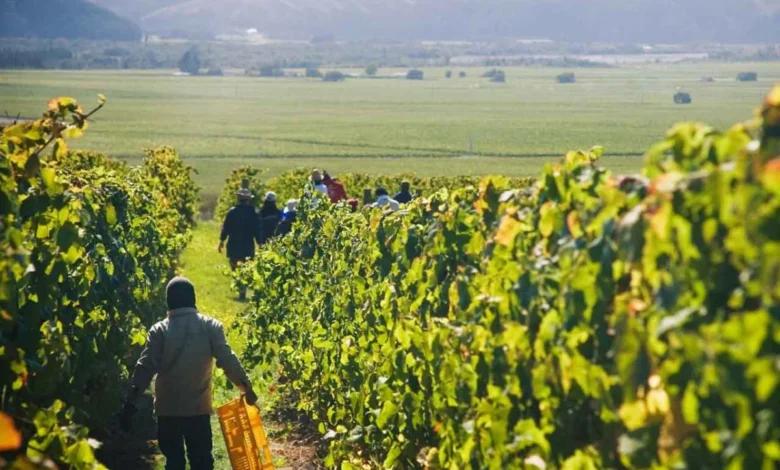
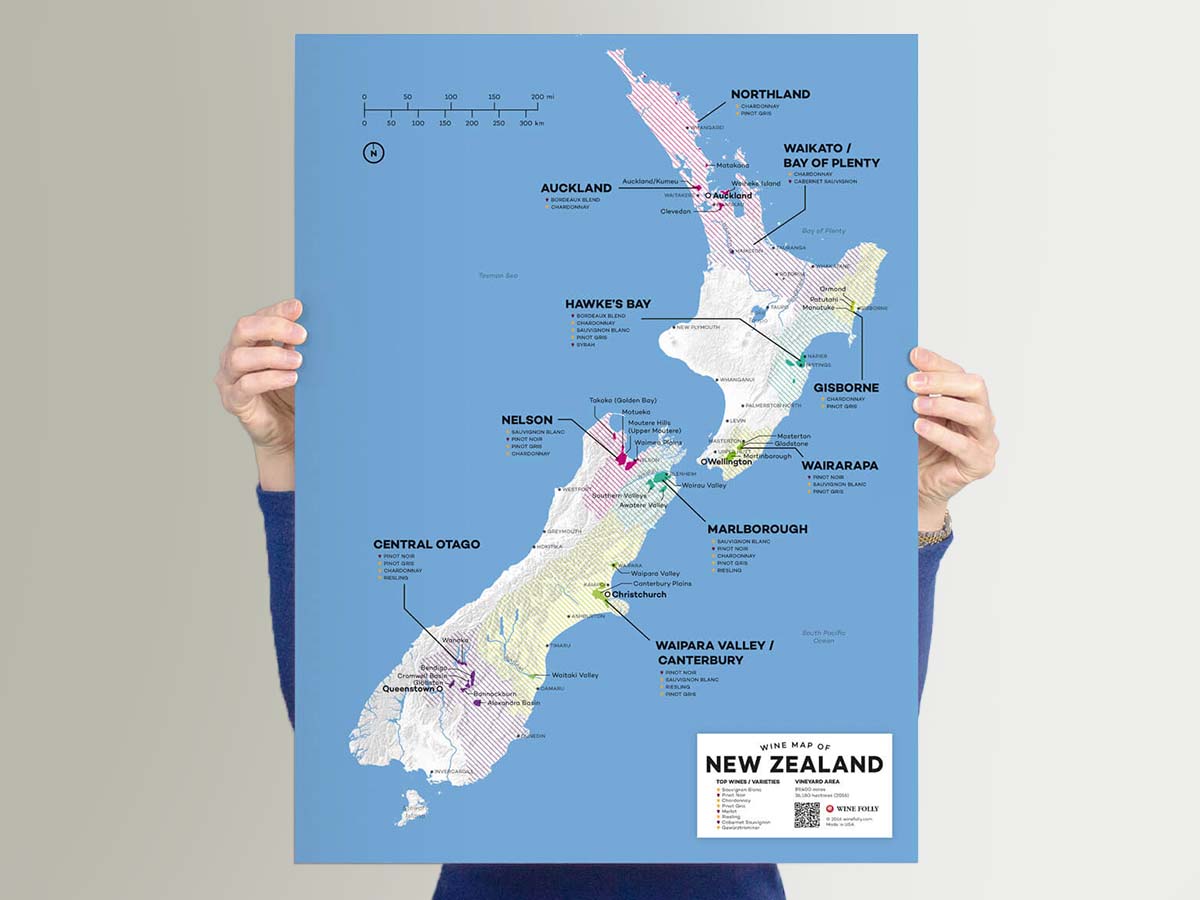
For decades, the global narrative surrounding Marlborough, New Zealand, has been dominated by a single varietal: Sauvignon Blanc. Since the first commercial plantings in the 1970s, the region’s high-octane, herbaceous whites have defined the "New World" style, turning Marlborough into a household name for wine consumers from London to New York. However, a significant shift is occurring within the 28,000 hectares of vines that carpet the northern tip of the South Island. While Sauvignon Blanc remains the economic engine of the region, Marlborough has quietly and firmly established itself as a world-class producer of Pinot Noir, challenging the traditional dominance of regions like Burgundy, Oregon, and New Zealand’s own Central Otago.
The rise of Marlborough Pinot Noir is not merely a byproduct of increased acreage, but rather the result of a sophisticated evolution in viticultural understanding, sub-regional identification, and a maturing of the vines themselves. Today, the region’s Pinot Noir is celebrated for its pristine fruit profile, underpinned by layers of minerality, exotic spices, and a structural elegance that reflects a unique maritime-influenced terroir.
The Geographical Blueprint: A 41-Degree Latitude Advantage
To understand the success of Pinot Noir in Marlborough, one must look at its geographical positioning. Situated at 41.3 degrees south latitude, Marlborough is the antipodean equivalent of central France. In terms of Heat Degree Days (HDD) and annual rainfall, the region mirrors the climatic conditions of Sancerre and Burgundy. However, Marlborough possesses a distinct oceanic influence that its French counterparts lack.
New Zealand is a windswept archipelago frequently impacted by the "Roaring Forties"—strong westerly winds. Marlborough’s success lies in its natural protection. The Southern Alps and the Richmond Ranges serve as a formidable rain shadow, blocking heavy precipitation from the Tasman Sea. Simultaneously, the Wither Hills act as a buffer against the frigid southerly blasts originating from Antarctica. This creates a temperate "amphitheater" that enjoys high sunshine hours while maintaining cool temperatures.
The defining characteristic of this climate is the diurnal temperature swing. Warm days allow the Pinot Noir grapes to achieve phenolic ripeness and sugar concentration, while the rapid cooling at night preserves the grape’s natural acidity and delicate aromatic compounds. This "yin-yang" climate facilitates a long, leisurely growing season, allowing for the development of intensity and finesse without the high alcohol levels often found in warmer-climate Pinots.
A Chronology of Progress: From Sparkling Base to Grand Cru Stature
The history of Pinot Noir in Marlborough is a journey of discovery. Until the late 1990s, Pinot Noir was largely considered a secondary crop. Most of the fruit was grown on the flat, fertile soils of the Wairau Valley floor, where high yields were prioritized for the production of sparkling wine base. These early iterations lacked the depth and structure required for premium still red wine.
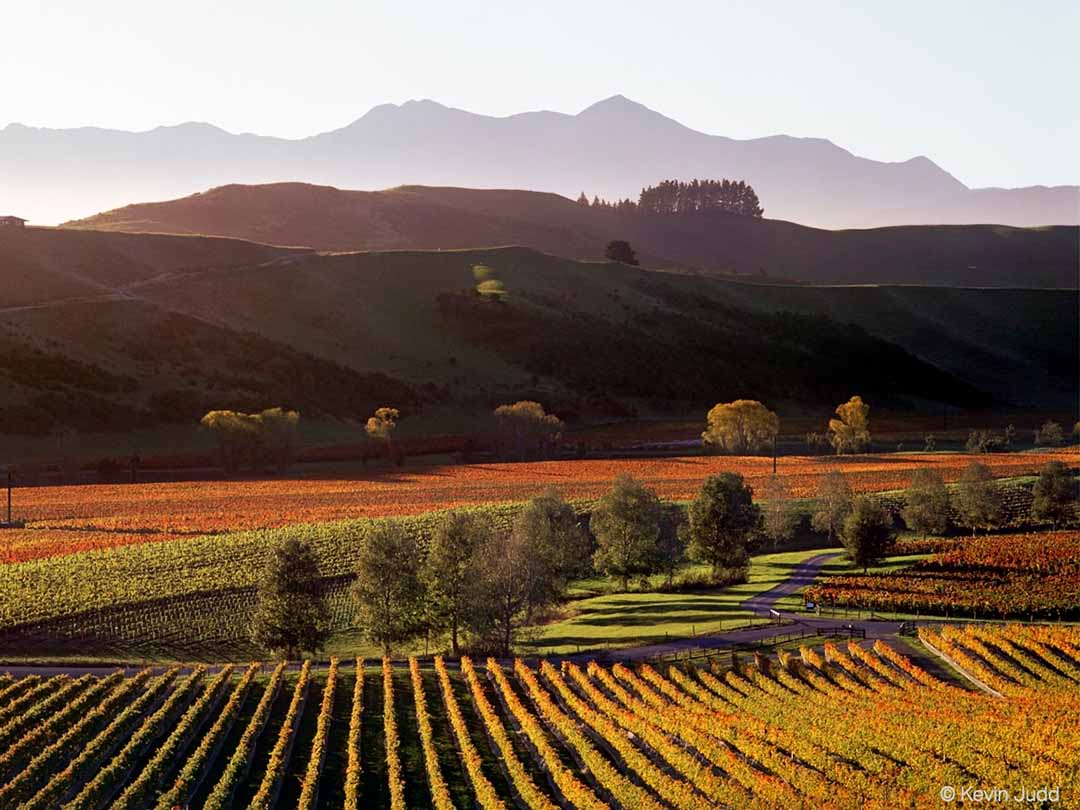
The turning point occurred when astute growers began to look toward the hills. By moving away from the river-gravel flats and onto the elevated ridges and clay-rich slopes of the Southern Valleys, viticulturists discovered a different expression of the grape. These heavier soils provided the water retention and nutrient profile necessary to curb the natural vigor of the Pinot Noir vine, resulting in smaller berries with thicker skins and more concentrated flavors.
Throughout the early 2000s, the "coming of age" for Marlborough Pinot Noir was further accelerated by the maturation of the vines. Pinot Noir is a notoriously finicky varietal that often requires 15 to 20 years of vine age before it begins to express the true nuances of its site. As Marlborough’s vineyards have matured, the wines have gained a perceived "inner strength" and complexity that was missing in the younger vintages of the 1980s and 90s.
The Tri-Sub-Regional Framework
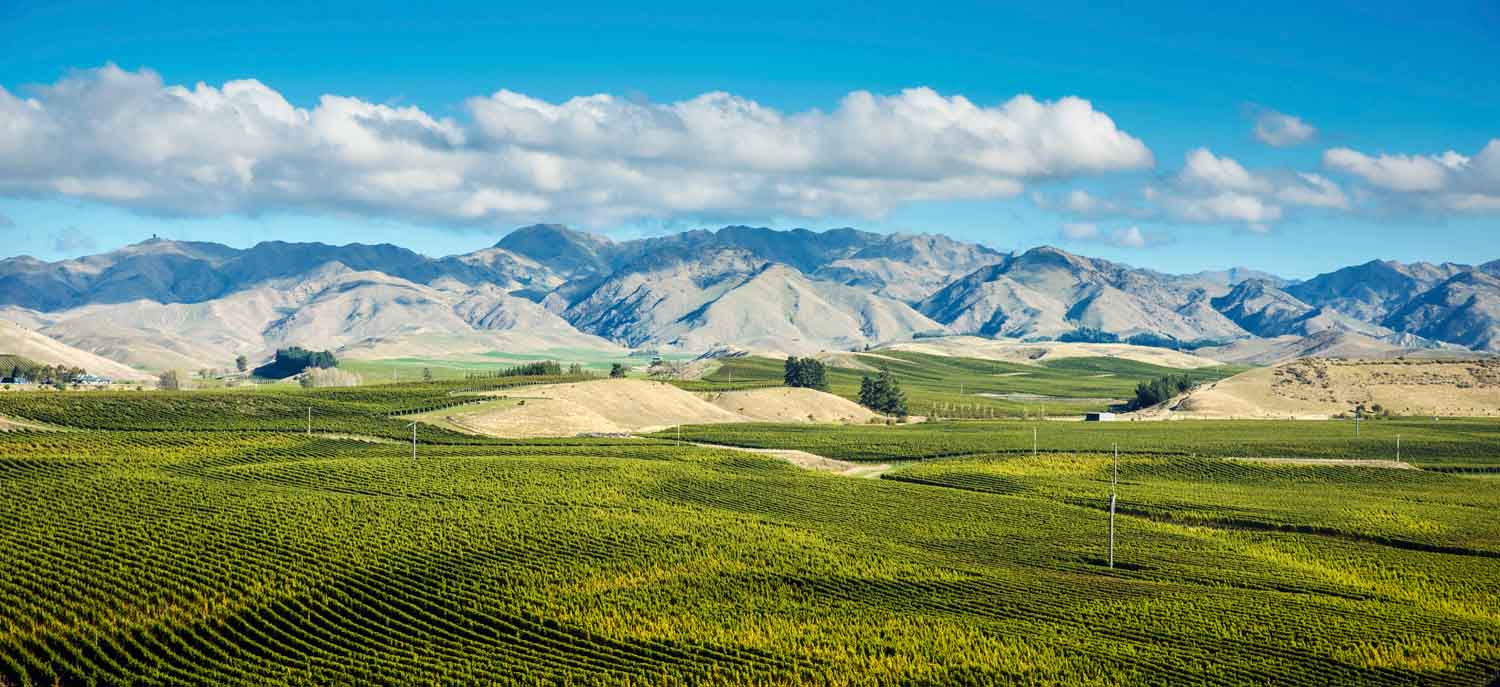
Marlborough is not a monolithic terroir. It is a diverse landscape divided into three primary sub-regions, each offering a distinct signature for Pinot Noir.
The Southern Valleys
This sub-region is widely considered the heart of Marlborough’s premium Pinot Noir production. Comprising the Brancott, Omaka, and Waihopai Valleys, the area is characterized by older, loess-derived clay soils. These soils produce "fleshy" Pinots with significant depth, structure, and dark fruit profiles. The tannins here tend to be more robust, providing a savory backbone that allows the wines to age gracefully.
The Wairau Valley
The original heartland of the region, the Wairau Valley features a wide range of soil types, dominated by stony river gravels. The Pinot Noir from this area tends to be more aromatic and "lifted," featuring bright red fruit notes like maraschino cherry and raspberry. These wines are often prized for their approachability and elegance, reflecting the well-drained, warmer nature of the valley floor.
The Awatere Valley
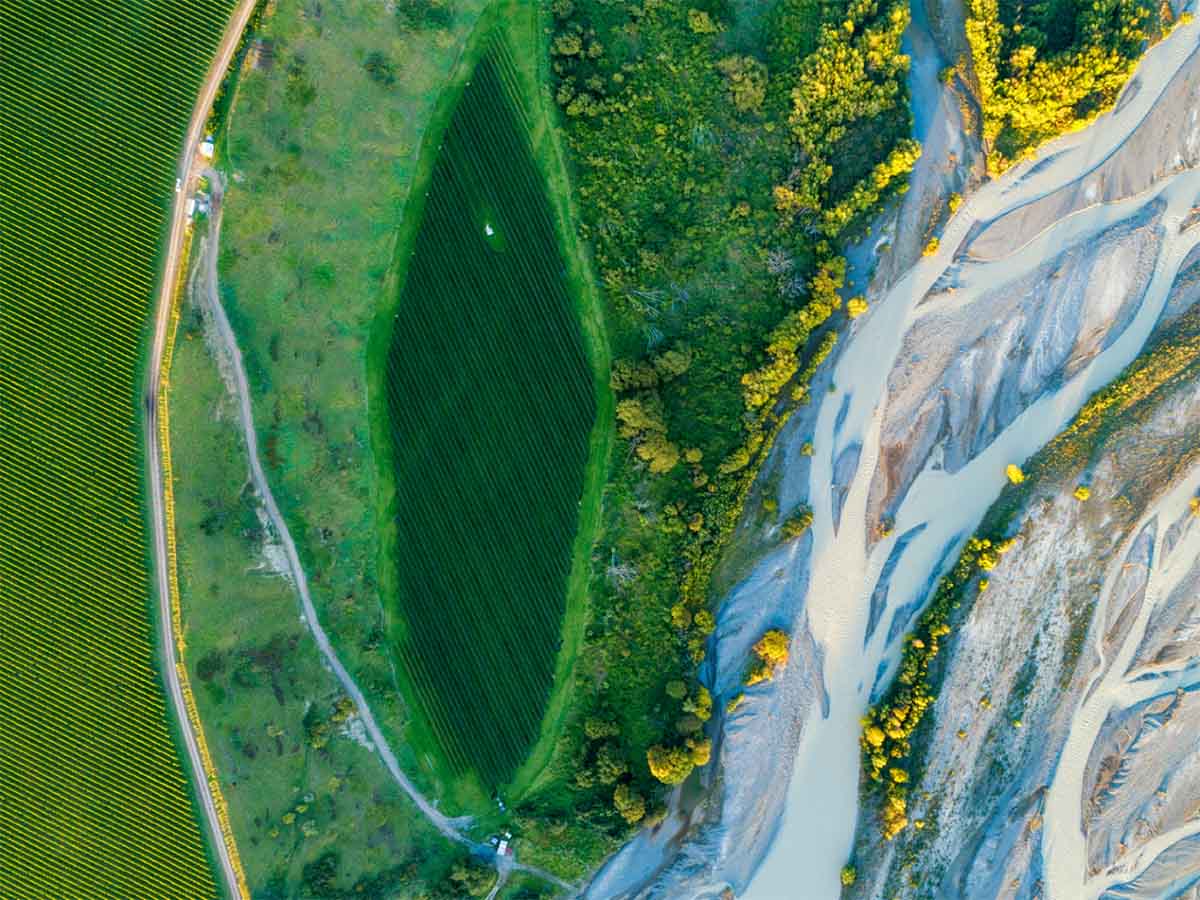
The Awatere is the coolest and driest of Marlborough’s sub-regions. It is defined by its proximity to the coast and the rugged terrain surrounding the Awatere River. The Pinot Noir here is distinctive for its vibrant, savory, and often herbal character. Growers frequently note a "stony" minerality and a high-toned acidity that gives the wines a leaner, more "linear" profile compared to the plusher styles of the Southern Valleys.
Viticultural Philosophy: Turangawaewae and Kaitiakitanga
The evolution of Marlborough Pinot Noir is as much about philosophy as it is about geography. New Zealand winegrowers have increasingly embraced Māori concepts to describe their relationship with the land.
Turangawaewae—translated as "a place to stand"—refers to the deep sense of place and identity that a wine expresses. This is the New Zealand equivalent of the French concept of terroir. For Pinot Noir, which is perhaps the most site-expressive grape in the world, this focus on specific plots and "climats" has led to a surge in single-vineyard bottlings.
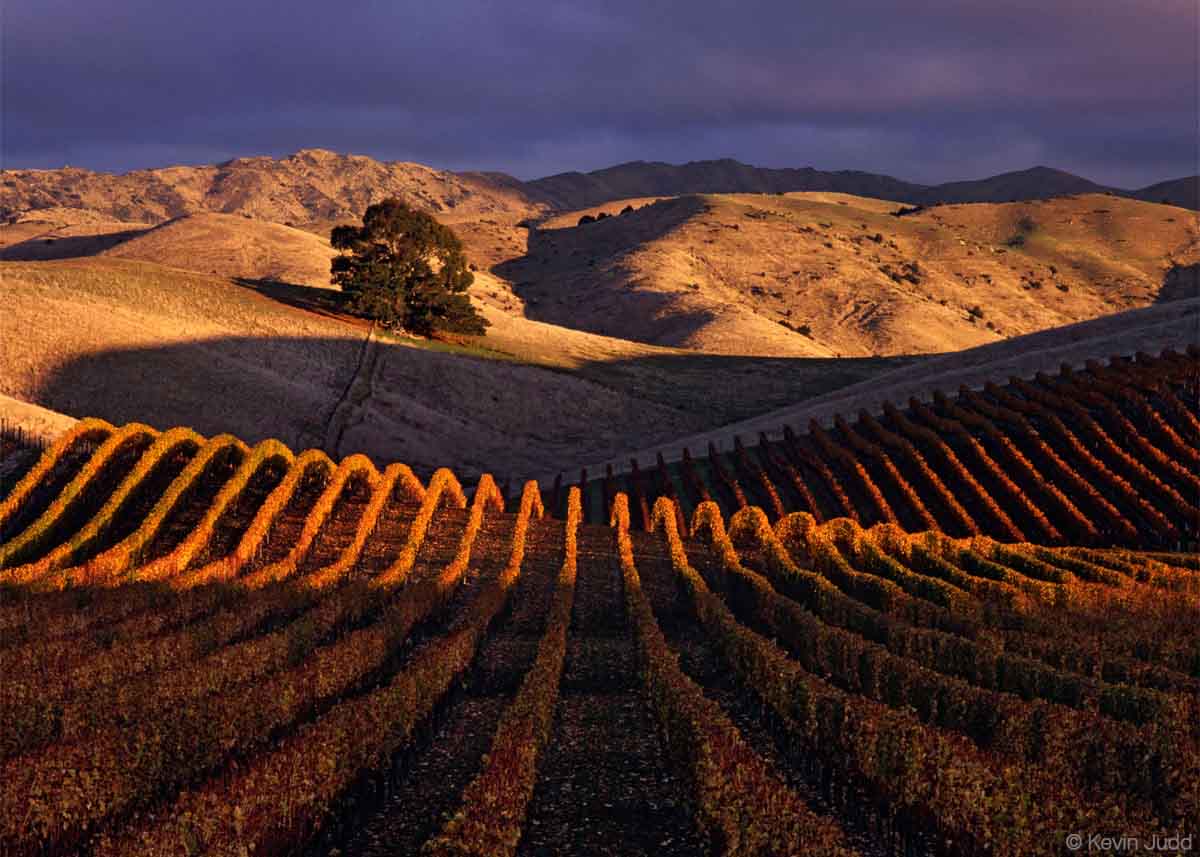
Complementing this is Kaitiakitanga, or guardianship of the land. Marlborough has seen a massive shift toward organic and biodynamic viticulture. Producers such as Clos Henri and Deep Down Wines are leading the charge, operating on the belief that healthy, chemical-free soils are essential for capturing the ethereal qualities of Pinot Noir. This commitment to sustainability is not just ethical; it is a quality driver that ensures the longevity of the region’s viticultural viability.
Sensory Profile and Technical Composition
Typical high-quality Marlborough Pinot Noir offers a multi-layered sensory experience. On the nose, consumers can expect a bouquet of red fruits (morello cherry, boysenberry) intertwined with floral notes of rose petal, lavender, and violet. As the wine opens, more complex "eartier" notes emerge, including bramble, smoke, truffle, and a distinct stony minerality.
The palate often reveals seductive spice notes such as anise, clove, and liquorice, balanced by sweet tobacco and dark chocolate. Unlike the "bigger" Pinots of some California regions, Marlborough versions maintain a cool-climate vibrancy and abundant ripe acidity, leading to a long, clean finish.
From a technical standpoint, the diversity of clones has also played a role. While the 10/5 clone was historically popular for its reliability, many premium producers have transitioned to "Dijon clones" (such as 115, 667, and 777) and the "Abel" clone (rumored to have been taken from Burgundy’s Domaine de la Romanée-Conti). These clones provide different clusters of aromatics and tannin structures, allowing winemakers to "blend" a more complex final wine even from a single site.
Economic and Global Impact
According to data from New Zealand Winegrowers, Pinot Noir is the country’s second most exported varietal. Marlborough accounts for approximately 45% of New Zealand’s total Pinot Noir plantings, totaling over 2,600 hectares. While Central Otago often captures the headlines for its dramatic landscapes and bold styles, Marlborough provides the volume and consistent quality that has allowed New Zealand Pinot Noir to penetrate major international markets.
The region’s winemakers have also fostered strong international bonds, particularly with the "Pinot Triangle"—the collaborative network between Burgundy, Oregon, and New Zealand. This exchange of ideas and techniques has helped Marlborough refine its winemaking, moving away from heavy oak usage and over-extraction toward a style that emphasizes transparency and elegance.
Future Outlook: A Region Redefined
The implications of Marlborough’s Pinot Noir success are profound. For the region, it provides a crucial diversification of its portfolio, protecting it from the market fluctuations of a single-varietal economy. For the consumer, it offers a sophisticated alternative to the increasingly expensive wines of Burgundy.
As climate change continues to shift the boundaries of traditional wine regions, Marlborough’s maritime climate and reliable sunshine may position it as one of the most stable environments for premium Pinot Noir production in the 21st century. The terroir was always there; it simply required a generation of inquisitive winemakers to dig beneath the surface.
Marlborough is no longer a "one-trick pony" defined by the searing acidity of Sauvignon Blanc. It has matured into a nuanced, multi-faceted wine region where Pinot Noir stands as a testament to the land’s potential for elegance, power, and a profound sense of place. The world of wine has officially moved past the "Sauvignon curtain," revealing a Pinot Noir destination of genuine global stature.