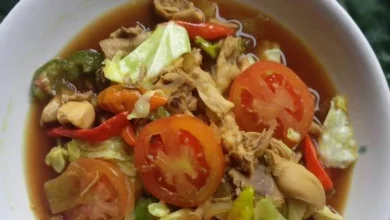
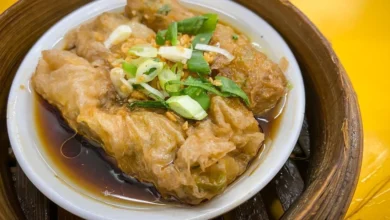
Exploring the Culinary Versatility of Ayam Suwir: A Staple in Indonesian Gastronomy

Jakarta – Ayam suwir, or shredded chicken, stands as a testament to the dynamic and diverse culinary landscape of Indonesia, offering a myriad of flavorful possibilities that extend far beyond a simple protein. From its humble origins as a practical method of preparing chicken to its current status as a beloved staple, ayam suwir embodies both the ingenuity and the rich spice heritage of the archipelago. This versatile dish is not merely a cooking technique but a canvas for myriad flavors, adaptable to various preparations, from spicy and aromatic to savory and comforting. Its ease of preparation, coupled with its ability to absorb and enhance complex spice blends, makes it a perennial favorite for daily meals, special occasions, and as a convenient, flavorful addition to a range of other Indonesian dishes.
The concept of shredding cooked meat is a common practice across many cultures, often born out of a desire to tenderize tougher cuts, extend portions, or create a more manageable texture for consumption. In Indonesia, ayam suwir has evolved into a sophisticated culinary art, with distinct regional variations and flavor profiles. The process typically involves boiling or steaming chicken breast until tender, then shredding it into fine strands, which are subsequently stir-fried or simmered with an array of aromatic spices and herbs. This method not only infuses the chicken with deep, layered flavors but also transforms its texture, making it succulent and easy to integrate into various culinary contexts.
The Enduring Appeal of Ayam Suwir: A Cultural and Nutritional Perspective
The popularity of ayam suwir in Indonesia can be attributed to several factors, including its nutritional value, economic accessibility, and cultural significance. Chicken is a primary source of lean protein, essential for muscle growth and repair, and is generally more affordable than other meat proteins like beef or lamb, making it a staple for many Indonesian households. According to recent agricultural data, chicken consumption in Indonesia has steadily increased, reflecting its importance in the national diet. The versatility of chicken allows it to be prepared in countless ways, with ayam suwir being a particularly efficient and flavorful method to utilize the entire breast.
Beyond its nutritional benefits, ayam suwir plays a significant role in Indonesian culinary traditions. It is a common component of nasi campur (mixed rice), nasi bakar (grilled rice), and bubur ayam (chicken porridge), illustrating its adaptability as a complementary ingredient. The dish is also frequently prepared for communal gatherings, religious festivities, and family meals, symbolizing togetherness and shared culinary heritage. The act of preparing ayam suwir, often involving meticulous shredding and slow cooking with spices, is itself a cherished tradition passed down through generations.
The Spice Spectrum: Key Ingredients and Their Significance
The distinctive flavors of ayam suwir are largely dependent on the complex spice blends, known as bumbu, that form the heart of Indonesian cuisine. These blends typically include a combination of fresh and dried spices, herbs, and aromatics, each contributing to a unique taste profile.
- Kemangi (Lemon Basil): Integral to many Southeast Asian dishes, kemangi imparts a distinct citrusy, peppery, and slightly sweet aroma. In ayam suwir kemangi, its fresh, herbaceous notes provide a vibrant contrast to the rich, often spicy chicken, elevating the dish with its refreshing fragrance. Beyond its flavor, kemangi is also known for its traditional medicinal properties, including digestive aid and anti-inflammatory benefits.
- Serundeng (Toasted Coconut): This ingredient is a cornerstone of Indonesian cooking, particularly in Javanese and Sumatran cuisines. Made from grated coconut that is toasted until golden brown and often mixed with spices like galangal, lemongrass, and turmeric, serundeng offers a unique textural crunch and a rich, nutty, slightly sweet flavor. When incorporated into ayam suwir, it adds depth, aroma, and a delightful crispness, creating a truly satisfying mouthfeel. The use of coconut in Indonesian cuisine is deeply rooted, reflecting the abundance of coconut palms across the islands and its versatility in both sweet and savory preparations.
- Aromatic Roots and Herbs: Ingredients such as lengkuas (galangal), serai (lemongrass), kunyit (turmeric), bawang merah (shallots), and bawang putih (garlic) form the foundational aromatics of most Indonesian spice pastes. Galangal provides a sharp, citrusy-piney note; lemongrass offers a refreshing, lemony scent; turmeric contributes an earthy flavor and vibrant yellow hue, along with powerful anti-inflammatory properties; while shallots and garlic provide pungent, savory depth. These ingredients are not merely flavor enhancers but also contribute to the nutritional and preservative qualities of the dish.
Evolution of Preparation: From Traditional Stovetop to Modern Convenience
The preparation of ayam suwir has seen a subtle evolution over time, reflecting changes in lifestyle and culinary technology. Traditionally, the process was labor-intensive, involving hand-grinding spices with a mortar and pestle (cobek) and slow cooking over wood fires. While these traditional methods are still cherished for their ability to bring out nuanced flavors, modern kitchens often utilize blenders and food processors for spice pastes, and gas or electric stoves for quicker cooking. This shift caters to the demands of contemporary life, where convenience often plays a crucial role in meal preparation, without compromising on the authentic taste.
Moreover, the increasing demand for convenience foods has led to the emergence of ready-to-cook spice pastes (bumbu dasar) in Indonesian markets. These pre-made blends allow home cooks to recreate complex dishes like ayam suwir with significantly less preparation time, further cementing its place as an accessible and popular meal option. This trend also supports local small and medium enterprises (SMEs) involved in producing and distributing these spice mixtures.
Three Distinct Culinary Expressions of Ayam Suwir
The provided recipes highlight three diverse approaches to preparing ayam suwir, each offering a unique flavor profile and culinary experience. These variations demonstrate the dish’s remarkable adaptability and its capacity to cater to different preferences and occasions.
1. Resep Ayam Suwir Kemangi (Spicy Lemon Basil Shredded Chicken)
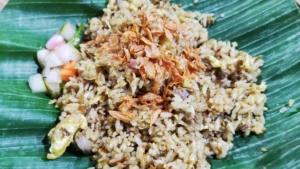
Ayam suwir kemangi is arguably one of the most popular and aromatic variations of the dish. It marries the tender texture of shredded chicken with the vibrant, peppery notes of kemangi, often amplified by a generous kick of chili. This dish is frequently enjoyed as a standalone side dish, a flavorful topping for steamed rice, or, famously, as a filling for nasi bakar, where the chicken-kemangi mixture is wrapped in banana leaves and grilled, infusing it with a smoky aroma.
The preparation typically involves a robust bumbu halus (fine spice paste) consisting of red chilies, shallots, garlic, and sometimes ginger or kencur (aromatic ginger), all ground together. After sautéing the spice paste until fragrant, the shredded chicken is added, followed by a generous amount of fresh kemangi leaves. The leaves are usually added towards the end of the cooking process to preserve their delicate aroma and prevent them from becoming bitter. The resulting dish is characterized by its bold, spicy flavor and an intoxicating herbal fragrance that is both invigorating and deeply satisfying.
From a nutritional standpoint, the inclusion of fresh kemangi not only adds flavor but also antioxidants and vitamins. The use of lean chicken breast makes it a protein-rich option, while the chili contributes capsaicin, known for its metabolism-boosting properties.
2. Resep Ayam Suwir Serundeng (Shredded Chicken with Toasted Coconut)
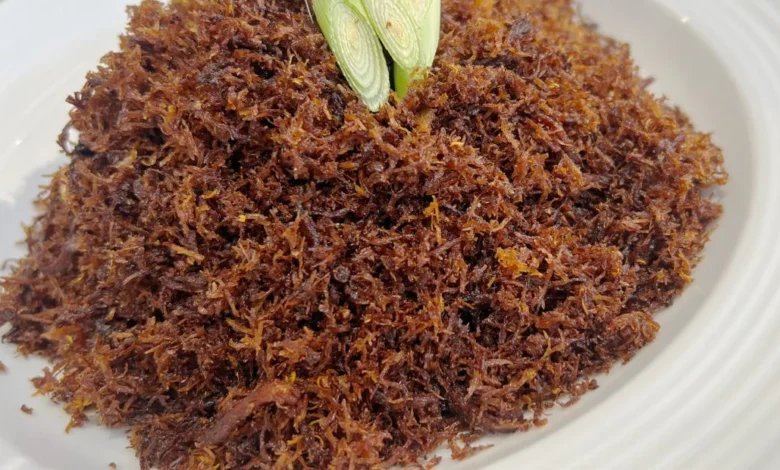
Ayam suwir serundeng presents a delightful contrast to the fiery kemangi version, offering a rich, savory, and slightly sweet flavor profile complemented by a unique crunchy texture. This variation leverages the distinctive taste and texture of serundeng kelapa, or toasted grated coconut, which is simmered with the chicken and a host of aromatic spices.
Key Ingredients and Preparation:
- Chicken: 300g boneless chicken breast.
- Coconut: 1 medium coconut, grated. This forms the base of the serundeng.
- Aromatics: 3 bay leaves, 4 cm lengkuas (galangal, bruised), 3 stalks lemongrass (white part, bruised). These infuse the dish with a fragrant, earthy base.
- Sweet and Sour Elements: 100g palm sugar (gula merah), finely shaved, and 15g tamarind (asam Jawa) dissolved in 50ml water. These provide the characteristic sweet and tangy notes that balance the richness.
- Seasoning: 2 tsp salt, 1 tsp sugar, 2 tbsp chicken stock powder.
- Bumbu Halus (Fine Spice Paste): 12 shallots, 10 cloves garlic, 4 cm turmeric, 1 tbsp coriander seeds. This paste creates the core savory flavor.
Methodology:
- Boil and Shred Chicken: The chicken breast is boiled until cooked through, then shredded finely. This ensures tender, manageable pieces.
- Prepare Spice Paste: The bumbu halus ingredients are blended until smooth, often with a little water to aid the process.
- Sauté Aromatics and Spice Paste: The blended spice paste is sautéed in a pan with bay leaves, galangal, and lemongrass. The key is to cook it until the water evaporates and the oil separates, indicating the spices are fully cooked and fragrant.
- Combine and Cook: The shredded chicken, grated coconut, the sautéed spice paste, palm sugar, tamarind water, salt, sugar, and chicken stock powder are combined thoroughly. This ensures all flavors meld evenly.
- Fry until Crispy: The mixture is then shallow-fried in hot oil until it turns golden brown and crispy. This step is crucial for developing the serundeng’s characteristic texture and deep flavor.
- Drain and Store: The fried ayam suwir serundeng is drained on paper towels to remove excess oil. It is then stored in an airtight container to maintain its crispness.
This dish is a fantastic example of a preserve-friendly meal. When properly fried and stored, ayam suwir serundeng can last for several days, even weeks, making it an excellent option for meal prepping or as a versatile condiment. The combination of sweet, savory, and umami flavors, coupled with the satisfying crunch of the toasted coconut, makes it an incredibly addictive and popular choice.
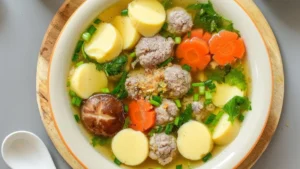
3. Resep Sup Ayam Suwir (Shredded Chicken Soup)
While many ayam suwir preparations focus on dry, stir-fried versions, transforming it into a warm, savory soup offers a comforting and nourishing alternative, especially popular during cooler weather or when one seeks a lighter meal. This particular recipe draws inspiration from minimalist Korean-style clear broths, emphasizing the natural flavors of the chicken and aromatics.
Key Ingredients and Preparation:
- Chicken: 1/2 chicken, cut into two pieces. Using bone-in chicken enriches the broth significantly.
- Aromatics: 6 cloves garlic (crushed), 2 cm ginger (bruised), 30g onion (quartered), 2 stalks spring onion (roughly chopped). These create a fragrant, clear broth.
- Seasoning: 1/2 tsp black pepper powder, 1 tbsp mushroom seasoning (kaldu jamur), 1/2 tsp salt. Mushroom seasoning adds a subtle umami depth.
- Vegetables: 50g carrots, cut into small pieces. Adds sweetness and color.
- Garnish: 2 tbsp finely sliced spring onion, 2 tbsp fried minced garlic. For added flavor and aroma upon serving.
Methodology:
- Boil Chicken for Broth: The chicken is simmered in sufficient water over low heat until it boils and becomes tender. This slow cooking extracts maximum flavor from the bones and meat.
- Infuse Aromatics: Garlic, ginger, onion, and spring onion are added to the boiling chicken, allowing their flavors to infuse the broth.
- Strain and Shred: Once the chicken is tender, it is removed and set aside to cool. The broth is then strained to ensure a clear consistency. The cooked chicken is shredded.
- Season Broth: The strained chicken broth is brought back to a boil and seasoned with black pepper, mushroom seasoning, and salt.
- Serve: Cooked rice is placed in a bowl, topped with shredded chicken, and then generously ladled with the hot, clear broth. Carrots can be added to the broth for extra nutrition and color.
- Garnish: The soup is garnished with fresh spring onion slices and crispy fried garlic, which add an extra layer of aroma and crunch.
This soup is celebrated for its simplicity and comforting qualities. It is particularly recommended for those feeling under the weather, as the warm broth, ginger, and garlic are believed to have soothing properties. The minimalist approach allows the natural sweetness of the chicken and vegetables to shine through, creating a truly restorative meal.
Broader Impact and Implications
The enduring popularity and versatility of ayam suwir have several broader implications for Indonesian society, economy, and health.
- Economic Impact: The consistent demand for chicken and related spices supports a vast agricultural supply chain, from poultry farms and spice growers to local markets and food processors. The rise of convenience food options, including ready-to-use spice pastes, also creates opportunities for small and medium-sized enterprises (SMEs) in the food industry.
- Health and Nutrition: Promoting home-cooked meals like ayam suwir encourages healthier eating habits. These recipes emphasize fresh ingredients, lean protein, and a rich array of spices, many of which possess significant health benefits. Nutritionists often advocate for home cooking as a way to control ingredient quality, fat, and sodium content, contributing to better public health outcomes.
- Cultural Preservation: The continued preparation and enjoyment of traditional dishes like ayam suwir play a crucial role in preserving Indonesia’s rich culinary heritage. As younger generations increasingly seek convenience, adaptations of traditional recipes that fit modern lifestyles ensure these culinary traditions remain vibrant and relevant.
- Culinary Tourism: Indonesian cuisine, with dishes like ayam suwir, is a significant draw for culinary tourism. Visitors are often eager to experience authentic local flavors, and the diverse preparations of shredded chicken offer an accessible entry point into the country’s gastronomic richness.
Conclusion
Ayam suwir, in its many guises, remains a culinary cornerstone in Indonesia, embodying the nation’s passion for flavorful, adaptable, and culturally significant food. Whether it’s the fiery zest of kemangi, the savory crunch of serundeng, or the comforting warmth of a clear soup, shredded chicken continues to captivate palates across the archipelago and beyond. As lifestyles evolve, the adaptability of ayam suwir ensures its enduring appeal, bridging tradition with modernity and serving as a delicious, nutritious, and economically viable staple that continues to enrich the Indonesian dining experience. Its journey from a basic ingredient to a versatile culinary star reflects the dynamic and ever-evolving nature of Indonesian gastronomy, promising a future where this beloved dish continues to delight and inspire.