The Evolution of Pechuga and the Rise of Destilado Con in the Global Agave Market

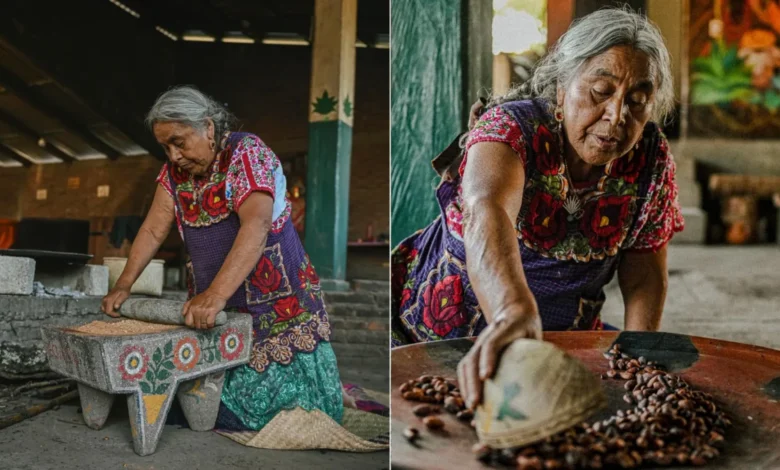
The world of mezcal, a spirit rooted in centuries of Mexican heritage and complex artisanal techniques, is currently navigating a period of significant internal evolution. At the center of this transformation is the "pechuga" category—a traditional style of mezcal that has long been synonymous with celebration, ritual, and the complex interplay of savory and sweet flavors. However, as global demand for agave spirits surges, a new subcategory is emerging to challenge and redefine the established order: "destilado con." This burgeoning segment, which omits the traditional use of animal protein in favor of botanical and fruit-forward infusions, is sparking a debate over nomenclature, tradition, and the future of Mexican distillation.
The Traditional Paradigm: Understanding Pechuga
To understand the current shift, one must first grasp the historical weight of pechuga. Traditionally, pechuga mezcal is produced during a third distillation. While the spirit is in the still, a basket containing a variety of ingredients is suspended in the vapor path or placed directly into the liquid. These ingredients typically include seasonal fruits (such as tejocote, apples, and plantains), nuts, and a complex blend of spices or mole. Crucially, the process has historically required the addition of a raw protein—most commonly a turkey or chicken breast (the Spanish word for which is "pechuga")—which is hung inside the still.
The purpose of the protein is twofold: it is believed to mellow the smoke and high alcohol content of the mezcal, adding a savory richness and a distinct mouthfeel that cannot be replicated by fruits alone. Beyond poultry, some regional traditions utilize deer, rabbit, quail, or even more exotic proteins like iguana and snake. Because of the cost of ingredients and the labor-intensive nature of the third distillation, pechuga has traditionally been reserved for significant life events, such as weddings, patron saint festivals, and harvest celebrations.
The Rise of Destilado Con: A Modern Departure
In recent years, a parallel category has gained momentum, moving from the rural palenques (distilleries) of Mexico to the backbars of high-end cocktail lounges in New York, London, and San Francisco. This category is frequently referred to as "destilado con" (distilled with). Unlike traditional pechuga, destilado con expressions utilize the same complex infusion techniques—incorporating everything from cacao and vanilla to lemongrass and ceremonial flowers—but entirely omit the animal protein.
Industry experts note that this shift is not merely a catering to dietary trends but an exploration of pure botanical flavors. Fred Sanchez, a prominent importer and founder of Cultura Maguey, observes that the landscape has changed dramatically in a short period. A decade ago, destilado con was virtually nonexistent in the United States. Today, there are more than 50 commercially available bottlings, ranging from the "Ponche de Frutas" (fruit punch) of Rey Campero to the "Destilado con Cacao" of Macurichos.
The "Vegan Pechuga" Controversy
The emergence of this category has brought with it a linguistic challenge that has divided the agave community. Many retailers and consumers have adopted the term "vegan pechuga" to describe these spirits. For proponents of the term, like Scott Jeffrey of the SF Tequila Shop, it serves as a functional shorthand. It tells the consumer exactly what to expect: a spirit with the complexity and festive profile of a pechuga, but without the meat. For a growing demographic of vegan and vegetarian drinkers, this clarity is a welcome entry point into a previously inaccessible category.
However, many traditionalists and mezcaleros (distillers) view the term as a fundamental oxymoron. Since "pechuga" literally translates to "breast," they argue that a "vegan breast" is a linguistic impossibility that strips the word of its cultural and anatomical meaning. Erick Rodriguez, the founder of the Mexico City-based label Pal’alma, suggests that the reliance on the word "pechuga" highlights a lack of established vocabulary for these new spirits. Rodriguez, who has been a pioneer in the destilado con space since 2012, prefers more descriptive naming conventions that honor the specific ingredients used, such as "destilado con cafe de olla" or "destilado con tamarindo."
Technical Diversity in Production
The production of destilado con is as varied as the regions from which it hails. While the basic premise involves a third distillation with flavorings, the methodology varies between palenques. Some distillers maintain the traditional "suspension" method, where fruits and herbs are placed in a basket above the boiling liquid, allowing the rising vapors to strip the essential oils from the ingredients.

Others prefer "total immersion," where the botanicals are added directly into the still. This method often results in a more robust, "bombastic" flavor profile. For example, the Pal’alma label utilizes a mezcalero in Puebla who employs immersion to create spirits that evoke the sensory experience of a "Dia de los Muertos" ofrenda (altar), using cempasúchil (marigold) flowers and other fragrant herbs.
Market Dynamics and Importer Perspectives
The growth of the destilado con category is also a reflection of the evolving palate of the international consumer. Justin Lane Briggs, an importer for Skurnik Spirits, notes that while "agave purists" may occasionally push back against infused spirits, the category serves as an essential bridge for newcomers. By comparing destilado con to a "mezcal gin"—where agave serves as the base spirit instead of neutral grain—importers can provide a familiar framework for consumers to understand the product.
The commercial success of brands like Salvadores, which produces expressions featuring hierba santa, elote (corn), and tamarind-chile, indicates a high ceiling for the category. Furthermore, the price point and availability of bottlings like Mal Bien’s "Zacate Limón" (lemongrass) have made them staples in the well of many top-tier bars, providing a consistent, flavorful base for innovative cocktails.
Mixology and Culinary Integration
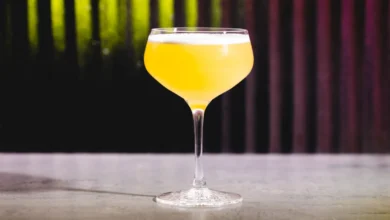
The versatility of destilado con has made it a favorite among modern bartenders who seek to move beyond the standard "smoky" profile of mezcal. In Louisville, Kentucky, at the bar Pretty Decent, co-owner John Douglass has utilized lemongrass-infused agave spirits to create complex, centrifugally-spun cocktails that incorporate green peas and orgeat. In Manhattan, the restaurant Obvio uses mango and tamarind distillates to amplify fresh fruit juices, creating a layered, multi-dimensional drinking experience.
Beyond traditional cocktails, these spirits are finding a place in dessert and after-dinner service. The "Destilado con Cacao" from Macurichos, for instance, has been noted for its ability to replace vodka in a White Russian, adding notes of stone-cut oatmeal and peppercorn to the classic creamy profile.
Chronology of a Trend: From Tradition to Global Vogue
The timeline of the destilado con movement suggests a gradual shift from regional medicinal practices to a global luxury trend:
- Pre-2000s: Infusions such as Bacanora with uvalama (a desert drupe) exist as regional medicinal traditions in Sonora and other northern states, largely unknown to the international market.
- 2010-2012: Erick Rodriguez (Pal’alma) begins experimenting with non-meat infusions in Mexico City, facing initial criticism for "breaking tradition."
- 2015-2018: Major brands like Rey Campero and Bozal begin exporting "festive" bottlings (fruit-based or marigold-based) to the U.S. and Europe, often labeling them as "Pechuga" despite the lack of meat.
- 2020-Present: The category explodes in popularity. Importers report a shift from zero to over 50 commercial labels. The term "vegan pechuga" enters common parlance in retail settings, sparking industry-wide debates over TTB (Alcohol and Tobacco Tax and Trade Bureau) compliance and labeling accuracy.
Regulatory and Future Implications
As the category matures, it faces hurdles regarding international trade and labeling standards. The TTB in the United States maintains strict guidelines on how spirits can be labeled. For a product to be called "Mezcal," it must adhere to the standards set by the Consejo Regulador del Mezcal (CRM). Many destilado con products are technically labeled as "Agave Spirits" or "Destilado de Agave" because the addition of ingredients after the second distillation can complicate their certification as "Mezcal" under certain interpretations of the NOM (Norma Oficial Mexicana).
This regulatory "limbo" has not hindered growth, but it has reinforced the importance of the "destilado con" nomenclature. As consumers become more educated, the demand for transparency regarding ingredients and production methods is expected to rise.
Conclusion: A New Chapter in Agave History
The rise of destilado con represents a significant broadening of the agave spirit spectrum. While the controversy over the term "vegan pechuga" reflects a deeper tension between honoring heritage and embracing innovation, the quality and diversity of the spirits themselves are undeniable. By removing the protein, distillers have not necessarily simplified the process; rather, they have opened a new door for the expression of Mexico’s rich botanical and culinary landscape. Whether viewed as a "mezcal gin," a "vegan pechuga," or simply a "destilado con," this category is proving to be a vital and permanent fixture in the global spirits industry, offering a liquid window into the diverse flavors of Mexican culture.