From Ashes to Cellar: How Rolo’s Turned a Catastrophic Fire into an Unprecedented Wine Experience for Patrons

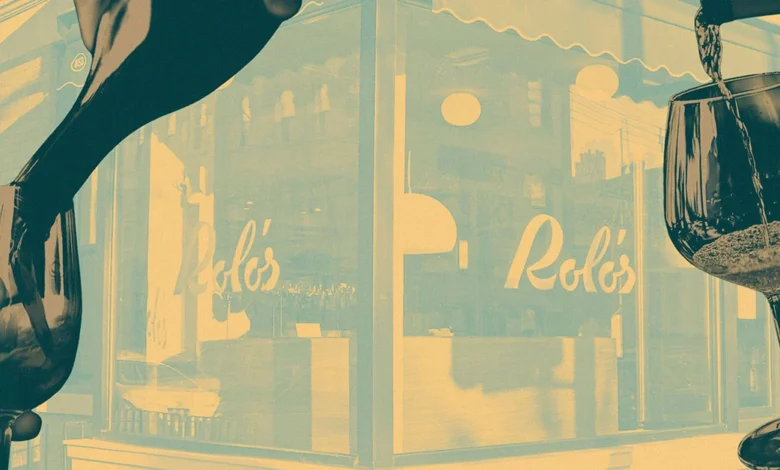
In early August, the quiet morning routine at Rolo’s, the critically acclaimed restaurant situated in the heart of Ridgewood, Queens, was shattered by a facility emergency that threatened the establishment’s reputation for excellence. Leo Bayless-Hall, the restaurant’s beverage director, arrived for a standard weekend brunch shift only to discover that a refrigeration unit in the basement had malfunctioned, igniting a blaze during the overnight hours. While the restaurant’s primary dining room and the residential units located directly above remained structurally sound and untouched by the flames, the basement wine cellar—the backbone of the restaurant’s beverage program—was decimated. The incident resulted in the total loss of the restaurant’s primary wine inventory, leaving the management team to navigate the logistical and financial fallout of a sudden, total supply depletion.
A Chronology of the Disaster and Recovery
The discovery of the fire occurred in the pre-dawn hours of an August weekend. Preliminary reports from the scene indicated that the intensity of the heat was sufficient to compromise the structural integrity of the bottles themselves. Many were shattered by the thermal expansion of the liquid inside, while others suffered from melted wax seals and compromised corks. When Bayless-Hall first inspected the site, the environment was coated in a dense, jet-black layer of soot and smoke residue.
Following the initial assessment by fire remediation experts, who performed an exhaustive cleaning of the surviving bottles, it became clear that the heat damage was pervasive. Even for the bottles that remained physically intact, the process of maderization—a form of heat-induced oxidation that ruins the flavor profile of wine—rendered the collection unsellable. Facing a potential crisis of service, the leadership at Rolo’s made a swift, difficult decision: they declared the entire cellar a loss to maintain the integrity of their service standards. For a restaurant that prides itself on a carefully curated, diverse wine list, this was not merely a financial blow; it was an existential challenge to the brand’s identity.
The Role of Strategic Offsite Storage
The recovery of Rolo’s was made possible by a proactive, albeit coincidental, business strategy implemented earlier in the year. Over the previous 24 months, under the guidance of Bayless-Hall, the restaurant had significantly expanded its wine program. This growth, which included a deeper emphasis on American viticulture, particularly from the East Coast, as well as a more robust selection of Rieslings and Burgundies, had pushed the physical capacity of the basement storage to its limits.
In response to this growth, the restaurant had secured an offsite storage facility earlier this year. Initially intended as a secondary repository for rare, vintage, and higher-price-point bottles that were not yet ready for the daily menu rotation, this backup inventory became the restaurant’s lifeline. By the following weekend, the staff at Rolo’s had successfully pivoted, transitioning their service to rely entirely on this offsite collection. This pivot effectively allowed the restaurant to bypass the typical supply chain delays that would have plagued a business forced to restock from scratch.
Economic Implications and Pricing Strategy
The shift to the offsite collection brought with it a significant change in the restaurant’s pricing model. Recognizing the sensitivity of their customer base during a period of transition, Bayless-Hall and the ownership team elected to keep price points stable, despite the fact that the offsite inventory consisted of higher-value, premium bottles.
In a standard hospitality model, restaurants typically apply a markup of three to four times the wholesale cost of a bottle to cover overhead, labor, and profit margins. However, in this unique situation, Rolo’s has adopted a "break-even" philosophy. Bayless-Hall noted that current markups are significantly lower than historical averages, ranging from one-third to one-half of the restaurant’s standard pricing. In some instances involving high-end bottles, the restaurant is selling the wine essentially at cost. This decision, while fiscally aggressive, serves a dual purpose: it sustains the restaurant’s reputation for accessibility and provides patrons with an opportunity to sample rare vintages that would otherwise be priced beyond the reach of the average diner.
Market Response and Guest Experience
Early data indicates that the shift has been met with positive consumer sentiment. Despite the unfortunate circumstances, the restaurant has experienced an uptick in wine sales since the transition. This success can be attributed to several factors: increased staff engagement, a heightened sense of exclusivity, and the inherent value proposition of the lower price points.
To maintain this momentum, Rolo’s has instituted a nightly special, featuring rare bottles that are not necessarily listed on the formal menu but are available for individual pours. Notable selections have included the 2002 Robert Ampeau & Fils Les Charmes Meursault, a 2025 Peter Lauer "Kupp No. 8" Riesling Kabinett, and a 2013 Thomas Perseval Le Village Blanc de Blanc. These selections offer a glimpse into the depth of the restaurant’s offsite collection and serve as a temporary bridge while the main cellar is rebuilt.
Industry Context and Future Outlook
The fire at Rolo’s highlights the vulnerabilities inherent in restaurant management, particularly regarding infrastructure and asset protection. Fires caused by faulty refrigeration equipment are a recurring, if often overlooked, risk in the food and beverage industry. According to data from the National Fire Protection Association (NFPA), cooking equipment and electrical distribution systems remain the leading causes of restaurant fires, but appliance malfunctions—such as the one experienced by Rolo’s—represent a significant percentage of incidents that cause substantial inventory and property loss.
From an analytical standpoint, Rolo’s response serves as a case study in operational agility. By maintaining an offsite inventory, the business mitigated the risk of a complete service failure. The decision to prioritize customer trust and experience over short-term profit margins—by drastically lowering markups—is a strategy that reinforces brand loyalty in a competitive market like New York City.
As Rolo’s moves forward, the management team faces the long-term challenge of rebuilding their primary cellar. While the current "backup" model is proving successful, it is inherently finite. The team is currently assessing how to integrate their nightly special program into their permanent operations, considering the possibility that this temporary measure could evolve into a lasting feature of the dining experience.
For the time being, the narrative at Rolo’s remains one of resilience. While the fire was a destructive event that resulted in the loss of a meticulously curated collection, the response has catalyzed a new, more adventurous chapter for the restaurant’s beverage program. For the patrons of Ridgewood, the immediate result is an elevated, albeit temporary, wine experience that balances high-end quality with unprecedented accessibility. As Bayless-Hall noted, the motivation for the current direction is rooted in a desire to share wines that he is passionate about, ensuring that the restaurant remains a destination for oenophiles even in the wake of significant adversity. The "shitty reason," as he put it, has ultimately provided a platform for a culinary recovery that is both thoughtful and, for the diners of Queens, remarkably rewarding.