Beyond Sauvignon Blanc: How Marlborough’s Pinot Noir Revolutionized New Zealand’s Wine Landscape


For decades, the global wine lexicon has inextricably linked Marlborough, New Zealand, with a single, dominant profile: searing, high-acid, intensely aromatic Sauvignon Blanc. This crisp, tropical-fruit-forward varietal placed New Zealand firmly on the international wine map and built an economic powerhouse of an industry. Yet, quietly taking root in the folds of the region’s dramatic topography, a secondary revolution has reached maturity. Marlborough has firmly established itself as a world-class producer of Pinot Noir, transforming from a one-note wonder into a diverse, multi-varietal powerhouse capable of commanding space among the world’s elite cool-climate wine regions.
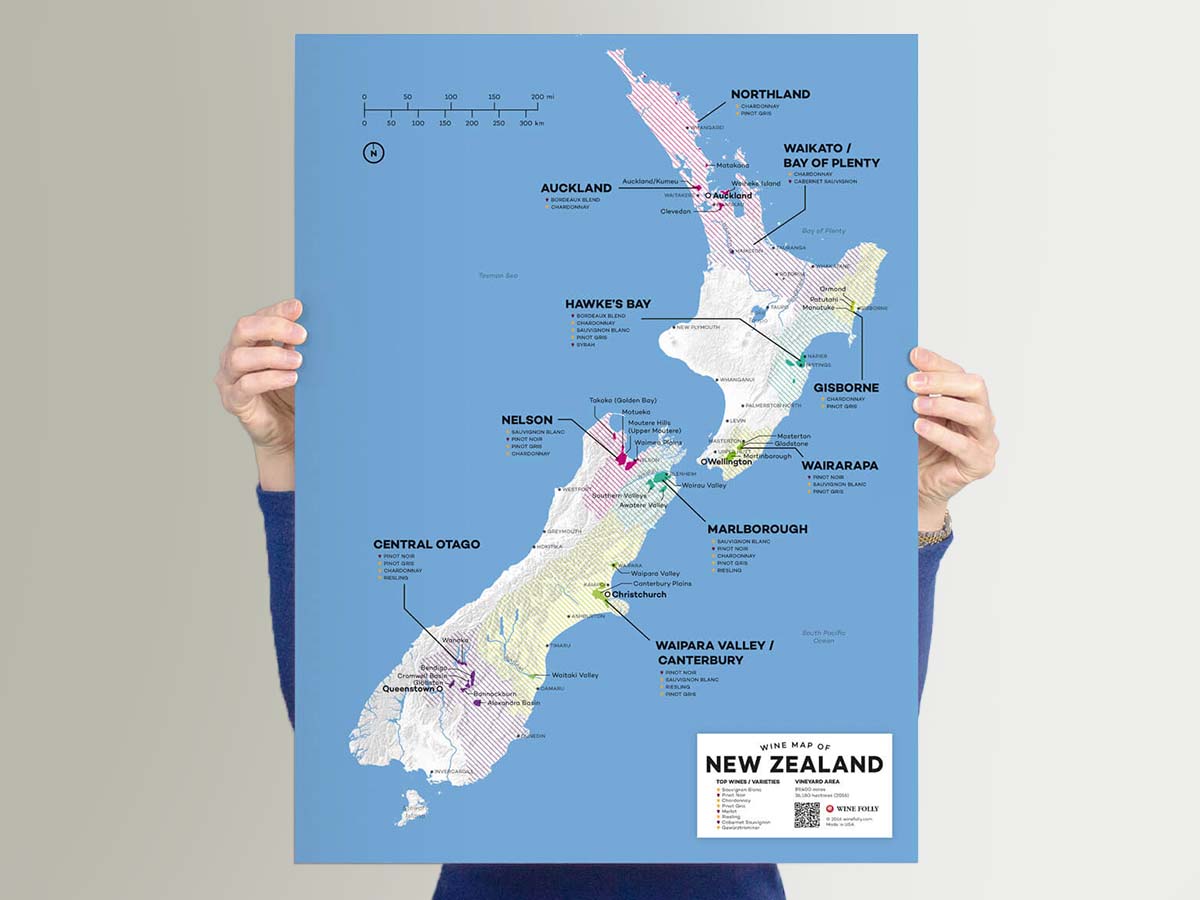
The ascension of Marlborough Pinot Noir represents a masterclass in viticultural discovery, patience, and terroir exploration. While regions like Central Otago, Martinborough, and Waipara long held the undisputed reputation as New Zealand’s primary Pinot Noir strongholds, Marlborough’s quiet emergence challenges the country’s conventional vinous hierarchy. Today, industry insiders, master sommeliers, and international critics recognize that Marlborough’s diverse landscapes yield Pinot Noirs of profound elegance, structural complexity, and distinct regional identity.
Geographical and Climatic Parallels to the Old World
To understand the latent potential that Marlborough possessed all along, one must examine its foundational geography. Situated at approximately 41.3 degrees latitude in the Southern Hemisphere, Marlborough is the antipodean equivalent of central France. The region shares striking climatic and viticultural parallels with renowned European appellations like Sancerre and Burgundy, boasting nearly identical Heat Degree Days (HDD) and rainfall metrics.
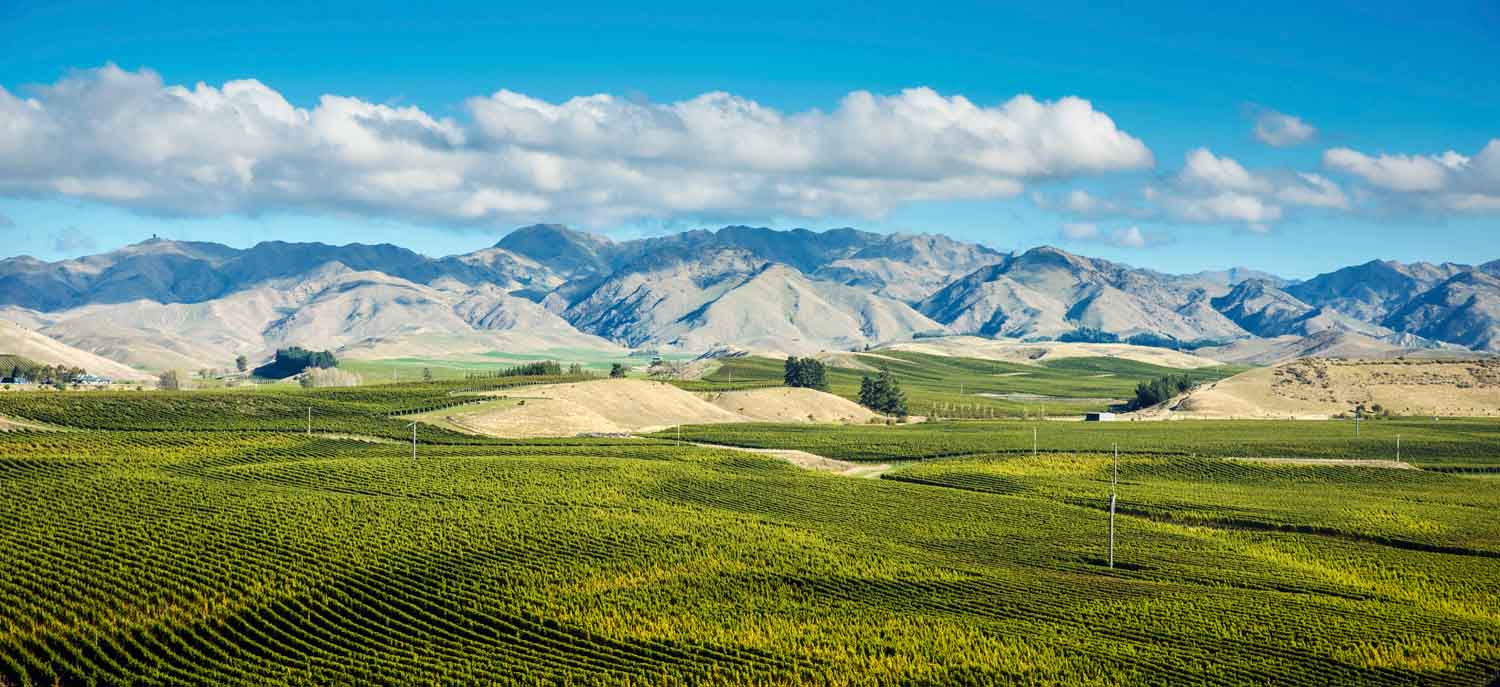
However, Marlborough’s unique topography dictates its viticultural success. Positioned on the edge of a windswept archipelago frequently battered by the "Roaring Forties"—sustained westerly winds in the Southern Hemisphere—the region relies on natural protective barriers. The Southern Alps and the Richmond Ranges effectively block heavy rain systems rolling in from the Tasman Sea, while the Wither Hills act as a vital buffer against frigid southerly blasts originating directly from Antarctica.
This geographic amphitheatre creates a temperate, sun-drenched microclimate that keeps heavy cloud cover at bay. During the growing season, warm daytime temperatures allow grapes to reach optimal ripeness and flavor concentration. Simultaneously, dramatically cool nights lock in these aromatics and preserve the naturally high acidity essential for balanced wine. This diurnal temperature variation facilitates a long, leisurely growing season, preventing the accumulation of excessive sugars that often translate to flabby, over-alcoholic wines. It is the textbook definition of cool-climate viticulture, yielding wines defined by intensity, finesse, and bright, crystalline fruit.
A Brief Chronology of Marlborough’s Pinot Evolution
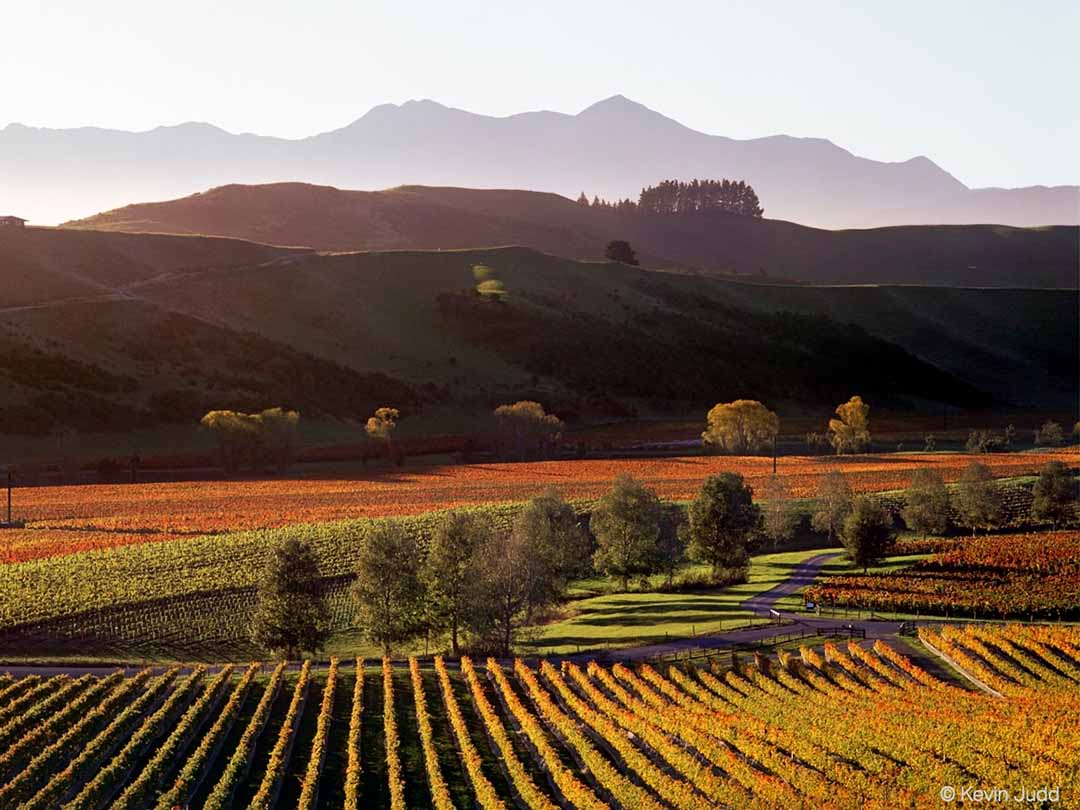
The story of Marlborough Pinot Noir is not one of sudden invention, but of gradual realization and geographical migration. Tracing the timeline of the region’s viticultural development reveals a clear path from mass-market utility to fine-wine prestige:
The Early Era (Pre-1990s): For much of Marlborough’s modern wine history, Pinot Noir played a supporting role. Planted primarily on the flat, fertile alluvial soils of the Wairau Valley floor, the vast majority of Pinot Noir fruit was harvested early and utilized as a base component for the region’s burgeoning sparkling wine production.
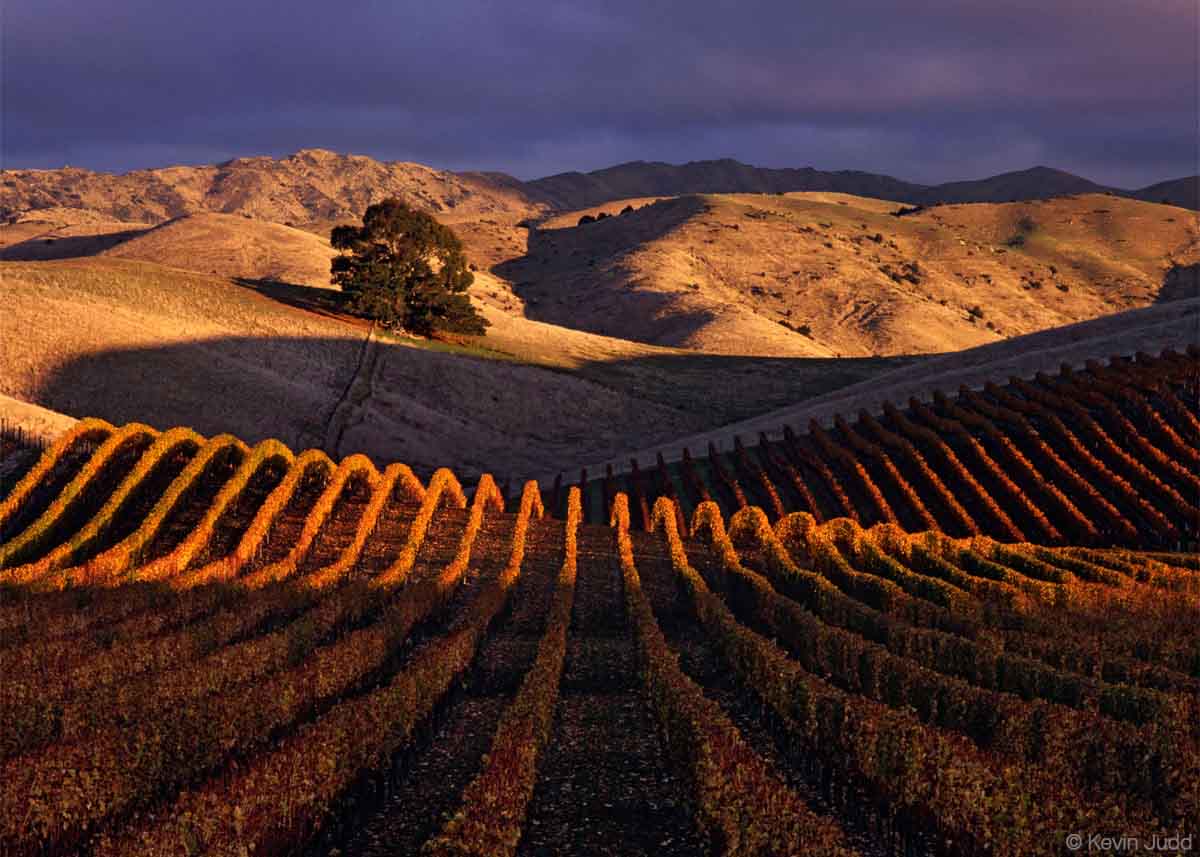
The Hillside Migration (Late 1990s to Early 2000s): A pivotal shift occurred when astute growers began looking beyond the valley floors. Recognizing the limitations of flat, highly fertile soils for producing complex red wines, vignerons took to the hills and ridges of the surrounding Southern Valleys. Here, they discovered elevation, aspect, and heavier, moisture-retentive clay soils that forced vines to struggle, digging deeper roots and resulting in smaller, more concentrated berries.
The Refinement of Terroir (2010s): Armed with a deeper understanding of clonal selection—particularly utilizing clones like 10/5 that offer natural structural integrity through tannin and acidity—producers began refining vinification techniques. The shift toward organic and biodynamic farming gained significant momentum during this decade, allowing the true personality of the land to express itself in the glass without excessive winery intervention.
The Modern Renaissance (Present Day): Today, Marlborough Pinot Noir commands international respect. Far from being merely an alternative to Sauvignon Blanc, it drives vital conversations surrounding turangawaewae (a Māori term translating to "a place to stand," denoting a deep sense of place) and kaitiakitanga (guardianship and stewardship of the land).
Sub-Regional Diversity: Valleys of Contrast
Marlborough is far from a monolithic terroir; it is a mosaic of microclimates and soil compositions. The region’s Pinot Noir production is largely defined by its distinct sub-regions, each imprinting a fingerprint of flavor and texture upon the grape.
The Southern Valleys: Characterized by rolling hills and ancient, nutrient-rich clay soils, the Southern Valleys yield Pinot Noirs that are lush, fleshy, and marked by a distinct spicy depth. The clay structure provides structural power and broad, velvety tannins, anchoring the wines with a brooding intensity.
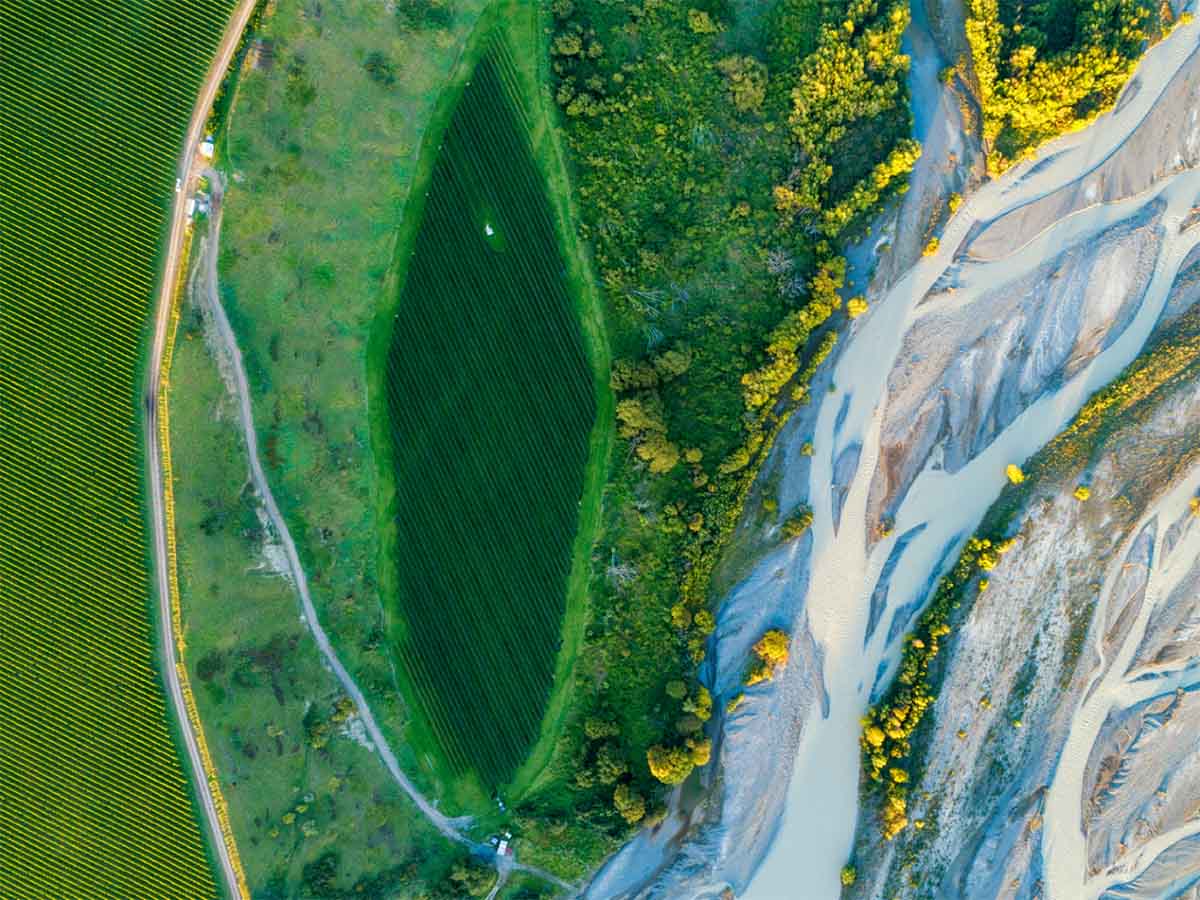
The Awatere Valley: In stark contrast to the clay-heavy Southern Valleys, the Awatere Valley is defined by its wind-swept, river-gravel soils and cooler, drier conditions. Pinot Noirs originating from Awatere consistently display a vibrant, savory, and herbal profile, underpinned by striking minerality and racy acidity.
The Wairau Valley: Where the broad Wairau Valley intersects with various transitional zones, complex geological fault lines create a patchwork of soil types within yards of each other. Estates situated in these cross-sections—such as Clos Henri, which sits atop ancient glacial outwash featuring Broadbridge clay, heavier clays, and greywacke river stones—produce wines where a mere ten-step walk through the vineyard reveals a tangible shift in soil composition and flavor profile.
Tasting Profile and Viticultural Analysis
Good examples of Marlborough Pinot Noir offer a sensory experience that bridges Old World structure with New World fruit purity. On the nose, these wines typically present bright red fruit aromas, including maraschino and morello cherry, alongside rich boysenberry, perfumed rose petal, lavender, and violet notes.
These lifted, ethereal bouquets are frequently anchored by earthy, brambly, smoky, and truffle undertones, accompanied by a distinct layer of stony minerality. Seductive spices such as anise, clove, sarsaparilla, and liquorice often emerge alongside secondary notes of sweet tobacco, freshly ground coffee, and dark chocolate.
Industry experts and winemakers frequently analyze these structural elements to understand their longevity. Peter Lorimer of Deep Down Wines, an estate championing organic practices and older-vine fruit at the mouth of the Brancott Valley, notes the deliberate pursuit of a sweet spot in texture. By selecting sites with heavy silt and loess over gravels, producers target lifted aromatics combined with a fine-grained texture that bridges the gap between robust clay-driven structures and lighter gravel styles. Furthermore, utilizing specific clones with natural preservative qualities in their tannins and acidity allows forward-thinking producers to minimize or entirely eliminate chemical interventions, such as added sulfur.
Broader Industry Implications and Economic Impact
The rise of Marlborough Pinot Noir carries significant implications for the broader New Zealand wine economy. Historically, the global dominance of Sauvignon Blanc acted as both a blessing and a curse. While it provided guaranteed international market penetration and economic stability, it occasionally pigeonholed New Zealand as a producer of simple, high-volume, single-dimension whites.
The maturation of Marlborough’s red wine sector diversifies the nation’s agricultural portfolio, insulating producers against single-varietal market fluctuations and climate shifts. Furthermore, it alters consumer perception. Wine enthusiasts who initially entered the New Zealand market through accessible Sauvignon Blanc are increasingly trading up to premium Marlborough Pinot Noir, recognizing the region’s capability for fine-wine craftsmanship.
International wine communities, particularly those in Burgundy and Oregon, have increasingly forged collaborative bonds with New Zealand winemakers, recognizing the Southern Hemisphere nation as a critical pillar of the global "Pinot Triangle." As vines mature, organic and biodynamic acreage expands, and clonal research deepens, Marlborough’s red wine journey moves from adolescence to full maturity.
Conclusion
The global wine market is continually shaped by regions that defy early assumptions and transcend single-identity definitions. Marlborough’s journey from a sparkling-wine base contributor and a secondary red producer to a world-class Pinot Noir epicenter highlights the rewards of viticultural perseverance. Backed by a unique convergence of geological faults, oceanic breezes, protective mountain ranges, and passionate, inquisitive growers, Marlborough has proven that its terroir was never truly hidden—it simply required time, dedication, and a willingness to look beyond the valley floor. Today, Marlborough Pinot Noir stands not in the shadow of Sauvignon Blanc, but proudly beside it, representing the pinnacle of New Zealand cool-climate winemaking.
Related posts: