Beyond the Idyll: Reimagining Global Food Systems Through the Wisdom of Pastoralism

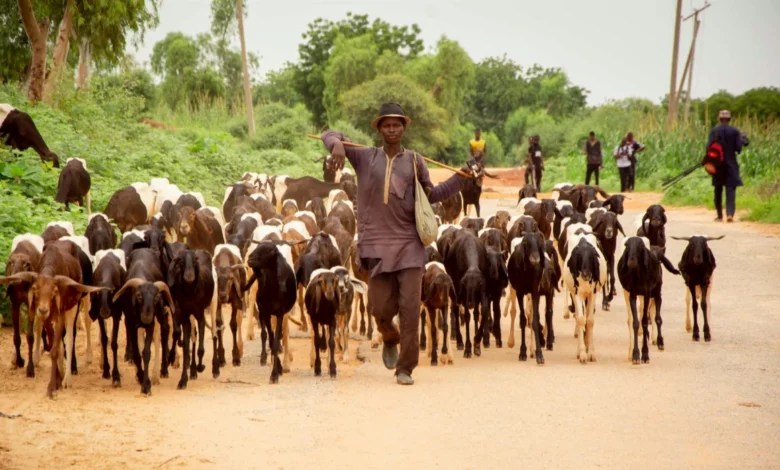
This year, as recognized by the Food and Agriculture Organization (FAO) of the United Nations, marks the International Year of Rangelands and Pastoralists, a global initiative designed to shine a light on the vital role of mobile livestock herding in maintaining ecosystem health and food security. While popular media often paints pastoralism with a nostalgic, aesthetic brush—evoking images of serene mountain treks and quiet rural life—the reality of these systems is far more dynamic and scientifically significant. As modern industrial agriculture faces mounting pressure from climate change, biodiversity loss, and soil degradation, the principles underpinning pastoralist traditions offer a compelling, evidence-based blueprint for the future of sustainable food production.
The Global Significance of Pastoralism
Pastoralism is defined by the FAO as a livelihood strategy primarily dependent on herding domesticated or semi-domesticated animals that graze on natural rangelands. This practice involves seasonal or cyclical movement, a strategy that is not merely a traditional cultural habit but a sophisticated ecological adaptation. According to FAO data, rangelands cover approximately 54% of the Earth’s land surface and support the livelihoods of hundreds of millions of people globally.
Despite its scale, pastoralism is frequently misunderstood in Western contexts. In the United Kingdom and much of the industrialized world, "country life" is often conflated with static, high-input farming characterized by fenced monocultures, heavy pharmaceutical reliance, and artificial growth stimulants. This perception stands in stark contrast to the fluid, low-input, and highly resilient nature of true pastoralism, which functions by working in concert with the landscape’s carrying capacity rather than attempting to force it into submission.
A Chronology of Intensification and the Need for Change
The divergence between traditional pastoralism and modern industrial agriculture can be traced back to the mid-20th century. Following World War II, the drive for "maximum yield" led to the widespread adoption of the Green Revolution model.
- 1950s–1970s: The rise of synthetic fertilizers, chemical pesticides, and concentrated animal feeding operations (CAFOs) transformed farming into an industrial process.
- 1980s–2000s: As stocking densities increased, the biological toll on livestock became evident. Veterinary practices shifted toward a reactive model, focusing on treating the symptoms of high-stress environments—such as lameness, mastitis, and reproductive failure—rather than addressing the underlying ecological causes.
- 2020s: Growing climate volatility and the realization that conventional systems are reaching ecological limits have spurred a global reassessment. The UN’s declaration of the International Year of Rangelands and Pastoralists serves as a pivotal moment to pivot toward regenerative models.
Veterinary Insights: From Symptom Management to Systems Thinking
The transition toward a pastoral-inspired model requires a fundamental shift in how agricultural professionals, particularly veterinarians, approach their work. For decades, the veterinary profession has been tasked with applying chemical and mechanical "patches" to problems generated by human-engineered systems.
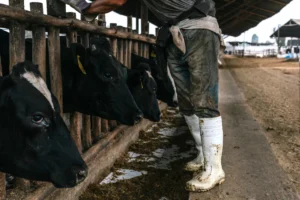
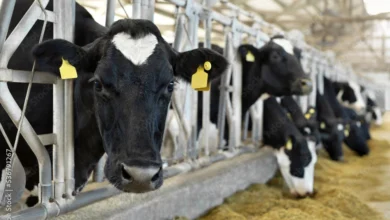
When cows are confined to monoculture fields, their diet is often nutritionally insufficient, necessitating manufactured supplements. When stocking densities are too high, the risk of parasite transmission spikes, requiring regular administration of anti-parasitics. When milk yields are pushed beyond the animal’s natural physiological capacity, hormonal interventions become necessary to maintain fertility.
The modern veterinary expert must now evolve into an "interpreter of systemic health." By adopting a "One Health" approach—which recognizes that the health of animals, humans, and the environment are inextricably linked—veterinarians can move away from being mere responders to disease. As Lewis Griffiths, Director at VetSalus, notes, "It is promising to note growing recognition of this changing role for veterinarians. It’s particularly important that vets remain intimately connected with farmers and their animals as agricultural systems change, not least so that animal welfare is in no way compromised by the transition."
Ecological Principles of Pastoralist Success
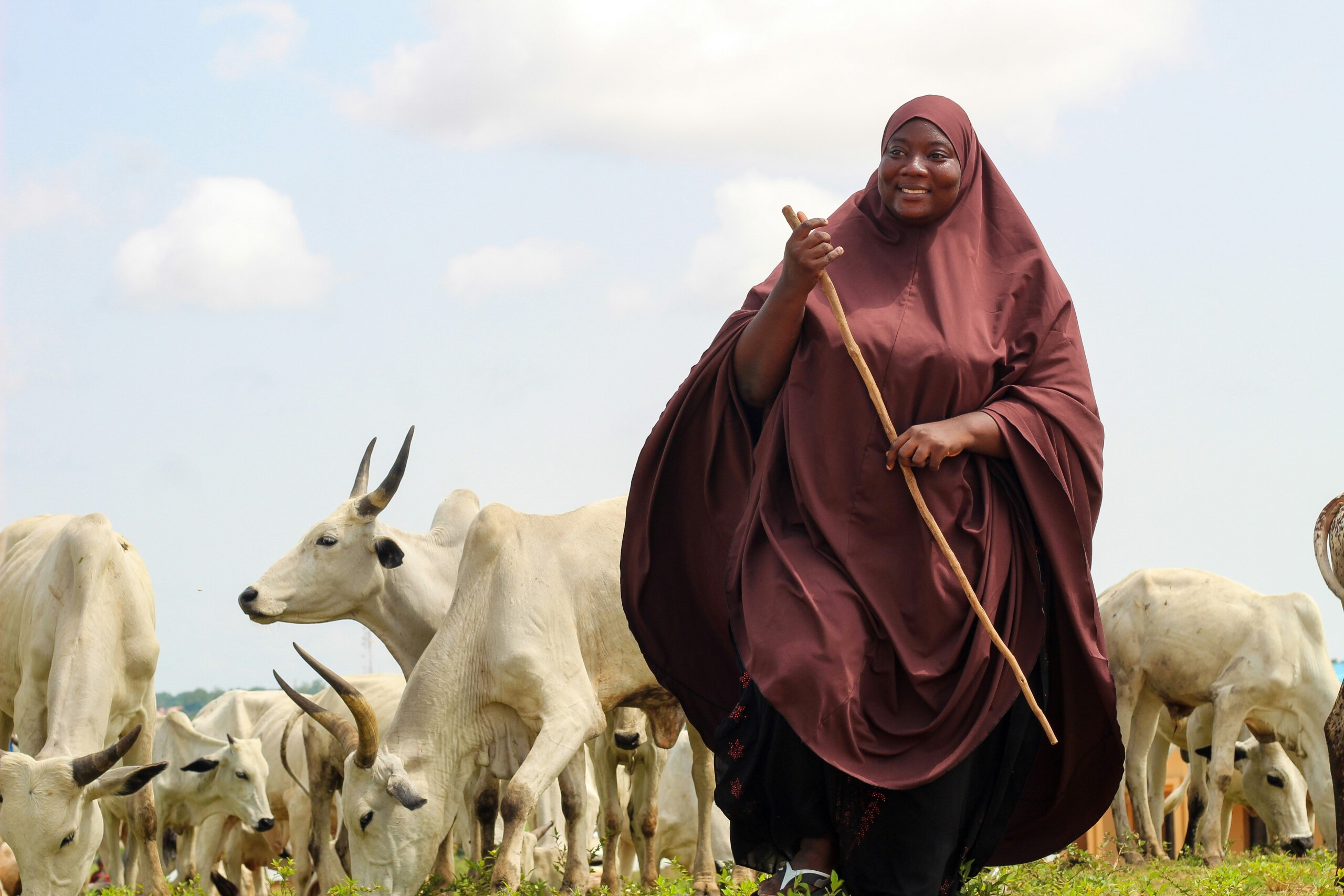
The core strength of pastoralism lies in its ability to mimic natural successional patterns. By moving livestock across diverse terrains, pastoralists facilitate several critical ecosystem services:
- Nutrient Cycling: Continuous movement ensures that manure is distributed across vast areas, naturally fertilizing the soil rather than concentrating nitrogen in run-off-prone lagoons.
- Parasite Disruption: By moving herds away from grazing areas before parasite life cycles can complete, pastoralists reduce the burden of disease, significantly lowering the requirement for pharmaceutical intervention.
- Biodiversity Maintenance: Selective grazing and trampling by livestock stimulate plant growth, disperse seeds, and create micro-habitats that support a variety of wild fauna.
These practices are now being codified in modern regenerative agriculture. Concepts such as "mob grazing"—a method of high-density, short-duration grazing—are effectively bringing the principles of ancient pastoralism back into the mainstream. Similarly, the reintroduction of "herbal leys" and the opportunity for livestock to browse on shrubs like willow are proving to be superior methods for maintaining animal mineral status compared to relying solely on uniform grass monocultures.
Implications for Future Policy and Practice
The recent report from the Nature Friendly Farming Network underscores the urgency of this transition, warning that farms must work with nature to remain economically and ecologically viable. This shift is not about abandoning technology, but rather about reorienting our agricultural systems to prioritize long-term resilience over short-term extraction.
The Sustainable Food Trust has been at the forefront of this movement, establishing the Beacon Farms Network. This initiative aims to bridge the gap between consumers and the land through experiential learning, proving that the principles of pastoralism are not just for remote plains, but are highly relevant to modern agricultural education.
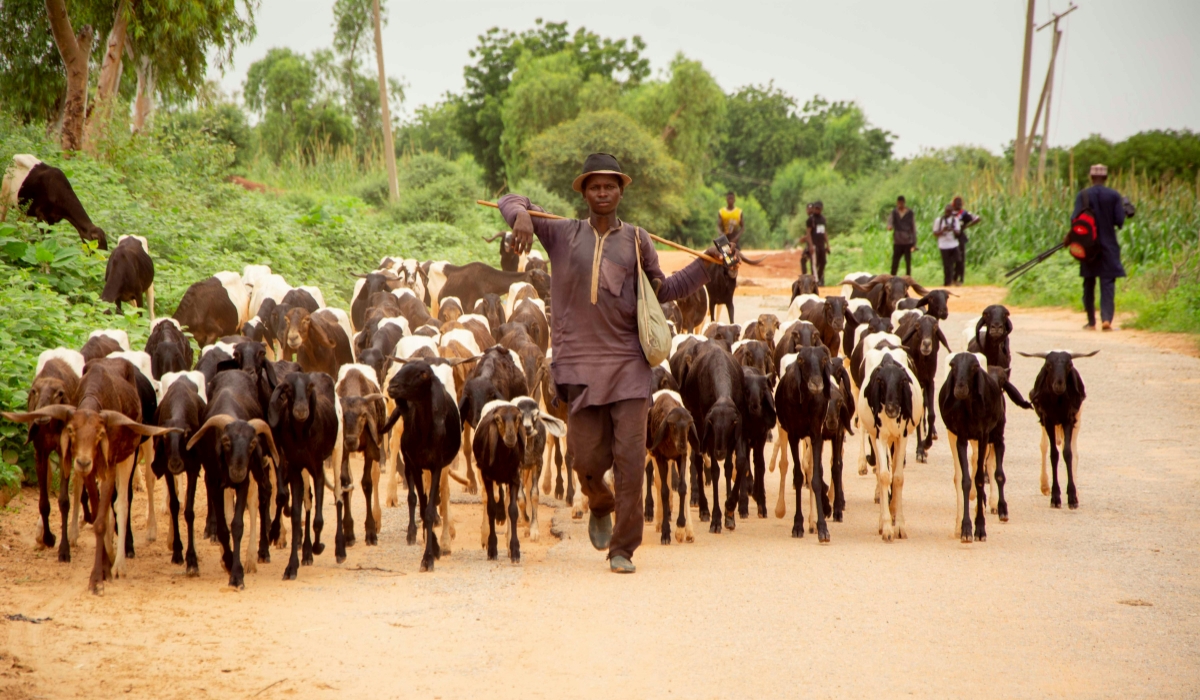
For policymakers, the implications are clear: agricultural subsidies and support systems must be realigned to reward ecological stewardship. We must move beyond viewing landscapes as simple production units designed to maximize output, and instead recognize them as complex, living systems. When we treat the environment as a resource to be extracted, we invite fragility; when we treat it as a partner, we build a foundation for long-term food security.
Conclusion: A Reciprocal Relationship
The International Year of Rangelands and Pastoralists provides more than just a calendar marker; it offers a mirror to our own farming practices. The "quiet separation" that has characterized the industrial age—where the human consumer is alienated from the ecological reality of their food—is increasingly unsustainable.
By observing the wisdom inherent in pastoralist systems, we can begin to rebuild the connection between people and the environment that supports them. Protecting our rangelands and supporting the pastoralists who manage them is not just an act of cultural preservation—it is a necessary step toward securing a resilient, healthy, and regenerative future for global food systems. The evidence is clear: the most efficient and enduring farming systems are those that work with, rather than against, the natural processes of the planet.