Unlocking the Authentic Mediterranean Diet: A Comprehensive Guide to Navigating Gluten-Free, Dairy-Free, and Vegetarian Restrictions

For decades, the Mediterranean diet has reigned supreme as the gold standard of nutritional science, consistently voted the top diet overall by panels of medical experts and dietitians year after year. Backed by a vast body of peer-reviewed research, its celebrated health benefits span far beyond simple weight management. Clinical studies highlight its profound capacity for cardiovascular protection, enhancement of gut microbiome diversity, mitigation of inflammation, prevention of certain malignancies, and the promotion of long-term longevity. However, a common misconception persists among individuals managing dietary restrictions. Those navigating gluten intolerance, celiac disease, lactose intolerance, or adhering to vegetarian lifestyles frequently assume that the traditional Mediterranean framework is entirely off-limits.
Recent nutritional insights and historical analyses dispel this myth, demonstrating that the authentic Mediterranean diet is inherently flexible. Rather than relying on heavily processed modern commercial substitutes—which often carry questionable health value and excessive sodium or additives—traditional Mediterranean cuisine offers an abundance of naturally compatible options. By returning to the roots of the traditional diet, individuals with specific dietary needs can seamlessly adopt this lifestyle without sacrificing flavor, satiety, or nutritional density.
Historical Context and the Evolution of the Mediterranean Diet
To understand why the Mediterranean diet adapts so effortlessly to various dietary restrictions, one must examine its historical origins. The modern medical conceptualization of the Mediterranean diet is largely modeled after the traditional dietary patterns observed in Greece, particularly on the island of Crete, during the 1950s. During this post-war era, populations in these regions consumed a diet dictated largely by agricultural availability, seasonal changes, and religious observances.
A critical, yet frequently overlooked, historical detail of the 1950s Cretan and Greek prototype is the frequency of religious fasting. In the Greek Orthodox tradition, adherents historically fasted from animal products for more than 200 days out of the year. This cultural practice meant that traditional rural communities regularly consumed plant-based, dairy-free, and meat-free meals for significant portions of the year. Consequently, generations of cooks developed a rich repertoire of authentic recipes that naturally exclude dairy, meat, and, in many cases, gluten, relying instead on legumes, wild greens, root vegetables, cold-pressed olive oil, and grains.
Navigating Gluten-Free Requirements Within the Mediterranean Framework
For individuals diagnosed with celiac disease or non-celiac gluten sensitivity, the prospect of adopting a Mediterranean lifestyle can initially seem daunting due to the presence of traditional wheat-based breads and pastas. However, a closer examination of authentic Mediterranean eating patterns reveals that wheat is merely one component of a much broader agricultural palette.
The foundation of the traditional diet is heavily anchored in vegetables, fresh herbs, legumes, nuts, seeds, and fruits—all of which are naturally gluten-free. Furthermore, traditional culinary practices frequently pair vegetables with rice, or legumes with rice, eliminating the need for gluten-containing grains. Instead of consuming processed gluten-free bread substitutes that often lack fiber and essential micronutrients, individuals can embrace naturally gluten-free staples such as polenta, millet, quinoa, and certified pure oats, alongside abundant servings of olive oil and fresh produce.
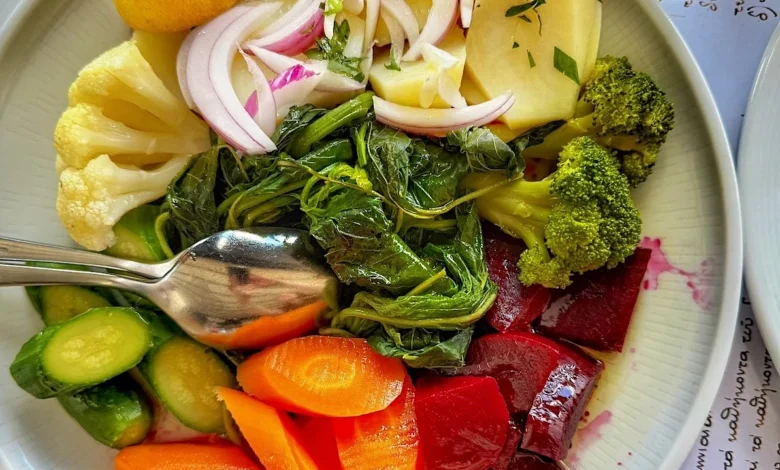
Nutrition experts emphasize that successful gluten-free adherence within this dietary pattern relies on whole foods. By emphasizing naturally gluten-free dishes such as vegetable-and-herb stews (known in Greece as ladera), lentil soups seasoned with vinegar and olive oil, and rice-stuffed vegetables like tomatoes and bell peppers (gemista), individuals maintain the exact nutrient profile intended by the traditional Mediterranean model without risking cross-contamination or consuming ultra-processed convenience foods.
The Dairy-Free Paradigm: Lessons from Mid-Century Greece
Lactose intolerance and dairy allergies affect millions of people globally, prompting many to seek out diets that do not require constant label-reading for hidden milk solids, whey, or casein. Because modern Western diets heavily integrate cheese, butter, and fluid milk into daily meals, consumers often mistakenly believe that the Mediterranean diet relies heavily on feta, pecorino, and yogurt.
While dairy products do hold a place in Mediterranean cuisine, their consumption in the historical 1950s model was far more moderate and distinct than contemporary commercial habits suggest. Because the historical populations observed more than 200 days of fasting from animal products annually, dairy was largely seasonal, fermented, or consumed in limited quantities. This historical reality birthed an extensive catalog of authentic dairy-free recipes.
When following a dairy-free Mediterranean approach, individuals do not need to rely on synthetic plant-based cheese analogs that often contain high amounts of refined starches and isolated oils. Instead, the diet naturally utilizes extra virgin olive oil as the primary cooking fat and dressing, providing the rich mouthfeel and satiety typically associated with butter or cream. Dishes such as braised green beans in tomato sauce (fasolakia), chickpea stews (revithia), and herb-infused grain salads derive their rich flavor profiles from aromatics, garlic, onions, lemon juice, and fresh herbs rather than dairy binders.
The Vegetarian and Plant-Forward Nature of Mediterranean Eating
Perhaps the most seamless intersection of modern dietary preferences and traditional Mediterranean eating is found in vegetarianism. While popular culture often associates Mediterranean meals with grilled fish, poultry, and occasional red meat, the authentic foundation of the diet is overwhelmingly plant-based.
Historical data from mid-century Greece and Southern Italy confirm that meat was a luxury consumed infrequently—often reserved for major holidays or weekly community gatherings. The daily caloric intake was driven by the earth: wild edible greens (horta), root vegetables, beans, chickpeas, lentils, nuts, and unrefined grains, all bound together by copious amounts of high-polyphenol extra virgin olive oil.
For vegetarians, this means that adopting the Mediterranean diet does not require inventing new recipes or purchasing specialized meat substitutes. The traditional framework naturally supplies high-quality plant-based proteins, complex carbohydrates, and essential fatty acids. Legumes paired with grains provide complete amino acid profiles, while nuts and seeds supply sustained energy and micronutrients. Consequently, a vegetarian Mediterranean diet is not an adaptation or a compromise; it is a return to the authentic, historical core of how Mediterranean populations thrived for generations.
Broader Impact, Public Health Implications, and Expert Consensus
Public health organizations and nutrition scientists increasingly emphasize that dietary guidelines must be adaptable to individual physiological needs and cultural backgrounds. Rigid dietary prescriptions often fail because they do not account for medical restrictions or ethical choices. By demonstrating that the Mediterranean diet can effortlessly accommodate gluten-free, dairy-free, and vegetarian parameters, nutritional experts provide a scalable framework for chronic disease prevention on a population level.
Clinical studies continue to validate that the protective mechanisms of the Mediterranean diet—such as reduced systemic inflammation, improved insulin sensitivity, and favorable lipid profiles—stem primarily from its synergistic components: the abundance of antioxidants from vegetables and fruits, the monounsaturated fats from olive oil, and the soluble fiber from legumes and whole grains. None of these core protective elements require the inclusion of gluten, dairy, or meat.
Registered Dietitian Nutritionists and medical researchers specializing in the Mediterranean diet stress that consumers should avoid the trap of commercialization. The modern marketplace is saturated with products marketed as "Mediterranean-style" that feature refined flours, added sugars, and processed oils. True adherence requires looking past marketing labels and focusing on the whole-food pillars that sustained historical populations: fresh produce, unrefined grains, legumes, and authentic extra virgin olive oil.
By understanding the historical roots of the diet and recognizing its inherent flexibility, individuals with dietary restrictions can confidently embrace a Mediterranean lifestyle. Whether driven by celiac disease, lactose intolerance, or an ethical commitment to vegetarianism, eaters can experience the scientifically proven health benefits of the world’s most acclaimed dietary pattern without compromising their health needs or culinary enjoyment.