The Ultimate Guide to Healthy and Effortless Summer Dinner and Snack Recipes

As the warm weather settles in, culinary habits undergo a natural seasonal shift. The arrival of sun-ripened produce at local agricultural markets—ranging from deeply hued heirloom tomatoes to sweet corn primed for the grill—fundamentally alters domestic food preparation. Nutritional experts and culinary researchers have long noted that warm-weather months provide a psychological and practical advantage for adopting healthier dietary patterns. Rather than requiring rigorous discipline or complex culinary techniques, summer cooking relies heavily on the innate quality of seasonal ingredients, allowing fresh produce to dictate menu planning with minimal intervention.
Market Trends in Seasonal Eating
Consumer data from agricultural extension programs consistently indicates a surge in the purchase of fresh, locally sourced fruits and vegetables between the months of June and August. This seasonal pivot is driven not only by availability and superior flavor profiles, but also by a cultural shift toward lighter, more vibrant meals. Public health initiatives frequently emphasize the benefits of incorporating a diverse array of colorful produce into daily diets, citing improved cardiovascular health, enhanced digestive function, and better hydration.
Nutritional science supports the premise that summer diets naturally align with physiological needs. High-water-content foods such as cucumbers, tomatoes, peaches, and berries assist in maintaining hydration levels during periods of elevated temperatures. Furthermore, the abundance of fresh herbs, lean proteins, and complex carbohydrates provides sustained energy without the heavy caloric load typically associated with heavy, winter comfort foods.
Categorized Culinary Highlights for the Summer Season
To capitalize on the seasonal harvest without sacrificing flavor or convenience, home cooks frequently turn to versatile, nutrient-dense recipes that bridge the gap between wholesome nutrition and culinary satisfaction. The following compilation outlines key categories of summer meals designed for minimal prep time and maximum nutritional output.
Seafood and Lean Protein Dishes
Lean proteins remain a cornerstone of balanced summer eating. Dishes incorporating sustainably sourced seafood, such as salmon and shrimp, provide essential omega-3 fatty acids, which contribute to reduced systemic inflammation and improved cognitive health.
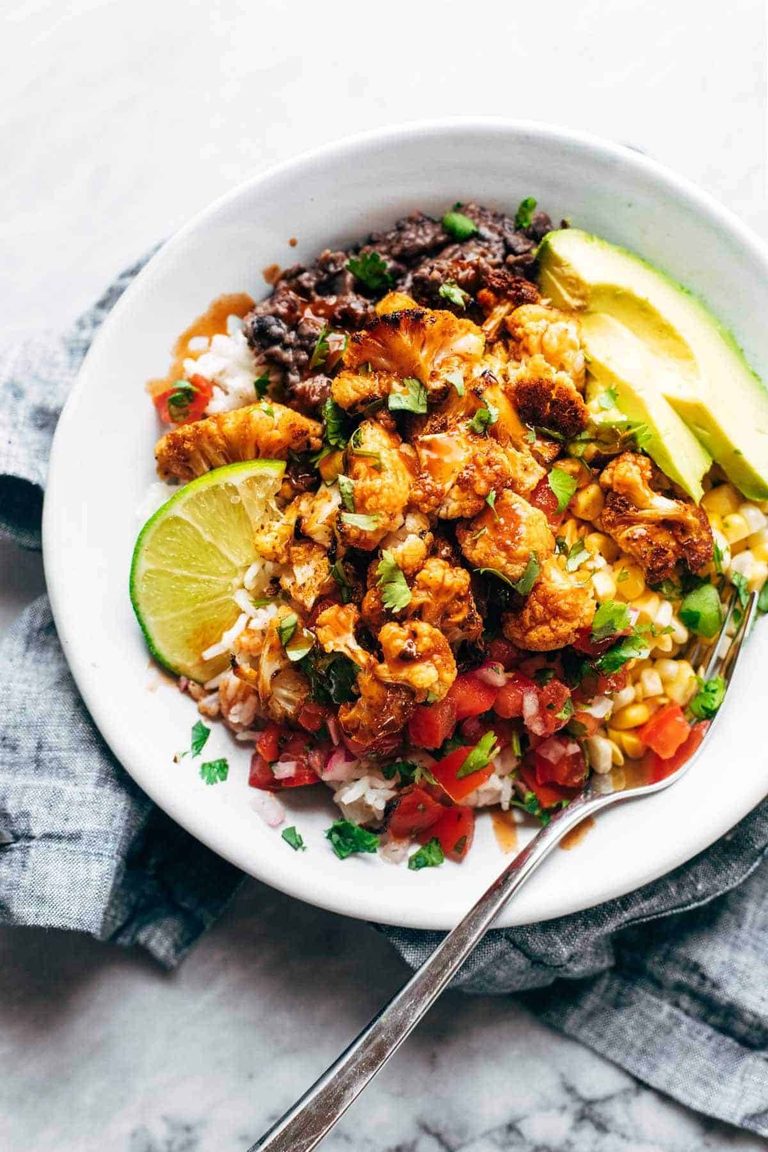
- Salmon with Basil Sauce and Tomato Salad: A vibrant dish combining spiced fish with a high-antioxidant herb reduction and fresh acid-balanced tomatoes.
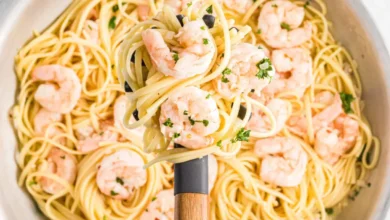
- Chimichurri Shrimp with Tomatoes: A protein-rich option featuring anti-inflammatory garlic and herb sauce paired with lycopene-rich nightshades.
- BBQ Salmon Bowls with Mango Avocado Salsa: Blending heart-healthy fats from avocados with vitamin-rich tropical fruit and lean protein.
Grain and Quinoa Bowls
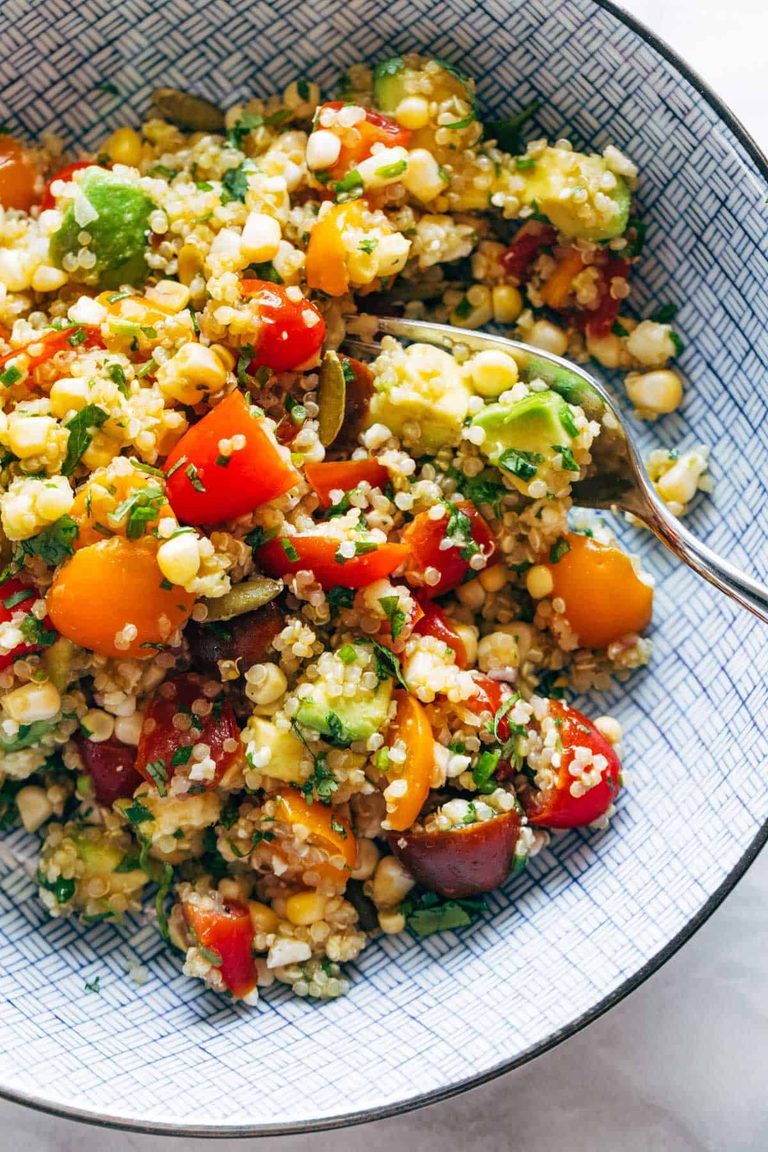
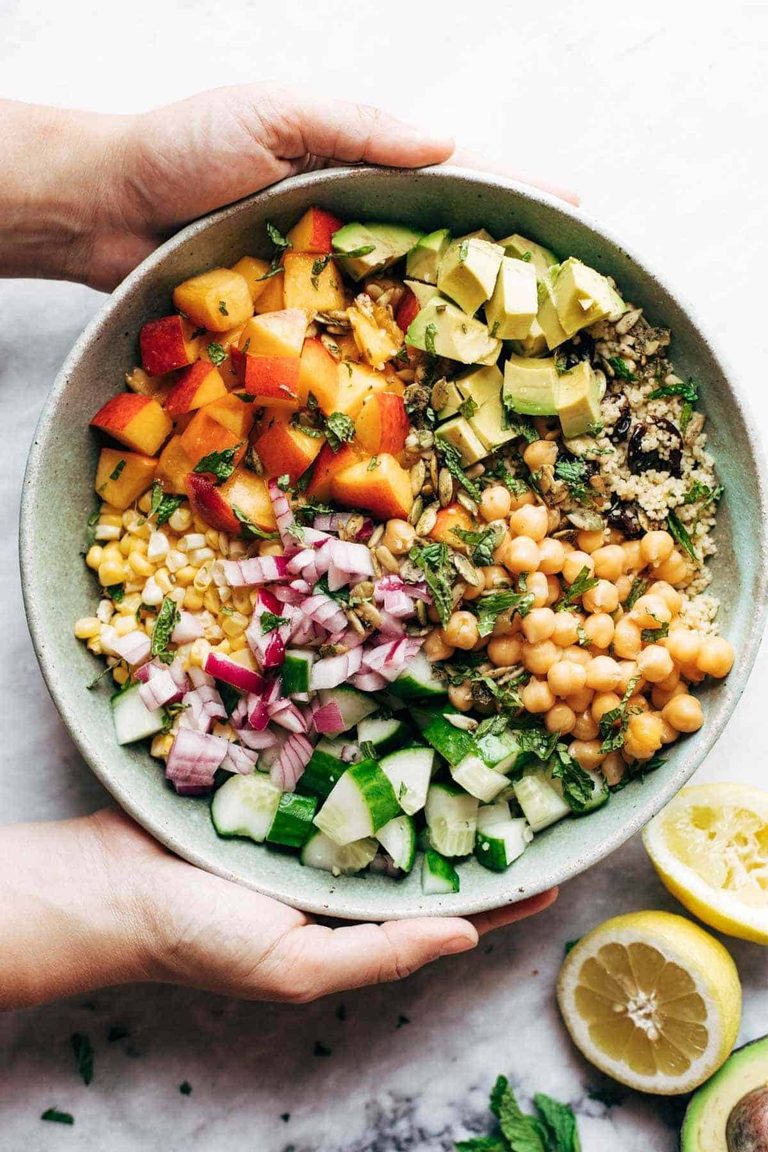
Grains such as quinoa, farro, and couscous offer complete amino acid profiles and slow-digesting carbohydrates, making them ideal bases for midday meals or post-activity recovery.
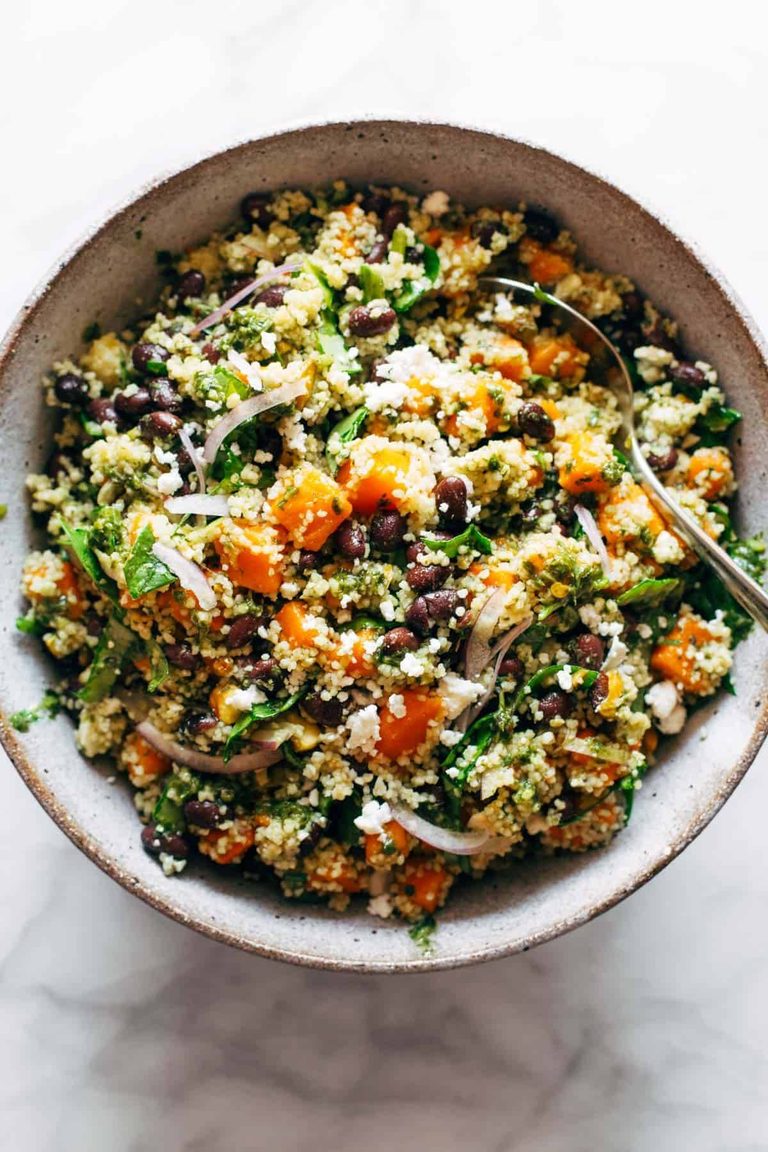
- Elote-Style Quinoa Salad: A modernized take on traditional street food, utilizing protein-dense pseudo-grains, fresh corn, and capsaicin-containing spices.
- Mediterranean Quinoa Bowls with Roasted Red Pepper Sauce: Packed with polyphenols from olives, peppers, and fiber from leafy greens.
- Green Goddess Quinoa Summer Salad: A chlorophyll-rich dish adaptable to various garden vegetables.
Crunchy Salads and Plant-Forward Options
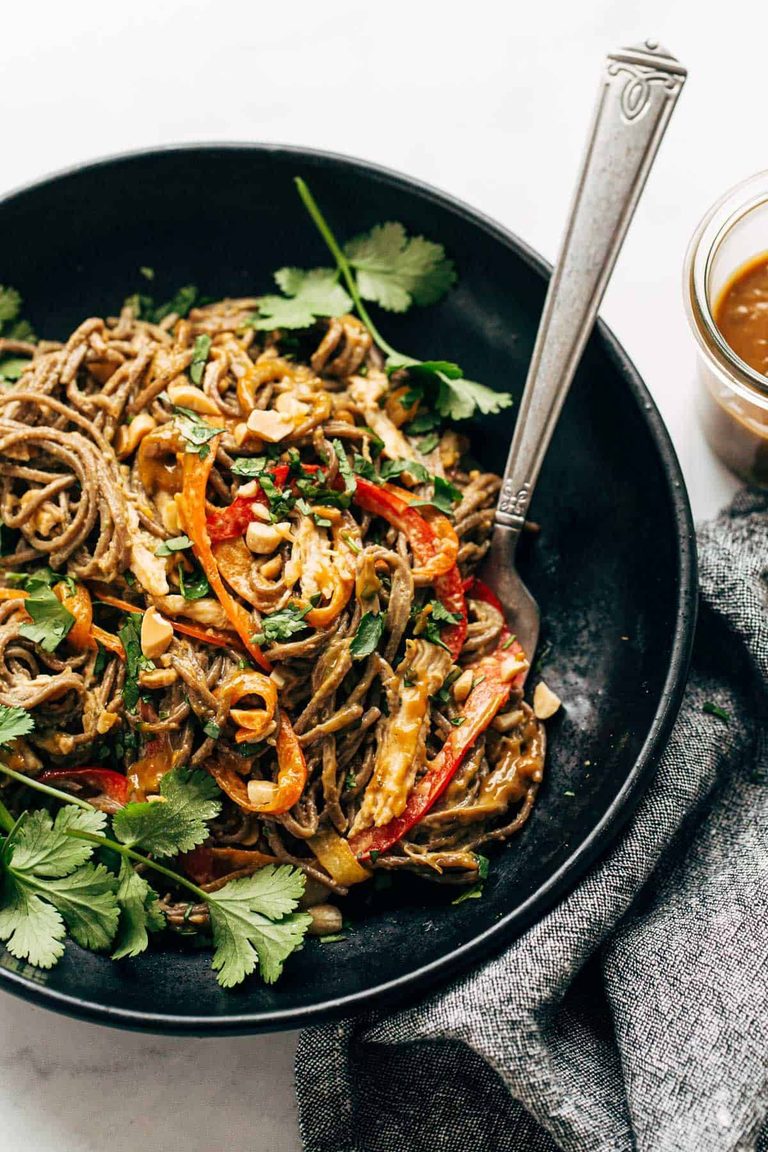
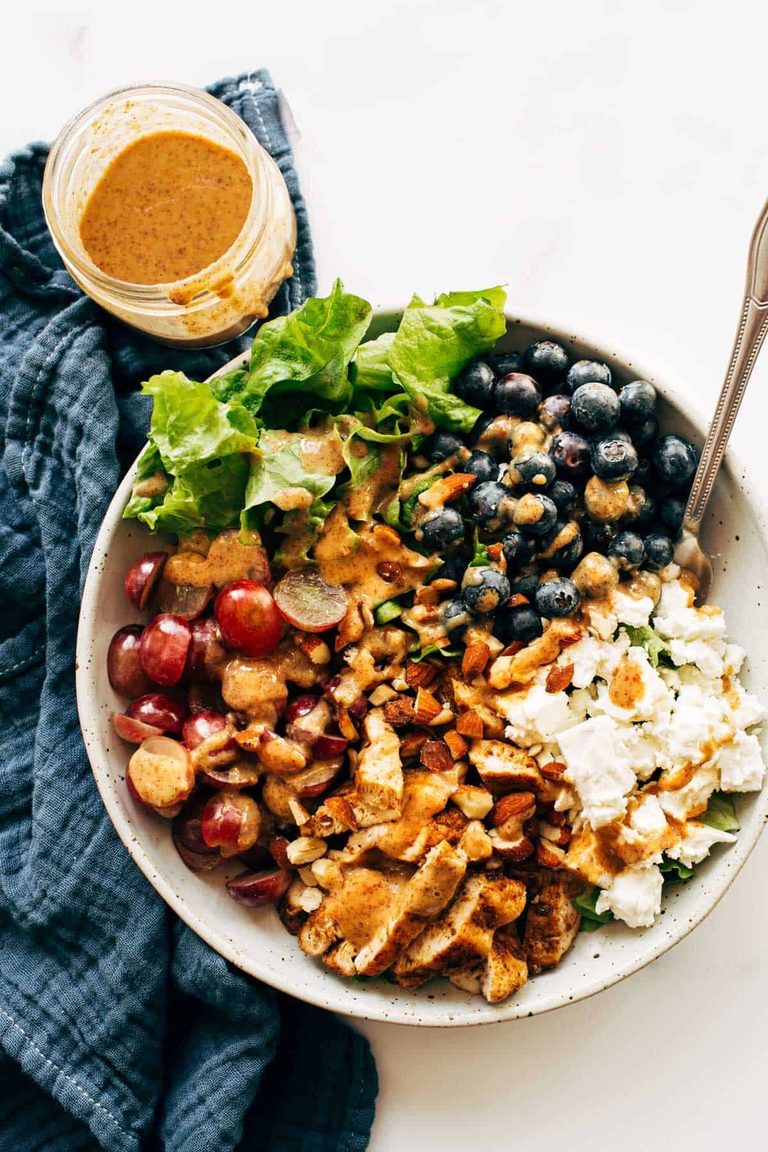
Dietary guidelines consistently recommend increasing the intake of cruciferous and leafy vegetables. Summer crunch salads successfully increase fiber consumption through raw cabbage, napa cabbage, and kale.
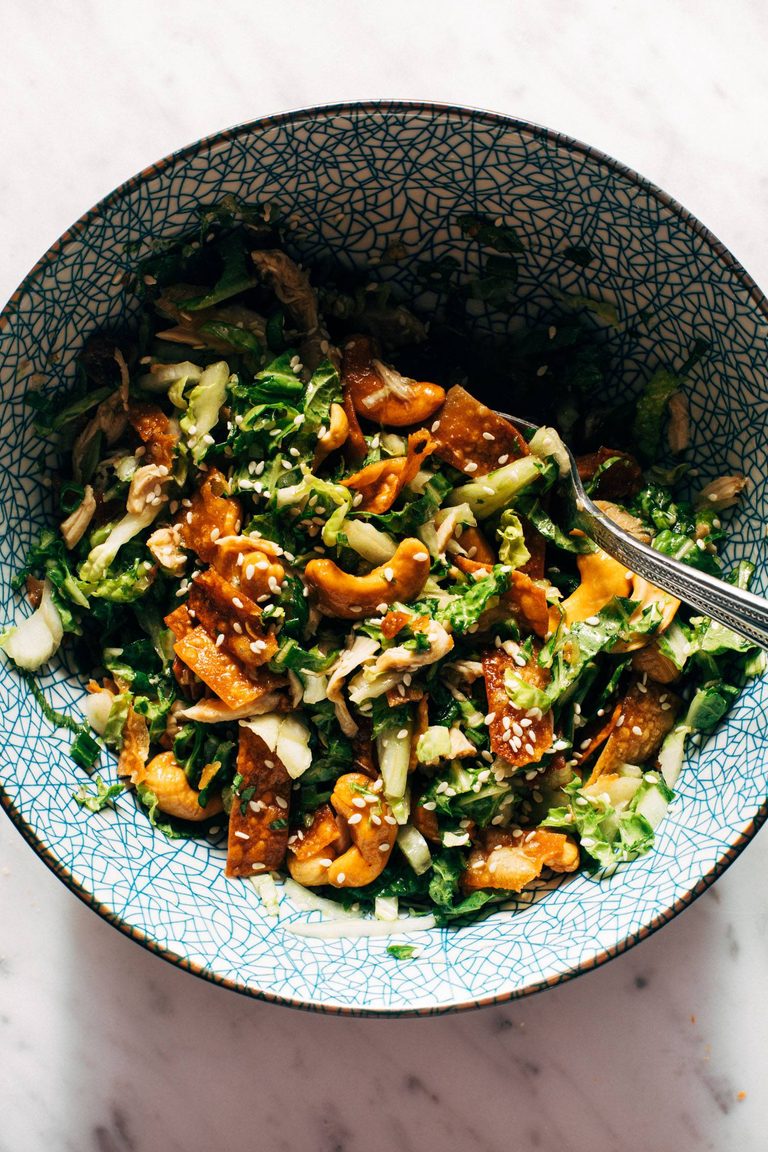
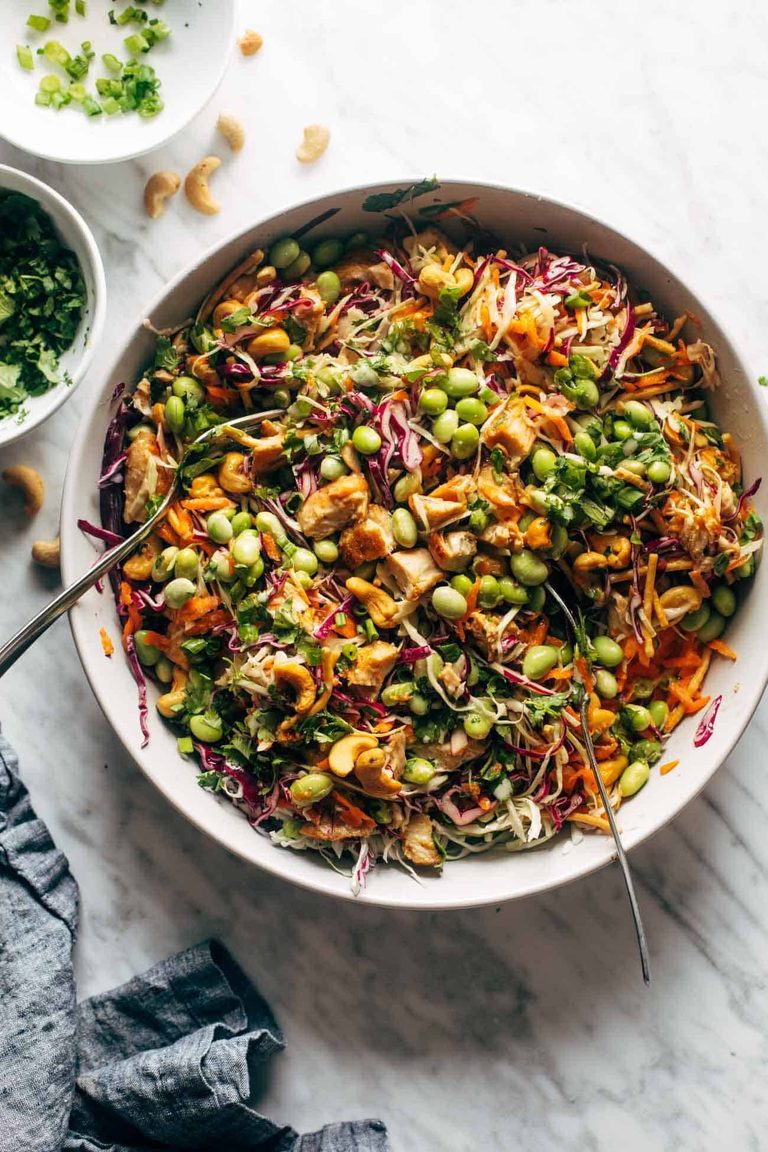
- Napa Chicken Salad with Sesame Dressing: Features crunchy crucifers combined with lean poultry and healthy sesame lipids.
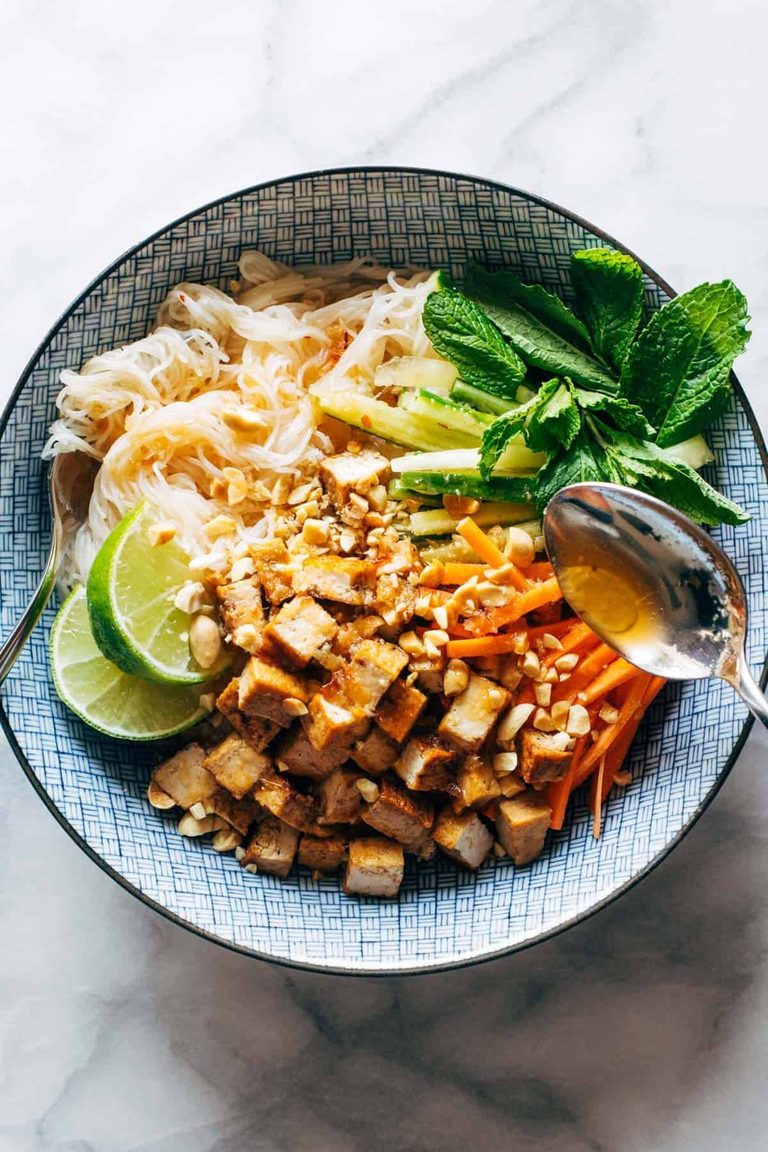
- Spicy Peanut Soba Noodle Salad: Balances buckwheat noodles with antioxidant-dense peppers and peanut-derived plant proteins.
- Roasted Peanut Kale Crunch Salad: Capitalizes on the rugged texture of kale to deliver sustained satiety and robust micronutrient profiles.
Broader Implications for Public Health and Home Economics
The growing preference for effortless, produce-driven summer cooking has measurable economic and public health implications. Economically, the peak harvest season often correlates with lower retail prices for fresh fruits and vegetables, making nutrient-dense diets more accessible to lower-income households. Agricultural economists note that supporting local farmers markets shortens the supply chain, reducing the carbon footprint associated with food transportation while stimulating regional economies.
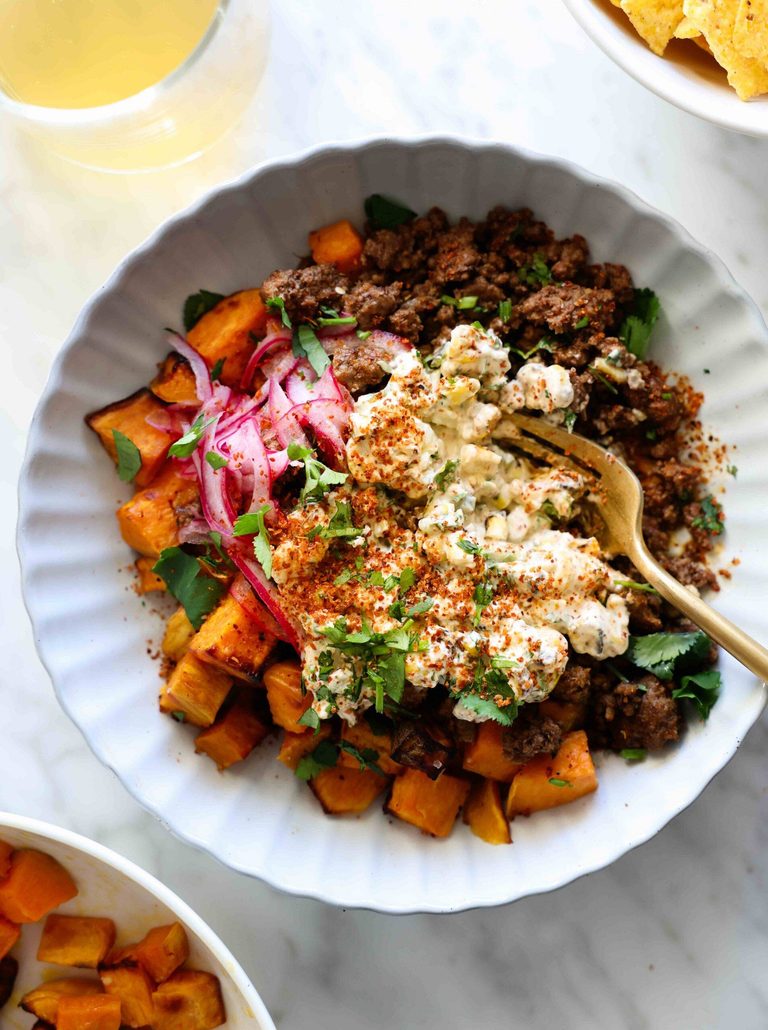
From a behavioral psychology perspective, meals that do not require extensive cooking times or complex multi-step instructions lower the barrier to entry for home meal preparation. As consumers increasingly prioritize time management alongside health goals, recipes that combine fast preparation times with sophisticated flavor profiles—such as sheet pan meals, no-cook grain salads, and customizable bowls—address the modern demand for efficiency.
Future outlooks from food industry analysts suggest that the trend toward vegetable-forward, globally inspired flavor profiles will continue to influence domestic cooking habits well beyond the summer months. By establishing sustainable cooking routines during the summer season, individuals are better equipped to maintain balanced dietary habits throughout the year, ultimately contributing to long-term wellness outcomes on a population scale.