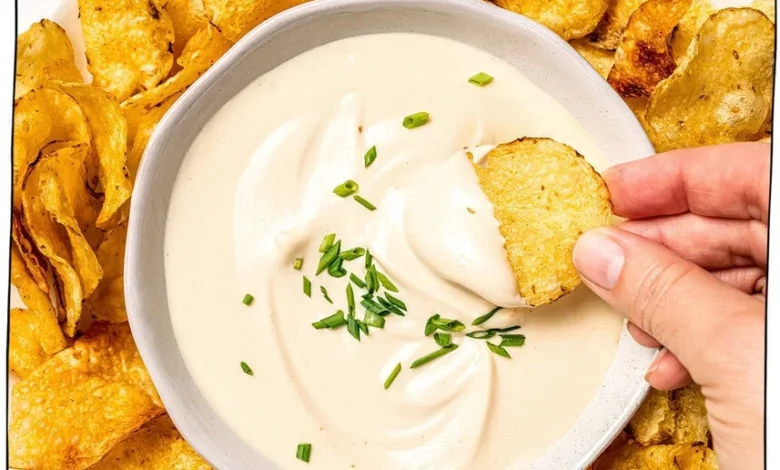
The culinary landscape has witnessed a significant transformation in recent years, driven by a surge in consumer demand for plant-based alternatives to traditional dairy staples. Among the most challenging textures and flavor profiles to replicate without animal products has been sour cream—a condiment historically prized for its rich mouthfeel, distinct tartness, and versatility across both savory and sweet applications. In response to this market gap, home cooks and culinary developers have increasingly turned to whole-food ingredients to formulate dairy-free iterations that rival or exceed the quality of commercial offerings. Recent developments in home-kitchen formulation have spotlighted a five-ingredient vegan sour cream recipe that utilizes raw cashews, lemon juice, and apple cider vinegar to achieve the desired viscosity and acidity, establishing a new benchmark for plant-based condiments.
Background and Context of the Plant-Based Dairy Shift
The proliferation of plant-based dairy substitutes is rooted in broader shifts in dietary preferences, health consciousness, and environmental considerations. According to market research data from major food industry analysts, the global dairy alternative market has expanded rapidly, with non-dairy creams, yogurts, and cultured products experiencing exponential year-over-year growth. Consumers are increasingly adopting flexitarian, vegetarian, and vegan diets for reasons ranging from lactose intolerance and dairy allergies to concerns regarding the carbon footprint of conventional dairy farming.
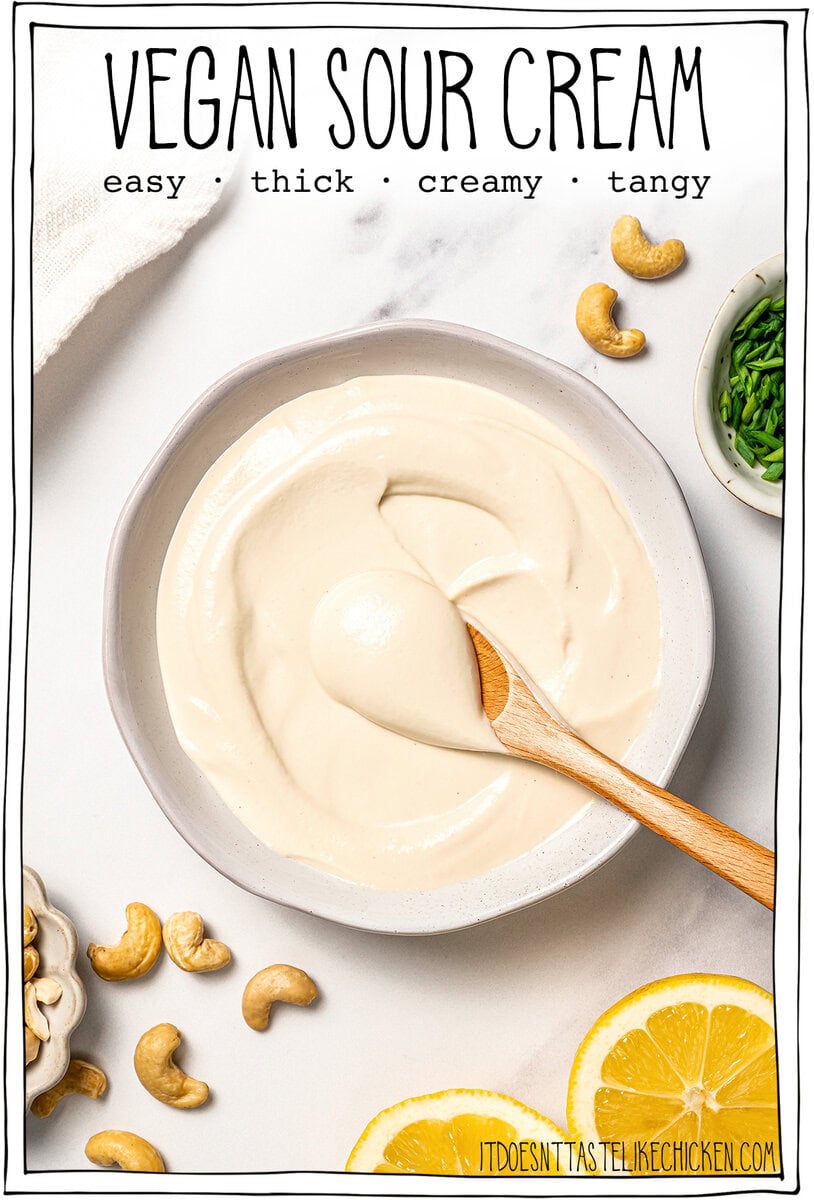
Despite the commercial availability of store-bought vegan sour creams—often manufactured using bases of coconut oil, modified starches, or almond milk—many consumers and culinary purists have expressed dissatisfaction with their nutritional profiles, artificial stabilizers, and inconsistent textures. Mass-produced alternatives frequently rely on saturated fats like coconut oil to mimic the thickness of traditional dairy, which can impart an unwanted oily aftertaste or alter the melting properties when applied to hot dishes like chili or baked potatoes. Consequently, a counter-movement within the culinary community has prioritized scratch-made alternatives that rely on whole foods, providing transparency in ingredients and superior control over flavor and consistency.
Formulation and Ingredients of the Five-Ingredient Recipe
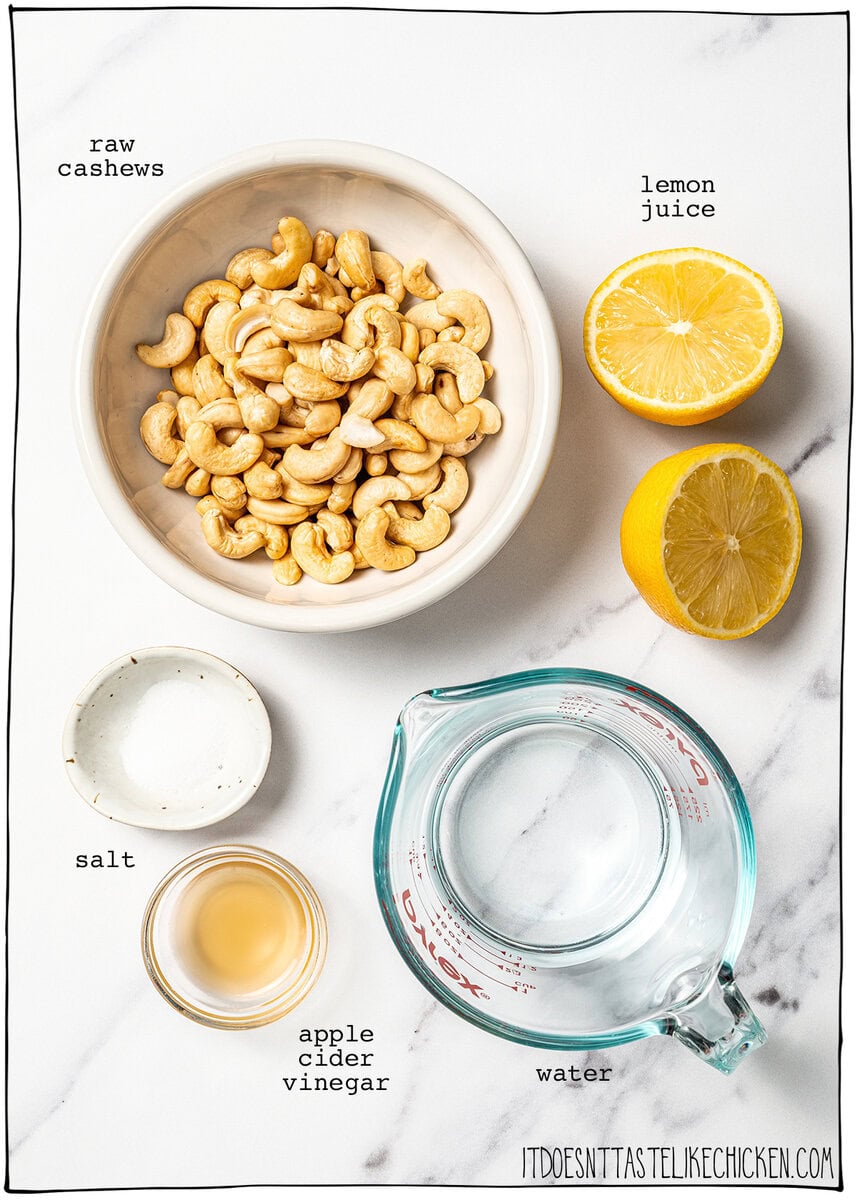
The newly highlighted recipe addresses the common shortcomings of commercial dairy alternatives by leveraging the natural emulsification properties of raw nuts combined with precise acid balancing. The formulation requires five core components: raw cashews, fresh lemon juice, apple cider vinegar, salt, and water.
Raw cashews serve as the structural foundation of the recipe. Unlike roasted cashews, raw varieties possess a neutral flavor profile and high lipid and protein content that, when thoroughly pulverized, create a silky, emulsion-like creaminess without the need for gums, stabilizers, or excessive oils. To achieve the distinct fermented tang characteristic of traditional cultured sour cream, the recipe employs a dual-acid approach utilizing both fresh lemon juice and apple cider vinegar. This combination provides a layered acidity that mimics the lactic acid bite found in dairy sour cream, preventing the flat flavor profile that often plagues single-acid vegan substitutes.
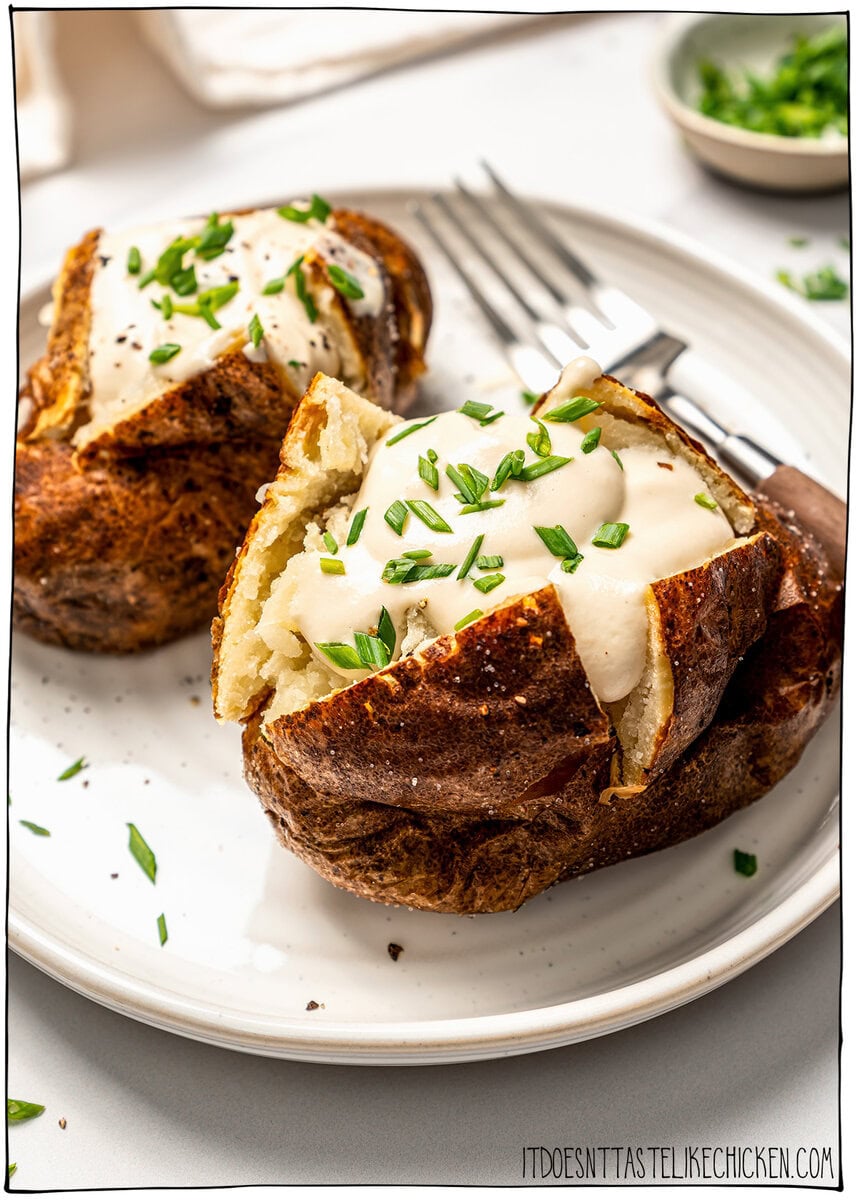
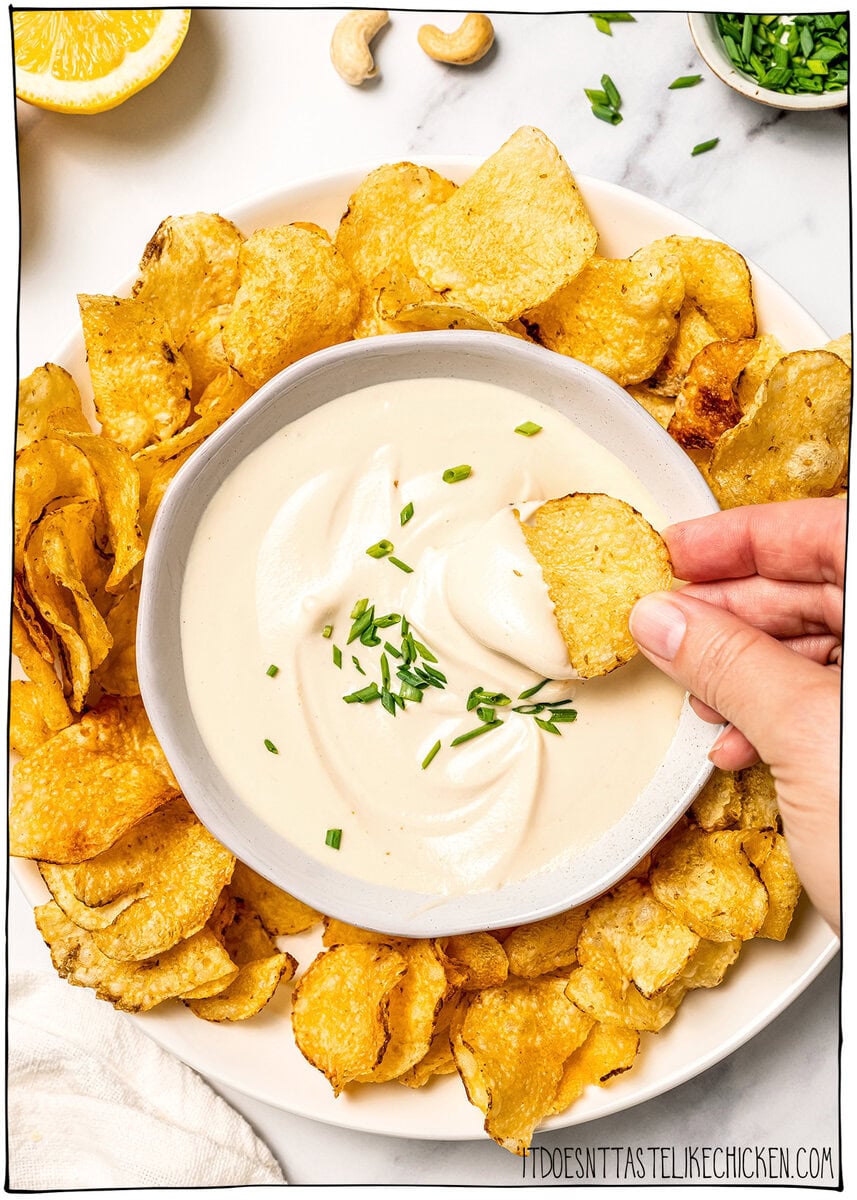
Water is adjusted during the blending phase to control the thickness, ensuring the final product is robust enough to hold its shape as a dollop on baked potatoes or soups while remaining smooth enough to function as a dip for chips and vegetables. For individuals with tree nut allergies, the formulation includes an officially recognized adaptation substituting soaked cashews with soft or silken tofu, maintaining the structural integrity and nutritional viability of the dish while ensuring complete allergen safety.
Nutritional Profile and Dietary Implications
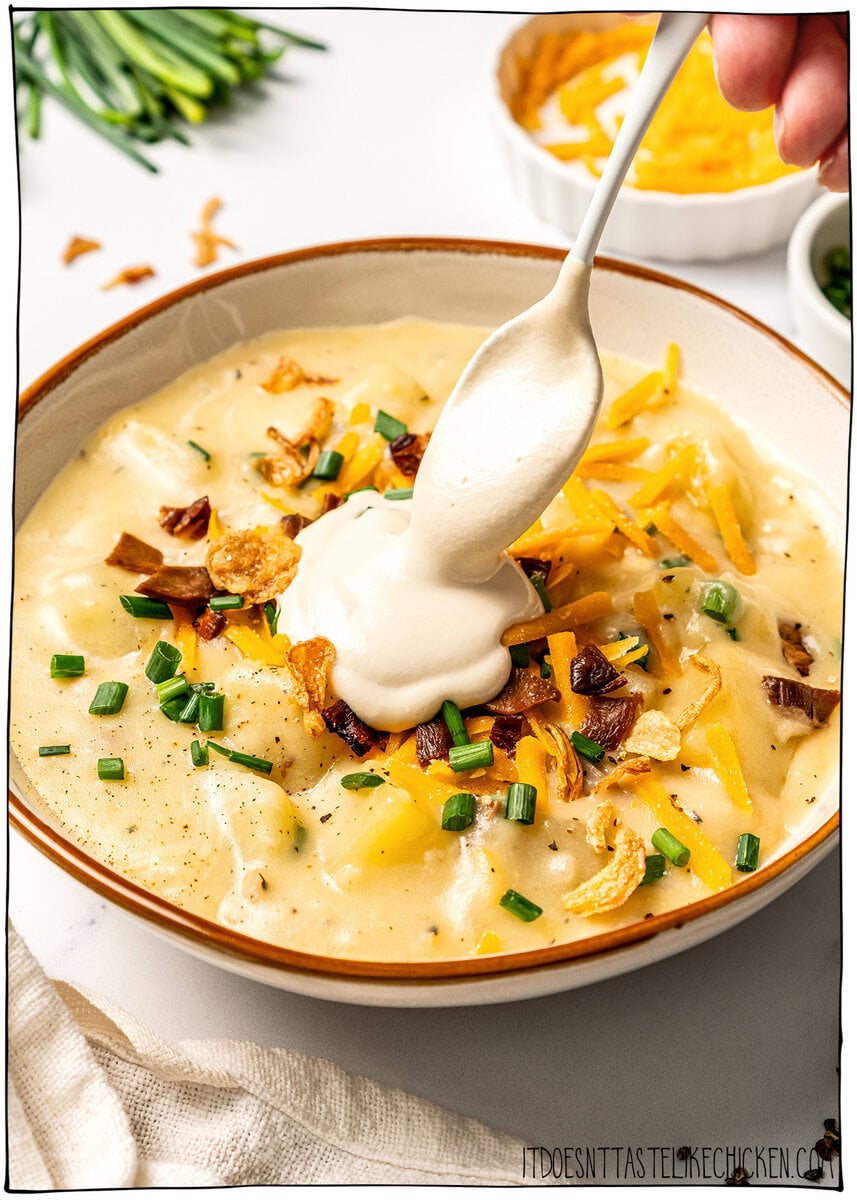
From a nutritional perspective, scratch-made cashew sour cream offers distinct advantages over both traditional dairy sour cream and highly processed commercial plant-based options. Traditional dairy sour cream is high in saturated fats and cholesterol, which health organizations often recommend consuming in moderation. In contrast, the cashew-based alternative derives its fat content primarily from monounsaturated and polyunsaturated fats, which are associated with cardiovascular health benefits.
Nutritional analysis of a standard two-tablespoon serving indicates an approximate energy density of 60 kilocalories, containing roughly three grams of carbohydrates, two grams of protein, and five grams of fat—of which only a minor fraction is saturated fat. Furthermore, the inclusion of whole-food nuts provides trace minerals such as iron, potassium, and magnesium, alongside dietary fiber, elements entirely absent in conventional dairy sour cream and heavily processed commercial analogues.
Preparation Methodology and Technical Parameters
The preparation of the vegan sour cream is designed for high efficiency, requiring minimal culinary equipment—specifically, a high-speed blender capable of completely breaking down the cellular structure of soaked or boiled cashews to eliminate any graininess.
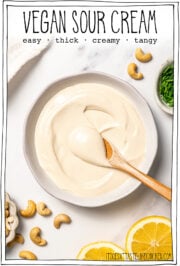
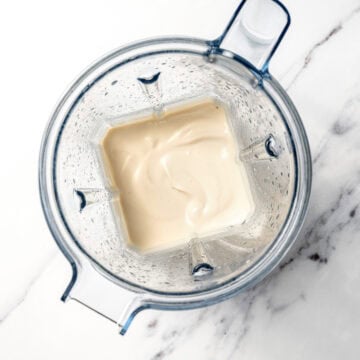
The standard protocol involves hydrating the raw cashews either through a multi-hour cold-water soak or a rapid boiling method for individuals operating under tighter time constraints. Once softened, the nuts are transferred to the blender carafe alongside measured quantities of lemon juice, apple cider vinegar, salt, and filtered water. Blending proceeds at maximum velocity until the mixture achieves a completely homogeneous, velvety texture.
Culinary experts note that temperature control and resting time play critical roles in the final outcome. Allowing the blended mixture to chill in a refrigerator for a minimum of several hours enables the fats to firm up naturally, resulting in a significantly thicker consistency that closely mirrors commercial dairy sour cream. When stored in an airtight container under proper refrigeration, the product maintains optimal safety and sensory qualities for up to one week. For longer-term storage, the mixture can be frozen for up to three months, provided it undergoes thorough remixing upon thawing to re-establish the emulsion.
Broader Industry Implications and Consumer Reception
The widespread sharing and positive reception of whole-food, scratch-made recipes reflect a broader shift in consumer behavior toward kitchen empowerment. As inflation impacts grocery prices and consumers become more critical of ingredient labels containing unrecognizable additives, the democratization of culinary techniques via digital platforms has enabled home cooks to produce restaurant-quality staples independently.
Industry observers suggest that the success of such home recipes influences commercial product development as well. Food manufacturers increasingly monitor viral plant-based recipes to identify consumer preferences for clean labels, minimal processing, and authentic flavor replication. By demonstrating that high-performance vegan dairy alternatives can be successfully produced using everyday pantry staples, these recipes challenge the commercial sector to elevate the nutritional and sensory standards of store-bought goods.
Ultimately, the integration of versatile plant-based condiments like cashew sour cream into everyday meal preparation—ranging from Mexican-inspired cuisine to traditional comfort foods—underscores the normalization of vegan cooking within mainstream culinary practices. As formulation techniques continue to evolve, the barrier between dietary restriction and gourmet indulgence continues to narrow, driven by innovation both in commercial laboratories and home kitchens alike.