The Renaissance of the Humble Bean: How Regional Farmers Are Reviving Heirloom Legumes Amid Climate and Economic Pressures

The culinary mainstream is undergoing a quiet, protein-rich transformation. Driven by viral social media food trends, a burgeoning appreciation for heirloom agriculture, and an increased consumer focus on cost-effective, nutrient-dense eating, dry beans have transitioned from pantry afterthought to gourmet centerpiece. Yet, behind every aesthetically pleasing Instagram post of kaleidoscopic heirloom varieties or viral "dense bean salad" lies a complex agricultural reality. While consumer demand for fresh-crop and specialty dry beans surges—frequently outstripping supply and filling waiting lists for exclusive bean clubs—the farmers growing these crops face a gauntlet of economic hurdles, specialized equipment shortages, and escalating climate instability.
Across the United States, independent growers and regional cooperatives are adapting to these pressures, reshaping how dry beans are cultivated, processed, and brought to market. Their efforts offer a window into the intersection of modern sustainable agriculture, regional food security, and the preservation of agricultural heritage.
A Historical Perspective: From Industrial Commodity to Regional Craft
To understand the current revival of dry beans, one must look backward. In the mid-19th century, New York state served as the epicenter of the United States dry bean industry, establishing a robust commercial footprint in regions like the Finger Lakes. Over the ensuing decades, however, industrialization, agricultural consolidation, and shifting market forces concentrated large-scale dry bean production in states like North Dakota and Michigan, which currently ranks second nationally by producing over 400 million pounds of edible beans annually—roughly 17 percent of the U.S. total.
During the mid-20th century, Michigan’s agricultural output was dominated by navy beans, though black beans have since captured more than half of the state’s bean acreage. Meanwhile, traditional regional economies centered around locally adapted legumes slowly faded from memory.
In recent years, however, a counter-movement has emerged. Farmers and regional collectives are rejecting the narrow margins of global commodity markets—where prices are tethered to livestock feed and international trade fluctuations—in favor of localized, food-grade production. By focusing on heirloom and specialty varieties, these growers are creating distinct economic value, connecting consumers directly to the agricultural systems that feed them, and reviving long-dormant regional bean cultures.
Regional Innovations and Adaptations
In upstate New York, Kristen Loria sought to reclaim this lost agricultural history when she founded Buttermilk Bean in 2021. Operating as a farmer collaborative centered in the Finger Lakes and Hudson Valley regions, Buttermilk Bean functions as a bridge between small-scale organic producers and a nationwide consumer base. Utilizing a collaborative model, four primary farms near Ithaca—including Loria’s own Lo Rida Farm—cultivate 1-to-2-acre plots, pooling their harvests with larger organic growers further west.
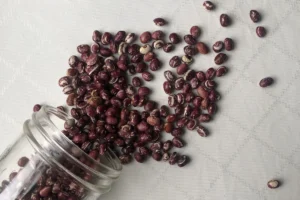
This collaborative structure allows participating farms to share vital, capital-intensive infrastructure, including machinery for cleaning, sorting, and packaging. The collective offers consumers a diverse portfolio of staple, heirloom, and modern varieties—ranging from black turtle and pinto beans to tiger eye, purple stardust, and flor de junio. Through winter and spring bean shares, these regionally grown legumes are shipped across the country, proving that the shelf-stable nature of dry beans can effectively bridge geographic divides while celebrating local terroir.
Farther west, in Ubly, Michigan, Kevin Messing of Sheridan Acres has similarly carved out a specialty niche within the heart of the state’s bean country. Inspired by the striking appearance and creamy texture of the orca bean—a white-skinned legume with black speckles—Messing expanded his farm operations beyond commodity crops like wheat and corn to dedicate 15 acres exclusively to heirloom varieties.
Rather than relying on massive, million-pound commercial cleaning facilities that cannot accommodate small batches, Messing utilizes refurbished, small-scale agricultural equipment. This approach allows him to independently manage the growing, cleaning, and packaging process, retaining greater control over his product and fostering a direct-to-consumer economic model that prioritizes systemic farm health over volume-driven margins.
In the arid landscapes of northeastern Colorado, dryland farmers face a different set of challenges, chief among them water scarcity. At PFZ Farms, Roy Pfaltzgraff, alongside his wife Emily and his parents, farms without additional irrigation in a region averaging just 14 inches of annual precipitation. By saving their own seeds year after year, the family has cultivated legume varieties—such as pinto beans, black beans, and black-eyed peas (a type of cowpea)—that are biologically acclimated to local soil and drought conditions.
Because black-eyed peas present distinct agronomic challenges and lower yields compared to standard commercial varieties, large-scale producers often avoid them. This supply-and-demand dynamic allows Pfaltzgraff to command competitive prices from regional bean companies situated within a 60-mile radius of his farm, while also offering direct sales through the farm’s online stand.
Preserving Indigenous Heritage and Agrobiodiversity in the Southwest
In Arizona’s Sonoran Desert, the stakes of bean cultivation extend far beyond economic return into the realm of cultural preservation and ecological survival. Along the Gila River in Sacaton, Ramona and Terry Button operate Ramona’s American Indian Foods, dedicated to safeguarding traditional food crops of the Akimel O’odham and Tohono O’odham peoples, most notably the tepary bean, or bavi.
The historical trajectory of tepary bean farming is deeply intertwined with water rights and ecological displacement. Following the federal diversion of the Gila River in the late 19th and early 20th centuries, the Gila River Indian Community endured prolonged droughts that forced many farmers off their land. As agricultural operations collapsed, traditional seed stocks dwindled, bringing the drought-tolerant tepary bean to the brink of extinction.
Prompted by her father, traditional farmer and seed saver Francisco Smith, Ramona Button helped spearhead the recovery of white and brown tepary varieties after founding the farm in 1974. Initially sustained by demand from tribal elders, the farm gradually reintroduced the high-fiber, high-protein legume to younger generations and mainstream culinary markets. Today, the availability of these heritage seeds in regional retail outlets and through tribal grocery stores marks a significant milestone in food sovereignty. Native chefs have further amplified this resurgence by featuring heritage beans on upscale menus, providing essential economic encouragement to sustain the farm’s grueling cultivation cycles.
The Pressures of Climate Instability and Agronomic Hurdles
Despite the rising popularity of specialty and heirloom legumes, farmers nationwide report that extreme weather variability is making crop production increasingly precarious. In New York, unseasonal spring rains delay planting schedules, while wet harvest seasons threaten crop integrity. Organic growers must simultaneously contend with persistent agricultural pests, such as the bean beetle, relying on adaptive management strategies to salvage yields.
In Michigan and Colorado, growers note a marked acceleration in climate unpredictability over the past decade. Erratic temperature shifts have forced farmers to plant weeks earlier than historical averages, while alternating extremes of prolonged drought and intense precipitation threaten crop establishment. In Arizona, extreme weather events can prove catastrophic; torrential monsoon or winter rains occasionally inflict total crop failures on desert farms. When fields are severely damaged by standing water, the labor costs required to manually sort through ruined harvests frequently exceed the market value of the surviving product.
Compounding these environmental challenges is a structural deficit in appropriate agricultural machinery. Modern commercial combine harvesters are engineered for uniform, high-yield commodity crops that ripen evenly and stand upright. Heirloom varieties, by contrast, often mature unevenly, produce green material that clogs modern machinery, and develop pods close to the ground. Consequently, small-scale farmers must scour the secondary market for aging, vintage equipment capable of delicately harvesting and processing specialty beans without prohibitive capital expenditures.
Broader Economic Implications and Consumer Impact
Beyond their resilience in diverse climates, dry beans offer indispensable agronomic benefits to modern agricultural systems. As a fundamental component of sustainable crop rotation, legumes naturally fix atmospheric nitrogen into the soil, replenishing vital nutrients depleted by heavy-feeding cereal crops like corn and wheat. Furthermore, alternating crop families disrupts the life cycles of soil-borne pests and plant diseases, reducing the chemical inputs required to maintain farm health.
From an economic perspective, transitioning from commodity markets to food-grade, direct-to-consumer sales empowers growers to establish pricing models that accurately reflect the labor, risk, and ecological stewardship involved in production. For consumers, purchasing locally and regionally sourced beans offers a tangible mechanism to support soil health, regional food networks, and small-business viability.
As agricultural networks continue to evolve, the humble bean has transcended its traditional classification as a mere source of inexpensive plant-based protein. Through the dedication of regional collectives, family farms, and Indigenous seed-savers, each bag of heirloom legumes now carries a repository of ecological knowledge, nutritional density, and agricultural history—values that these growers are actively passing on to a new generation of conscious consumers.