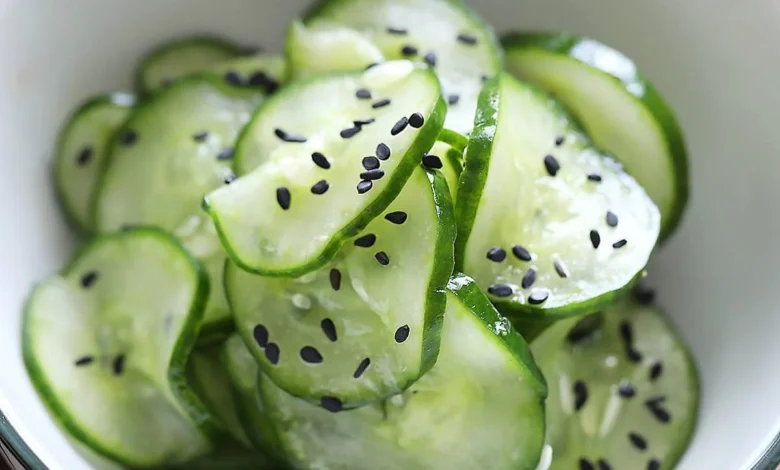
The global appetite for Japanese culinary staples has continued to expand well beyond traditional brick-and-mortar sushi bars, driving home cooks to seek authentic, restaurant-quality recipes for light side dishes. Among the most sought-after accompaniments is Sunomono, the refreshing traditional Japanese cucumber salad characterized by its crisp texture, sweet-and-tangy balance, and clean flavor profile. Culinary experts and home economists note that while the dish appears deceptively simple—relying primarily on thinly sliced cucumbers and a quick rice vinegar dressing—achieving the exact texture found in high-end izakayas requires a specific, time-tested preparation technique known as the salt-draw method.
Background and Cultural Significance of Sunomono
In the landscape of Japanese cuisine, the term sunomono literally translates to "vinegared things" (su meaning vinegar and mono meaning thing or object). Historically rooted in the Edo period, vinegared dishes were developed not only for their vibrant, palate-cleansing properties but also as a practical method of food preservation prior to modern refrigeration. The acidity of the rice vinegar acts as a mild preservative while stimulating the appetite, making these salads a traditional prelude or accompaniment to richer, oilier dishes such as tempura, grilled fish, and savory rice bowls.
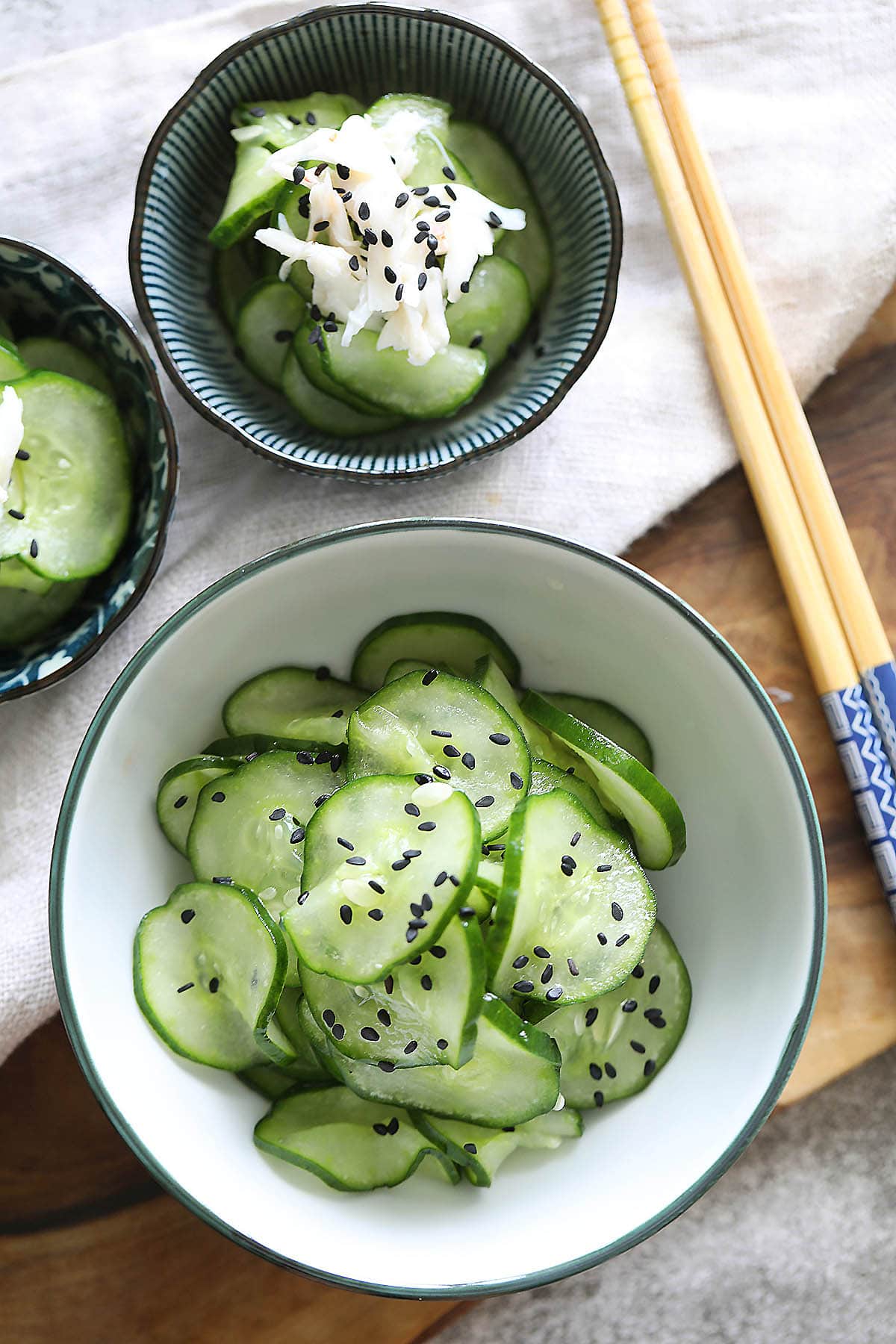
Over generations, the core recipe has evolved from a basic preservation technique into a refined culinary art. Traditional preparations often incorporate rehydrated dried wakame seaweed, boiled shrimp, or octopus. In contemporary settings, home cooks and casual dining establishments frequently elevate the dish using real crab meat or imitation crab, known as kanikama, creating a versatile side that bridges authentic heritage with modern accessibility.
The Science of the Salt-Draw Method
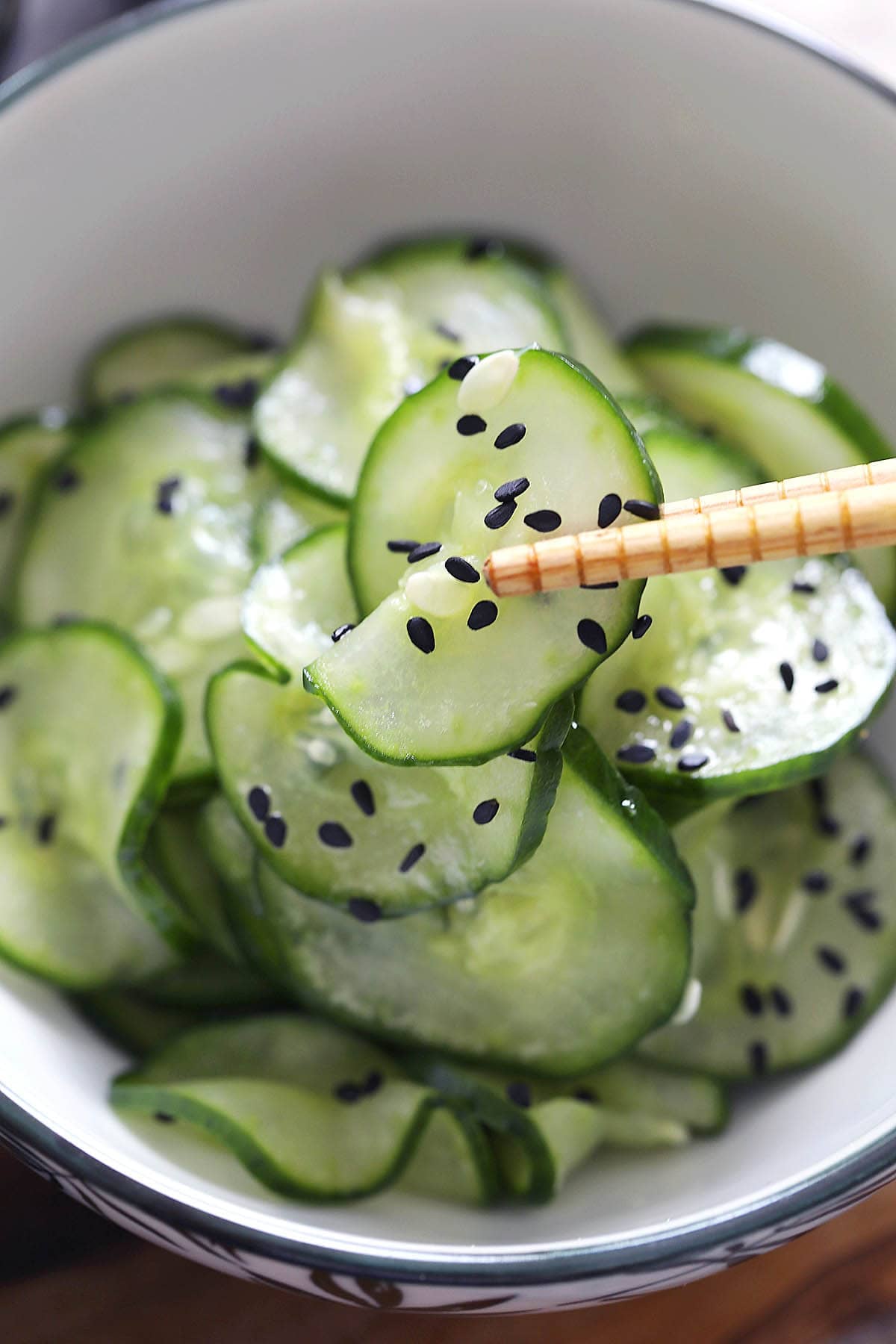
The defining challenge in preparing any cucumber-based salad is managing the vegetable’s high water content. Cucumbers are composed of approximately 95 percent water, meaning that slicing them and immediately applying a liquid dressing invariably results in a diluted sauce and limp, soggy vegetables.
To counteract this, professional culinary standards dictate the use of the salt-draw method. By thoroughly tossing thinly sliced cucumbers with granulated salt and allowing them to rest undisturbed for approximately 10 minutes, osmotic pressure draws out the excess intracellular water. Culinary researchers emphasize that this process does more than merely dehydrate the vegetable; it slightly compresses the cell walls, locking in a firm, snappy crunch. Following this resting period, a gentle yet firm manual squeeze removes the extracted liquid without bruising or tearing the delicate round slices, ensuring that when the dressing is introduced, it remains concentrated and vibrant rather than watered down.
Selecting the Ideal Ingredients
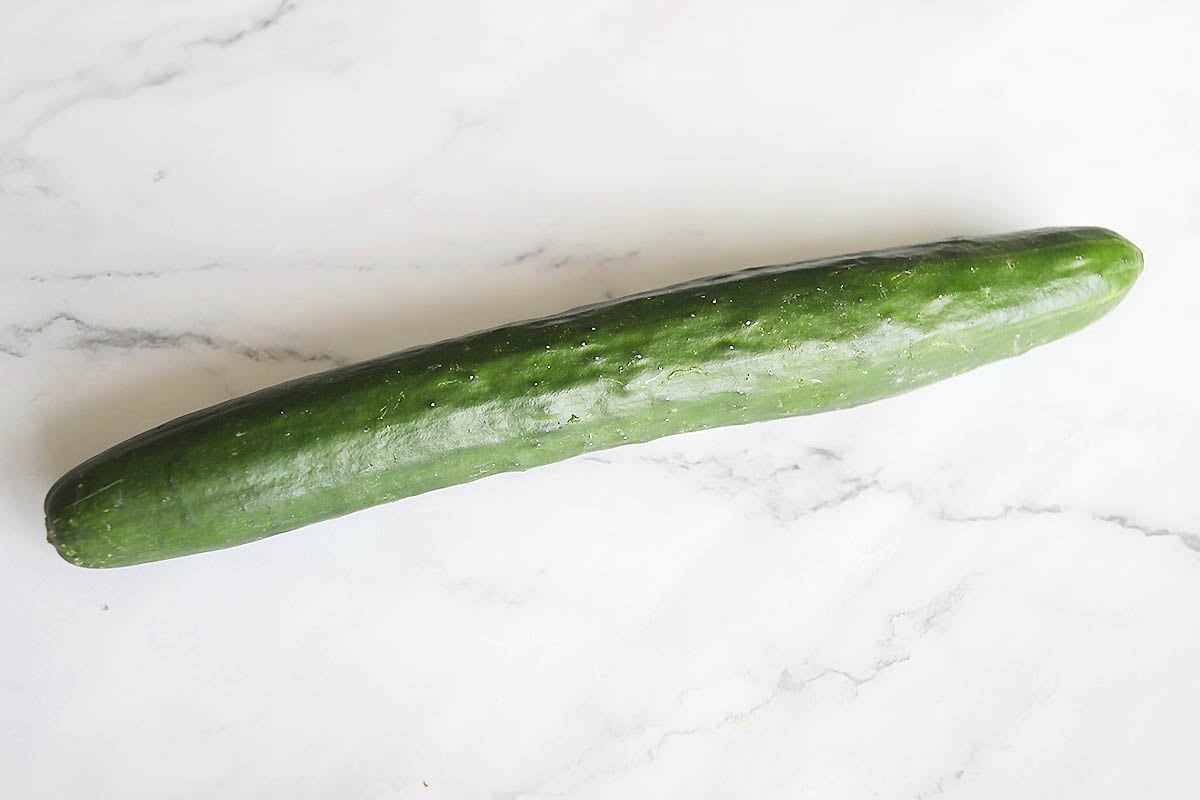
Achieving an authentic flavor profile requires careful selection of raw materials, beginning with the cucumber itself. Standard American slicing cucumbers feature thick, wax-coated skins and large, watery seeds that can compromise the texture of a delicate salad. Culinary advisors recommend sourcing genuine Japanese cucumbers (kyuri) or Persian cucumbers when available. These varieties possess a thin, edible skin, minimal seeds, and an inherently dense flesh that holds up exceptionally well to salting and pickling.
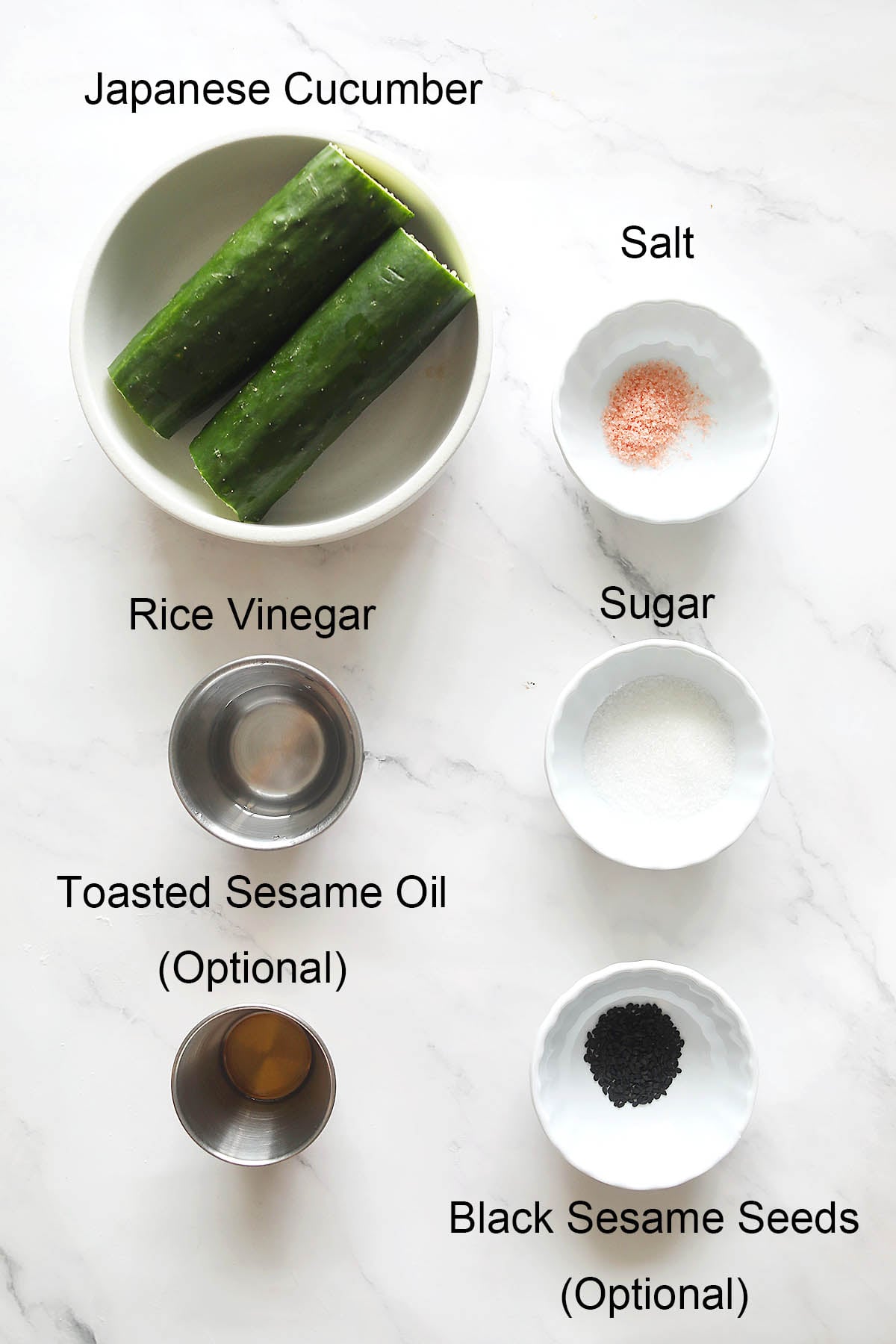
Equally critical is the choice of acid. Authentic Japanese rice vinegar (komezu) or its Chinese counterpart provides a mild, clean acidity that defines the dish. Culinary specialists strongly advise against substituting artificial vinegars, standard white vinegars, or apple cider vinegar. These alternatives often carry harsh, chemical sourness or heavy fruit undertones that fundamentally clash with the minimalist flavor profile of traditional Japanese cuisine.
Similarly, the inclusion of granulated white sugar is necessary to temper the sharp edges of the vinegar. Substituting brown sugar is discouraged, as the heavy molasses content introduces a caramel-like depth that overpowers the clean, crisp finish characteristic of sunomono. Finally, a measured drop of dark, toasted sesame oil provides a subtle, nutty aroma. Chefs note that the bottle must explicitly indicate "toasted," as light sesame oil lacks the roasted depth required to complement the dressing, though it can be omitted entirely for those preferring a purely bright, vinegar-forward bite.
Step-by-Step Preparation Protocol
For home cooks aiming to replicate restaurant-quality results, adhering to a precise chronological workflow is essential.
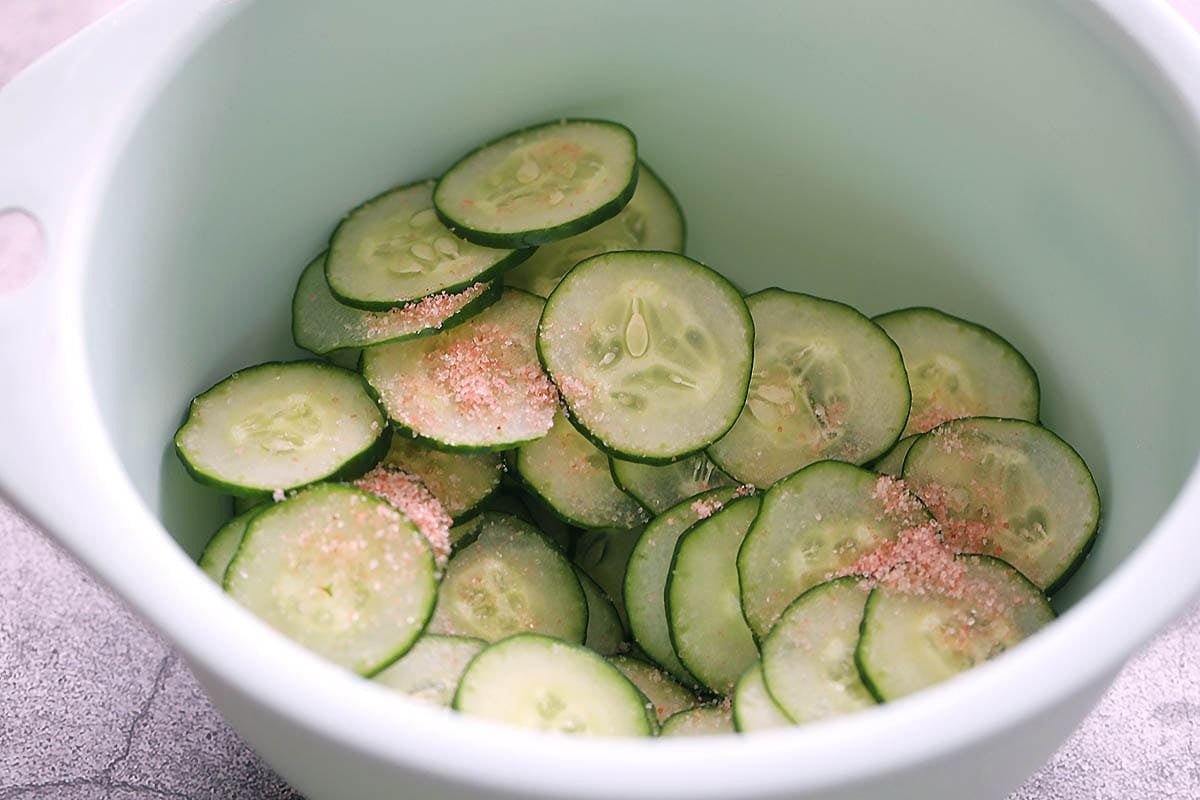
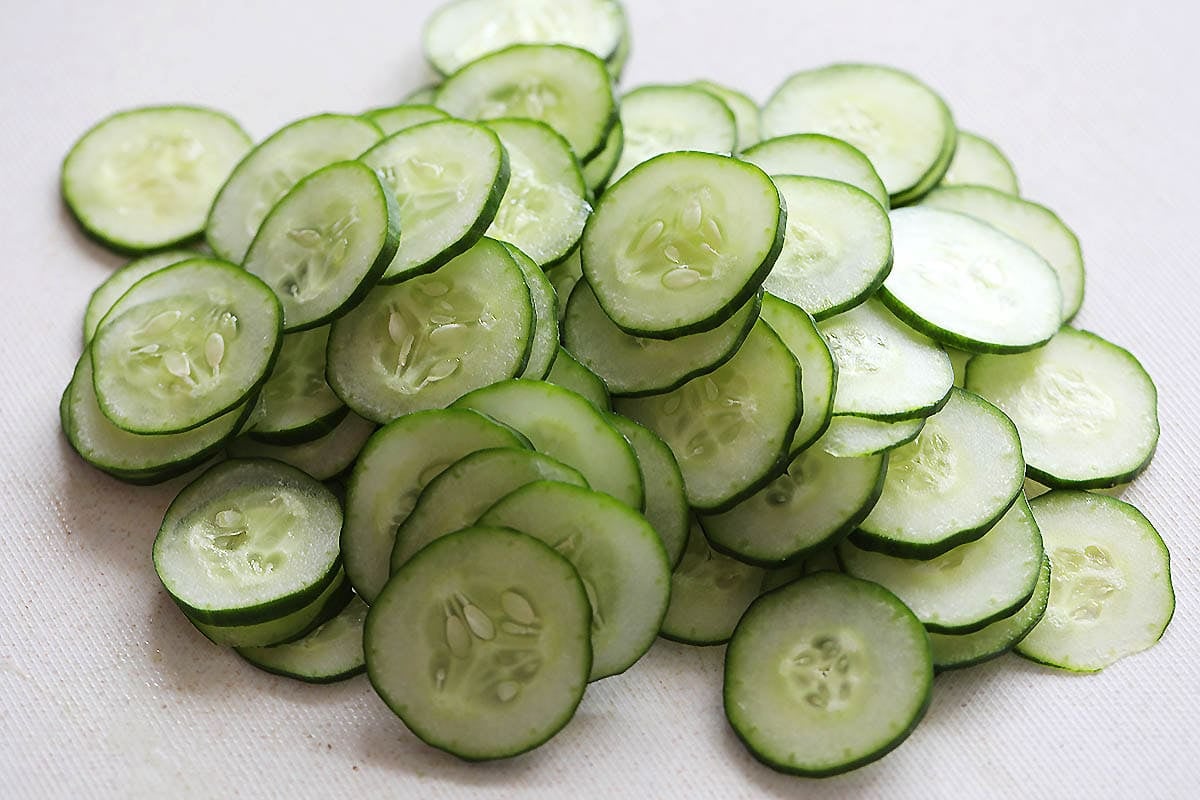
- Preparation and Slicing: Begin by washing the cucumbers thoroughly. Slice them into exceptionally thin, uniform rounds using a sharp knife or a mandoline slicer for consistency.
- The Salting Phase: Transfer the cucumber slices to a mixing bowl and add a precise measurement of salt. Toss thoroughly to ensure every individual piece is evenly coated.
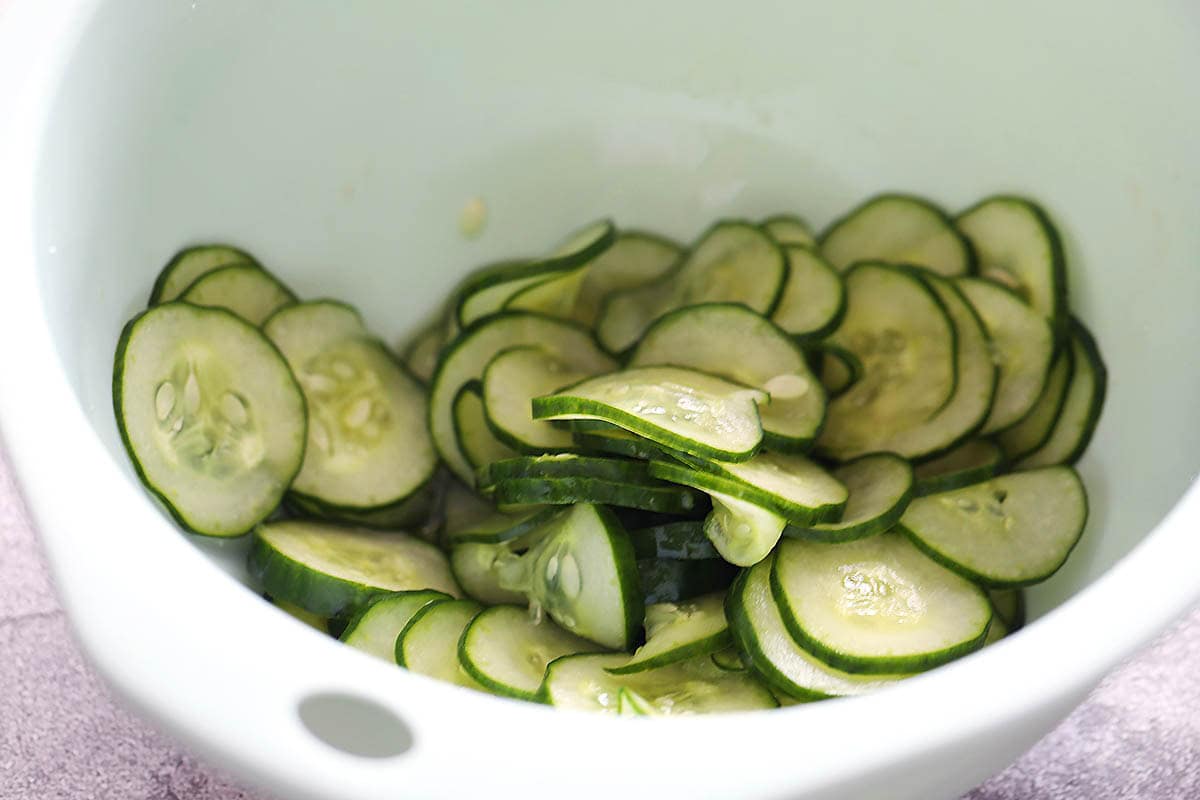
- The Rest Period: Allow the salted cucumber slices to sit undisturbed for 10 minutes. During this window, osmotic action extracts excess moisture, initiating a light natural pickling process.
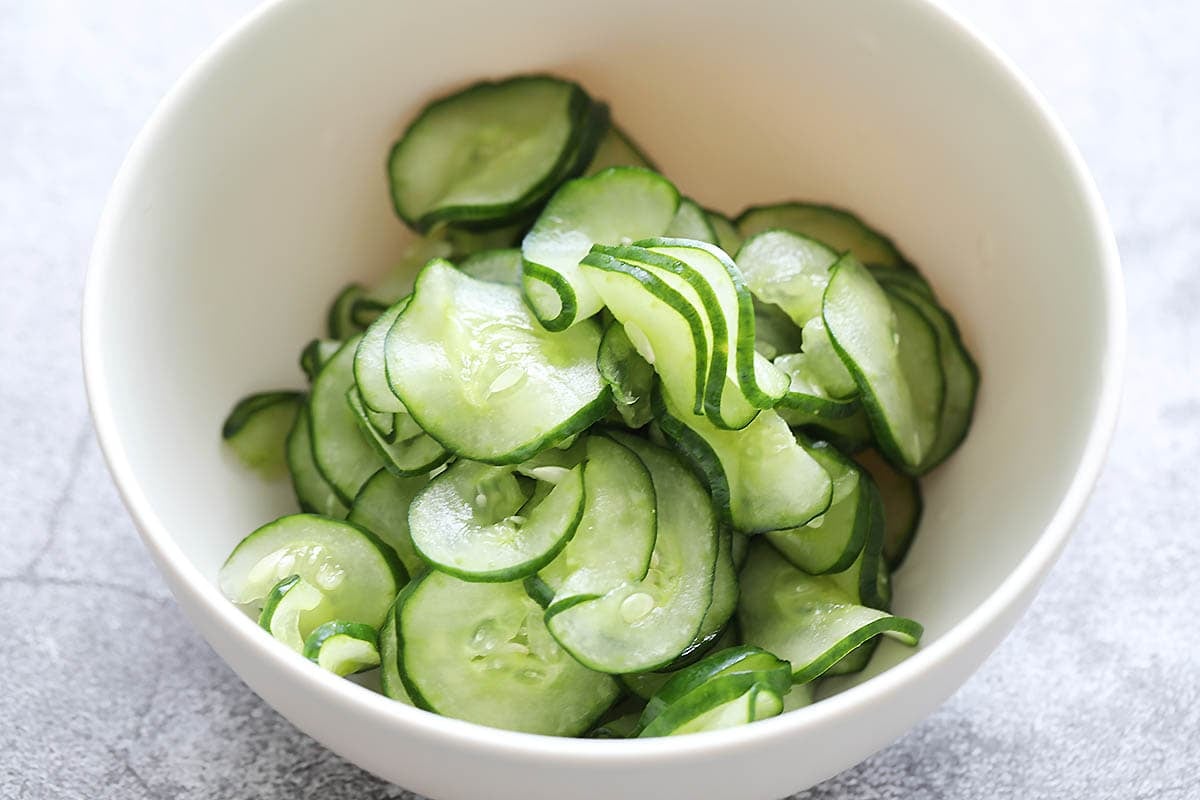
- Moisture Extraction: Gather handfuls of the salted cucumber slices and apply a firm, gentle squeeze. The objective is to expel the accumulated water without crushing or disintegrating the structural integrity of the vegetable rounds.
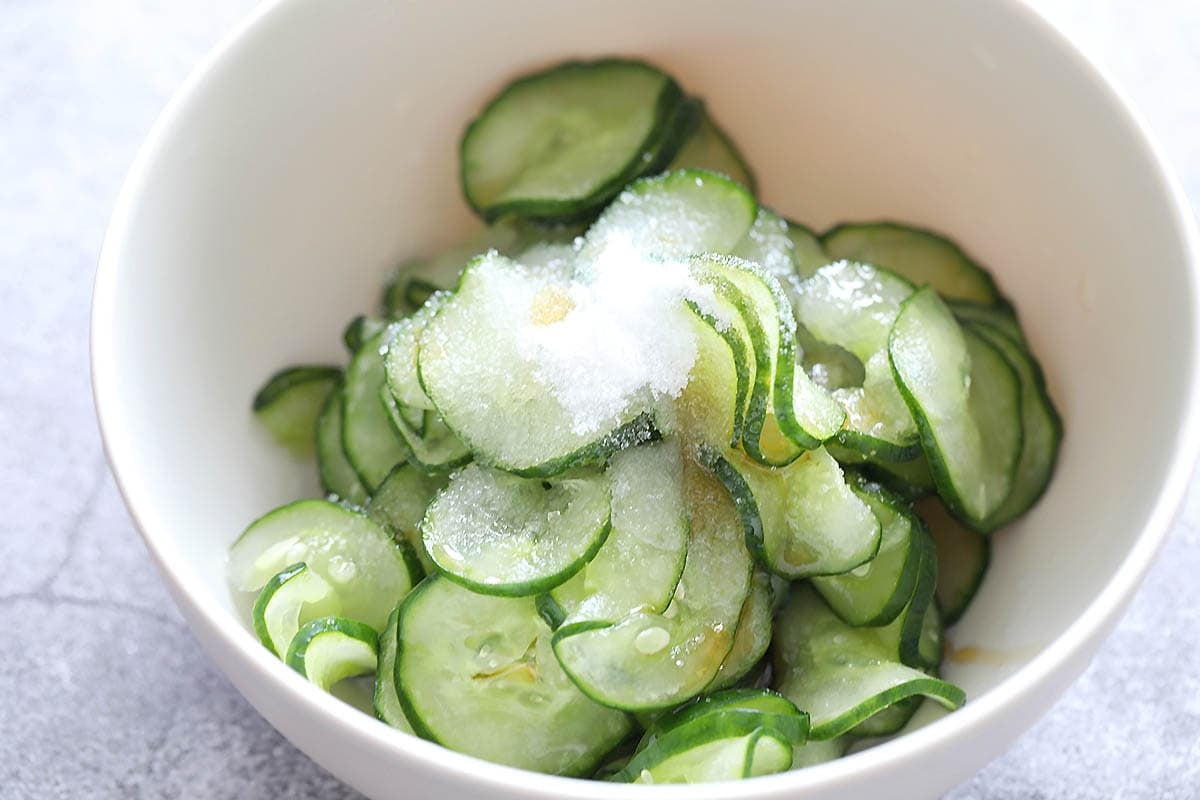
- Dressing and Chilling: Combine the squeezed cucumbers with rice vinegar, granulated white sugar, and a few drops of toasted sesame oil. Stir continuously until the sugar completely dissolves into the liquid. Place the covered bowl in the refrigerator to chill for 10 to 20 minutes, allowing the flavors to meld while ensuring an ice-cold serving temperature.
- Final Garnishing: Immediately prior to serving, crown the dish with black sesame seeds for visual contrast and a subtle textural crunch. Optional toppings, such as shredded kanikama or fresh crab meat, should be added at this final stage to prevent them from absorbing excess liquid and losing their distinct texture.
Nutritional Profile and Dietary Implications
From a nutritional standpoint, Japanese cucumber salad aligns well with modern dietary guidelines emphasizing low-calorie, nutrient-dense side dishes. Standard nutritional analyses indicate that a typical serving contains approximately 56 kilocalories, making it an exceptionally light addition to any meal. The macronutrient breakdown includes roughly 9 grams of carbohydrates, primarily driven by the added sugar in the dressing, alongside minimal protein (1 gram) and fat (2 grams).
Dietitians point out that while the sodium content per serving can register relatively high due to the initial salting phase—averaging over 1,000 milligrams—the vast majority of surface salt is discarded during the moisture-extraction step rather than ingested. Furthermore, the dish provides beneficial trace amounts of dietary fiber, potassium, and vitamins A and C, contributing to a balanced meal when paired with protein-rich main courses like teriyaki salmon, gyoza, or traditional rice bowls.
Broader Culinary Impact and Storage Guidelines
As home cooking trends increasingly favor quick, globally inspired recipes that require minimal active preparation time, dishes like sunomono have gained widespread traction. Food safety and culinary experts emphasize that while component preparation can be executed in advance—such as pre-slicing vegetables or mixing dressing elements separately—the final combination should ideally be consumed within one to two hours to preserve optimal crunch.
Extended refrigeration beyond 24 hours is generally discouraged. While safe for consumption up to two days when stored in an airtight container, prolonged exposure to the acidic dressing inevitably breaks down the cellular structure of the cucumber, resulting in a softened texture. Freezing is entirely unsuitable, as the high water content within raw cucumbers expands upon thawing, collapsing the cell walls and transforming the crisp salad into an unpalatable, watery mixture.
By respecting the underlying chemical processes of moisture extraction and selecting authentic, high-quality pantry staples, home cooks can successfully replicate a cornerstone of Japanese dining, bringing a refreshing, professional-grade side dish from the restaurant table into the domestic kitchen.