Spanish Paprika Chicken: A Study in Mediterranean Culinary Efficiency and Global Flavor Integration

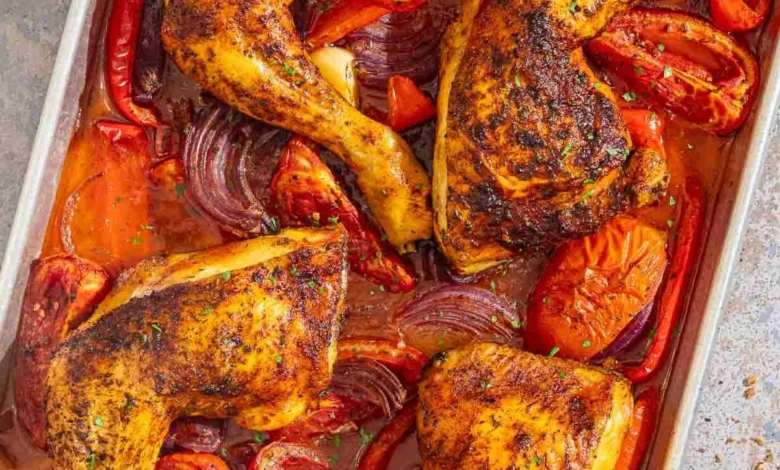
The modern culinary landscape is witnessing a significant shift toward "one-pan" methodologies that prioritize both time-efficiency and the preservation of complex flavor profiles. Central to this evolution is the rising popularity of Spanish-inspired sheet pan dinners, which marry the convenience of contemporary cooking with the ancestral techniques of Iberian cuisine. At the heart of this trend is the use of sofrito—a foundational aromatic base—and high-quality smoked paprika, known in Spain as pimentón. This synthesis of traditional flavor science and modern home-cooking logistics represents a growing segment in the culinary industry, reflecting a consumer demand for meals that offer professional-grade complexity with minimal labor.
The Science of the Sofrito and the Evolution of Sheet Pan Cooking
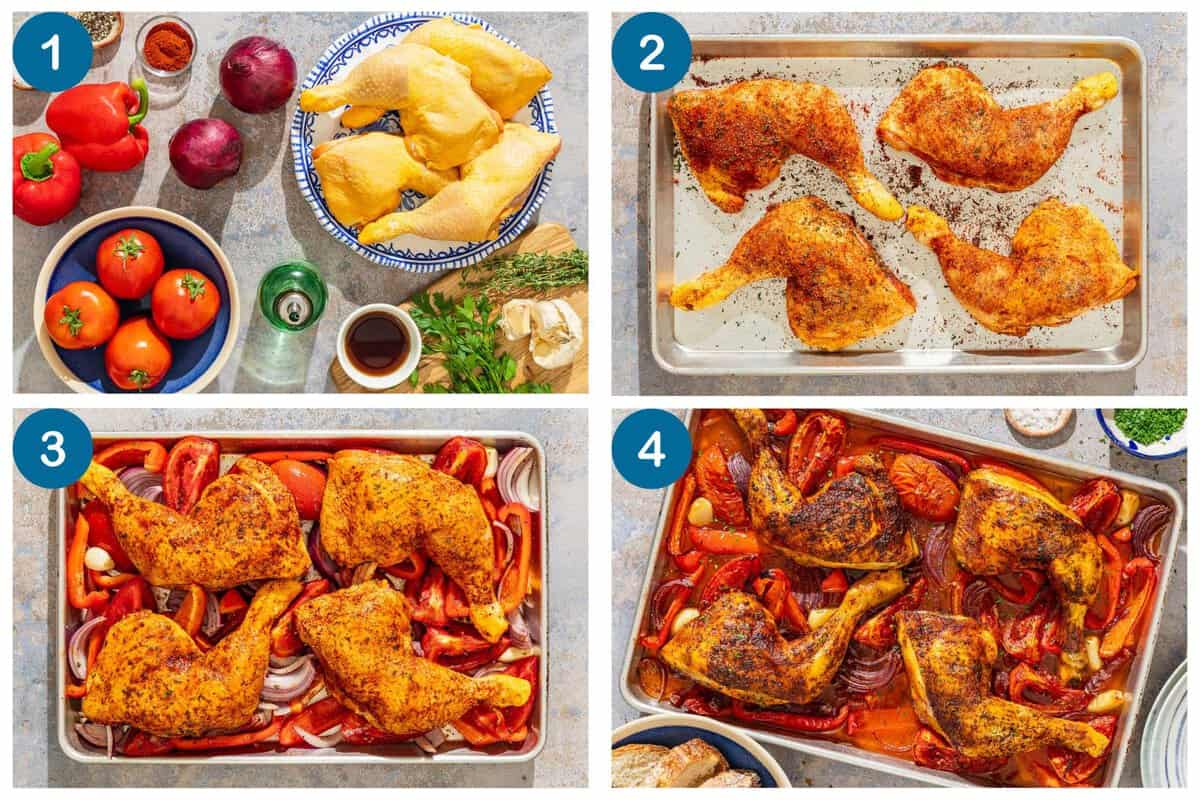
The efficacy of the Spanish paprika chicken model lies in the utilization of the sheet pan as both a cooking vessel and a flavor concentrator. Traditionally, the Spanish sofrito is a slow-cooked, labor-intensive preparation involving the reduction of onions, garlic, tomatoes, and peppers over low heat. This process triggers the Maillard reaction and caramelizes sugars, creating a flavor profile that is deeply savory and slightly sweet.
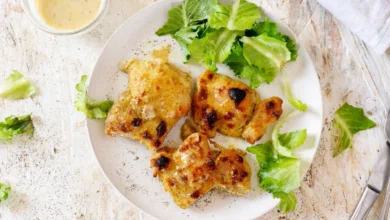
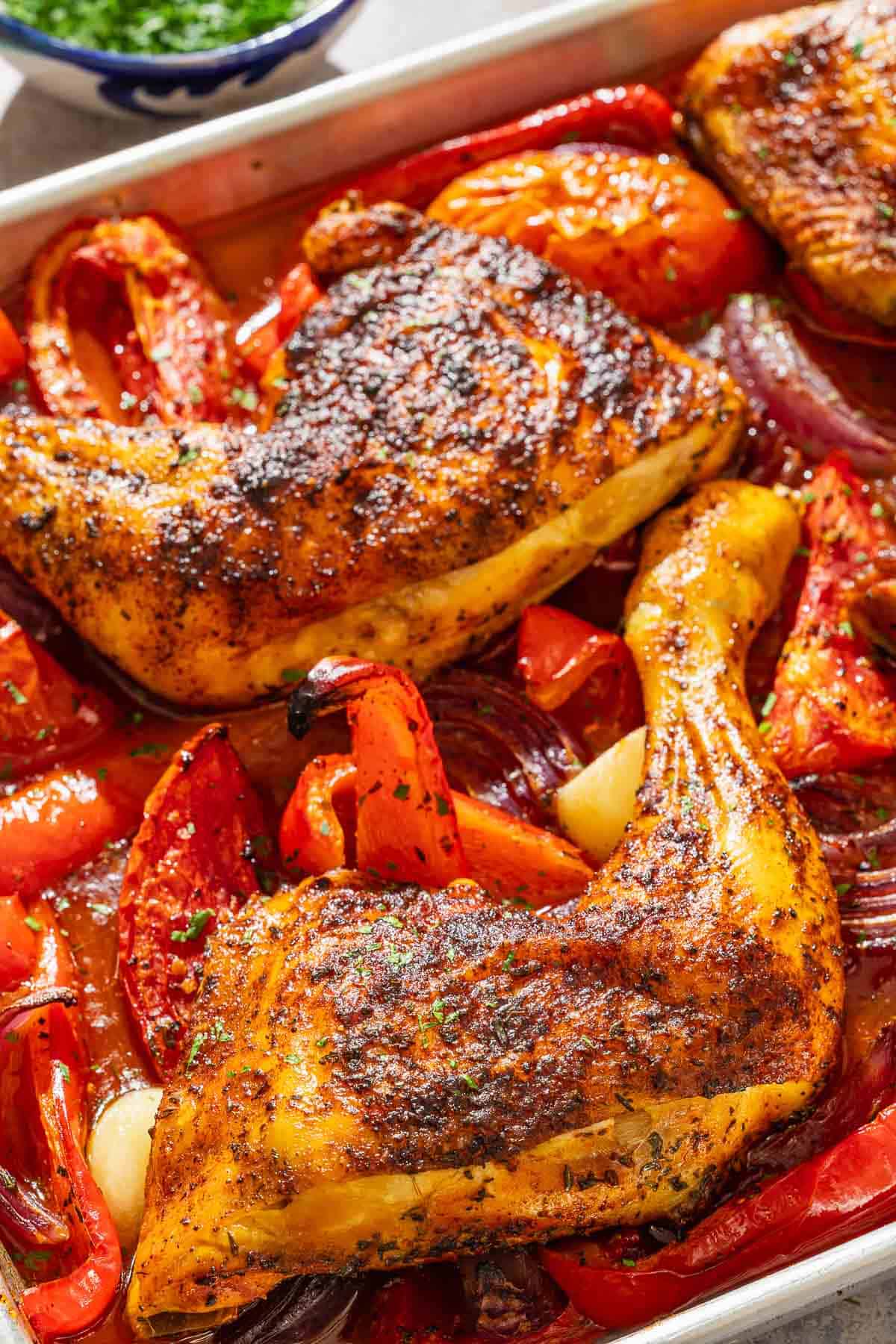
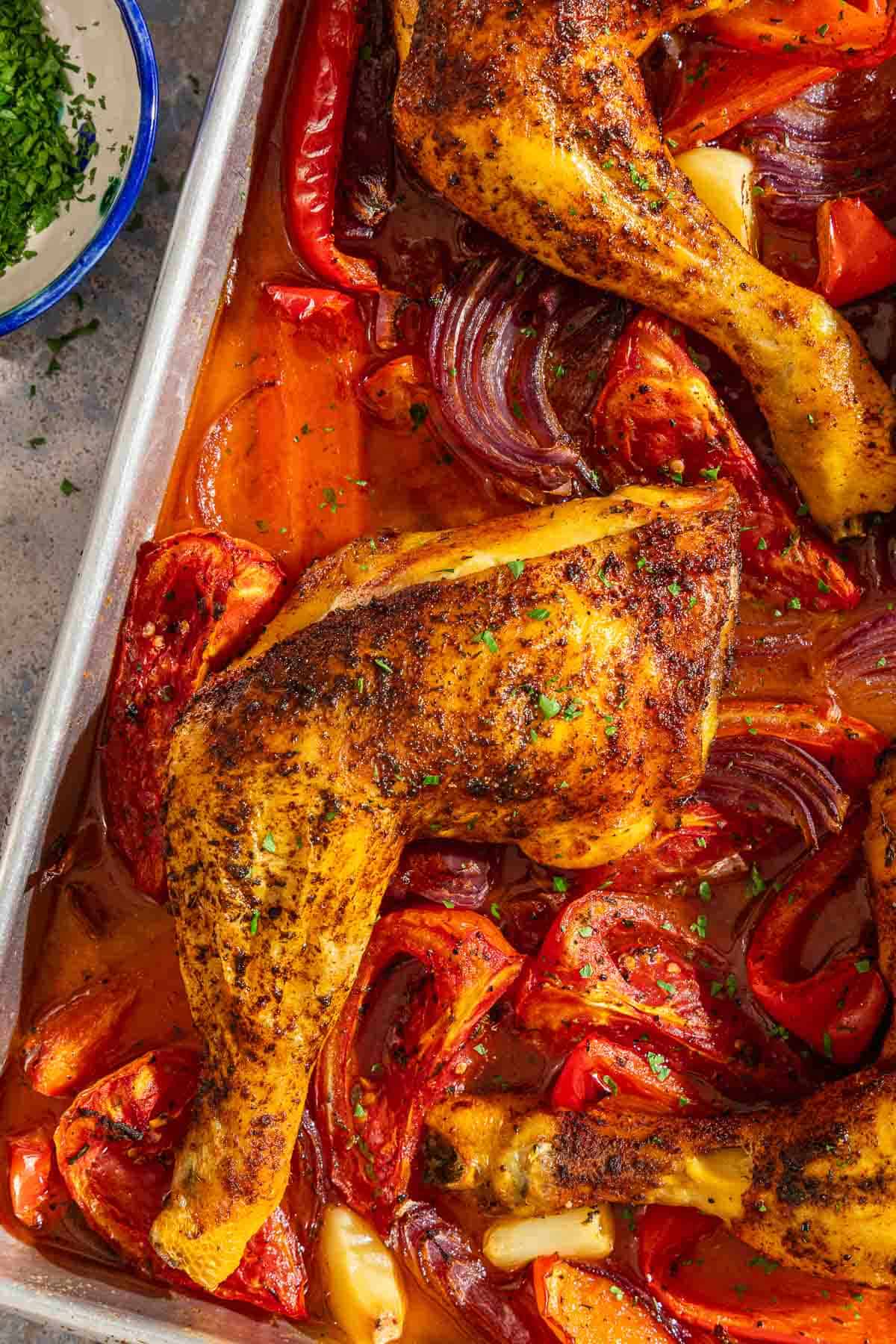
By applying this technique to a sheet pan, home cooks are essentially outsourcing the "slow-cooked" aspect of the dish to the oven’s thermal environment. When chicken legs—chosen for their higher fat content, which prevents the meat from drying out during the high-heat roasting process—are placed alongside the aromatics, the rendered chicken fat mingles with the vegetable juices. The result is an effortless, emulsified pan sauce that requires no additional thickeners or deglazing. Culinary analysts note that this "passive cooking" method mimics the results of traditional braising while significantly reducing active kitchen time, fitting the demands of the modern household.
Chronology and Cultural Significance of Pimentón
To understand the profile of this dish, one must examine the origins and the supply chain of its most critical component: pimentón. The integration of peppers into Spanish cuisine began in the 16th century following their introduction from the Americas. Over the ensuing centuries, the regions of La Vera and Murcia developed specialized methods for processing these peppers, specifically through smoke-drying.
The timeline of the current production cycle is precise: the harvest typically begins in October and concludes in February. During these months, the peppers are placed in drying sheds where they are exposed to the smoke of holm oak or oak wood for several days. This process, known as ahumado, is distinct from the air-drying methods used in other regions of the world.
Current market data indicates that high-quality pimentón is increasingly becoming a pantry staple in North American and European kitchens, with a year-over-year growth in demand for artisanal, single-origin spices. This trend is driven by an increased consumer awareness regarding the nuances of spice quality—moving beyond generic, supermarket-grade paprika toward regionally protected products such as Pimentón de la Vera.
Ingredient Spotlight: The Role of Smoked Paprika in Modern Nutrition
While flavor is the primary driver for the adoption of Spanish paprika, nutritional profiles of the dish are also noteworthy. Smoked paprika is rich in carotenoids and vitamin A, which serve as potent antioxidants. When combined with the high protein content of chicken legs and the fiber-dense vegetables typical of a sofrito (onions, peppers, and tomatoes), the dish provides a balanced macro-nutrient profile.
Based on standard nutritional analyses, a typical serving of this dish—assuming an average portion of one chicken leg and a generous serving of roasted vegetables—contains approximately 404 calories. It offers a balanced ratio of 23.6g of protein and 28.2g of fat, with a significant fiber content of 4g per serving. Furthermore, the inclusion of fresh garlic and peppers contributes substantial levels of Vitamin C, adding a nutritional benefit that is often absent in traditional, starch-heavy one-pan meals.
Economic and Logistical Implications for the Home Cook
The rise of the sheet pan dinner is not merely a stylistic trend; it is an economic response to the rising costs of restaurant dining and the premium placed on time. By concentrating the flavor in a single vessel, the recipe reduces the need for multiple cooking appliances, thereby lowering energy consumption.
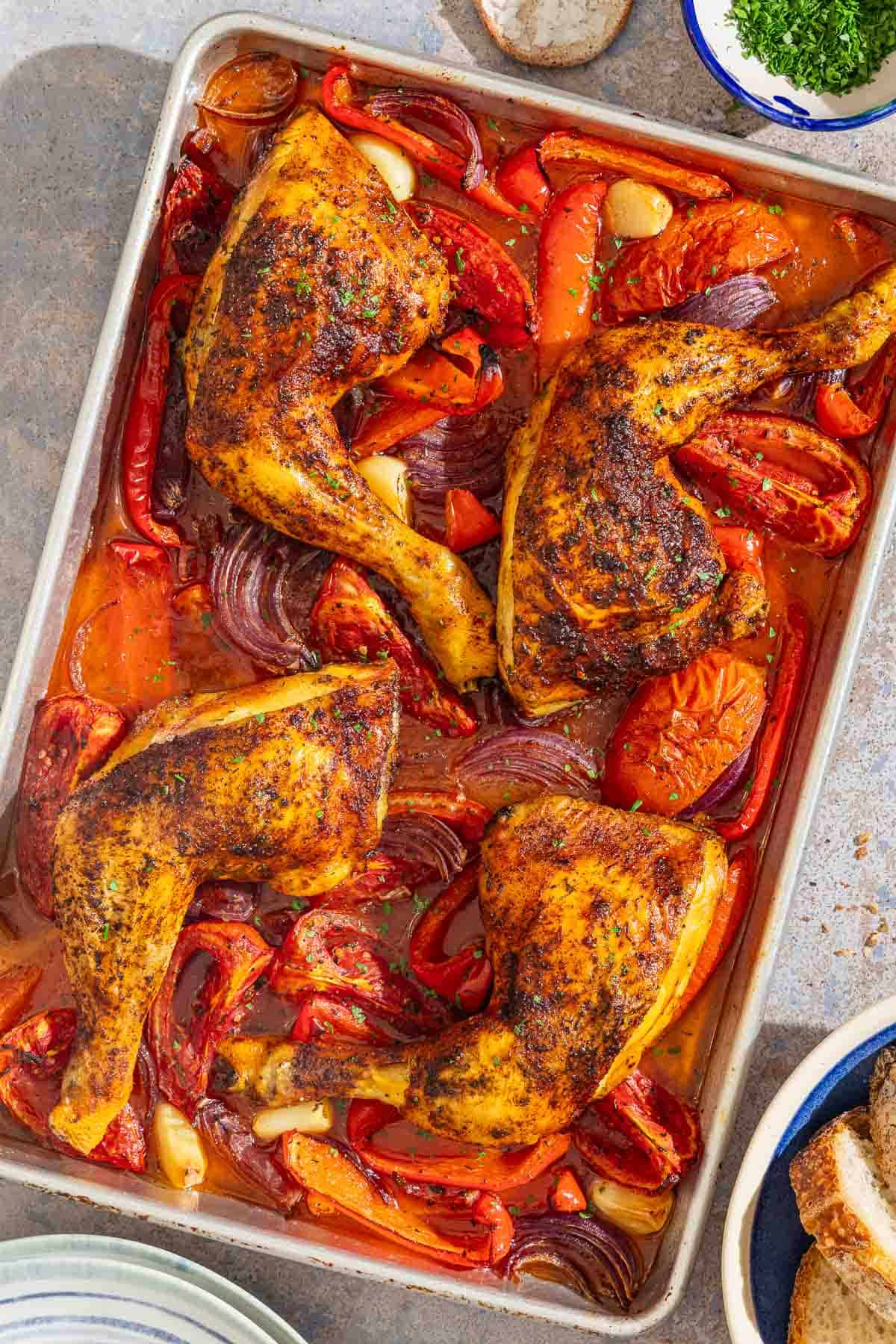
From a procurement perspective, the ingredients—chicken, onions, tomatoes, peppers, and spices—are highly accessible, showing relative price stability compared to more niche protein sources. This makes the dish an ideal case study for "low-cost, high-impact" cooking. Chefs and food technologists suggest that the key to mastering this dish lies in the spatial arrangement of the ingredients. By ensuring the vegetables are not overcrowded, the cook facilitates roasting rather than steaming, which is vital for achieving the "sweet" char that characterizes authentic Spanish-style roasted dishes.
Expert Perspectives and Culinary Adaptability
Culinary educators often emphasize that the beauty of this preparation lies in its inherent adaptability. While the base recipe calls for specific vegetables, the sofrito method is flexible. Whether adding zucchini, potatoes, or various types of peppers, the fundamental chemistry remains the same: the interaction between the heat-stable smoke of the paprika and the sugars released by the vegetables.
Market research from leading culinary publications confirms that home cooks are increasingly seeking "modular" recipes—instructions that provide a foundational structure while allowing for ingredient swaps based on seasonality. This paprika chicken recipe serves as a template for such modularity. For instance, the transition from summer peppers to autumn-harvested root vegetables allows for the dish to be prepared year-round without losing its fundamental character.
Broader Impact: The Globalization of Regional Techniques
The success of the Spanish paprika chicken recipe is indicative of a broader trend: the "democratization" of complex regional techniques. By stripping away the need for advanced culinary training, this dish allows the home cook to achieve results that were once restricted to the professional kitchen.
The implications for the food industry are significant. As consumers continue to prioritize authenticity, there is a clear opportunity for retailers to educate the public on the differences between varieties of paprika—dulce (sweet), agridulce (bittersweet), and picante (spicy). This educational aspect is crucial for the ongoing success of international cuisines in domestic settings.
Furthermore, the popularity of such recipes supports the global supply chain for high-quality spices, encouraging sustainable agricultural practices in the protected growing regions of Spain. As more households adopt these "slow-cooking" methods that utilize modern ovens, the cultural exchange between Spain and the rest of the world continues to deepen, rooted in the shared language of flavor.
Conclusion: Future Outlook
As we look toward the future of home cooking, the emphasis will likely remain on dishes that offer maximum return on effort. The Spanish paprika chicken, with its reliance on the timeless, smoky allure of pimentón and the rustic reliability of the sofrito, stands as a testament to the longevity of Mediterranean culinary traditions. By embracing the principles of high-quality ingredient sourcing and the efficient use of heat, the home cook can continue to replicate the depth and complexity of a Spanish kitchen, ensuring that this classic approach remains a cornerstone of the modern dinner table for years to come. Through the lens of this simple, one-pan meal, we see the convergence of geography, history, and modern convenience—a truly global dish for a global audience.