The Definitive Guide to Seasonal Halloween Baking and Party Hosting Strategies for the Modern Kitchen

The annual transition into October signifies a substantial shift in consumer culinary habits, as households move away from summer fare toward harvest-themed ingredients and festive, occasion-based baking. Data from the National Confectioners Association consistently indicates that chocolate and sugar-based confections see a dramatic spike in sales during the weeks leading up to October 31. This surge in demand necessitates a strategic approach for home bakers and event planners, who must balance labor-intensive projects with the logistical constraints of modern life.
The Evolution of the Seasonal Baking Timeline
Professional bakers and culinary experts suggest that the most efficient way to manage the month of October is to categorize recipes based on time investment, ingredient utility, and storage capacity. Historically, October baking is divided into three distinct phases: the preparation phase (early October), the experimentation phase (mid-October), and the high-output production phase (the final week).
The preparation phase focuses on shelf-stable items and foundational recipes, such as pumpkin-based loaves and apple-infused breads. These items utilize seasonal produce, which reaches peak availability in early autumn. By mid-month, the culinary focus typically shifts toward decorative sugar cookies and labor-intensive yeast-based doughs. The final week of October requires the highest efficiency, often characterized by the repurposing of leftover candy and the use of rapid-assembly techniques, such as no-bake desserts and enhanced pre-packaged mixes.
Managing the Surplus: The Economic Utility of Leftover Confectionery
One of the most persistent challenges for party hosts is the management of post-event confectionery surplus. Market analysis shows that approximately 60% of households report having significant quantities of leftover Halloween candy by November 1. Culinary professionals recommend integrating these items into "re-baking" strategies rather than discarding them.
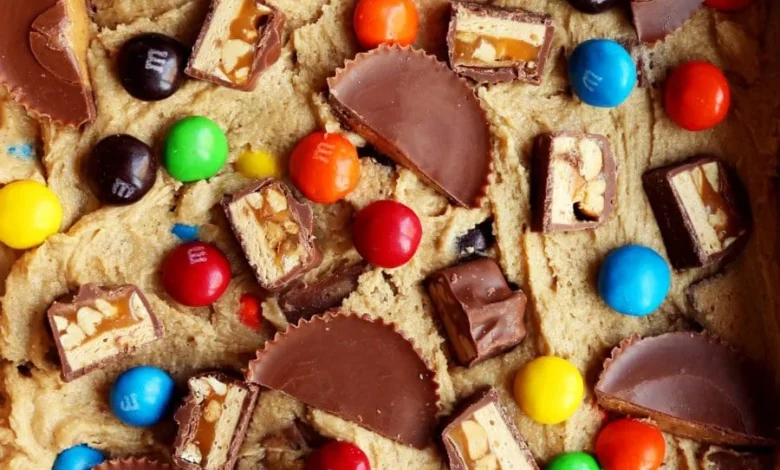
Blondies and brownies represent the most efficient vessels for leftover candy. By incorporating chopped chocolate bars, caramels, or peanut-based treats into a standard butterscotch or brownie batter, bakers can neutralize the surplus while creating a distinct, high-value dessert. This practice not only minimizes food waste but also serves as a cost-effective method for sustaining party inventory. Browned butter, when added to these bases, provides a depth of flavor that contrasts well with the high sugar content of processed candy, effectively balancing the profile of the final product.

No-Bake Solutions and Rapid Production Techniques
For events where time is limited, the adoption of no-bake, stovetop, or rapid-assembly recipes is essential. Culinary experts emphasize that the use of cereals, such as rice-based crispies, combined with seasonal additives like salted peanuts and candy corn, provides a high-reward, low-effort alternative to traditional oven-based baking.
Data regarding kitchen productivity indicates that recipes requiring ten minutes of active preparation—such as peanut butter-based spheres or cereal-based treats—allow hosts to allocate more time to logistical event planning. These items are favored in professional catering for their portability and ease of service, as they require no precise temperature control or complex plating.
The Role of Pumpkin and Apple in Seasonal Flavor Profiles
The dominance of pumpkin and apple as primary flavor profiles in October is supported by extensive consumer preference research. Pumpkin bread, particularly when supplemented with walnuts or other textured inclusions, serves as a staple for large-scale gatherings. Because these loaves can be baked in advance and frozen, they provide a reliable logistical buffer for event planners.

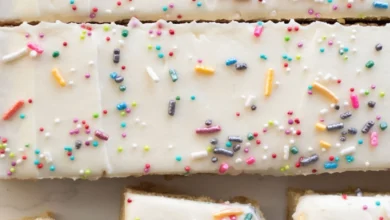
Similarly, the transition from pumpkin to apple-based sheet cakes and kolaches represents a shift toward more complex, fruit-forward profiles. The use of Texas-style sheet cakes is particularly noted for its scalability; a single sheet cake can provide upwards of 30 servings, making it an optimal choice for high-attendance functions. Unlike tiered cakes, sheet cakes provide a flat surface that is easier to transport, a critical factor for home bakers operating under strict time constraints.
Professional Standards for Event Hosting
When hosting an event of significant size, culinary authorities advocate for a mix of "showpiece" items and "utility" desserts. A showpiece, such as homemade yeasted doughnuts, provides a high-quality, artisanal centerpiece that commands attention. However, these require significant labor and precision, necessitating a 24-hour lead time for proofing and frying.
To offset this, hosts are advised to include "utility" desserts—such as cookies and cream brownies or standard sugar cookies—that require minimal effort but provide consistent quality. This strategy ensures that even if the more complex project faces technical difficulties, the overall menu remains viable.

Analysis: The Impact of Consumer Baking Trends
The current trend toward "scratch-made" items modified by high-efficiency shortcuts reflects a broader shift in domestic labor. With limited time available for complex pastry work, many modern bakers are utilizing high-quality boxed bases and applying advanced finishing techniques, such as custom icing or unique flavor combinations, to differentiate their offerings.
This hybrid approach—combining foundational baking skills with modern convenience—is a direct response to the heightened expectations of social media-driven event culture. The aesthetic appeal of items like spider-web sugar cookies (created by dragging a toothpick through wet icing) demonstrates that high-visual impact can be achieved through simple, low-cost mechanical techniques rather than expensive professional equipment.
Summary of Tactical Recommendations
For the modern host, the optimal approach to October baking is structured as follows:

- Preparation (Weeks 1-2): Focus on long-lead items like yeasted doughs or frozen-ready loaves (e.g., pumpkin bread).
- Execution (Week 3): Utilize decorative techniques for sugar cookies, focusing on simple, repeatable designs.
- Efficiency (Week 4): Transition to no-bake recipes and leftover-candy repurposing to maximize resources.
- Scaling: Utilize sheet cakes for large crowds to ensure uniform quality and ease of transport.
By treating the Halloween season as a controlled logistical operation rather than an ad-hoc series of tasks, home bakers can achieve professional-grade results. The successful host balances the desire for festive, thematic presentation with the objective reality of their available time and energy, ensuring that the culinary output remains a source of celebration rather than a logistical burden. As the culinary industry continues to emphasize "elevated comfort," these foundational methods provide a reliable framework for successful seasonal entertaining in any domestic setting.