The Great Soy Reclamation: Why America’s Original Plant-Based Milk Deserves a Place Back on the Menu

The modern specialty coffee landscape has undergone a sweeping transformation over the past decade. Walk into nearly any trendy urban café today, and you will find an extensive roster of alternative dairy options: creamy oat milk dominating the barista bar, almond milk holding steady as a lighter staple, and newer innovations like pea-protein blends making steady inroads. Yet, noticeably absent from many of these menus is a once-ubiquitous pioneer: traditional soy milk. The quiet disappearance of soy from café menus has not gone unnoticed. Across social media platforms, a vocal countermovement has begun to take shape. TikTok creators and culinary purists alike have taken to short-form video reels to voice their frustration, declaring the bean-based beverage supreme and demanding justice for a beverage that laid the groundwork for the modern plant-based movement.
This consumer pushback highlights a broader cultural and nutritional paradox. While plant-based eating has surged to unprecedented popularity, soy—arguably the most historically reliable, nutrient-dense, and sustainable plant protein available—has been unfairly marginalized. Labeled by internet skeptics as a chemical-laden hormone disruptor, lumped indiscriminately into the growing public backlash against ultraprocessed foods, and dismissed due to outdated dietary myths, the soybean has suffered from a profound public relations crisis. To understand how one of the world’s most versatile crops fell out of favor in certain culinary circles, one must examine the complex interplay of agricultural economics, shifting consumer trends, global supply chains, and decades of persistent nutritional misinformation.
The Chronology of Soy: From Ancient Staple to Modern Commodity
To trace the trajectory of the soybean is to witness the evolution of global agriculture. Cultivated in East Asia for millennia, soybeans were traditionally consumed in minimally processed forms such as edamame, tofu, tempeh, and fermented pastes. When soy first made significant inroads into Western health-food markets in the mid-to-late 20th century, it was championed primarily as a wholesome, cholesterol-free alternative to animal products.
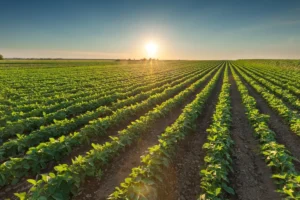
However, as industrial agriculture scaled up production to meet surging global demands, the soybean split into two distinct paths: commodity soy and food-grade specialty soy. Today, the United States produces roughly 240 billion pounds of soybeans annually. The vast majority of this massive yield is classified as commodity soy, genetically engineered for high yields and herbicide resistance. Rather than ending up on dinner plates as tofu or soy milk, the lion’s share of commodity soy is diverted to animal feed—primarily poultry, pork, and beef—as well as industrial biofuels and refined food ingredients. Meanwhile, the soybeans designated for direct human consumption—such as the organic and non-GMO varieties used to manufacture traditional Asian foods and premium soy milk—represent a carefully managed, specialty supply chain. This foundational distinction is frequently lost in public discourse, where the well-documented environmental criticisms of industrial commodity farming are routinely projected onto wholesome soy-based foods.
Environmental Realities: Commodity Production Versus Direct Human Consumption
Critics of soy frequently point to its environmental footprint, citing deforestation in South America and the heavy use of agricultural chemicals. Environmental watchdogs have long documented how the explosive global demand for soybeans has fueled the conversion of biodiverse, carbon-storing landscapes—particularly in Brazil’s Amazon rainforest and Cerrado regions—into sprawling agricultural monocultures.
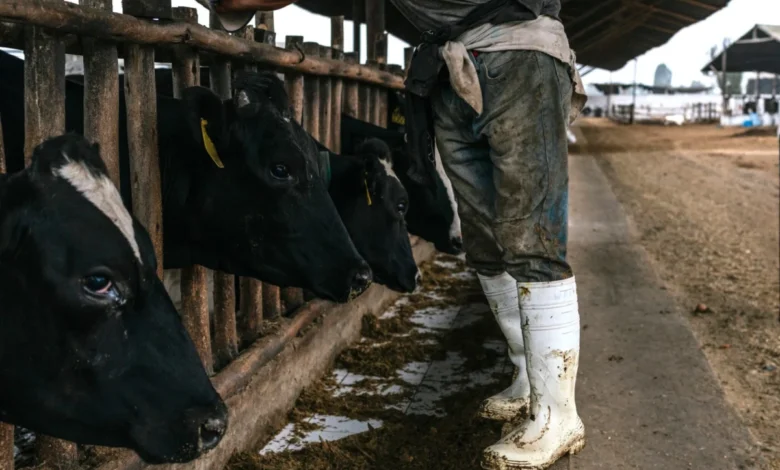
However, agricultural analysts and food system experts emphasize that this environmental pressure is driven almost entirely by two massive global appetites: meat production and biodiesel mandates. As populations in developing and developed nations alike consume greater quantities of animal protein, the demand for feed crops like soy escalates in tandem. Furthermore, government policies aimed at lowering greenhouse gas emissions through renewable fuel standards have incentivized the production of biodiesel derived from soybean oil. Recent analyses of U.S. and international biofuel targets indicate that domestic production often falls short of statutory goals, necessitating imports that inadvertently drive deforestation abroad.
Crucially, eating soy directly as a human food source operates on an entirely different thermodynamic scale. Soybeans function as a remarkably efficient biological technology capable of converting sunlight, soil nutrients, and water into dense plant protein. When those same soybeans are routed through livestock, that metabolic efficiency is severely degraded; animals consume vast amounts of feed to produce relatively small yields of meat. Consequently, when consumers choose soy-based foods over animal protein, they are not only reducing their personal carbon footprint, but they also lower the aggregate global demand for intensive soybean cultivation.
Deconstructing the Myths: Nutrition, Hormones, and the "Soyboy" Phenomenon
Despite its impressive nutritional profile, soy has been subjected to a barrage of unscientific health claims. Internet subcultures have popularized derogatory terms like "soyboy" to describe men who consume plant-based diets, invoking the trope that phytoestrogens found in soybeans can "feminize" the male body, disrupt endocrine function, cause gynecomastia, or lead to fertility issues.
Nutritional scientists and medical researchers have repeatedly debunked these assertions. The confusion stems from the presence of isoflavones—a type of phytoestrogen naturally occurring in legumes—which share a structural similarity to human estrogen. However, scientific consensus demonstrates that isoflavones are vastly weaker than endogenous human hormones. Furthermore, human digestive and metabolic processes do not absorb and utilize phytoestrogens in a manner that allows them to mimic or replace actual estrogen.
Extensive peer-reviewed clinical studies have found no credible evidence linking moderate or even high levels of dietary soy consumption to sexual dysfunction, lowered libido, or abnormal breast tissue development in men. Similarly, comprehensive health evaluations by organizations such as the American Cancer Society and major endocrinology associations have confirmed that soy intake does not increase the risk of breast cancer in women—and may, in fact, offer protective benefits or assist in reducing cancer recurrence rates. Beyond safety, soy stands out as a nutritional powerhouse: it is one of the few plant-based sources recognized as a complete protein, supplying every essential amino acid required for human tissue maintenance in a single food source.
Guilt by Association: Soy and Ultraprocessed Foods
If whole and minimally processed soy foods offer such clear health and environmental benefits, why does public skepticism persist? The answer largely lies in the complex world of industrial food manufacturing.
During the processing of commodity soybeans, manufacturers separate the protein-rich meal—primarily utilized for animal feed—from the extracted oil. This refining process yields various industrial byproducts and specialized ingredients, including soybean oil, soy lecithin, soy protein isolate, and hydrolyzed vegetable proteins. These refined fractions are prized by the food science industry for their low cost and remarkable versatility. They are routinely incorporated into ultraprocessed foods (UPFs) such as commercial baked goods, snack chips, instant meals, and mass-market protein bars to manipulate texture, enhance flavor profiles, and extend shelf life.
As public health warnings regarding ultraprocessed foods mount, consumers have increasingly associated soy with the perceived evils of the modern industrial food supply. Yet, food safety and nutrition experts argue that this represents a classic case of guilt by association. The adverse health outcomes linked to ultraprocessed foods stem from their formulation for hyper-palatability and overconsumption, alongside the inclusion of numerous synthetic additives—not from the chemical nature of soy itself. Blaming soy for the nutritional shortcomings of an ultraprocessed snack is akin to blaming wheat for the health effects of a highly refined, sugar-laden pastry.
Industry Response and the Path Forward
As consumer advocates, baristas, and culinary traditionalists push back against the marginalization of soy, food service operators are beginning to reevaluate their beverage lineups. While oat milk continues to enjoy strong consumer preference due to its neutral flavor profile and smooth steaming capabilities, industry insiders suggest that consumer fatigue with homogenous menus may open the door for a dairy-free renaissance. Specialty coffee shops that pride themselves on inclusivity are discovering that loyal dairy-free customers often prefer the nutty flavor profile and superior protein content of traditional soy milk over trendier alternatives.
Public health advocates argue that overcoming the lingering stigma surrounding soy requires a return to culinary basics. By pivoting away from heavily processed commodity derivatives and embracing traditional preparations—such as organic soy milk, artisan tofu, tempeh, and fresh edamame—consumers can tap into a sustainable, nutrient-dense food source that has nourished human populations for centuries. As scientific literacy improves and unscientific dietary myths are systematically dismantled, the soybean is well-positioned to reclaim its rightful place as a cornerstone of modern, health-conscious, and environmentally responsible eating.