Daube Provençale: A Culinary Exploration of Mediterranean Beef Stew Traditions

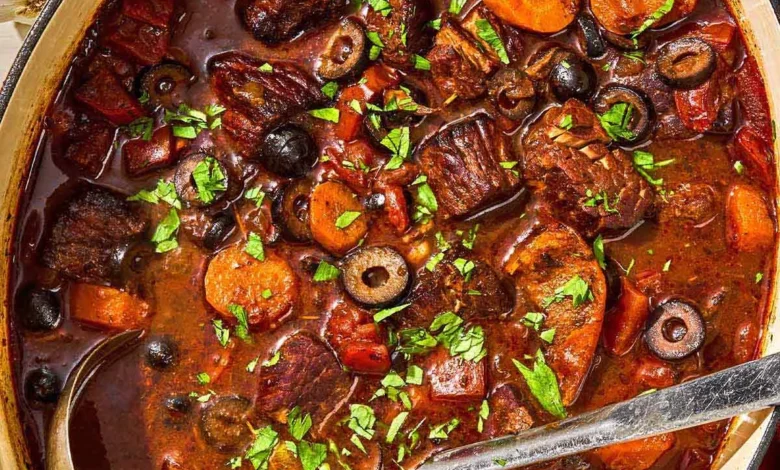
Daube Provençale is a cornerstone of Southern French gastronomy, representing a distinct regional departure from the more globally recognized Boeuf Bourguignon of the north. While the latter is defined by its heavy reliance on red wine, bacon, and butter, the Provençal version—or daube—reflects the agricultural and climatic realities of the Mediterranean basin. By prioritizing ingredients such as olive oil, citrus zest, tomatoes, and briny olives, this dish offers a lighter, more aromatic profile that has become a defining feature of the culinary identity of Marseille and the wider Provence region.
Historical and Regional Context
The etymology of the dish is rooted in the daubière, a specialized, thick-walled cooking vessel traditionally crafted from earthenware or cast iron. Designed with a tight-fitting lid, the daubière allows for the slow, uniform distribution of heat, which is essential for breaking down the connective tissues in the beef cuts typically used in regional stews, such as chuck or brisket. Historically, the daubière served a dual purpose: it was a functional tool for the slow-cooking of cheaper, tougher cuts of meat and a symbol of household hospitality.
In the mid-20th century, the dish gained wider recognition as French regional cuisine transitioned from localized farmhouse staples to national icons. Unlike the Burgundian method, which incorporates lardons and butter to create a rich, velvety mouthfeel, the Provençal approach emphasizes the brightness of the region’s harvest. The inclusion of ingredients like orange zest and black olives serves a functional role, balancing the fat content of the beef and providing a acidic counterpoint to the deep, wine-braised juices.
Comparative Analysis: Daube vs. Bourguignon
From a culinary perspective, the divergence between these two French classics is significant. Analytical comparisons of regional recipes show that while both dishes utilize red wine as a base, the aromatics differ markedly.
- Fat Source: Bourguignon relies on animal fats (bacon/lardons); Daube utilizes high-quality olive oil.
- Aromatics: Bourguignon utilizes mushrooms, pearl onions, and thyme; Daube incorporates Mediterranean staples such as Herbes de Provence, citrus zest, and, in some coastal variations, anchovies to deepen the umami profile.
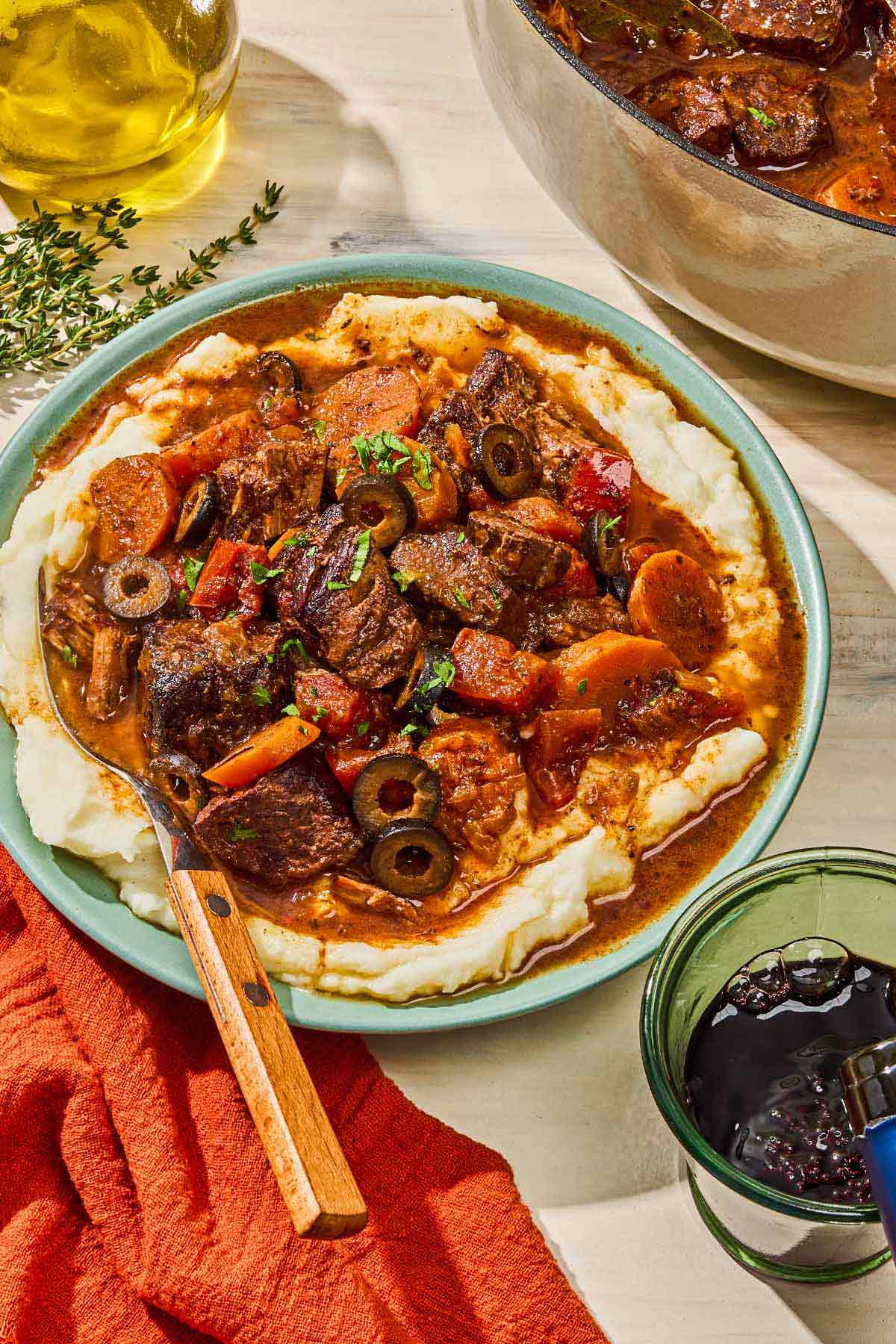
- Composition: The absence of potatoes within the traditional Daube stew suggests that the dish was historically served alongside separate starch components, such as fresh pasta or polenta, allowing the stew to stand as a concentrated flavor source.
Recent culinary data suggests that the "lighter" profile of the Daube makes it increasingly popular in contemporary European diets, where there is a marked preference for dishes that minimize saturated animal fats in favor of plant-based oils and high-acidity ingredients.
The Chronology of Preparation
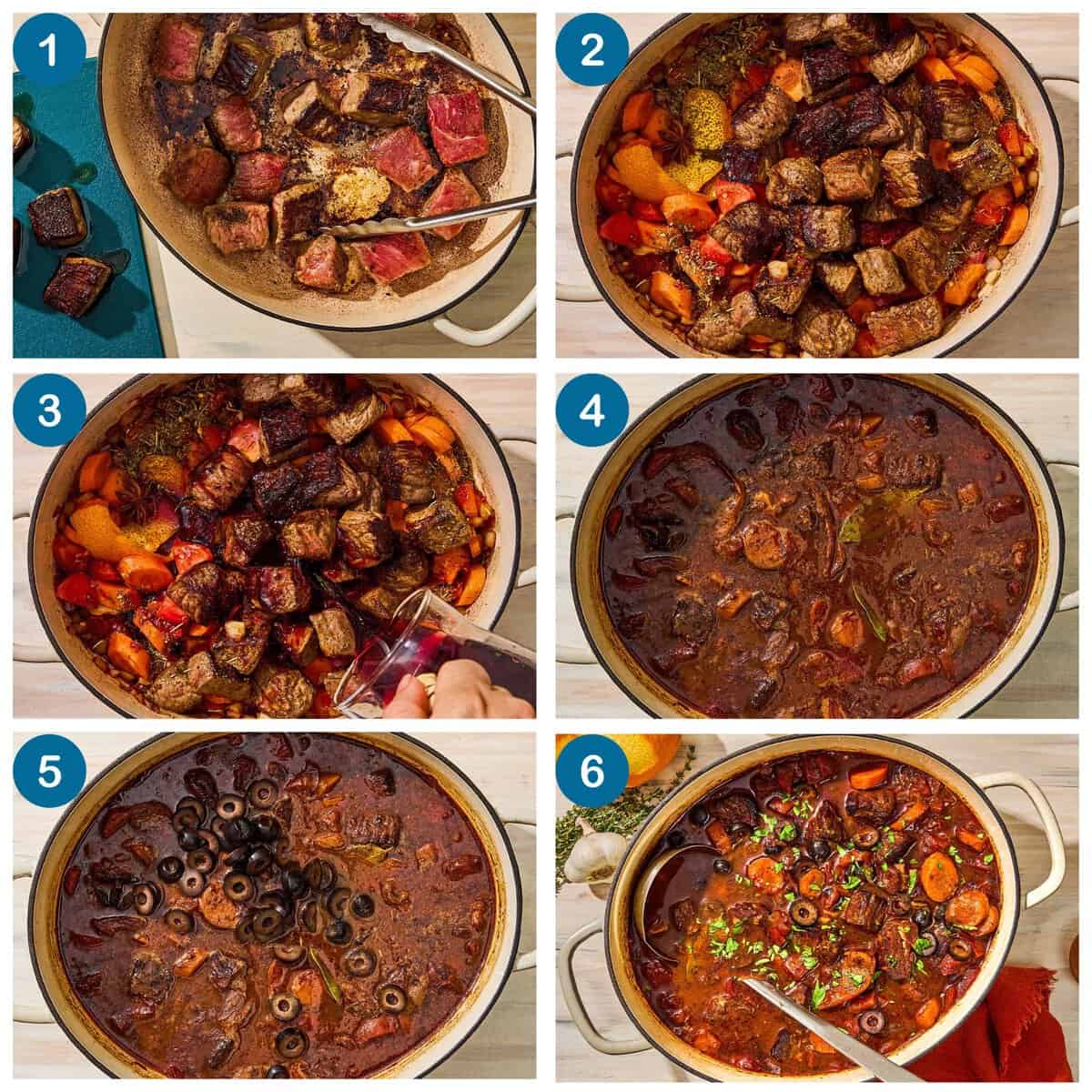
Modern preparation of the dish typically follows a multi-stage process designed to maximize flavor development. While variations exist, the standard culinary timeline remains consistent across professional and domestic kitchens in Southern France:
- Preparation (Day 1): The beef is cut into uniform chunks and marinated in a robust red wine, often blended with garlic, onions, and aromatics. This process, which can last up to 24 hours, is essential for tenderizing the meat.
- Searing (Day 2): The meat is removed, dried, and browned in high-quality olive oil. This Maillard reaction is critical for the depth of the final sauce.
- Deglazing and Aromatics: The base vegetables—onions, carrots, and celery—are sautéed until soft, followed by the addition of tomatoes and the reserved wine marinade.
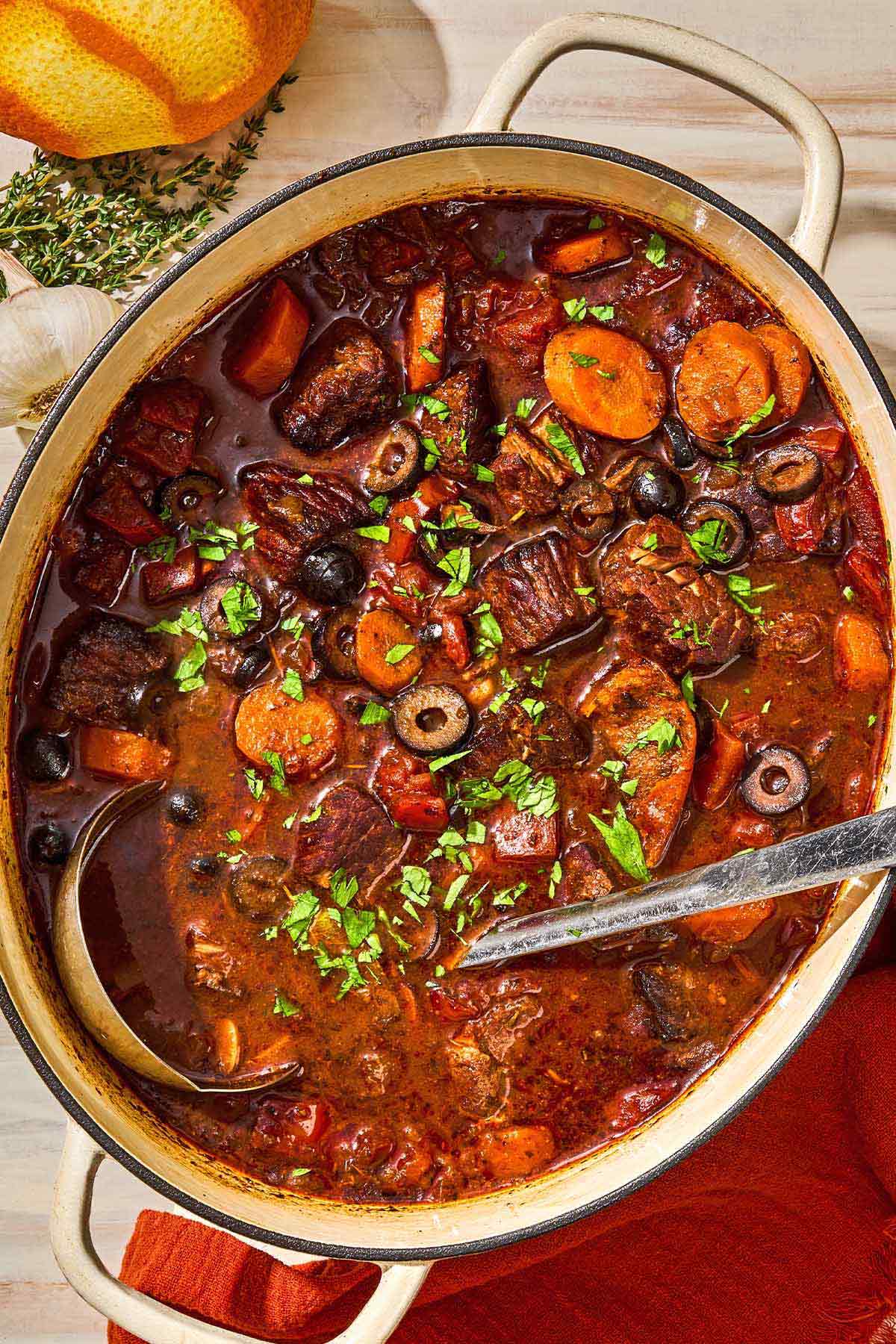
- Slow Braising: The stew is transferred to a heavy-bottomed pot and cooked at a low temperature, often for three to four hours. The addition of olives and orange zest is typically reserved for the final hour to prevent the citrus oils from becoming bitter and to maintain the structural integrity of the olives.
- Resting: Culinary experts frequently note that the dish reaches its peak flavor profile after being allowed to rest for 24 hours, which allows the fats to solidify, enabling easier removal if desired, and allowing the complex flavors to meld.
Sociocultural Implications
The popularity of Daube Provençale speaks to a broader trend in Mediterranean food culture: the preservation of local traditions through domestic practice. In cities like Marseille, the dish is viewed as a communal asset rather than a static recipe. Interviews with local restaurateurs indicate that the "house recipe" is often a guarded secret, reflecting familial history and individual access to local markets.
This flexibility has allowed the dish to survive changing global food trends. By allowing for variations—such as the inclusion of different types of olives or regional variations in herb usage—the dish maintains its relevance. It is frequently cited by nutritionists as a more balanced alternative to heavier, cream- or butter-based European stews, given its reliance on monounsaturated fats from olive oil and the nutrient-dense profile of its vegetable base.
Nutritional and Economic Impact
From an economic standpoint, the ingredients required for an authentic Daube—beef chuck, carrots, onions, olives, and citrus—remain relatively affordable, contributing to the dish’s historical status as a staple for the working class. However, the quality of the wine and the choice of olive oil are considered the primary variables in the final cost and flavor profile of the dish.
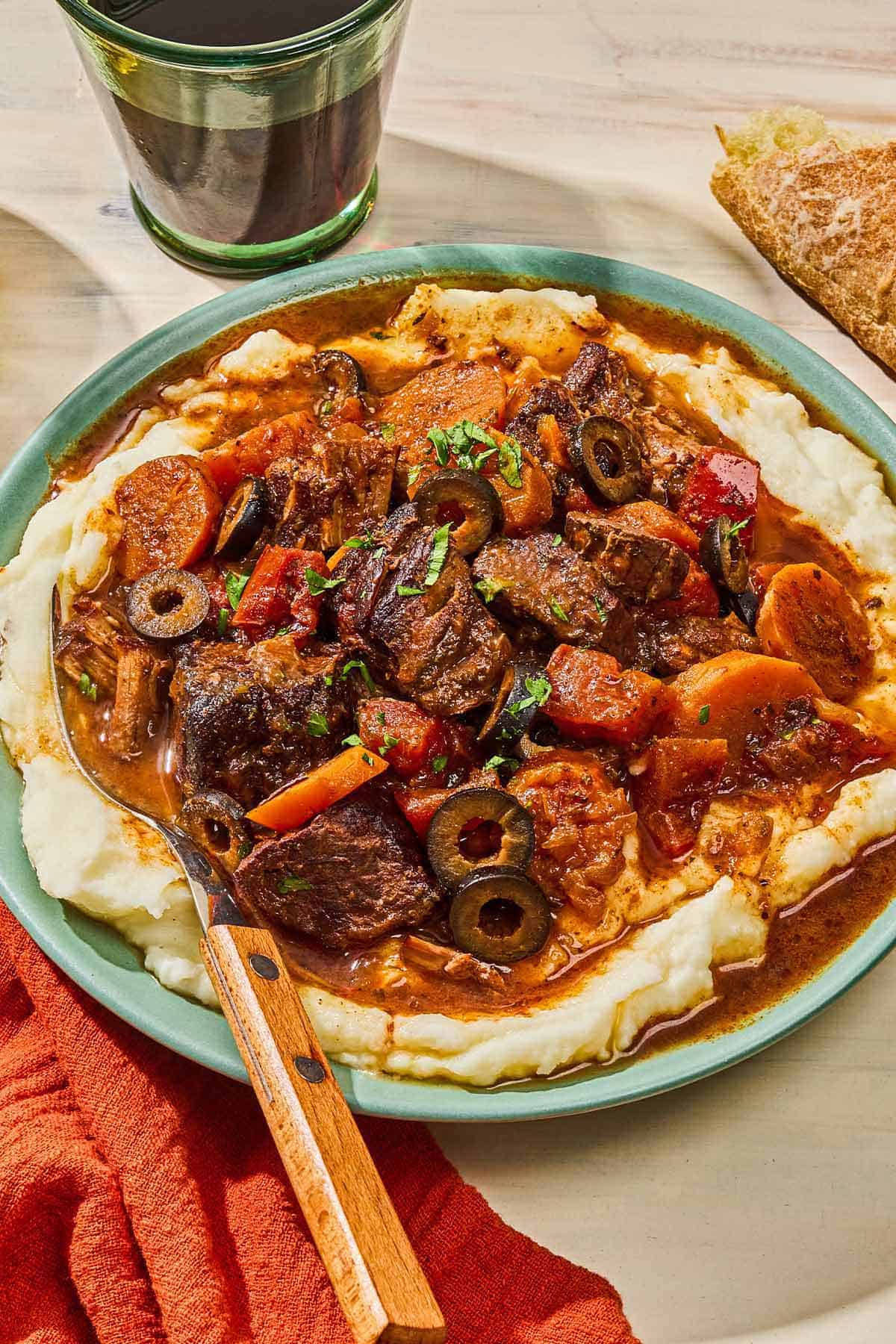
Nutritionally, a standard serving of Daube contains approximately 350 to 400 calories, with a protein-to-fat ratio that is favorable compared to other beef-based stews. The fiber content, derived from the vegetables and olives, along with the vitamin profile from the citrus additions, offers a more well-rounded nutritional intake than traditional heavy-cream sauces.
Conclusion: The Enduring Legacy
As culinary globalization continues to influence local food scenes, the persistence of Daube Provençale serves as a testament to the resilience of regional identity. It is not merely a method of cooking beef; it is a manifestation of the Provençal landscape. By swapping the butter of the north for the oil of the Mediterranean and embracing the interplay of citrus and brined olives, this dish provides a bridge between the traditional, slow-food movements of the past and the health-conscious, flavor-forward demands of the modern palate.
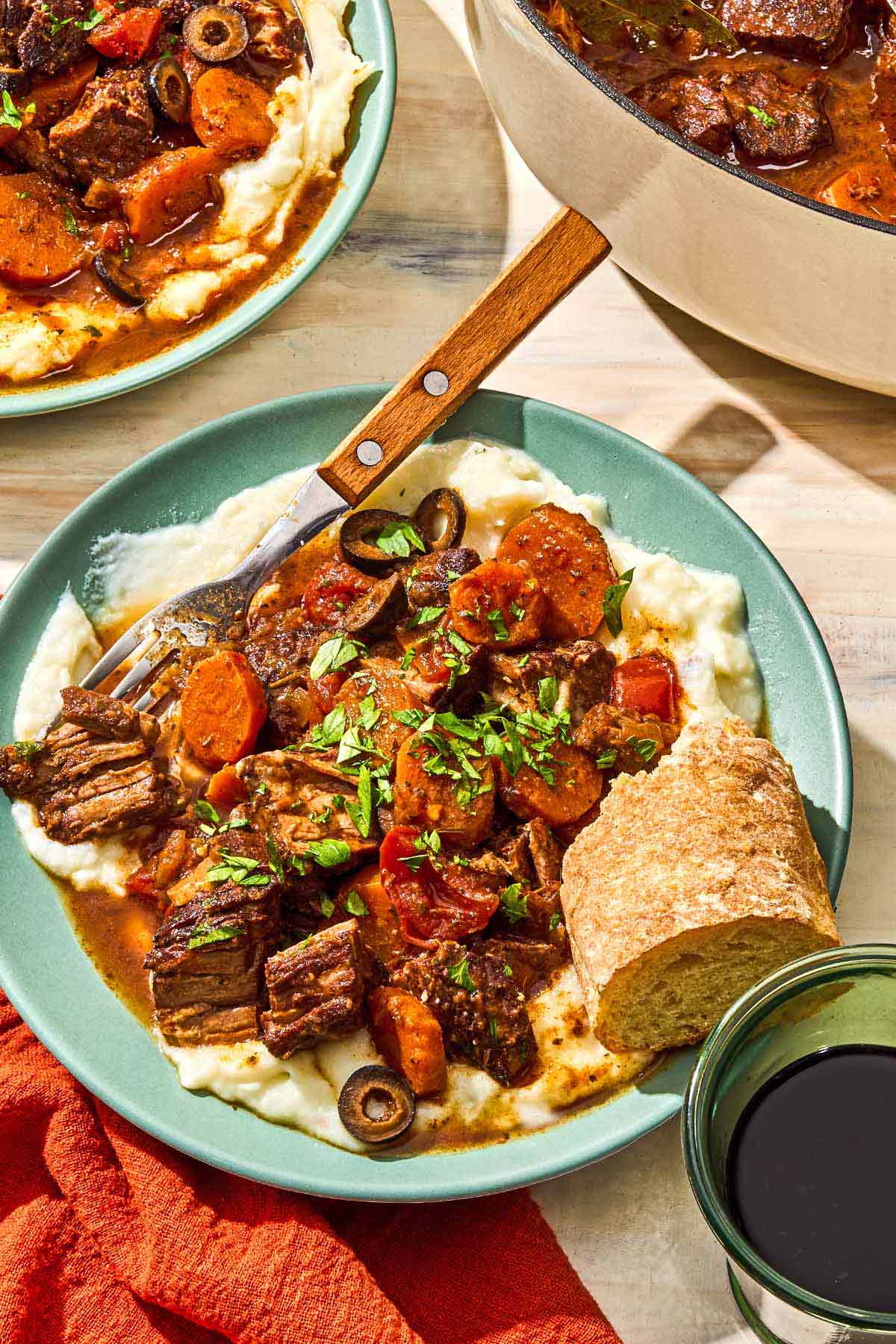
For those looking to replicate this dish at home, the primary recommendation from culinary professionals is to prioritize the quality of the braising liquid. As the wine serves as the backbone of the sauce, selecting a full-bodied red that complements the earthiness of the beef and the bitterness of the olives is paramount. Whether served in a traditional daubière or a modern dutch oven, the dish remains a premier example of how simplicity, patience, and regional ingredients create a standard of excellence that transcends international borders. As it continues to be shared across tables, the Daube Provençale remains a warm, essential component of French culinary heritage.