The traditional preparation of Chicken Tinga—a quintessential dish from the state of Puebla, Mexico—has undergone a modern refinement that emphasizes technique and flavor balance. While classic recipes often focus on a tomato-based stew, recent culinary updates suggest that the integration of a brine-and-bake method, paired with a hybrid tomato-tomatillo base, significantly enhances the moisture and acidity profiles of the protein. This refined approach to Tinga is gaining traction among home cooks and professional chefs alike as a versatile, shelf-stable staple for rapid, high-quality meal preparation.
The Historical and Culinary Context of Tinga
Tinga Poblana, as it is historically known, occupies a unique space in Mexican gastronomy. Historically, the dish emerged in the central regions of Mexico as a way to utilize shredded chicken simmered in a robust sauce of tomatoes, onions, garlic, and chipotle peppers in adobo. Unlike other saucy preparations that lean heavily on fats or thickeners, the integrity of Tinga relies on the interplay between the sweetness of stewed onions and the smoky, intense heat of the chipotle.
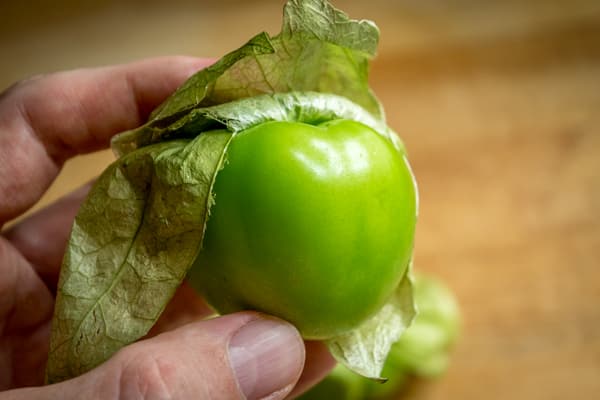
In recent years, the dish has evolved from a specific regional specialty into a global staple of Mexican-American home cooking. Its popularity is largely attributed to its extreme versatility; it functions as a primary ingredient for tostadas, tacos, enchiladas, and tortas. The recent shift toward incorporating tomatillos into the base represents a departure from strictly tomato-based iterations. This addition introduces a bright, tart acidity that counters the inherent earthiness of the dried-and-smoked jalapeños (chipotles), creating a more nuanced flavor profile.
Technical Refinement: The Brine-and-Bake Methodology
One of the most significant advancements in the preparation of this dish is the adoption of the "brine-and-bake" technique for the chicken breasts. Standard poaching methods, while traditional, often run the risk of overcooking the lean muscle fibers, leading to a dry texture when the meat is shredded.
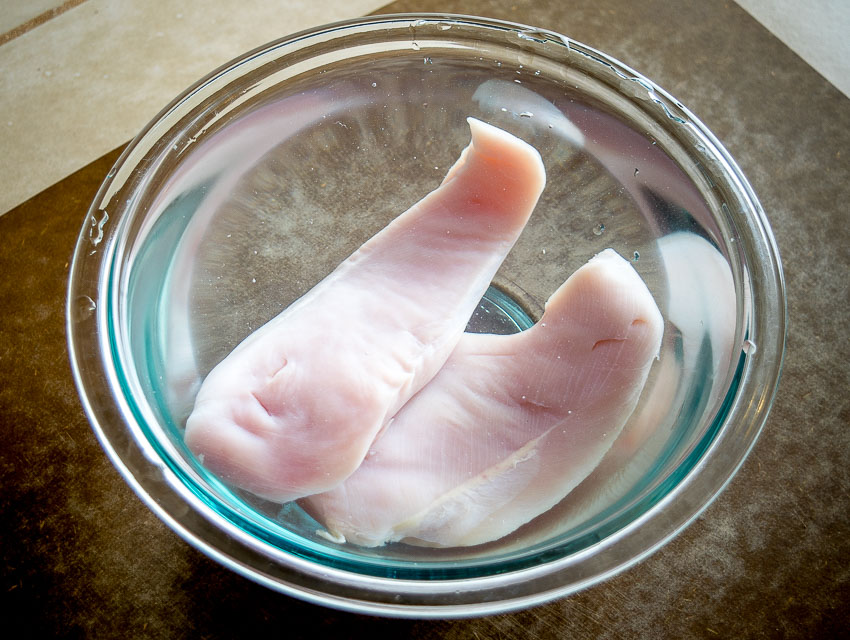
The brining process involves immersing chicken breasts in a solution of one quart of water and one-quarter cup of kosher or sea salt for 30 to 60 minutes. From a food science perspective, brining facilitates osmosis, allowing the muscle proteins to absorb moisture and electrolytes. This ensures that even after the meat is subjected to the high heat of a 400°F (204°C) oven, it retains its succulent texture. This structural integrity is vital for Tinga, as the shredded chicken must maintain a mouthfeel that can stand up to the acidity and heat of the sauce without disintegrating into a paste.
Chronology of Preparation
Achieving a high-quality Tinga requires a specific sequence of operations to ensure all flavors are properly developed:
- The Brine Phase: Preparation begins with the brining of the chicken, allowing for optimal flavor penetration.
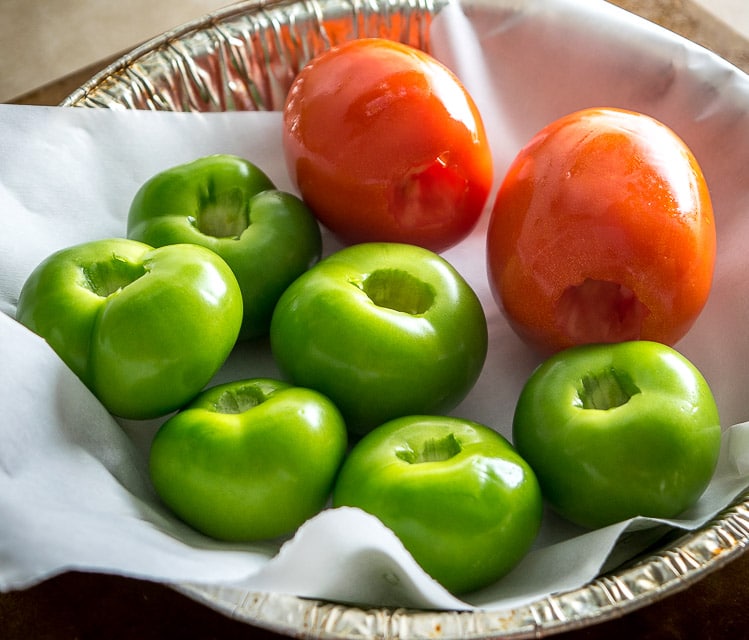
- The Roasting Phase: Simultaneously, two plum tomatoes and five to six fresh tomatillos are roasted at 400°F. The roasting process induces a Maillard reaction, which deepens the flavor of the nightshades.
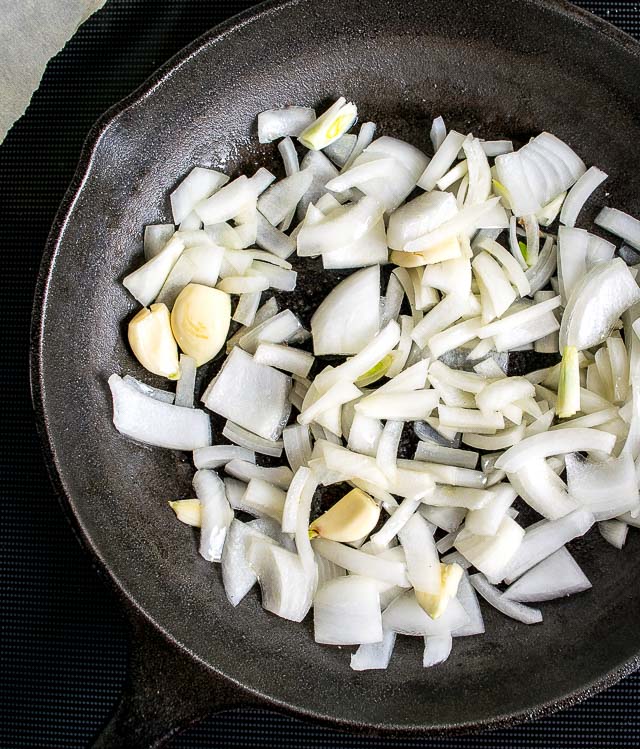
- The Aromatics: While the chicken and vegetables are in the oven, onions and garlic are sautéed in oil until they reach a golden-brown state. This provides the necessary base sweetness.
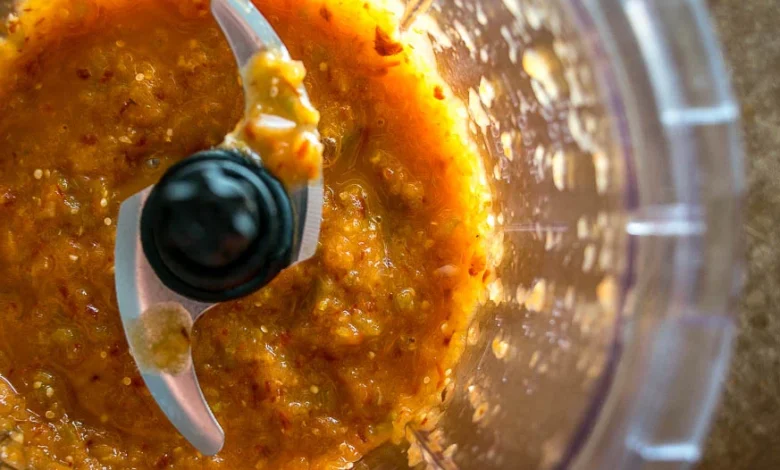
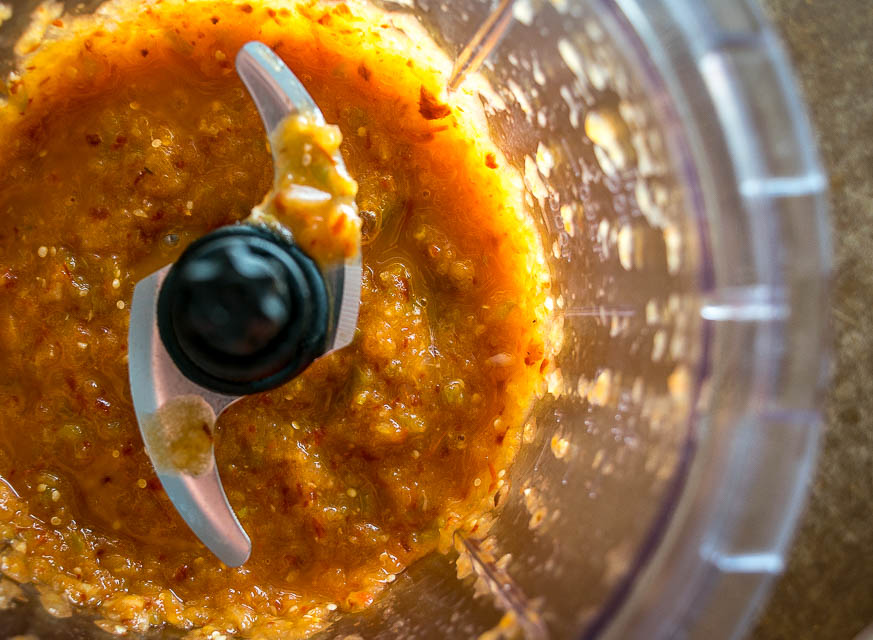
- The Blending Process: The roasted vegetables, sautéed aromatics, and chipotles in adobo are pulsed in a blender. The preference for a slightly chunky consistency ensures a better texture when combined with the protein.
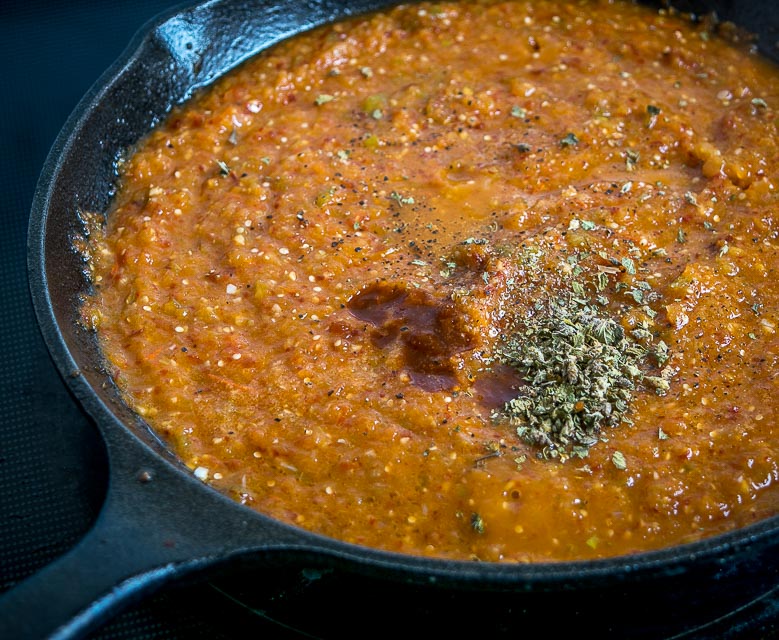
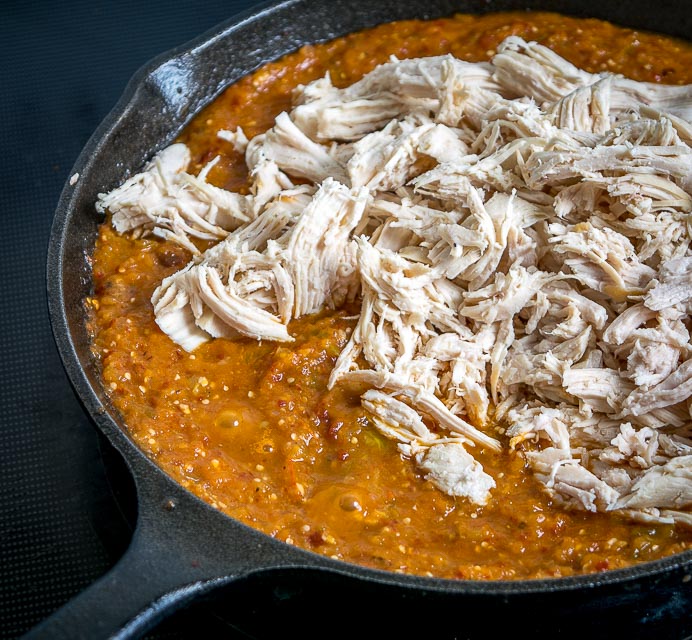
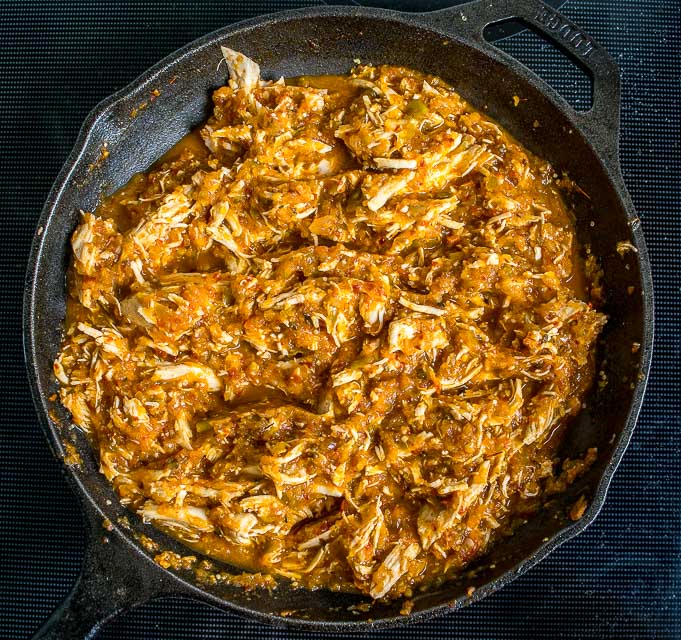
- The Final Simmer: The blended sauce is transferred to a saucepan, seasoned with Mexican oregano, cumin, and additional salt, and finally integrated with the shredded chicken. This final simmering phase allows the chicken to fully absorb the sauce.
Nutritional and Flavor Implications of Ingredient Selection
The use of tomatillos is not merely a stylistic choice but a functional one. Tomatillos are rich in pectin and offer a lower sugar-to-acid ratio than common red tomatoes. When combined with chipotles—which possess a Scoville rating typically ranging between 5,000 and 10,000 units—the tomatillo’s acidity helps moderate the sharp heat of the chili, allowing for a more layered sensory experience.
For those managing sodium intake, the brining process requires careful monitoring. While essential for moisture, it significantly increases the sodium content of the protein. Culinary experts suggest that if one chooses to brine, the additional salt added to the final sauce must be strictly regulated to avoid an over-salted final product.
Broader Economic and Household Impact
The rise in popularity of this particular Tinga preparation is linked to the "meal-prep" movement. In a modern, fast-paced economic environment, the ability to store a high-flavor, protein-dense staple in a refrigerator for up to five days provides significant efficiency for households.
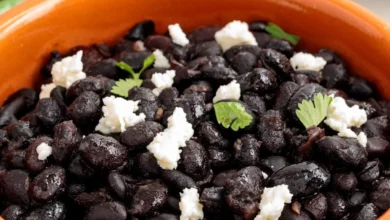
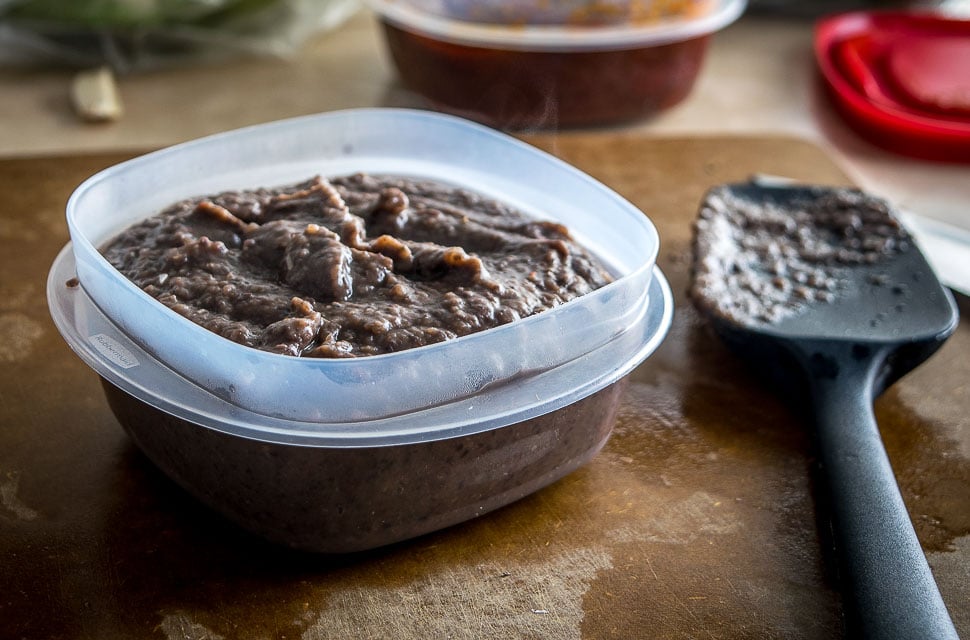
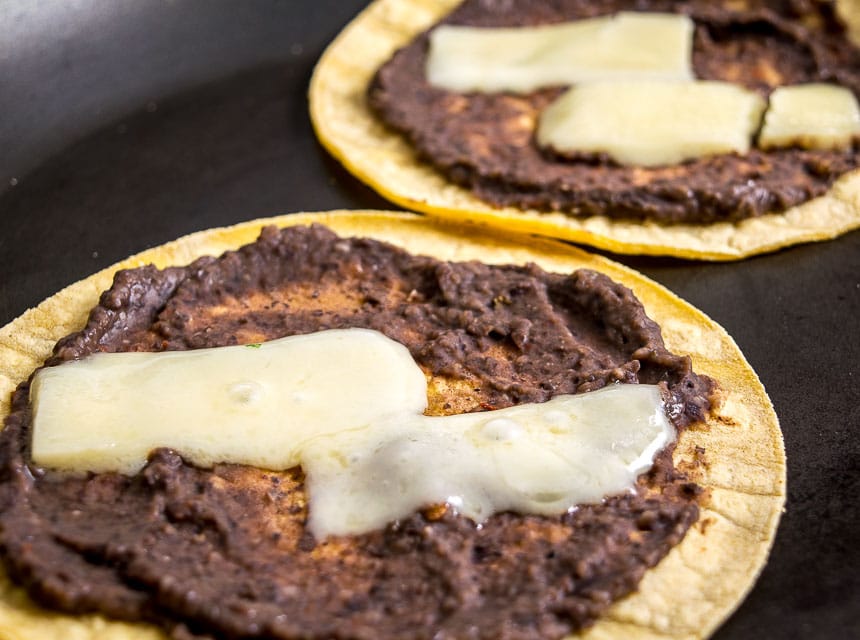
The cost-effectiveness of this dish is also a major factor. By utilizing common, affordable pantry staples—onions, garlic, canned chipotles, and seasonal tomatoes/tomatillos—the dish provides high-quality protein at a low price point per serving. Furthermore, because it is an "assembly" style meal, it reduces the need for complex cooking during the work week. When paired with black bean purée and corn tortillas, it creates a complete amino acid profile, offering a nutritious and balanced meal.
Expert Observations on Heat Management
A common point of contention among culinary practitioners is the heat level of the chipotles. The adobo sauce in which chipotles are packed is often as potent as the pepper itself. The recommendation to scrape the seeds from the chipotles before blending is a technical adjustment designed to remove the most concentrated source of capsaicin and to avoid the presence of hard, indigestible seed casings in the final sauce.
For the average consumer, the ability to modulate heat by adjusting the quantity of chipotles—moving from a mild one-pepper base to an aggressive five-pepper base—allows for a personalized culinary experience. The consensus among those who favor the "fiery" version is that the complexity of the smoke from the chipotle is the defining characteristic of the dish, and this should not be compromised by an overly timid approach to the spice levels.
Conclusion
The evolution of Chicken Tinga reflects a broader trend in home cooking: the application of professional-grade techniques to traditional, accessible recipes. By integrating the brine-and-bake method and utilizing the unique acidic properties of the tomatillo, the dish has become more robust, flavorful, and reliable. Whether served on a traditional tostada or incorporated into modern fusion dishes, this spicy Chicken Tinga remains a testament to the enduring appeal of Puebla’s culinary heritage, updated for the modern kitchen.