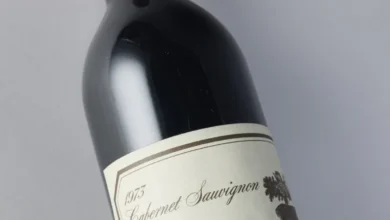
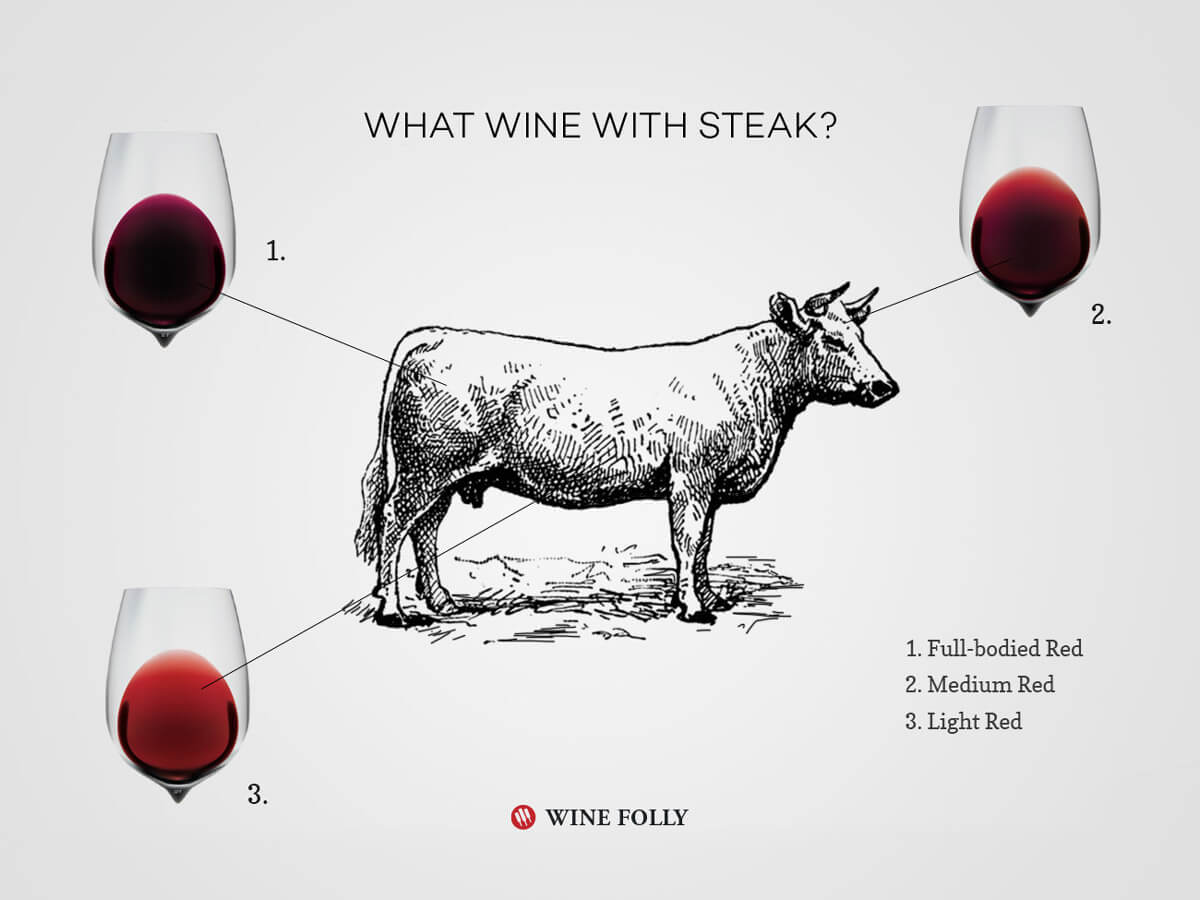
The culinary union of wine and steak remains one of the most enduring and studied pairings in gastronomy, bridging centuries of agricultural tradition and modern culinary arts. As global consumption of both premium beef and fine wine continues to evolve, understanding the biochemical interplay between the proteins, fats, and tannins in these components has transformed from a matter of intuitive taste into a precise culinary science. The foundational rule of steak pairing traditionally dictates that dry red wines serve as the primary companion, with leaner cuts of meat aligning best with lighter-bodied wines, while richer, heavily marbled cuts demand high-tannin selections capable of breaking down and balancing dense animal fats. However, contemporary culinary analysis suggests that tailoring these pairings to specific cuts, cooking methodologies, and seasoning profiles significantly elevates the dining experience, shifting a standard meal into an exercise in sophisticated flavor harmonization.
The history of pairing wine with beef dates back to European agrarian societies, where local regional wines naturally accompanied the livestock raised in the same terroirs—a classic expression of the adage "what grows together goes together." Over the past several decades, the globalization of both the wine industry and the beef trade, marked by standardized grading systems like USDA Prime, Choice, and Select, has allowed epicurean researchers to analyze these flavor profiles with empirical precision. Sommeliers and food scientists frequently point out that the astringency of red wine tannins binds to proteins and fats in the mouth, cleansing the palate after each bite of rich beef. As the culinary world has embraced diverse preparation techniques—ranging from traditional cast-iron pan-searing and backyard charcoal grilling to low-and-slow southern smoking—the approach to selecting the ideal bottle has grown correspondingly intricate.
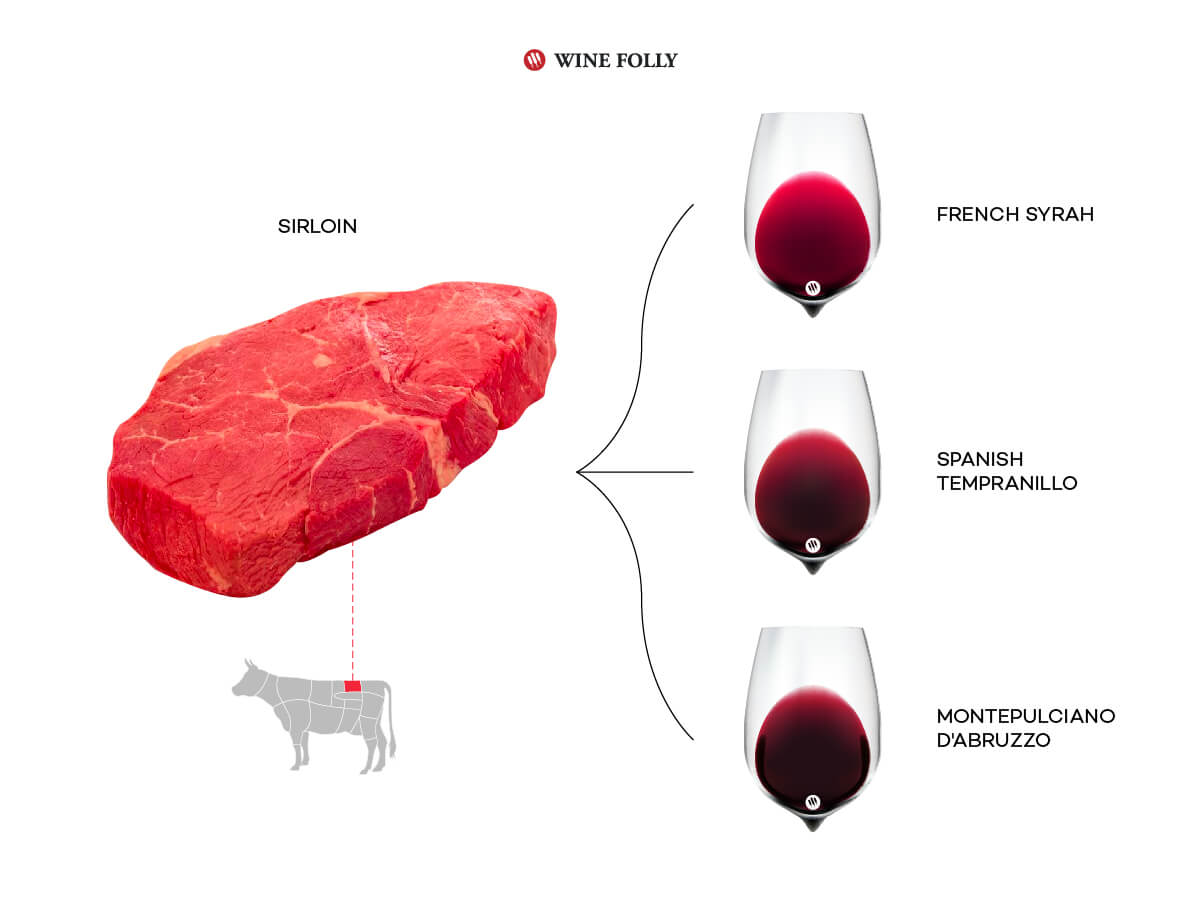
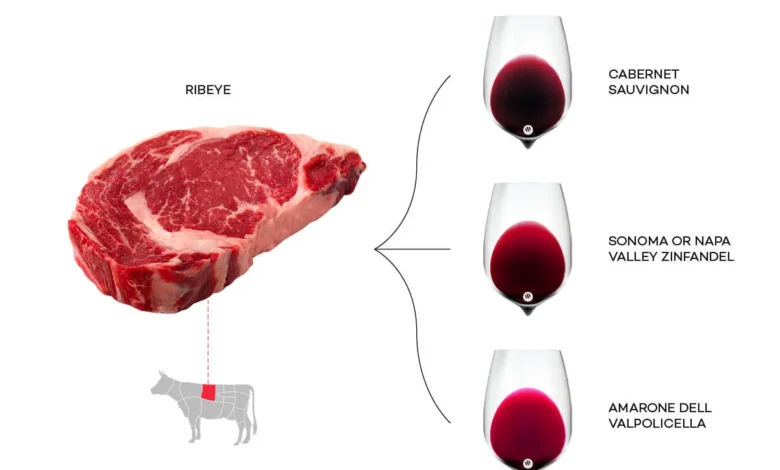
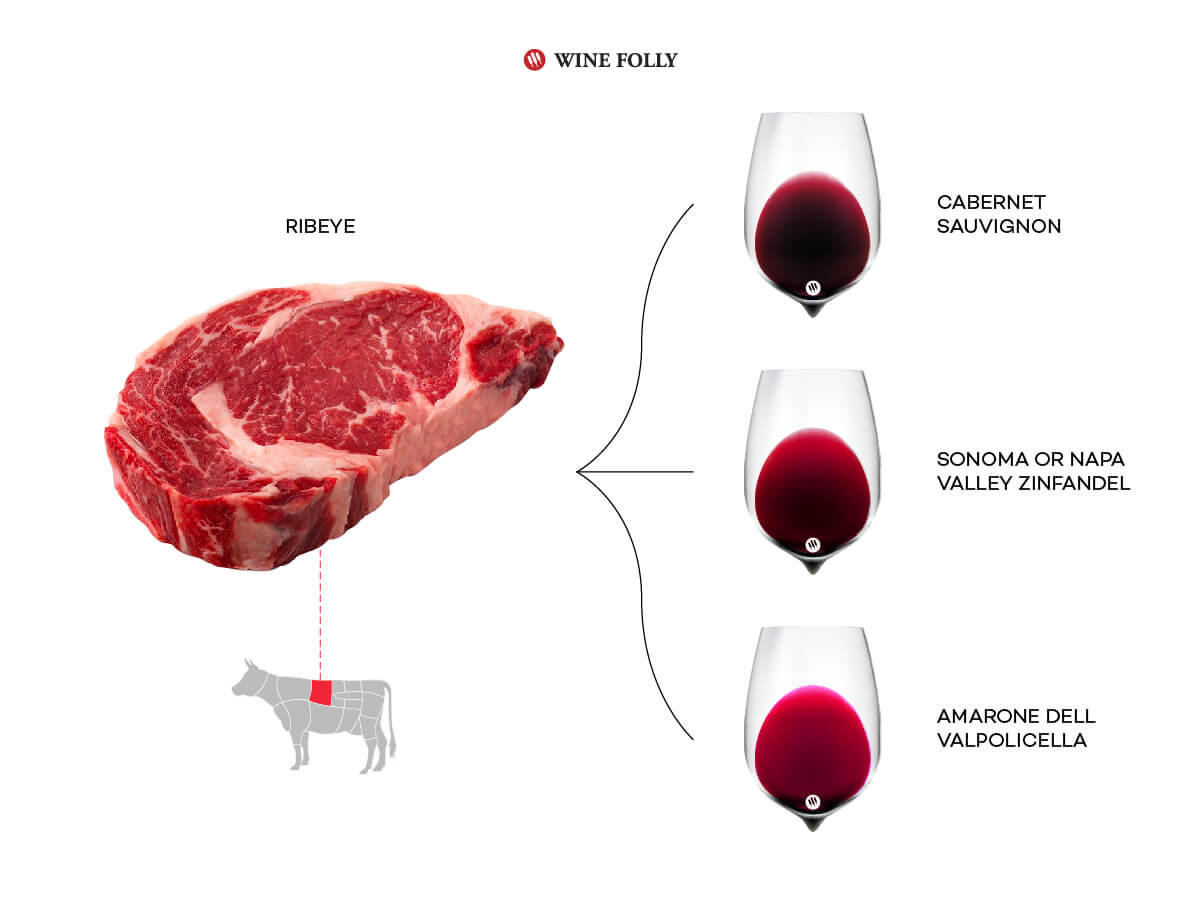
To fully appreciate the mechanics of these pairings, one must examine the specific physical characteristics of each classic cut of beef. The Sirloin, historically recognized as one of the most versatile and common cuts, features light fat marbling and a signature strip of fat along its edge. Because it adapts equally well to grilling, oven roasting, or pan-searing, it requires a flexible red wine capable of adapting to varied spice rubs and marinades. Food scientists note that the medium-bodied nature of certain cool-climate reds provides enough acidity to handle the char from a grill without overwhelming the moderate beef flavor. Conversely, the Ribeye and its bone-in counterpart present a starkly different chemical composition. Renowned for its rich marbling and natural tenderness, the Ribeye delivers a buttery, fatty flavor profile that actively demands high tannins or intense fruit-forward characteristics to cut through the richness. Without adequate structural backbone in the wine, a fatty ribeye can make a delicate red taste flat and metallic.
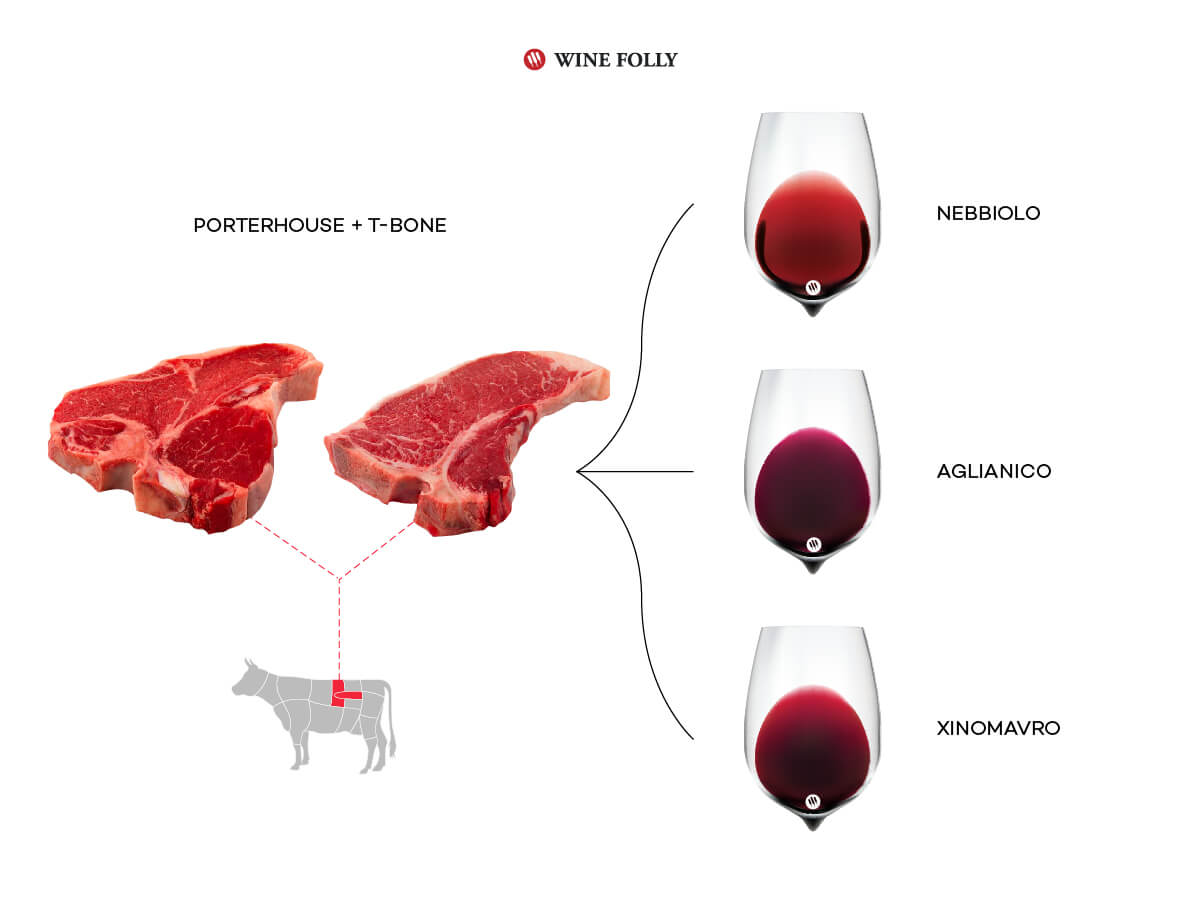
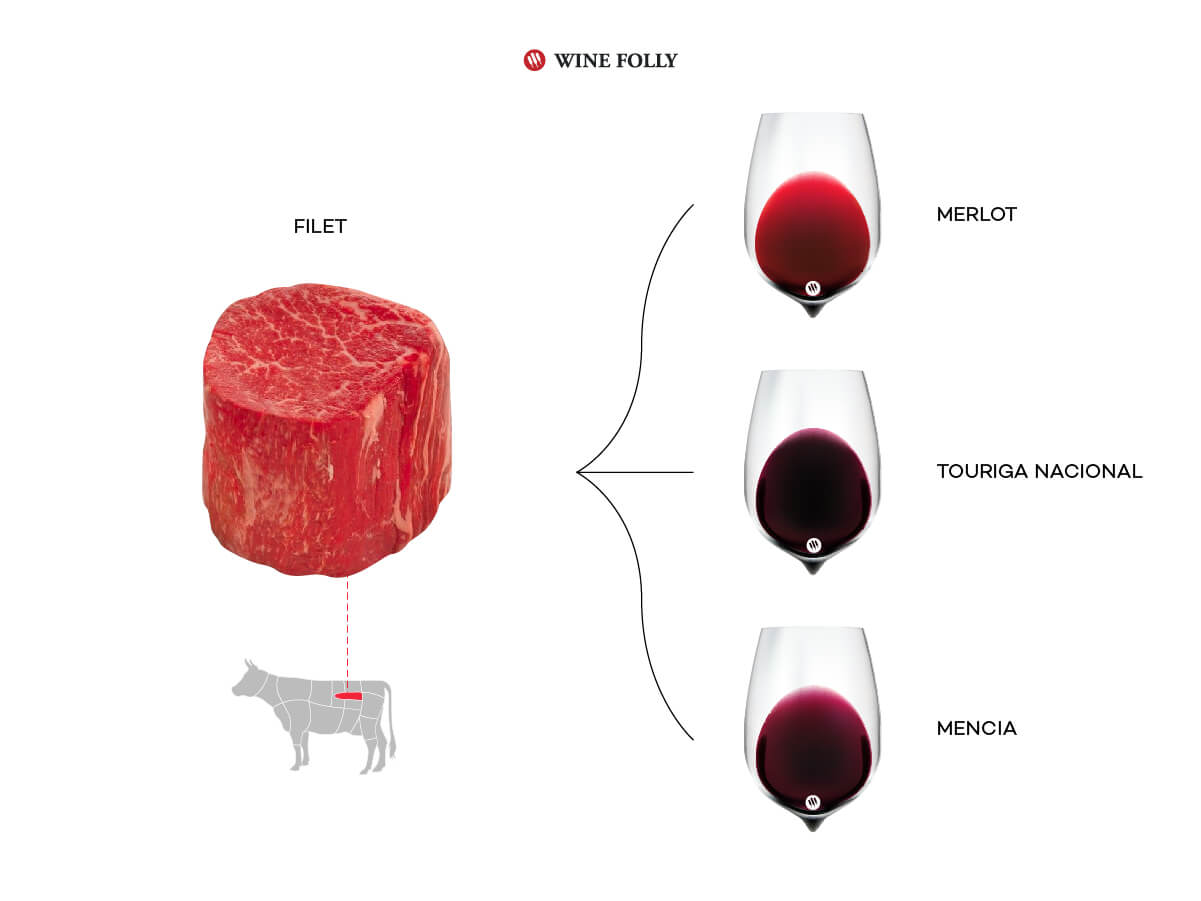
Further exploring the spectrum of beef cuts reveals the unique demands of the Porterhouse and the T-Bone. Though distinct in their anatomical proportions, both cuts share the prized combination of a tender, delicate filet side and a firmer, deeply savory strip side. Because these cuts are relatively lean despite their size, aromatic and fruit-forward red wines complement the dual textures without dominating the palate. Meanwhile, the Filet Mignon—frequently designated as the premium cut of the steakhouse—is celebrated for its exceptional tenderness and subtle flavor profile. Often prepared via pan-searing and butter-basting, the filet requires restraint from the sommelier. The ideal wine selections for a filet mignon must remain balanced and understated, delivering complementary notes that support the delicate meat rather than overpowering its nuanced taste.
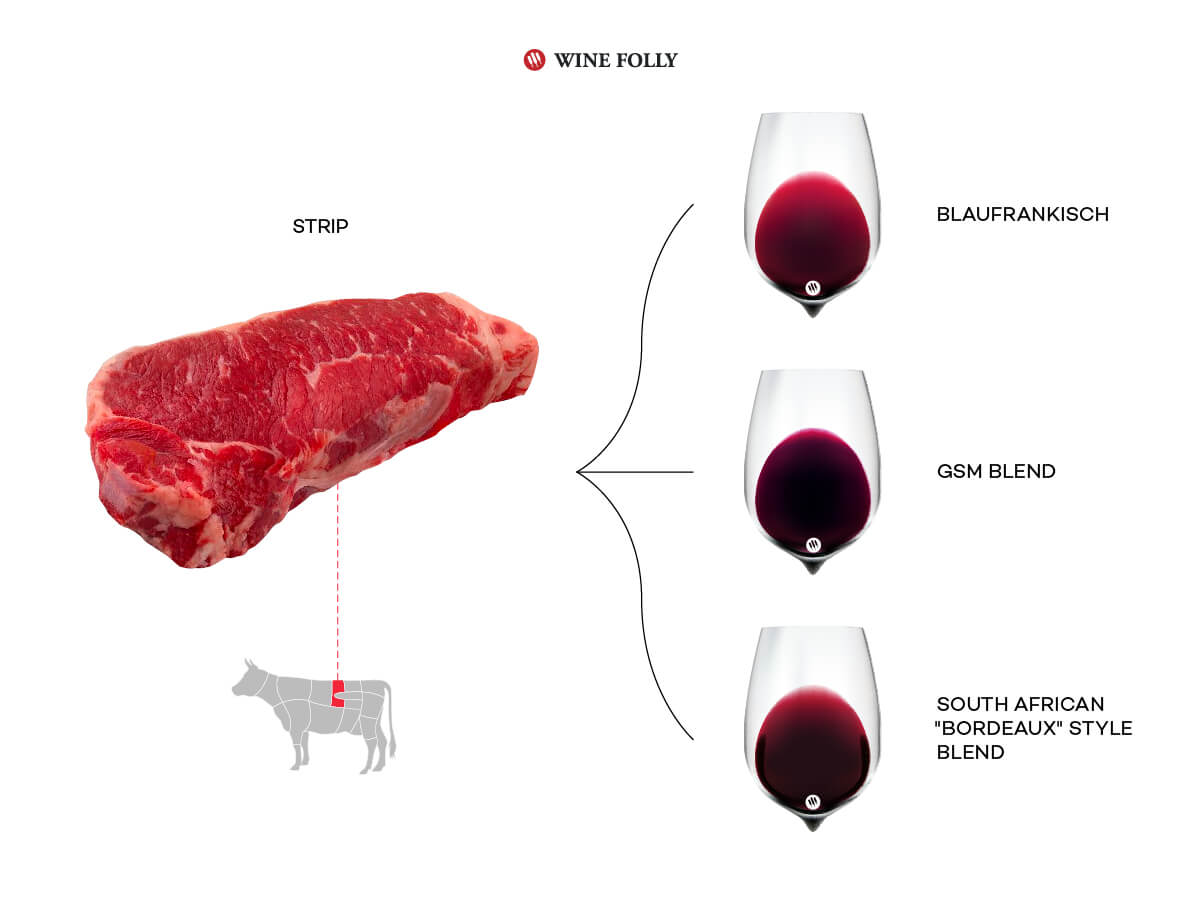
Moving toward cuts with more pronounced muscle grain and connective tissue, the Strip steak—known regionally as the New York strip, shell steak, or Kansas City strip—offers a robust balance of value and deep beef flavor. Typically cooked in a cast-iron skillet with butter and salt, the strip features a thicker grain and higher fat content along the exterior, necessitating a wine with both strong fruit presence and vibrant acidity. Similarly, the Rump cut, harvested from a heavily exercised muscle, demands careful preparation such as marination or braising to tenderize its firm texture. When served as a steak, the rump requires structured red wines that can withstand the intensified beef flavor and any accompanying complex sauces. Flank and skirt steaks, prized for fajitas or direct grilling with simple salt and pepper, present a chewy texture that benefits significantly from wines featuring high acidity, which helps soften the sensation of denser muscle fibers on the palate.
In recent years, the culinary conversation has expanded to include barbecue staples like Brisket within the broader context of steak and beef pairing. Though traditionally subjected to low-and-slow smoking rather than high-heat searing, brisket develops a rich bark and heavy marbling that interact uniquely with wood smoke—whether utilizing hickory, oak, or mesquite. Culinary experts emphasize that the choice of wood fuel directly influences the optimal wine pairing, as smoky chemical compounds like guaiacol and syringol in the meat require robust red wines capable of echoing and enhancing those earthy, charred dimensions.
Industry professionals and Master Sommeliers frequently stress that while established guidelines provide a reliable framework, individual sensory perception ultimately dictates the success of any culinary pairing. As noted by culinary educators, the human palate varies significantly in its sensitivity to tannins, acidity, and capsaicin or salt levels. Consequently, diners are encouraged to treat foundational wine guides as a starting point for personal experimentation rather than rigid dogma. Whether exploring traditional pairings or venturing into novel combinations involving alternative red meats such as lamb, venison, or game, the primary objective remains personal enjoyment and the continued appreciation of artisanal food and wine craftsmanship.