Navigating the 2026 Food Safety Crisis: A Comprehensive Analysis of Systemic Vulnerabilities, Outbreaks, and Consumer Protection

The summer of 2026 will long be remembered by public health officials and consumers alike as an exceptionally volatile period for the United States food supply, defined by an unprecedented wave of high-profile foodborne illness outbreaks and subsequent product recalls. From a record-breaking cyclosporiasis outbreak traced to iceberg lettuce and listeria-contaminated pork to E. coli strains discovered in frozen blueberries, the frequency of public health warnings severely strained consumer confidence. While digital humor and viral internet memes concerning gastrointestinal distress highlighted the public’s anxiety, they also masked a deeper, more serious skepticism regarding the institutional regulatory frameworks designed to maintain food safety.
This surge in public notices brought systemic vulnerabilities to the forefront of national discourse. As regulatory oversight faces increased scrutiny due to recent policy shifts, budget allocations, and staffing shortages, the mechanisms meant to safeguard the farm-to-table continuum are being tested as never before. Understanding how these safety nets operate—and where they fail—has become essential for consumers navigating modern supermarket aisles.
The Anatomy of a Food Recall: Categories and Triggers
Recalls serve as a critical, albeit reactive, line of defense when potentially hazardous products breach commercial markets. Regulatory bodies—primarily the Food and Drug Administration (FDA) and the United States Department of Agriculture’s Food Safety Inspection Service (FSIS)—oversee these actions, which are typically initiated voluntarily by manufacturers seeking to mitigate liability and protect brand equity.
Foods are generally recalled for three primary reasons: biological pathogens, physical contaminants, and undeclared allergens or administrative discrepancies.
Pathogens such as bacteria (Listeria monocytogenes, Escherichia coli, Salmonella), viruses, and parasites (Cyclospora cayetanensis) can infiltrate the food supply chain at any point, from agricultural fields and irrigation water to processing plants and distribution centers. While routine inspections aim to intercept these agents early, microscopic contamination often goes undetected until illness is reported.
Physical contaminants frequently stem from mechanical wear and tear within processing facilities. Metal shavings from aging machinery, fragments of glass, or shards of hard plastic from broken packaging lines can inadvertently mix into food batches. Even microscopic foreign objects present significant choking or internal injury hazards, prompting sweeping recalls of entire production lots.
Allergenic mislabeling represents another persistent driver of recalls. Federal regulations mandate the clear disclosure of major food allergens—including milk, eggs, fish, crustacean shellfish, tree nuts, peanuts, wheat, and soybeans. Formulation changes, cross-contamination on shared production lines, or translation errors on imported goods often lead to products entering commerce with deficient or entirely absent allergen warnings. Finally, administrative oversights, such as missing documentation for imported goods or unverified processing steps, can trigger regulatory recalls even when the physical food product remains entirely safe for consumption.
Jurisdictional Divides: FDA Versus USDA-FSIS Oversight
The architecture of American food safety regulation is split primarily between two federal agencies, each operating under distinct mandates, inspection frequencies, and enforcement authorities.
The FDA holds jurisdiction over approximately 80 percent of the U.S. food supply, encompassing fresh produce, seafood, packaged goods, dairy (excluding certain meat-containing products), and grain derivatives. However, the agency faces significant structural constraints; its resources permit only infrequent inspections of the vast network of domestic and international food production facilities under its purview.
Conversely, the FSIS—a branch of the USDA—maintains continuous, mandatory oversight of meat, poultry, and processed egg products. Because animal proteins present a inherently higher risk of bacterial colonization during slaughter and processing, FSIS inspectors are stationed directly inside meatpacking plants to oversee operations and pre-approve product labeling before items reach consumers.
When a safety failure occurs, the investigative trail often begins with corporate quality control mechanisms. However, when corporate systems fail to catch defects, detection relies heavily on a collaborative surveillance network. State and local health departments, working alongside the Centers for Disease Control and Prevention (CDC), monitor epidemiological trends and patient interviews. Once epidemiologists isolate a common dietary vector among infected individuals, they alert the FDA or FSIS, initiating inter-agency containment protocols.
Recalls are formally classified into three distinct tiers based on the severity of health risks:
- Class I: A situation in which there is a reasonable probability that the use of, or exposure to, a violative product will cause serious adverse health consequences or death.
- Class II: A situation in which the use of, or exposure to, a violative product may cause temporary or medically reversible adverse health consequences, or where the probability of serious adverse health consequences is remote.
- Class III: A situation in which the use of, or exposure to, a violative product is not likely to cause adverse health consequences.
Chronology of a Turbulent Season: The 2026 Outbreaks
The systemic strain on the food safety infrastructure became glaringly apparent through a succession of major events during the spring and summer of 2026.
In April 2026, the FDA requested that Raw Farms, a producer of unpasteurized dairy goods, issue a voluntary recall of its raw cheddar cheese. Epidemiological investigations had linked the unpasteurized product to a cluster of E. coli infections resulting in three hospitalizations. Initially, the company resisted the request, arguing that its internal testing regimens had not detected the matching bacterial strain. Following subsequent facility inspections that revealed documented sanitation deficiencies, the FDA issued a secondary recall request. Raw Farms complied while publicly disputing its liability. Public health advocates criticized the delayed removal as evidence of regulatory weakness, noting that the company’s hesitation prolonged consumer exposure to contaminated product.
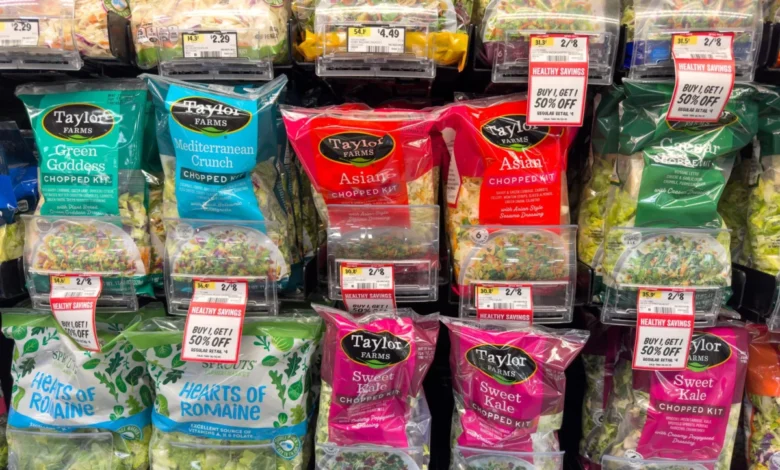
The challenges multiplied in August 2026 when a record-breaking cyclosporiasis outbreak linked to iceberg lettuce dominated public health reporting. Epidemiologists traced illnesses across multiple states to lettuce processed by Taylor Farms. However, state health investigators in Michigan reported significant friction during the preliminary data-gathering phase. Records requests sent to corporate entities went unanswered for nearly two weeks, delaying the identification of the supply chain link.
Public health experts noted that this delay could have been substantially mitigated had a proposed federal rule—which would have mandated that food companies submit requested traceability data to authorities within 24 hours—not been blocked by the Trump administration earlier in the year. The rule had faced intense lobbying from food industry groups who argued that the compliance burdens were excessively stringent.
Complicating matters further, initial FDA sampling of Taylor Farms lettuce yielded preliminary positive tests for Cyclospora, only for the agency to subsequently retract the results as false positives. In the interim, the processor announced that the FDA had issued an apology—a characterization critics and journalism watchdogs described as misleading. This public relations maneuver created widespread confusion among consumers, many of whom mistakenly concluded that the true source of the outbreak remained unidentified, leading to a generalized, unwarranted avoidance of all fresh produce categories.
Systemic Vulnerabilities and Policy Implications
The events of 2026 illuminated two foundational vulnerabilities within the national food safety apparatus: an over-reliance on voluntary corporate cooperation and systemic blind spots exacerbated by deregulation and budget constraints.
While mandatory recall authority exists for the FDA under specific statutory conditions (applicable when there is reasonable probability of a Class I hazard and a company refuses a voluntary request), the FSIS lacks equivalent statutory power over meat products, relying instead on detention and seizure authorities. Furthermore, budget reductions implemented under the current administration have curtailed active federal monitoring programs and rescinded transparency mandates, leaving food safety agencies increasingly short-staffed and reactive rather than proactive.
Industry analysts and food safety advocates argue that these structural gaps compromise public health. When regulatory oversight is weakened, the burden shifts disproportionately to corporate self-policing and consumer vigilance—an arrangement that routinely falters when financial incentives conflict with public health imperatives.
Actionable Guidance for Consumers
In an environment where food recalls frequently dominate headlines, distinguishing between broad systemic failure and isolated product alerts is critical. Most recalls do not implicate entire agricultural sectors; rather, they target specific production lots, distribution networks, or brand labels.
When a recall is announced, consumers should take the following steps:
- Verify the Specifics: Consult official databases maintained by the FDA or the USDA FSIS to review specific lot numbers, UPC codes, distribution regions, and expiration dates associated with the recalled item.
- Assess Exposure: Cross-reference household inventory with the specific brand and retailer details provided in official notices. Broad category warnings (such as alerts regarding poultry or leafy greens) require attention only if the specific brand or store match the advisory.
- Handle with Care: If a product is recalled due to biological pathogens or physical contamination, it should be returned to the point of purchase for a full refund or discarded securely. Products recalled solely for undeclared allergens may be safely consumed by individuals without sensitivities to the ingredient in question.
- Practice Baseline Kitchen Hygiene: While standard safe-handling practices—such as thorough handwashing, washing produce under running water, cooking meats to recommended internal temperatures, and sanitizing kitchen surfaces—cannot eliminate all risks inherent in a compromised supply chain, they remain a vital secondary defense against foodborne illness.
As federal regulators, industry stakeholders, and public health advocates debate the future of food safety policy, heightened consumer awareness and stringent personal food-handling protocols remain indispensable tools for navigating an increasingly complex commercial food landscape.
Related posts: