Homemade Chicken Noodle Soup: A Culinary Tradition and Its Practical Application

The preparation of homemade chicken noodle soup has long occupied a central role in domestic culinary traditions, serving as both a nutritional staple and a psychological comfort food. While often perceived as a laborious undertaking, the process involves a fundamental combination of aromatics, lean protein, and starch that, when executed with precision, provides a balanced meal. Recent shifts in home cooking trends suggest a resurgence in the popularity of scratch-made soups, driven by a desire for ingredient transparency and the pursuit of cost-effective, high-yield meal preparation.
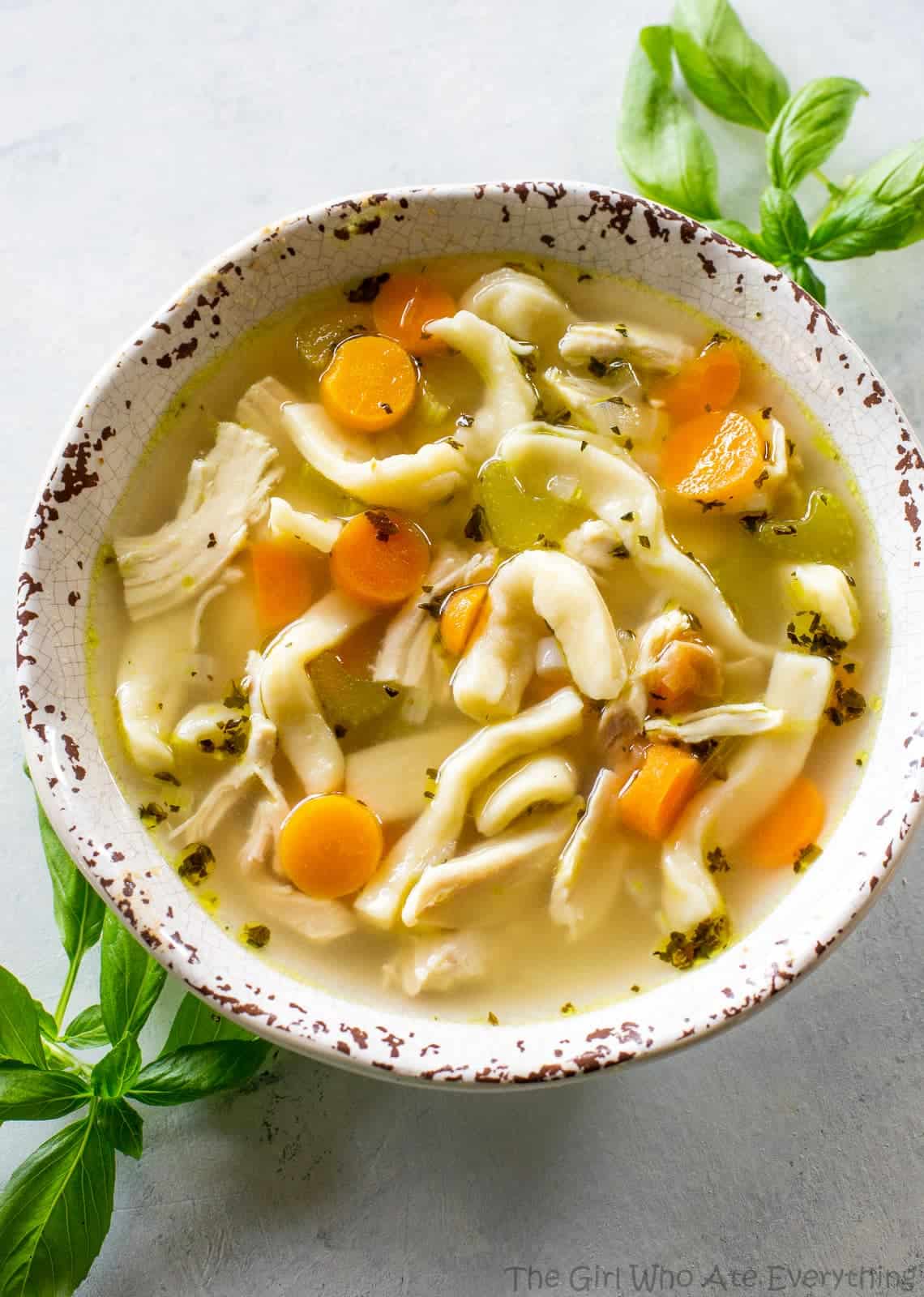
The Nutritional and Historical Context of Poultry Soup
Chicken noodle soup has historically been categorized as a therapeutic dish. Cultural narratives across various regions suggest its use as a restorative measure during periods of illness. From a nutritional perspective, the soup’s efficacy is rooted in the hydration provided by the broth and the electrolyte balance offered by the sodium and mineral content of the vegetables and poultry.
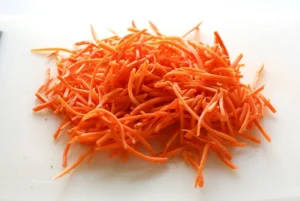
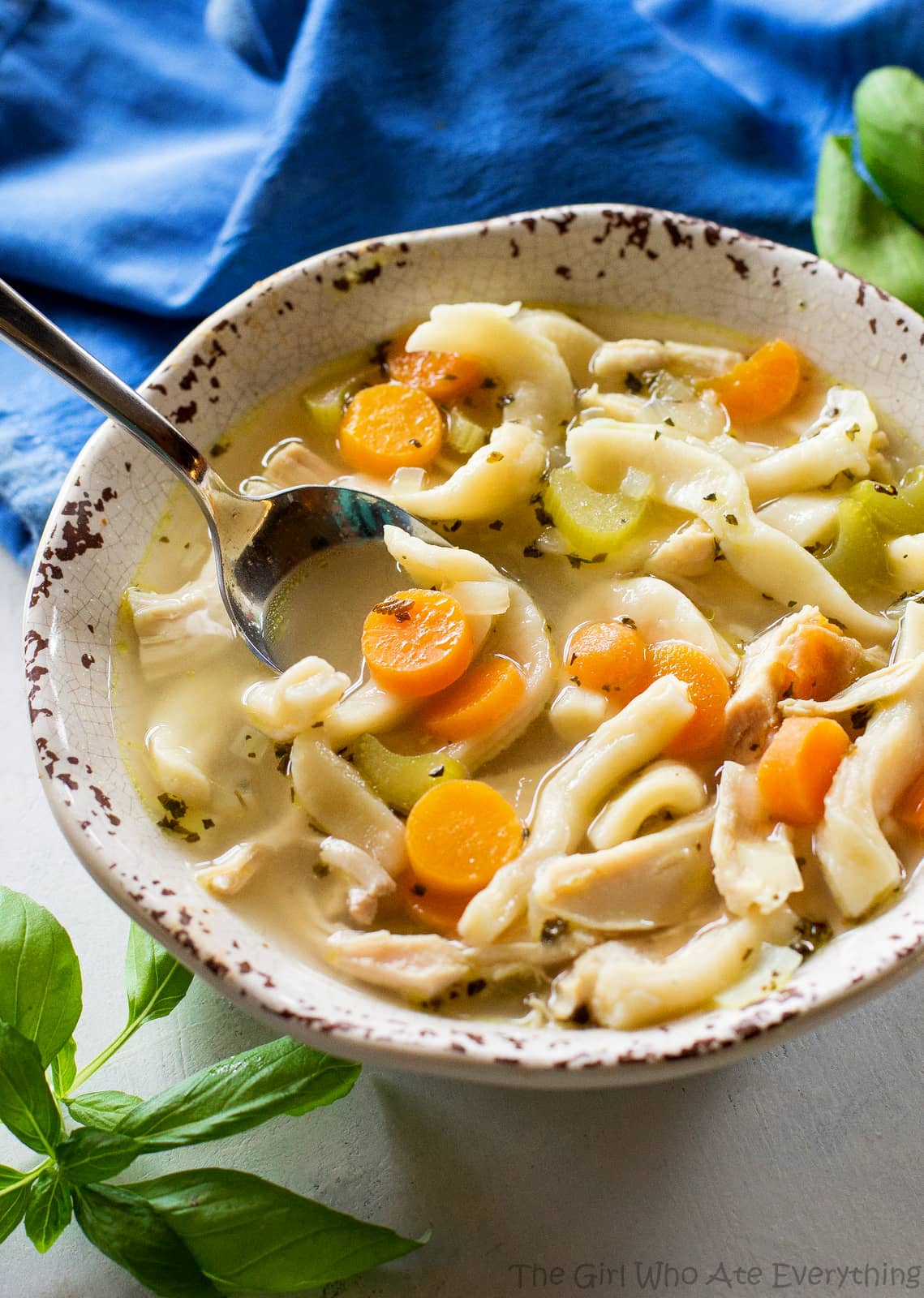
Data from culinary historians indicates that the pairing of chicken with noodles became a distinct American culinary institution in the early 20th century. The dish utilizes a "mirepoix"—the classic French combination of onions, carrots, and celery—which forms the flavor foundation. The addition of chicken provides high-quality protein, while the noodles offer the necessary carbohydrates to create a satiating profile. Modern variations, such as the inclusion of homemade egg noodles, allow for a customization of texture and flavor that store-bought, shelf-stable alternatives often lack.
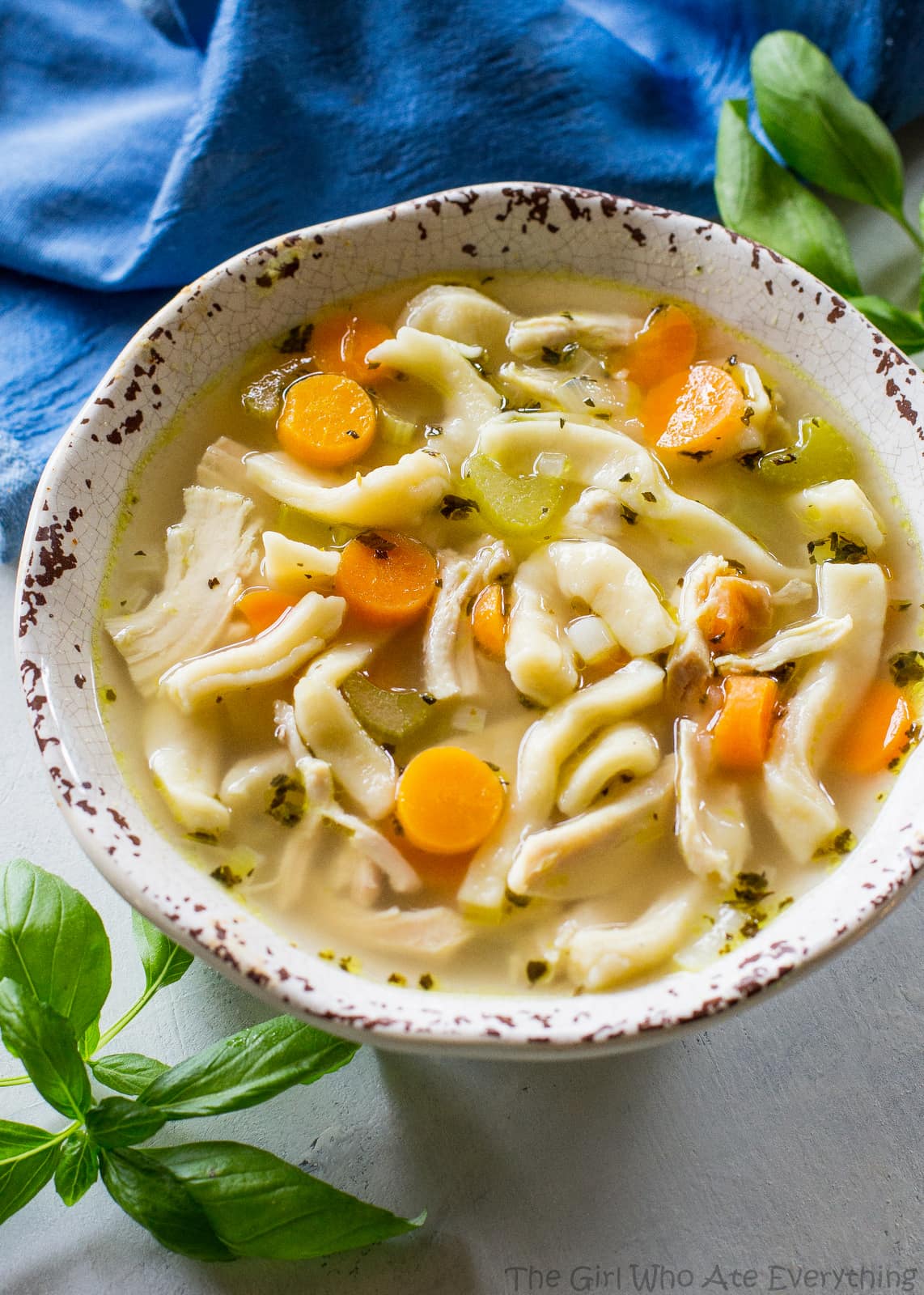
The Technical Process: From Broth to Finished Bowl
The methodology for creating a high-quality chicken soup follows a logical, sequential path. The foundation is the broth, which requires the slow extraction of collagen and flavor compounds from chicken bones and meat. In professional and home kitchens alike, the use of high-quality bases, such as concentrated chicken bouillon pastes, has become an accepted shortcut for achieving depth of flavor without the extensive time commitment of a traditional stock reduction.
The chronology of preparation typically begins with the sautéing of aromatics. By sweating onions, carrots, and celery in a small amount of fat, the cook releases essential oils, establishing a complex aromatic base. Following this, the addition of liquid and protein marks the primary cooking phase. The final, and perhaps most significant, stage is the integration of the noodles. Whether utilizing pre-packaged dried egg noodles or creating a simple dough from flour and eggs, the cook must manage the starch content carefully to prevent the soup from becoming overly thickened or the noodles from losing their structural integrity.
The Economics of Home-Cooked Meals
In an era of rising food costs, the economic implications of preparing homemade soup are significant. A standard recipe, yielding approximately six servings, utilizes inexpensive pantry staples—carrots, onions, celery, flour, and eggs—combined with a moderate amount of poultry. Comparative analysis of grocery pricing shows that preparing a large batch of soup from scratch is substantially more cost-effective than purchasing processed, canned alternatives.
Furthermore, the scalability of this dish makes it a frequent choice for meal prepping. Because the soup can be stored, frozen, and reheated without a significant degradation in quality, it serves as a long-term solution for households looking to streamline their weekly meal planning. Consumer feedback from domestic cooking forums highlights that the ability to control sodium levels and ingredient quality is a primary driver for those moving away from commercial soup products.
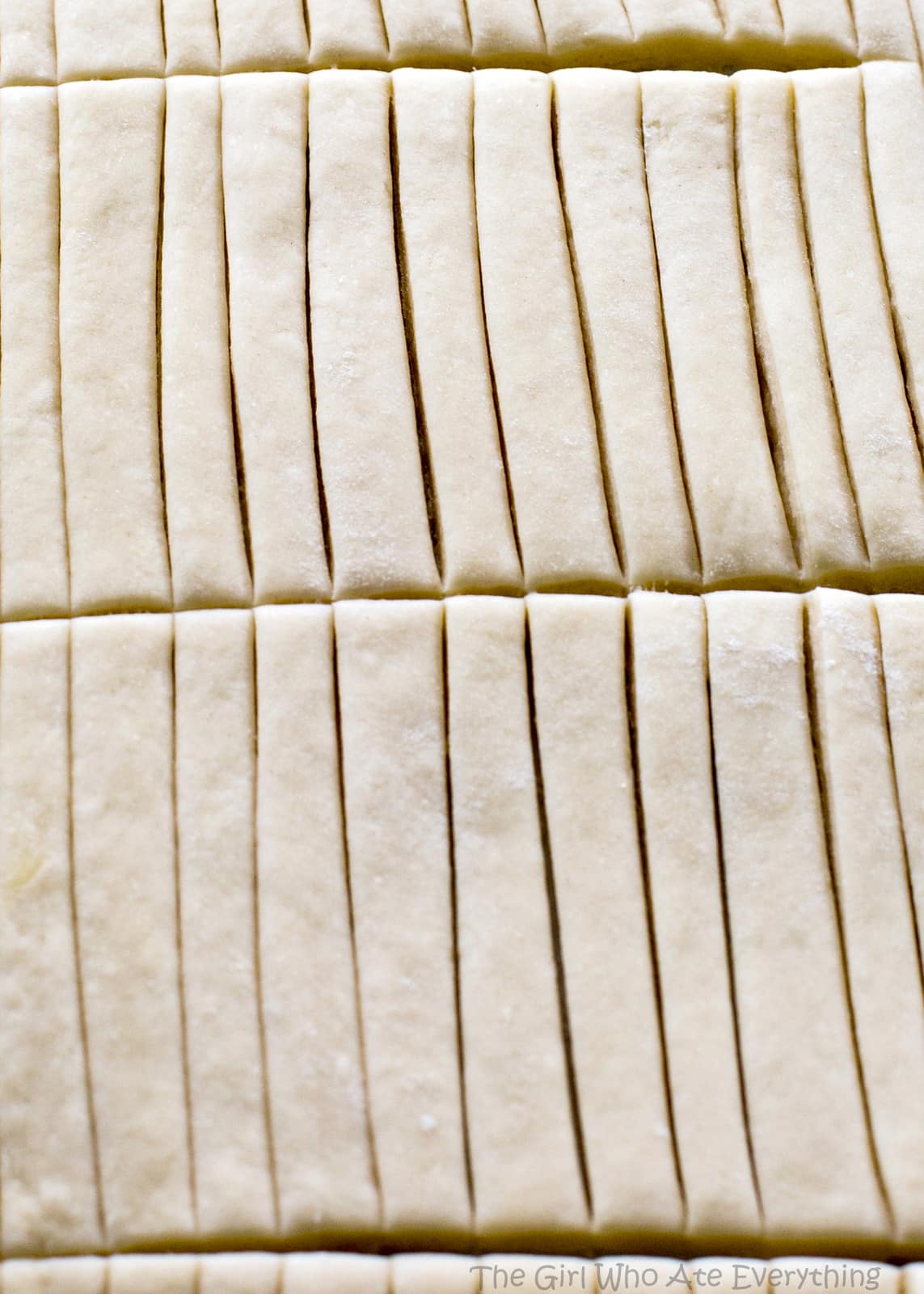
The Art of Homemade Pasta
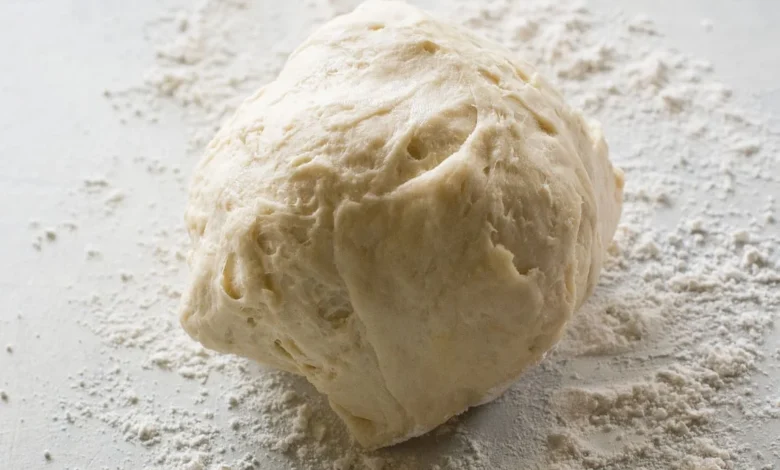
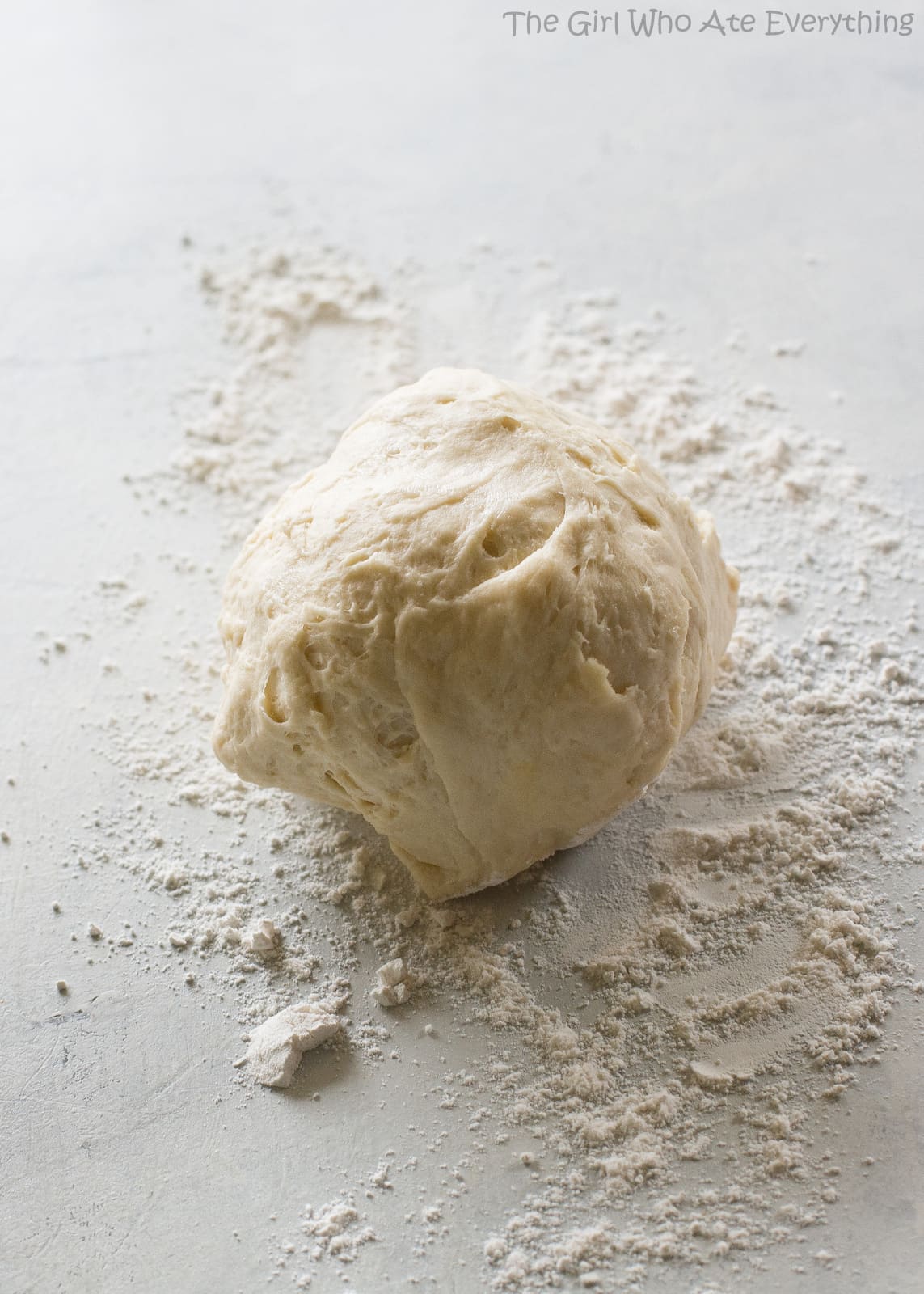
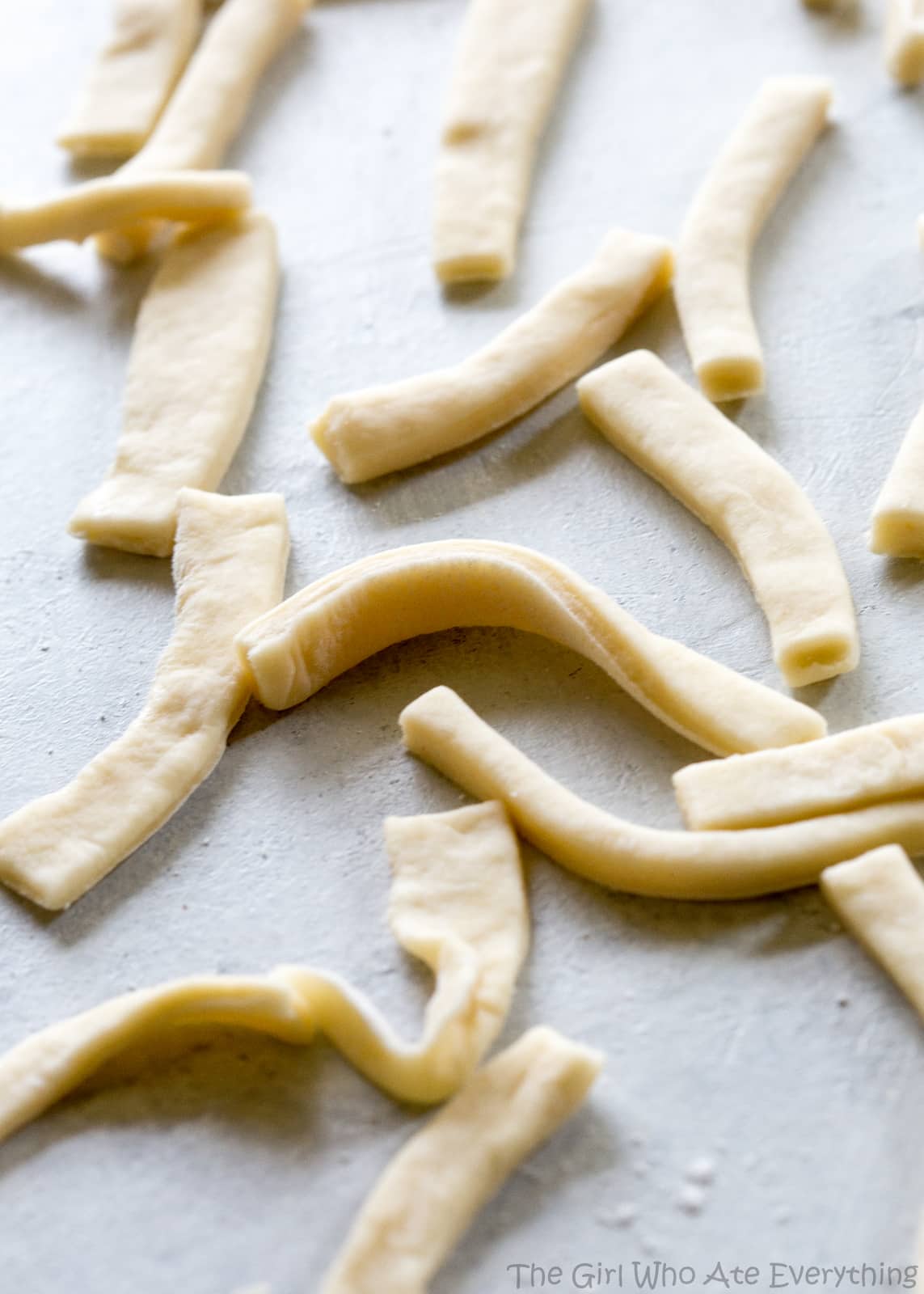
While the convenience of store-bought noodles is acknowledged, the tactile and textural advantages of homemade noodles remain a point of discussion among culinary enthusiasts. The process is remarkably straightforward, requiring only flour, eggs, and a small amount of liquid. The chemistry of the dough relies on the gluten development during the kneading process, which provides the necessary "bite" or al dente quality that differentiates it from softer, mass-produced varieties.
For the home cook, the preparation of pasta is an exercise in time management. The dough requires a short period of resting to relax the gluten, followed by rolling and cutting. Once cut, the noodles can either be dropped directly into the simmering broth or dried to be used at a later time. This flexibility allows for a production cycle that can be adjusted to fit the cook’s schedule. Experts note that the inclusion of freshly made pasta significantly alters the mouthfeel of the soup, lending a richness that is largely absent in standard dry-noodle preparations.
Broader Implications and Culinary Trends
The persistence of chicken noodle soup as a staple in the modern diet speaks to its versatility. Beyond its status as a comfort food, it represents a wider trend in "slow food" movements, where individuals are reclaiming basic kitchen skills. This shift has implications for food literacy, as the act of making soup from scratch requires an understanding of seasoning, heat management, and ingredient selection.
As culinary practices continue to evolve, the distinction between "quick" and "traditional" methods has blurred. The integration of high-end, store-bought bases alongside scratch-made noodles reflects a pragmatic approach to cooking—one that prioritizes efficiency without sacrificing the nutritional and sensory benefits of a homemade meal.
Standardization and Recipe Consistency
Achieving consistency in soup preparation is a common challenge for both amateur and professional cooks. Common pitfalls include the overcooking of vegetables, which leads to a loss of texture, and the improper timing of noodle addition, which can result in a "pasty" broth. To mitigate these issues, culinary professionals recommend the following technical considerations:
- Vegetable Timing: Add aromatics first, but introduce softer vegetables or herbs toward the end of the cooking process to preserve color and nutrient density.
- Noodle Management: If the soup is intended to be stored for multiple days, it is advisable to cook the noodles separately and combine them with the broth immediately before serving. This prevents the starch from leaching into the broth and ensures the noodles maintain their desired texture.
- Seasoning Profiles: The addition of fresh herbs, such as parsley, thyme, or bay leaves, at the conclusion of the cooking process can provide a brightness that balances the heavier, savory notes of the chicken broth.
Conclusion
The enduring popularity of chicken noodle soup is a testament to its functional and emotional utility. It remains a foundational element of the domestic kitchen, providing a reliable, nutrient-dense, and economically viable meal. Whether one chooses to utilize traditional methods for every component or opts for modern shortcuts, the core principles remain constant: the careful layering of flavors and the balance of protein, starch, and vegetables. As more consumers prioritize home-based food preparation, the role of such recipes will likely continue to expand, reinforcing the value of fundamental cooking techniques in the 21st-century household. The ability to produce a high-quality bowl of soup from basic pantry ingredients is not merely a culinary skill, but a practical asset for maintaining a balanced and sustainable diet.