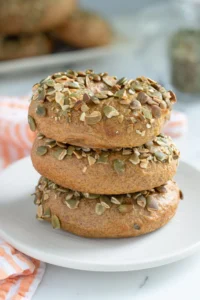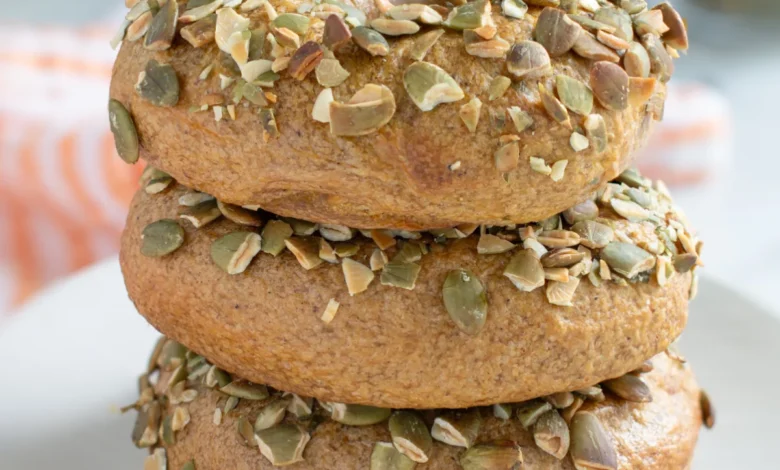
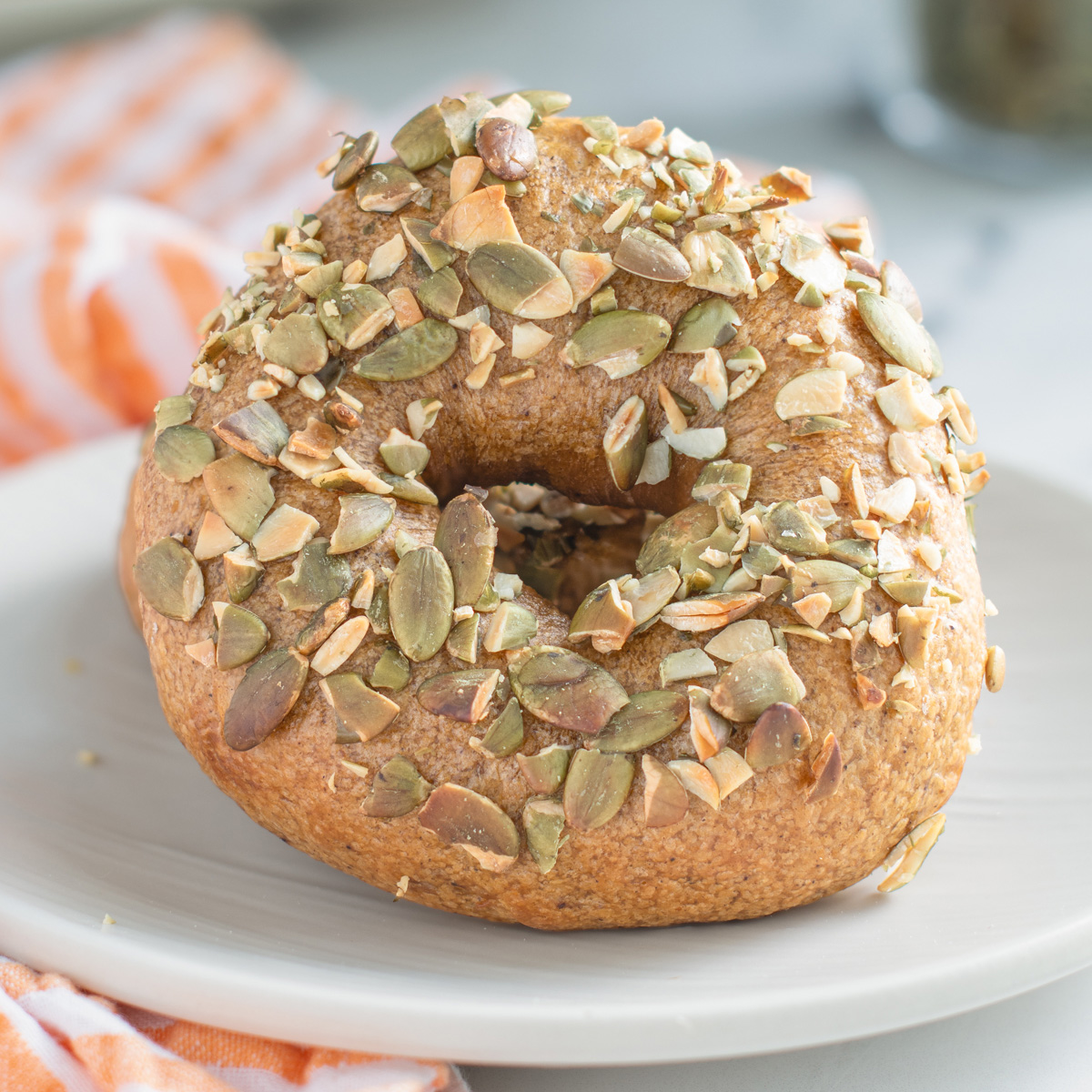
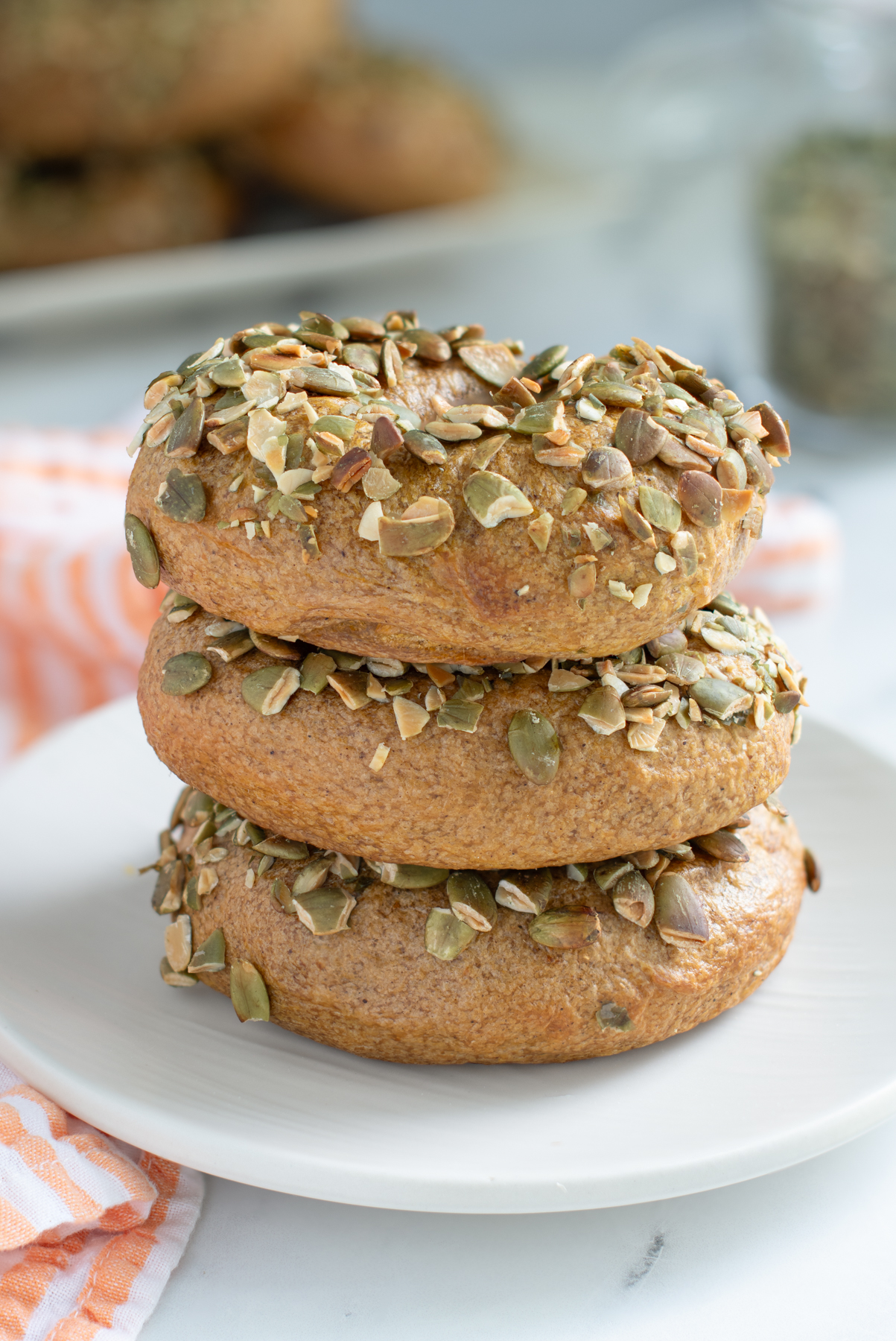
The art of sourdough baking, traditionally associated with the production of rustic boules and tangy loaves, is currently undergoing a sophisticated seasonal evolution as professional and home bakers alike pivot toward enriched, autumnal flavor profiles. The recent development of a high-hydration sourdough pumpkin bagel recipe marks a significant shift in this culinary niche, moving away from the commercial yeast-leavened products that dominate the retail market during the fall months. By utilizing active sourdough starter—a complex culture of wild yeast and lactic acid bacteria—this methodology prioritizes enzymatic breakdown and long-duration fermentation to achieve a texture that replicates the classic New York-style bagel while incorporating the distinct characteristics of pumpkin.
The Science of Enriched Fermentation
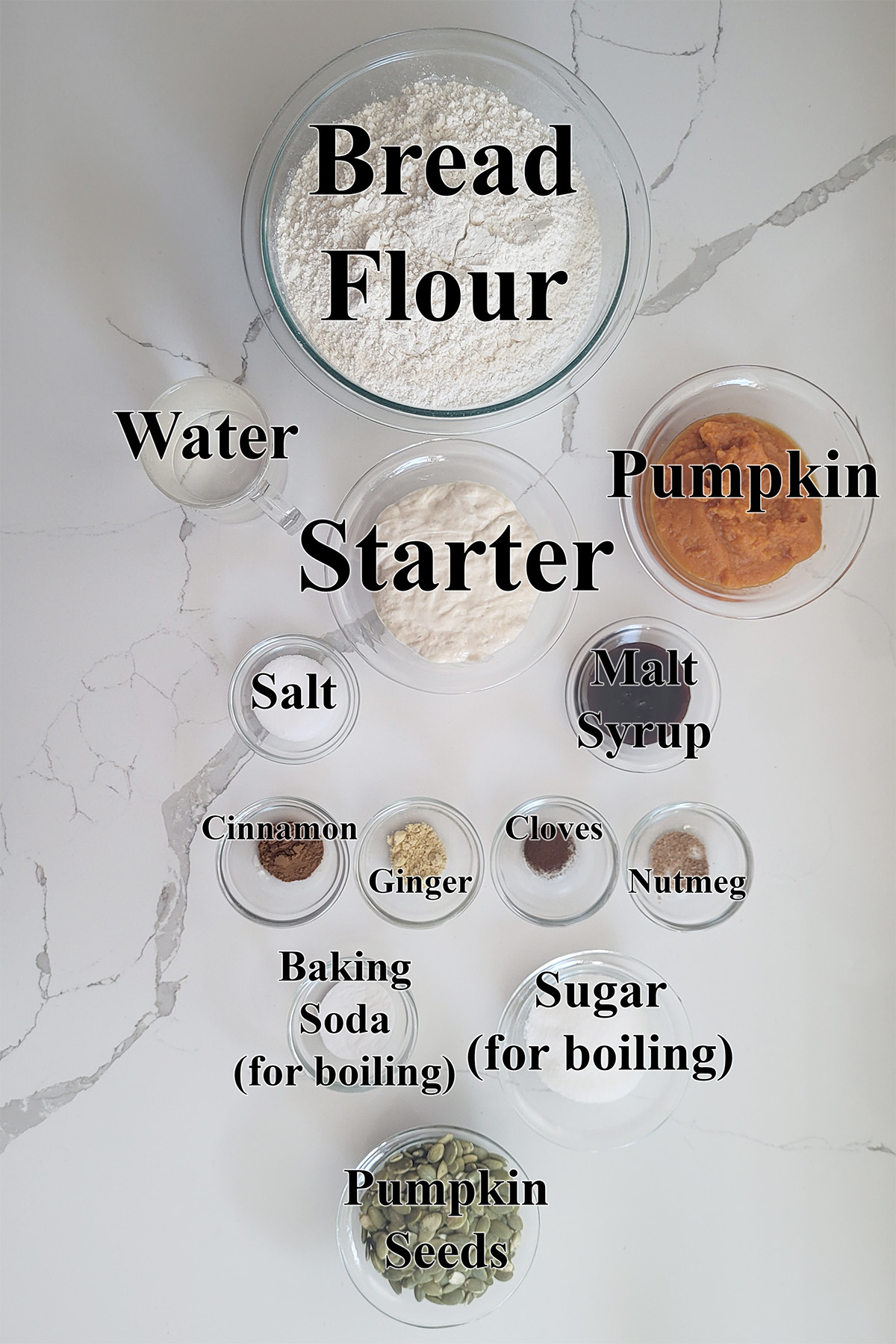
Unlike standard lean doughs, which rely on a simple composition of flour, water, salt, and yeast, this pumpkin-infused variation falls under the category of an enriched dough. The inclusion of pumpkin puree introduces both natural sugars and beta-carotene, which alter the rheology—or flow and deformation—of the gluten network. From a biochemical standpoint, the addition of sugar and specific warming spices, such as cinnamon, nutmeg, and ginger, acts as a mild retardant to yeast activity. Consequently, bakers must adjust their fermentation timelines to accommodate the slower metabolic rate of the wild yeast culture.
The use of barley malt syrup, a traditional component in authentic bagel production, serves a dual purpose. Beyond its deep, malty flavor profile, the syrup provides the necessary food for the wild yeast and contributes to the Maillard reaction during the boiling and baking stages, resulting in the characteristic deep-brown, glossy crust associated with premium bagels.
A Two-Day Chronological Production Schedule
The production cycle for these bagels is strategically divided into a 12-to-24-hour window, optimizing the natural fermentation schedule of the sourdough culture. This approach, often referred to as "cold-retarding," is a standard industry practice for enhancing flavor complexity.
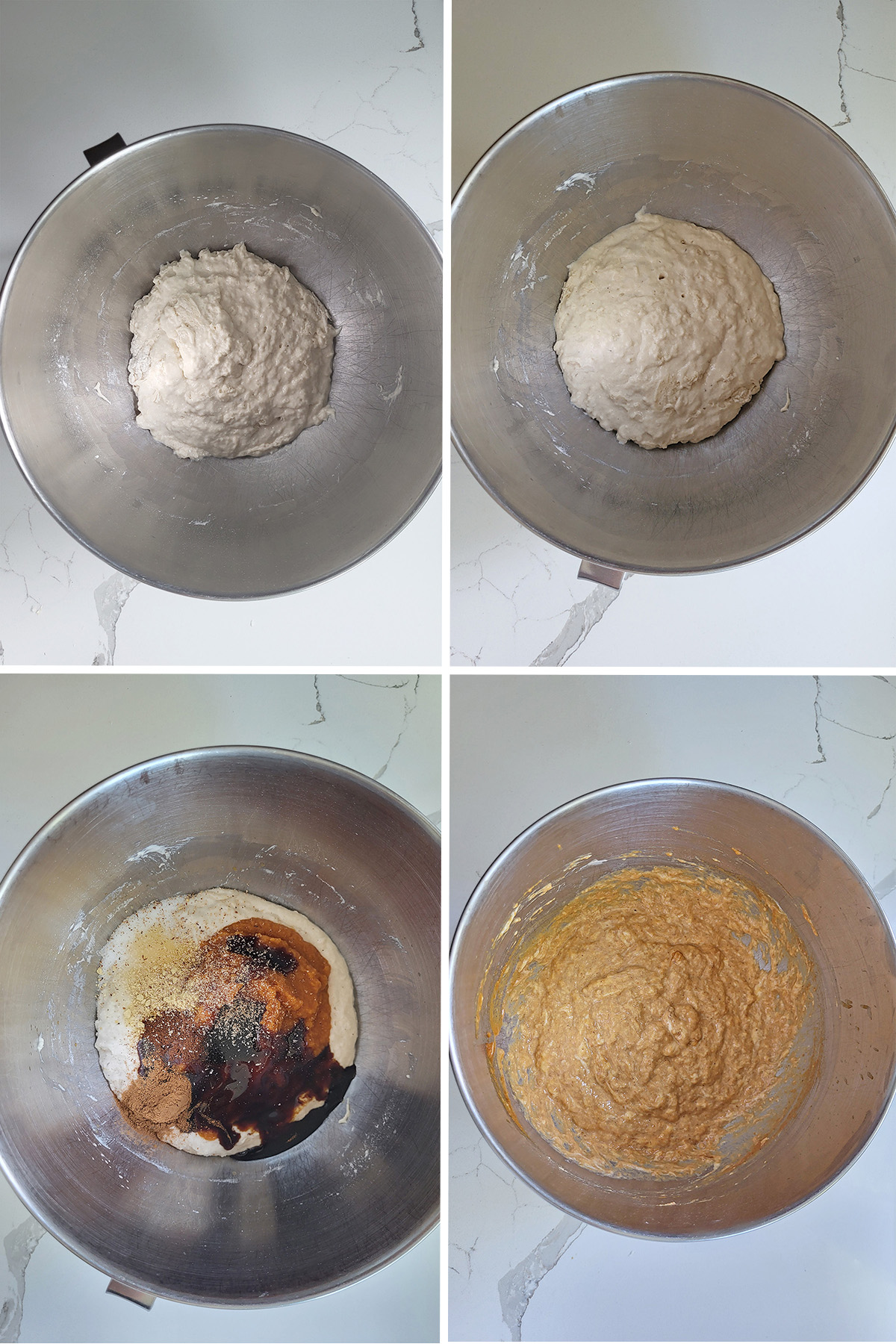
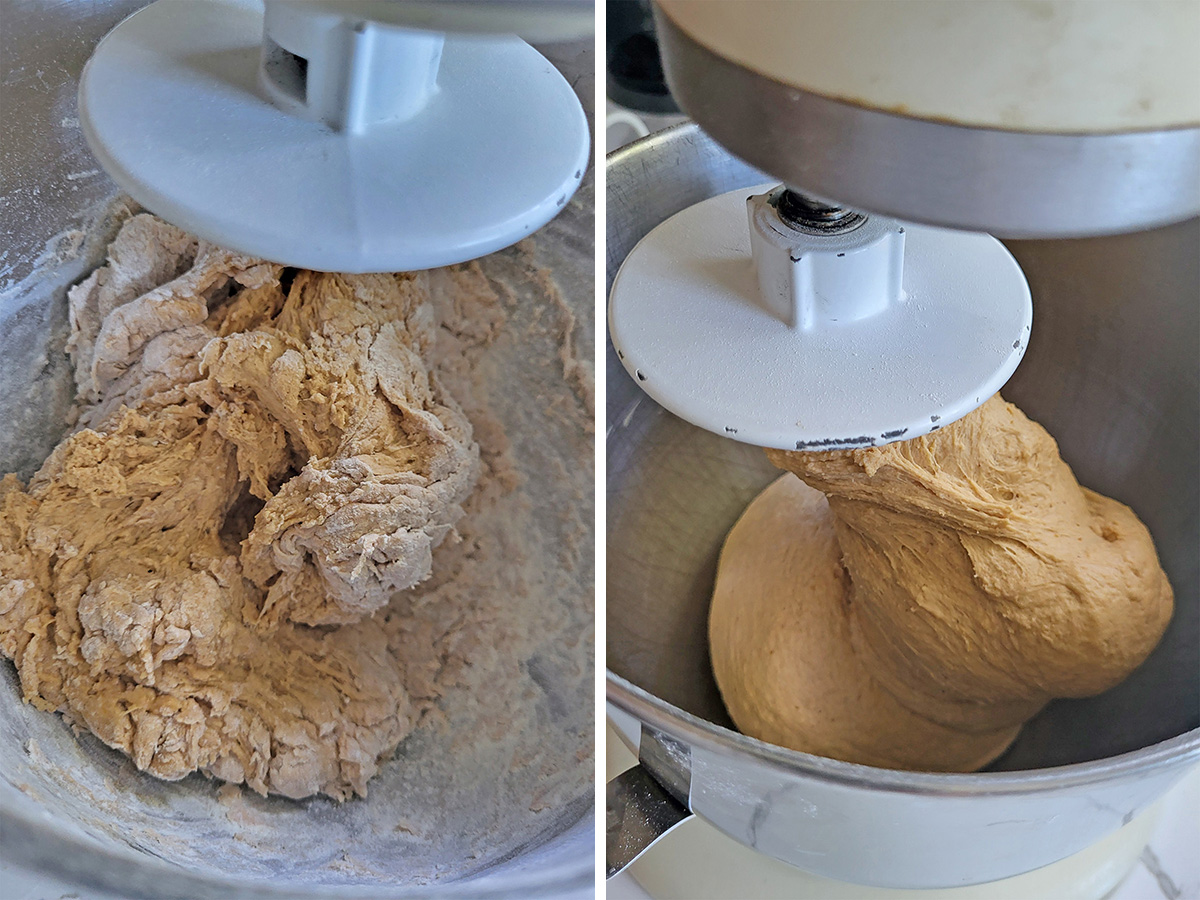
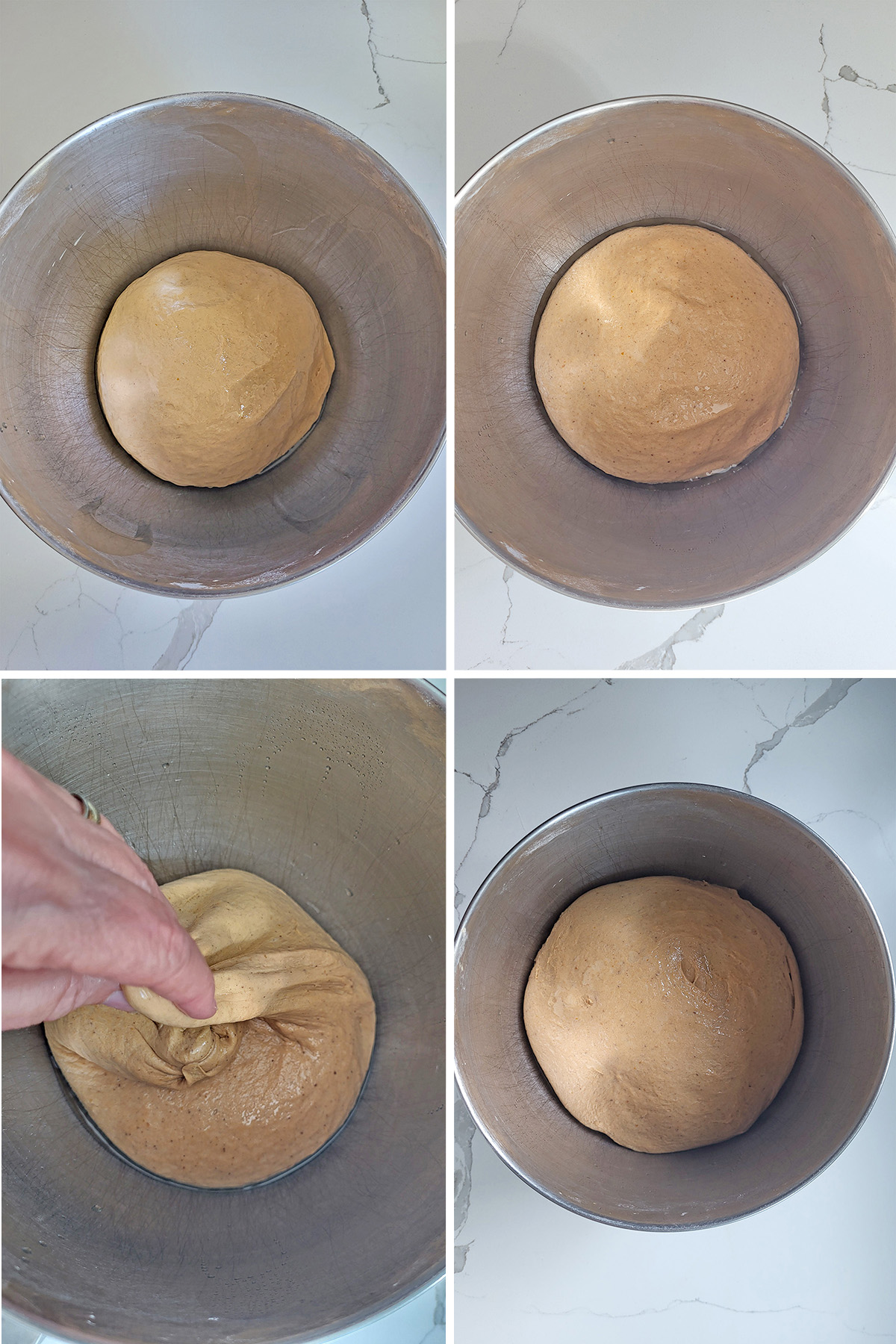
The process begins with the "levain" build, where the baker feeds the active sourdough starter to ensure maximum vigor. Once the culture has reached its peak activity, the primary mixing stage commences. The incorporation of pumpkin puree must be carefully balanced with the water content to maintain the structural integrity of the dough. Following the initial mix, the dough undergoes a bulk fermentation phase, during which the baker employs a series of folds to develop the gluten matrix without the need for intensive mechanical kneading.
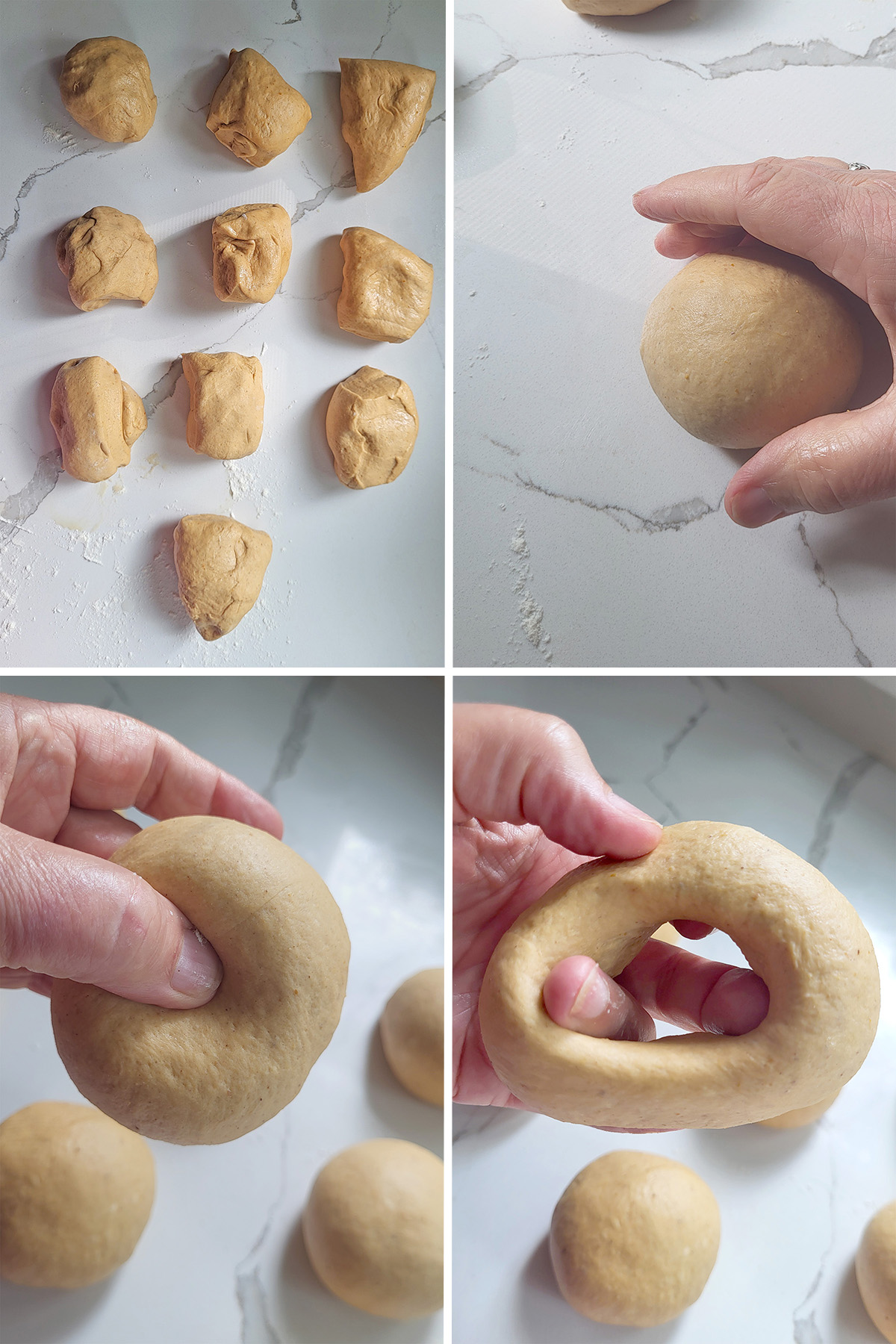
After the bulk fermentation, the dough is divided and shaped into the traditional ring form. A secondary cold proofing stage—typically conducted at temperatures between 38°F and 42°F (3°C to 5°C)—is critical. This extended cold rest allows the bacteria in the sourdough culture to produce acetic acid, which contributes to the signature tangy finish that distinguishes high-quality sourdough from commercially leavened alternatives. The final steps involve a brief boil in a water bath, which gelatinizes the exterior starches, followed by a high-heat bake, locking in the dense, chewy interior crumb.
Nutritional Profile and Dietary Context
The shift toward sourdough-based baked goods is supported by growing consumer interest in the potential health benefits of long-fermentation processes. The acidification of the dough during the 12-hour fermentation period can help in the degradation of phytic acid—a compound found in grain husks that can inhibit mineral absorption.
According to nutritional analysis for a standard 10-bagel batch, each unit contains approximately 331 calories, 58 grams of carbohydrates, and 11 grams of protein. While these bagels are more calorie-dense than standard lean bread, the fiber content and the lack of artificial preservatives or commercial stabilizers make them a preferred choice for health-conscious consumers seeking seasonal variations. The presence of pumpkin also adds a modest boost of Vitamin A, further differentiating this product from traditional white flour bagels.
Market Implications and Culinary Trends
The emergence of this specific recipe reflects a broader trend in the artisanal baking sector: the "seasonalization" of traditional heritage products. Bakers are increasingly tasked with finding ways to integrate fresh produce into established bread-making frameworks without sacrificing the technical standards of the final product.
Industry analysts observe that the demand for "slow food" and home-based artisanal production has seen a sustained increase since 2020. This trend is not merely a hobbyist pursuit; it represents a fundamental change in consumer expectations regarding food quality and ingredient transparency. By moving away from commercial yeast, which requires rapid, high-temperature proofing, bakers are prioritizing the development of flavor and shelf-stability—a hallmark of professional-grade sourdough.
Professional Guidance on Storage and Quality Control
A critical challenge in the production of sourdough-based pumpkin products is moisture management. Because pumpkin is a high-moisture ingredient, the final product is prone to staling more rapidly than a traditional plain bagel if not handled correctly. Professionals recommend a "bake-and-freeze" model for storage.
For the home baker, the most effective method involves slicing the bagel 75% of the way through immediately after it has cooled to room temperature, followed by airtight storage. This technique allows for immediate toast-readiness, which is necessary to refresh the crumb structure after the natural moisture migration that occurs in the days following baking. Refrigeration is explicitly discouraged, as the cool, humid environment of a refrigerator accelerates starch retrogradation, which causes the bagel to harden significantly faster than at room temperature.
Expert Analysis of the Methodology
"The difficulty in incorporating pumpkin into a bagel dough lies in the balance between hydration and dough strength," notes one expert in bakery operations. "Pumpkin puree acts as a softening agent, which can lead to a slack, difficult-to-handle dough. By utilizing the strength-building properties of a cold-proofed sourdough, bakers can maintain the chewiness that defines the New York-style bagel, even with the structural interference of the fruit solids."
Furthermore, the integration of spices requires precision. If spices are added during the initial mix, they can inhibit the fermentation process. If they are added too late, the distribution may be uneven. The current industry standard for this specific recipe is to fold the spices into the dough during the latter stages of the bulk fermentation, ensuring that the flavor is encapsulated within the gluten structure without damaging the yeast culture.
Conclusion
The sourdough pumpkin bagel represents a sophisticated intersection of traditional fermentation science and seasonal culinary creativity. As consumers continue to seek out alternatives to mass-produced, additive-heavy baked goods, the adoption of professional-grade, multi-day fermentation techniques will likely continue to expand. For the discerning baker, this recipe offers a template for how to successfully adapt heritage techniques to modern flavor profiles, providing a product that is both nutritionally superior and technically complex. As interest in home fermentation grows, such detailed methodologies serve as a foundational resource for the future of artisanal baking, setting a high bar for both texture and flavor consistency in the home kitchen.