Skillet Pierogi with Mushrooms: A Modern Culinary Blueprint for Rapid, Cost-Effective Weeknight Dinners

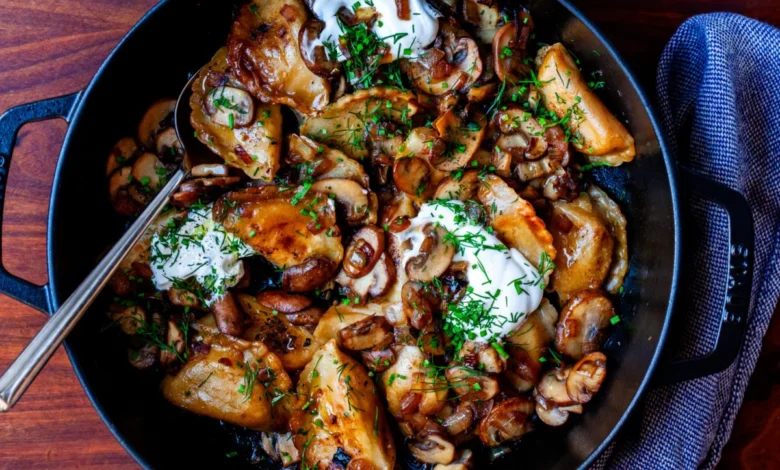
In contemporary domestic life, the intersection of limited time, inflationary grocery pressures, and the perennial human craving for comforting, carbohydrate-dense meals has fostered a profound demand for efficient culinary solutions. Home cooks increasingly seek recipes that minimize both preparation time and post-meal cleanup without compromising nutritional value or flavor complexity. A prominent development in this space is the refinement of the one-pan meal strategy, most recently exemplified by a streamlined, skillet-based approach to preparing frozen pierogi paired with caramelized onions and earthy mushrooms. This method challenges conventional Eastern European culinary traditions by reversing the standard cooking process—eliminating the traditional preliminary boiling step in favor of direct pan-frying and steaming—thereby offering a viable, under-thirty-minute template for busy households navigating the autumn season.

Chronology and Evolution of the Preparation Technique
Historically, mass-produced or homemade pierogi—unleavened dumplings of Central and Eastern European origin, traditionally stuffed with potatoes, cheese, curds, minced meat, or fruit—are subjected to a two-step thermal process. Standard culinary instruction dictates that frozen or fresh dumplings must first be submerged in boiling water until buoyancy indicates internal cooking, followed by a secondary sauté in butter or lard to achieve exterior crispness. While this method guarantees a fully hydrated interior and a browned casing, it requires multiple vessels, including a large stockpot and a separate skillet, multiplying the volume of kitchenware requiring sanitation.
The newly popularized methodology inverts this sequence to optimize workflow. By initiating the meal with the preparation of the botanical components—specifically, browning sliced onions to a near-caramelized state and searing mushrooms with garlic—the cook establishes a rich flavor base in a single deep skillet. Once the vegetables are temporarily reserved, frozen pierogi are introduced directly to the residual fats in the pan. They are seared on one side to develop a golden crust, after which a calculated volume of water is introduced. The pan is immediately sealed with a lid, allowing the trapped thermal energy and steam to cook the interior potato filling thoroughly in approximately five to eight minutes. The components are subsequently reunited in the single vessel, finished with acid, dairy, and fresh herbs.

Economic and Time-Motion Analysis of One-Pan Cooking
From a logistical standpoint, the adoption of one-pan cooking aligns with broader socio-economic trends affecting household management. According to consumer food expenditure data, the cost of fresh produce, dairy, and pantry staples has risen steadily, compelling consumers to maximize the utility of cost-effective ingredients. Frozen pierogi represent a shelf-stable, highly economical carbohydrate source, often retailing at a fraction of the cost per serving compared to specialty fresh pastas or artisan breads.
Time-motion efficiency studies within domestic science frequently highlight the hidden labor of cleanup. A meal preparation model that limits equipment to a single cutting board, a knife, a fork, and one multi-functional skillet significantly reduces water and energy consumption associated with dishwasher cycles. Furthermore, compressing the active cooking window to under thirty minutes accommodates the complex scheduling demands faced by modern families, particularly during peak academic and professional cycles in the autumn months.

Culinary Science and Flavor Balancing
The success of this streamlined skillet technique relies heavily on principles of flavor balancing and texture contrast. Dough-wrapped potato items inherently risk becoming heavy or monotonous if not properly accented. By incorporating white vinegar—a high-acidity pantry staple valued by professional and home cooks alike for its ability to cut through lipids—the dish achieves immediate brightness.
The sensory profile is further elevated by the juxtaposition of textures: the exterior of the pierogi develops a crisp, golden shell while the interior dough remains pliable, encasing a soft, starchy potato center. The addition of cold, full-fat sour cream introduces thermal and textural contrast, offering a cooling element against the hot, earthy mushrooms and sweet, caramelized onions. Finally, the application of fresh herbaceous elements, such as dill and chives, provides volatile aromatic compounds that lift the heavier savory notes of the dish.

Broader Culinary Context and Dietary Adaptations
The popularity of this skillet pierogi method reflects a broader movement within modern home cooking toward cross-cultural adaptation and ingredient hybridization. Similar one-pan templates have gained traction across culinary blogs and media platforms, including parallel techniques for frozen tortellini cooked directly with peas and prosciutto, or skillet ravioli prepared with spinach.
Food historians note that while pierogi are culturally synonymous with Polish cuisine, and their closely related counterpart, vareniki, hold deep roots in Ukrainian culinary tradition—frequently featuring a thinner, more delicate dough wrapper—the commercial availability of frozen varieties has democratized their consumption globally. By decoupling these traditional items from rigid preparation mandates, contemporary home cooks demonstrate an increasing willingness to adapt ethnic foods to contemporary schedules without sacrificing their essential sensory appeal.

As domestic routines continue to tighten under the weight of professional and personal obligations, the reliance on scientifically optimized, single-vessel meal architecture is expected to grow. The skillet pierogi model serves as a case study in culinary efficiency, demonstrating that traditional comfort foods can be successfully re-engineered to meet the rigorous demands of modern life while preserving the comfort and satisfaction intrinsic to home-cooked meals.