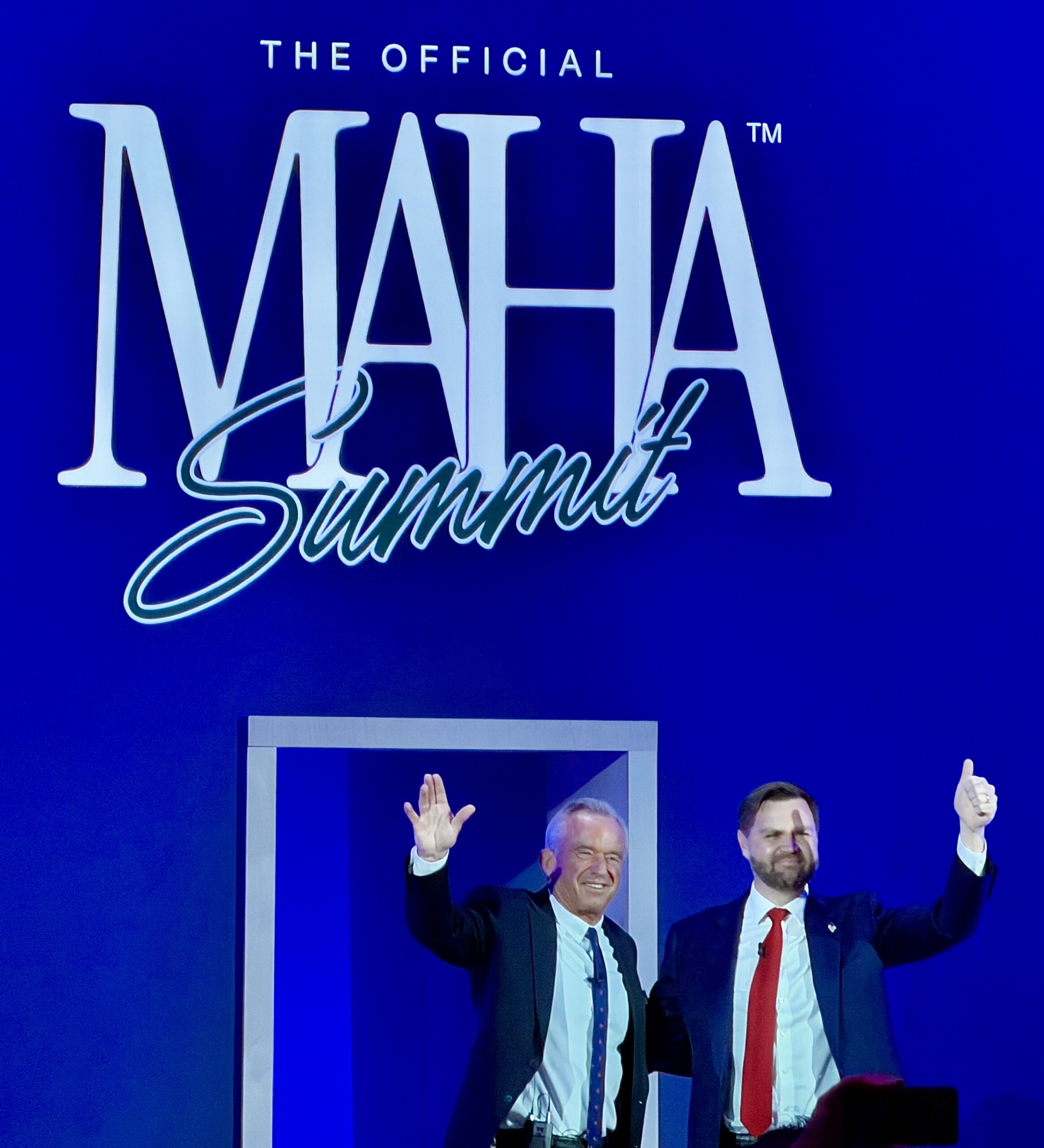
The intersection of American public health and industrial agricultural policy has undergone a radical transformation over the past two years. What began as a grassroots movement under the banner of "Make America Healthy Again" (MAHA)—spearheaded by Robert F. Kennedy Jr. during his 2024 independent presidential bid—has collided with the established "Make America Great Again" (MAGA) agenda. This friction has created a complex political landscape where the promised overhaul of the American food system has increasingly been subsumed by traditional industrial priorities and national security concerns.
The Rise of the MAHA Movement
The 2024 presidential campaign cycle was defined by an unlikely shift in discourse. Herbicides, ultra-processed foods, and the prevalence of endocrine-disrupting environmental toxins moved from the fringes of academia and environmental advocacy into the center of the American political stage. Robert F. Kennedy Jr. leveraged his MAHA platform to draw a direct line between the national cardiovascular crisis and the chemical-heavy infrastructure of modern agriculture.
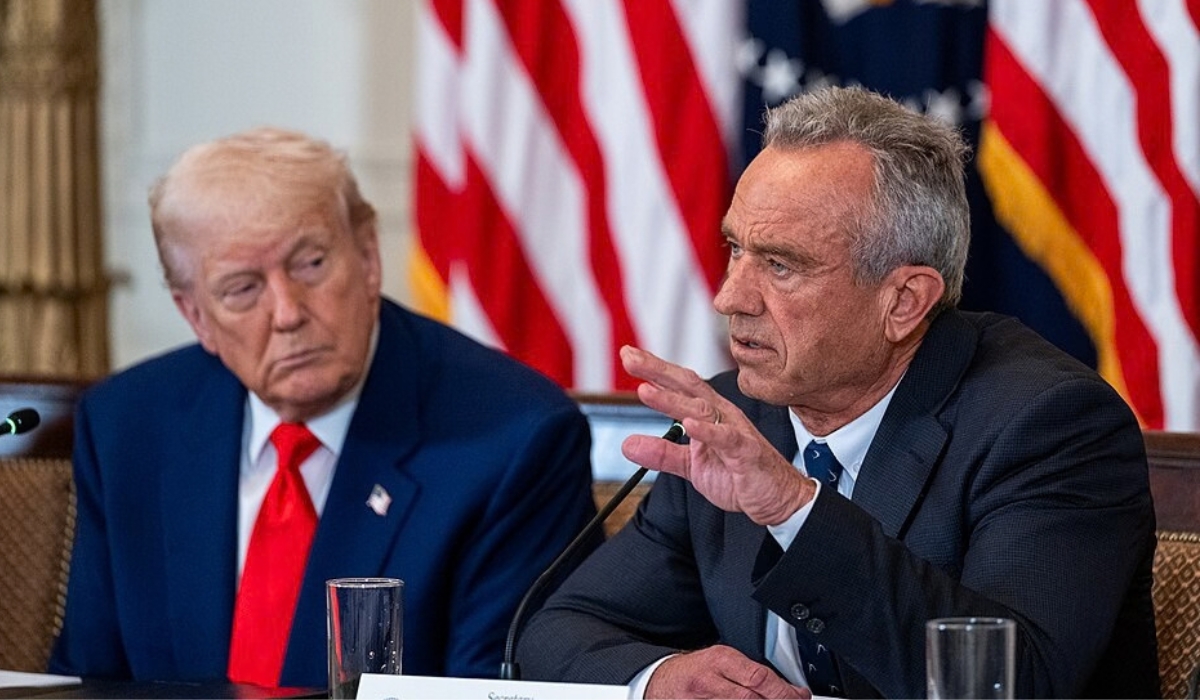
When Kennedy suspended his independent campaign in August 2024 to endorse Donald Trump, he brought with him a base of voters deeply concerned about chronic disease, food quality, and the regulatory capture of federal agencies like the Environmental Protection Agency (EPA) and the Food and Drug Administration (FDA). This merger created an expectation of sweeping regulatory reform. Supporters anticipated that the incoming administration would move to restrict the use of synthetic pesticides and transition the US toward more regenerative farming practices. However, the reality of governing has proven to be a stark departure from the rhetoric of the campaign trail.
Chronology of Regulatory Shifts
The trajectory of the current administration’s food and chemical policy can be traced through several pivotal, and often contradictory, developments:
- February 2024: A federal court issues a landmark ruling that effectively halts the widespread use of the herbicide dicamba, citing evidence that the EPA had significantly underestimated the risks of "drift"—the phenomenon where the chemical travels beyond target fields to damage neighboring crops and ecosystems.
- August 2024: Robert F. Kennedy Jr. suspends his independent bid and aligns his MAHA movement with the Trump campaign.
- February 2026: The Trump administration invokes the Defense Production Act to protect domestic glyphosate production, framing the herbicide as a component of national security.
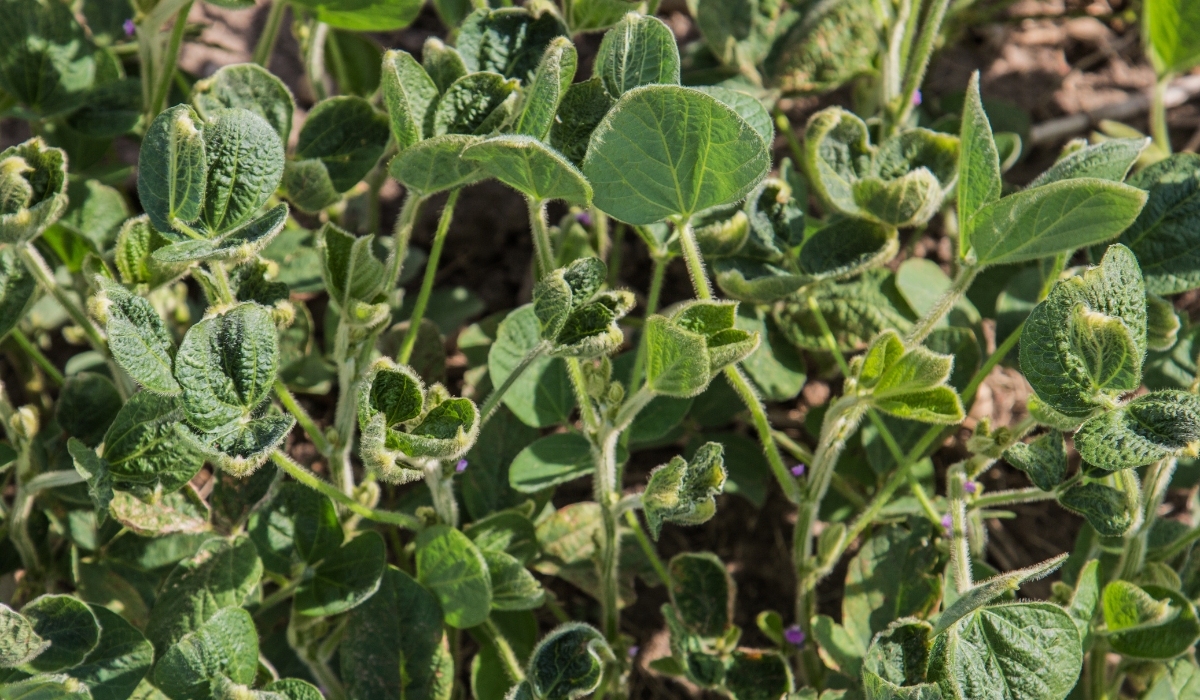
- Mid-2026: The EPA reverses the 2024 federal court stance on dicamba, re-registering the herbicide for use on soybean and cotton crops with new, albeit contested, safety guidelines.
The Dicamba Reversal: A Case Study in Policy Conflict
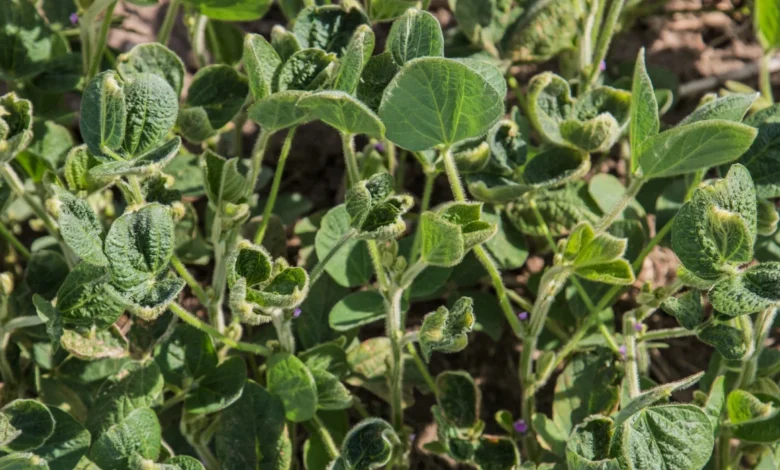
The reversal of the dicamba ban represents the most potent example of the administration’s prioritization of industrial output over ecological and agricultural diversity. Dicamba, a volatile herbicide, has long been a source of contention between farmers using genetically modified (GM) crops and those growing traditional, sensitive varieties.
When the 2024 federal court ruling was issued, many environmental groups hailed it as a victory for biodiversity. The EPA’s 2026 decision to re-approve the chemical was justified by the agency through the implementation of "stronger protections," such as temperature-based application restrictions and expanded buffer zones. However, critics argue these measures are largely unenforceable. George Kimbrell, a legal expert from the Center for Food Safety, characterized the reversal as a betrayal of farmers, arguing that the decision prioritizes corporate pesticide profit margins over the stability of the broader agricultural sector. The economic implications are significant: non-GM farmers continue to report millions of dollars in lost harvests due to drift damage, a cost that the administration’s new regulatory framework fails to mitigate.
Glyphosate and the National Security Narrative
The most significant departure from the MAHA vision occurred in early 2026 when the administration linked agricultural inputs to national security. By invoking the Defense Production Act to secure the domestic supply chain for glyphosate, the administration effectively elevated a controversial chemical to the same strategic status as oil or semiconductors.
This policy shift is rooted in a desire to reduce trade dependencies, particularly on China, which supplies a large portion of the precursor chemicals required for glyphosate synthesis. By framing the herbicide as essential infrastructure, the White House has effectively insulated the industrial monoculture model from the very reforms its own health advocates were elected to implement. For the administration, a "strong" America requires a secure, high-yield food supply—a premise that is predicated on the continuous, large-scale application of chemical inputs.
The Conflict Between Productivity and Resilience
The administration’s focus on high-output industrial agriculture rests on the belief that maximum production is the ultimate indicator of food security. However, environmental scientists and agricultural economists argue that this approach creates a dangerous paradox.
Industrial monocultures are inherently fragile. By relying on vast, uniform fields, farmers invite pests and diseases that can only be managed through ever-increasing doses of synthetic chemicals. As climate change increases the frequency of extreme weather events—ranging from droughts to supercharged El Niño cycles—this lack of diversity leaves the food system increasingly vulnerable to systemic shocks.
Resilience, by contrast, is found in biological diversity. Experts suggest that a truly secure food system would focus on:
- Soil Health: Restoring organic matter to improve water retention and reduce the need for synthetic nitrogen fertilizers.
- Natural Pest Regulation: Moving away from chemical blanket-spraying in favor of integrated pest management and crop rotation.
- Landscapes of Diversity: Designing farms that are less reliant on a single input, thereby creating a buffer against supply chain disruptions.
Broader Implications and Future Outlook
As the administration reaches the halfway point of its term, the divide between the MAHA movement’s goals and the reality of the MAGA policy agenda has become impossible to ignore. For supporters who joined the movement to see a reduction in environmental toxins, the current path represents a profound disappointment. The consolidation of industrial agriculture as a strategic asset suggests that significant regulatory shifts—particularly those that would restrict agrochemical companies—are unlikely to materialize.
The implications extend beyond the US border. As the world faces a volatile climate, the decisions made by the US government regarding agricultural chemicals serve as a global benchmark. If the US continues to equate national security with the intensive use of synthetic pesticides, it risks entrenching a model of farming that is increasingly ill-suited to the demands of a changing planet.
Ultimately, the goal of "making America healthy" remains at odds with the status quo of modern agribusiness. Whether the administration can reconcile these two competing visions—or whether the pursuit of industrial security will permanently silence the call for systemic health reform—will be a defining feature of the remainder of the term. The path forward for US food policy requires a pivot from reacting to immediate production demands toward building a resilient, sustainable foundation. Until such a shift occurs, the tension between the promise of a healthier nation and the preservation of industrial agriculture will remain a central point of conflict in American politics.